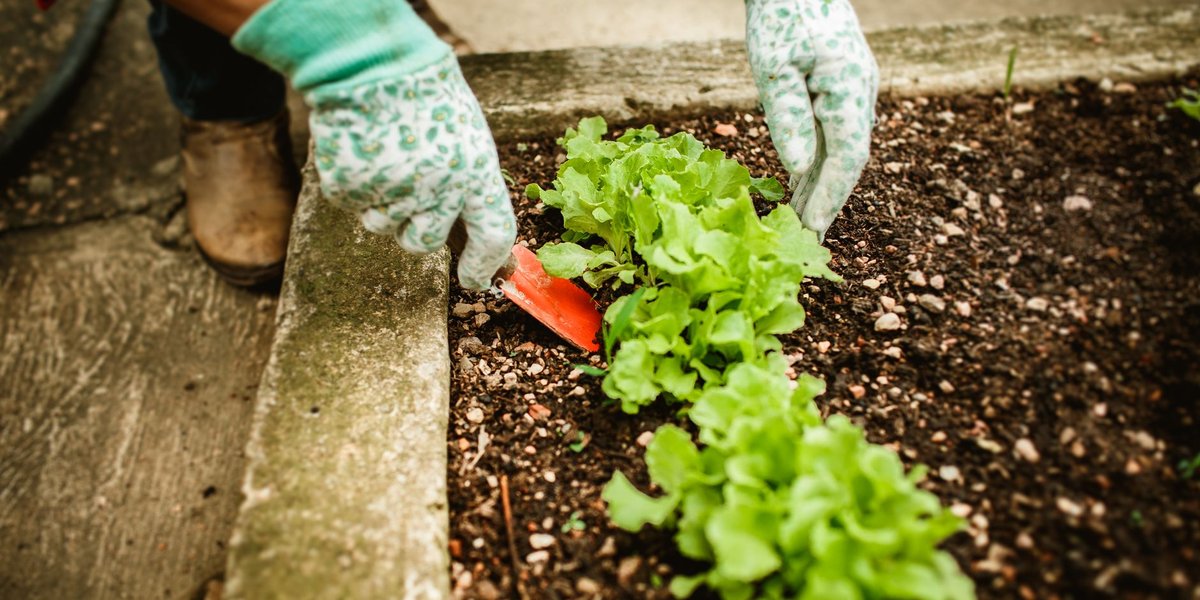
A natural fertilizer is a plant nutrient source made from animal, plant or mineral material that has been processed as little as possible: manure, compost, blood meal, bone meal, kelp, fish emulsion. Synthetic fertilizer starts with nitrogen pulled from the air and forced into ammonia in a factory. Natural fertilizer starts with something that was once alive, or with rock that was dug up and ground.
That difference matters less than most gardening content claims. Your tomato can’t tell where a nitrate ion came from. What differs is how fast the nutrients arrive, how much you get per pound, and what else comes along for the ride, like organic matter and the soil microbes that feed on it.
This guide covers the ten natural fertilizers worth knowing, their typical N-P-K numbers, how to read a soil test, and how much to apply to vegetables, lawns, houseplants and trees.
Contents
- TLDR
- How plants actually use natural fertilizers
- Ten natural fertilizers compared
- Reading N-P-K and your soil test
- The best natural fertilizer for each job
- How much to apply, by crop type
- Folk remedies, checked
- Safety: manure, overdoing it, and runoff
- DIY natural fertilizers
- FAQ
TLDR
- Start with compost. An inch or two worked into the bed each year handles most gardens, and it’s the only option on this list that improves soil structure as well as feeding plants.
- Add nitrogen separately. Compost is low in nitrogen. For a hungry crop, use blood meal or fish emulsion (fast) or feather meal or composted chicken manure (slow).
- Skip bone meal unless a soil test says phosphorus is low. Most garden soils in long-term use already have plenty.
- Test before you buy. A soil test costs a fraction of a bag of fertilizer and tells you which nutrients to skip.
- Never use raw manure on food crops within 90 to 120 days of harvest, and don’t use pet waste at all.
How plants actually use natural fertilizers
Roots don’t absorb blood meal. They absorb ions: mostly nitrate (NO₃⁻) and ammonium (NH₄⁺) for nitrogen, phosphate for phosphorus, and potassium ions. A synthetic fertilizer hands the plant those ions already dissolved. A natural fertilizer hands the soil’s microbes a meal, and the plant gets whatever the microbes release afterward. This conversion is called mineralization.
Two things follow from that.
First, natural fertilizers are temperature-dependent. Soil microbes slow down sharply in cold ground, so a spring dose of feather meal can sit there doing little while your seedlings yellow. Release speeds in the table below assume warm, moist soil, roughly above 50°F (10°C).
Second, natural fertilizers are forgiving. Because the nutrients are locked in organic molecules, a heavy hand is less likely to burn roots in the short term. The exceptions are the high-nitrogen ones (blood meal, fresh chicken manure), which can still scorch plants if you pile them on.
Ten natural fertilizers compared
The N-P-K figures below are typical values. Bagged products vary by brand and batch, and manure and compost vary wildly depending on what went into them, so treat the label as the final word.
| Fertilizer | Source | Typical N-P-K | Release speed | Best use | Caution |
|---|---|---|---|---|---|
| Compost | Decomposed plant and food waste | 1-1-1 (varies) | Slow, over a season or more | Annual soil building for every bed | Low in nitrogen; can build up phosphorus over years |
| Aged cow manure | Livestock manure, aged or composted | 1-1-1 | Slow | Bulk organic matter for vegetable beds | Must be aged; salt content can be high |
| Composted chicken manure | Poultry manure, composted and often pelleted | 3-2-2 | Moderate | Heavy feeders such as corn and brassicas; lawns | Fresh poultry manure burns plants; high phosphorus |
| Blood meal | Dried slaughterhouse blood | 12-0-0 | Fast, 2 to 6 weeks | Quick nitrogen for leafy crops | Burns roots if overapplied; attracts dogs and rodents |
| Feather meal | Hydrolyzed poultry feathers | 12-0-0 | Slow, 3 to 4 months | Steady nitrogen for lawns and long-season crops | Slow in cold soil; nothing for the first weeks |
| Bone meal | Steamed, ground animal bones | 3-15-0 | Slow | Phosphorus-poor soil, bulbs, new roses | Little effect in alkaline soil; unneeded where phosphorus is adequate |
| Fish emulsion | Liquefied fish byproducts | 5-1-1 | Fast, days | Container plants, seedlings, mid-season boosts | Smell; repeated use needs a nitrogen-balanced follow-up |
| Alfalfa meal | Dried, ground alfalfa | 2-1-2 | Moderate | General-purpose feeding of roses and perennials | Can sprout in beds if pellets are damp; cheaper as livestock feed |
| Kelp meal | Dried seaweed | 1-0-2 | Moderate | Potassium and trace minerals | Not a nitrogen source; varies by product |
| Wood ash | Ash from untreated wood | 0-1-3 | Fast | Potassium on acidic, potassium-low soil | Raises soil pH; never use on acid-loving plants |
Two notes on that table. Kelp is sold as a miracle growth tonic, but its real value is potassium and trace elements, which most soils already supply. And alfalfa meal, sold in garden centers at premium prices, is the same material rabbit and horse feed stores sell far cheaper. Check that it’s plain alfalfa with no additives.
The table covers ten of the more common options. For the full range, including green manures and less common meals, see The Complete List of Organic Fertilizers.
Reading N-P-K and your soil test
Every fertilizer label carries three numbers: the percent by weight of nitrogen (N), phosphate (P₂O₅, reported as P) and potash (K₂O, reported as K). A 12-0-0 blood meal is 12 percent nitrogen, which means a 10-pound bag holds 1.2 pounds of actual nitrogen.
That conversion is the one calculation worth learning, because application advice is almost always given in pounds of nitrogen:
Pounds of product = pounds of nitrogen wanted ÷ the nitrogen fraction.
If you want 1 pound of nitrogen per 1,000 square feet and you’re using 12-0-0 blood meal, you need 1 ÷ 0.12, or about 8.3 pounds. With 3-2-2 chicken manure compost, the same pound of nitrogen takes 33 pounds of product. That gap is why compost alone rarely fertilizes a hungry crop on its own.
What a soil test tells you
A basic test from your state’s extension service or a commercial lab reports pH, organic matter, phosphorus and potassium, usually in parts per million with a rating from low to very high. The USDA Natural Resources Conservation Service is a good starting point for understanding why organic matter and soil biology matter to those numbers.
Use the results like this:
- Phosphorus rated high or very high: skip bone meal, chicken manure and, in many cases, more compost. Plants use far more nitrogen than phosphorus, so feeding the soil with a balanced material year after year tends to build up phosphorus.
- Potassium low: wood ash (if pH is low), kelp meal or alfalfa meal.
- pH below 6: wood ash raises it; lime does it more predictably.
- pH above 7.5: avoid wood ash and expect bone meal to do very little, since phosphate binds with calcium in alkaline soil.
Nitrogen doesn’t show up well on a basic test because it moves and converts constantly. Treat nitrogen as the nutrient you add every season for fast-growing crops.
The best natural fertilizer for each job
Listing options neutrally doesn’t help anyone choose. Here are the picks.
- Best all-rounder: compost. It feeds slowly, holds water, and feeds the microbes that make every other fertilizer work. Nothing else on this list does three jobs.
- Best natural nitrogen for vegetables: composted chicken manure pellets. Moderate release, 3 percent nitrogen, and no smell once composted. For a fast fix on pale, stalled leafy crops, use blood meal or fish emulsion.
- Best for lawns: feather meal or composted poultry pellets, plus leaving the clippings. Feather meal’s slow release keeps a lawn from surging and fading, and clippings left on the lawn can return up to about a quarter of the nitrogen a lawn needs.
- Best for houseplants: diluted fish emulsion or liquid kelp. Dilute to half the label strength and feed during active growth. Worm castings work as a gentle top dressing.
- Best for trees and shrubs: mulch. A layer of compost or wood chips does more than any fertilizer for most established trees, which rarely show nutrient deficiency unless the soil is poor.
- Most overrated: bone meal. Gardeners add it to everything out of habit. Use it only where a test shows low phosphorus.
How much to apply, by crop type
These are starting points. If your soil test or the product label says otherwise, follow those.
Vegetables
Work 1 to 2 inches of compost into the top 6 inches of soil each spring before planting. For heavy feeders (tomatoes, corn, squash, cabbage family), add a nitrogen source on top: around 1 to 2 pounds of actual nitrogen per 1,000 square feet across the season, split into two or three doses. At 12 percent nitrogen, 1 pound of nitrogen is roughly 8 pounds of blood meal or feather meal per 1,000 square feet (about 0.8 pounds per 100 square feet). Side-dress along the row once plants are established, scratch it in and water.
Legumes like beans and peas fix their own nitrogen. Give them compost and nothing high in nitrogen, or you’ll get leaves and few pods.
Lawns
Cool-season grasses such as bluegrass and fescue generally take 2 to 4 pounds of nitrogen per 1,000 square feet per year, applied in portions of no more than about 1 pound each. Feather meal at 12 percent nitrogen means about 8 pounds of product per 1,000 square feet per feeding. Apply in early fall and again in late spring, and avoid applying in midsummer heat. Warm-season grasses are fed in late spring through summer instead.
Houseplants
Feed only when plants are actively growing, typically spring through early fall. Dilute liquid fish emulsion or kelp to half the label rate and apply every two to four weeks. Plants in low light or in winter need little or nothing. Fish emulsion in an apartment will announce itself, so some people prefer liquid kelp or worm castings indoors.
Trees and shrubs
Most established trees in a yard don’t need fertilizer. Spread 2 to 4 inches of compost or wood chip mulch out to the dripline, keep it a few inches off the trunk, and let the soil biology handle the rest. If a soil test or a clear deficiency symptom suggests otherwise, feed in late fall or early spring and spread the product across the root zone rather than at the trunk.
Folk remedies, checked
Three kitchen-scrap fertilizers get repeated everywhere. Here’s what they actually deliver.
Coffee grounds. Used grounds contain roughly 2 percent nitrogen, but most of it is bound in forms plants can’t use right away, and fresh grounds applied thickly can crust, hold water against the soil surface and suppress some seedlings. The better move is to add them to the compost pile, where they count as a “green” ingredient.
Eggshells. They’re calcium carbonate, and they break down over years, not weeks. Crushed shells won’t fix blossom end rot in tomatoes. That condition usually comes from uneven watering that disrupts calcium transport inside the plant, not from a lack of calcium in the soil. Eggshells are a slow, tiny liming agent.
Banana peels. They contain potassium, but in small amounts compared with what a garden bed needs. Burying them near a rose doesn’t hurt, but it won’t replace a potassium source. Compost them with everything else.
Safety: manure, overdoing it, and runoff
Raw manure carries pathogens. E. coli O157:H7 and Salmonella can survive in soil for weeks to months. Under the USDA National Organic Program, raw manure must be applied at least 90 days before harvest for crops whose edible part doesn’t touch the soil, and 120 days for crops that do. Compost made properly, with piles sustained near 131°F (55°C) for several days, kills most of these organisms. EPA’s home composting guidance covers the basics of getting there. Never put dog or cat waste in a food-garden compost pile.
Over-application is the common mistake. More isn’t better. Excess nitrogen gives you lush leaves with little fruit, and salts from manure can damage seedlings. Apply less than you think you need, and add more later if plants show real deficiency (pale older leaves usually mean low nitrogen).
Phosphorus runoff is real. Natural fertilizers are not exempt from it. Manure, bone meal and chicken-based products carry phosphorus that can wash off into streams and drive algae growth, a problem the EPA calls nutrient pollution. Don’t apply phosphorus-rich products to bare soil before heavy rain, and don’t apply them at all where a soil test shows high phosphorus.
Pets and wildlife. Blood meal, bone meal and fish products smell appealing to dogs, raccoons and rodents. Work them into the soil rather than leaving them on the surface.
DIY natural fertilizers
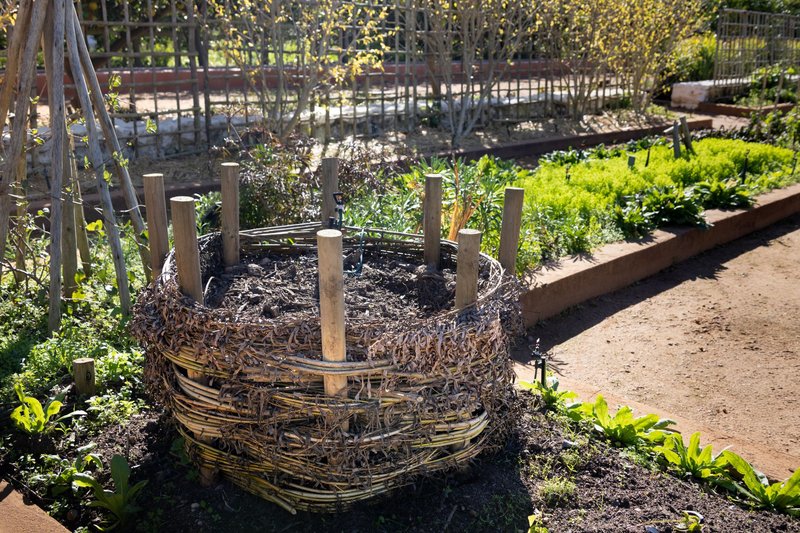
Compost. The base of everything. Mix roughly equal volumes of “greens” (kitchen scraps, grass clippings, coffee grounds) and “browns” (dry leaves, shredded paper, straw), keep it as damp as a wrung-out sponge, and turn it every week or two. A well-built pile finishes in a couple of months in warm weather and a few months longer in cool weather.
Worm castings. Worm bin output is rich in available nutrients and microbial life, and it’s mild enough to put around houseplants without burning them. Typical nitrogen content is low, around 1 percent, so think of it as a soil conditioner more than a fertilizer. A thin layer of an inch or less as a top dressing is plenty.
Compost tea. Steeping compost in water is popular, but the evidence is mixed. Researchers have found its effects on plant disease and growth to be inconsistent, and poorly brewed tea can grow pathogens. If you make it, use it fresh and keep it off edible leaves. Spreading the compost itself is more reliable.
Plant ferments. Soaking comfrey or nettle leaves in water for a few weeks produces a smelly liquid that gardeners use as a diluted feed, especially for potassium. Nutrient content varies with the plant and the brew, and no one has measured yours. It’s a fine way to use garden waste, and a poor substitute for a soil test.
FAQ
Is natural fertilizer better than synthetic? Neither is better for the plant. Both supply the same ions. Natural fertilizers add organic matter, release more slowly and are harder to overapply in one dose. Synthetic ones are cheaper per unit of nutrient, faster, and more precise. A lot of good gardeners use both.
What is the best natural nitrogen fertilizer? Blood meal and fish emulsion for speed, feather meal and composted chicken manure for slow, steady feeding. Which is best depends on whether the plant needs help now or across the season.
Can I use too much natural fertilizer? Yes. High-nitrogen ones such as blood meal can burn roots, and manure can build up salts and phosphorus. Calculate by pounds of actual nitrogen, not by the scoop.
Are natural fertilizers safe for vegetables? Yes, if they’re composted or aged. Raw manure needs a 90- to 120-day gap before harvest. Washing produce helps, but doesn’t replace waiting.
How often should I fertilize? Compost once a year. Fast-growing vegetables get a nitrogen boost every 3 to 4 weeks, lawns two to four times a year, houseplants every two to four weeks during growth, and established trees rarely.
Can I make natural fertilizer at home? Compost is the main one, and it’s the best. Worm castings, comfrey ferments and compost tea are all possible, though only the first two are reliably useful.
Do coffee grounds, eggshells and banana peels work as fertilizer? They add small amounts of nutrients, mostly through the compost pile. They don’t fix specific deficiencies on their own.