Eswatini is Africa’s third-smallest country, landlocked between South Africa and Mozambique, and it punches well above its size when it comes to what’s underneath and growing on its roughly 17,000 square kilometers. No oil, no offshore wealth, no headline-grabbing gold rush. What it has instead is a tight, working set of resources — coal, sugarcane, timber, and water — that together prop up an economy of about 1.2 million people.
None of it is abundant in the way South African platinum or Botswanan diamonds are abundant. That’s the story here: a small country running its economy on a handful of resources it manages carefully, because there isn’t much slack.
Table of Contents
- Mineral Resources
- Agricultural Resources
- Forest Resources
- Water Resources and Dams
- Wildlife and Tourism Resources
- Resources at a Glance
- Sustainability Challenges
- FAQ
Mineral Resources
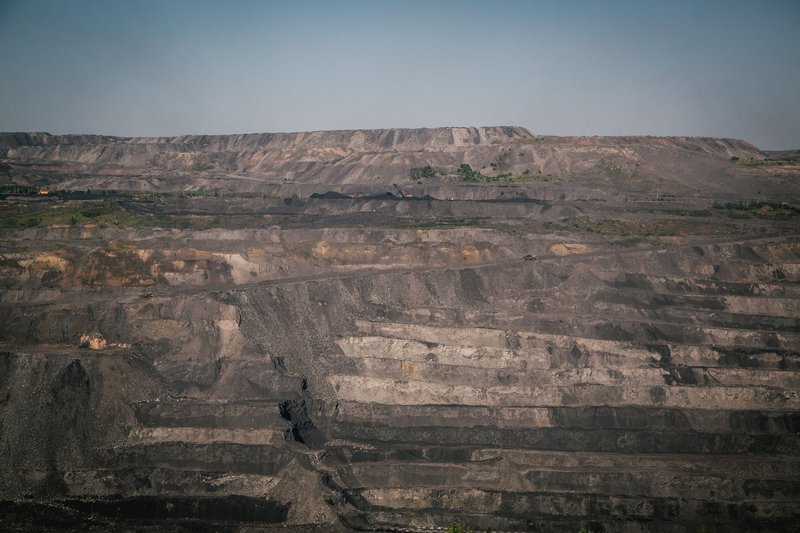
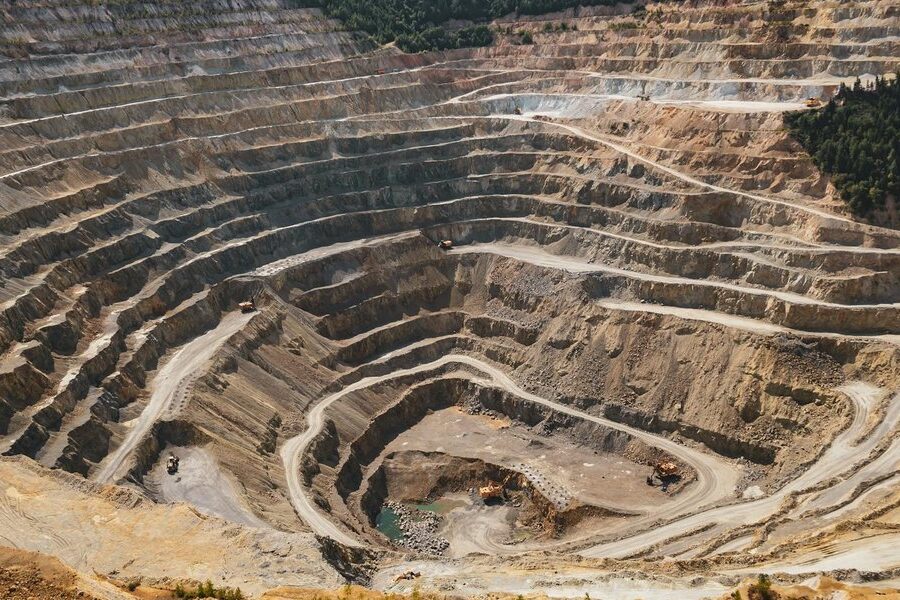
Eswatini’s mineral base is real but narrow. Coal is the sector’s workhorse: the Maloma Colliery in the Lubombo region mines metallurgical-grade anthracite with low ash content, most of it trucked south for export. Production jumped 46.5% year-on-year in 2023 to roughly 327,682 metric tons, a rare growth story in a sector that’s mostly been flat for a decade.
Diamonds get more attention than they earn today. The Dvokolwako pipe in Lubombo was a De Beers open-pit operation until it closed in 1996; what’s left is small-scale alluvial recovery, not the industrial output the name still suggests to people who read about Swaziland diamonds in older reference books. Kaolin, silica sand, and small tin and manganese deposits round out the list — useful for construction and ceramics domestically, not export-scale on their own.
The more interesting development is upstream of production. In December 2023, the Geological Survey of Eswatini partnered with South Africa’s Council for Geoscience on an AI-assisted geoscience mapping program aimed at locating critical mineral deposits the country doesn’t yet know it has. The government also issued six new mining and prospecting licenses that year — the most in two decades — covering coal, diamonds, gold, and green chert. It’s a country betting that better maps, not bigger mines, are the next move. The U.S. Geological Survey’s Eswatini minerals summary confirms the picture: a minor global producer, concentrated almost entirely in coal.
Agricultural Resources
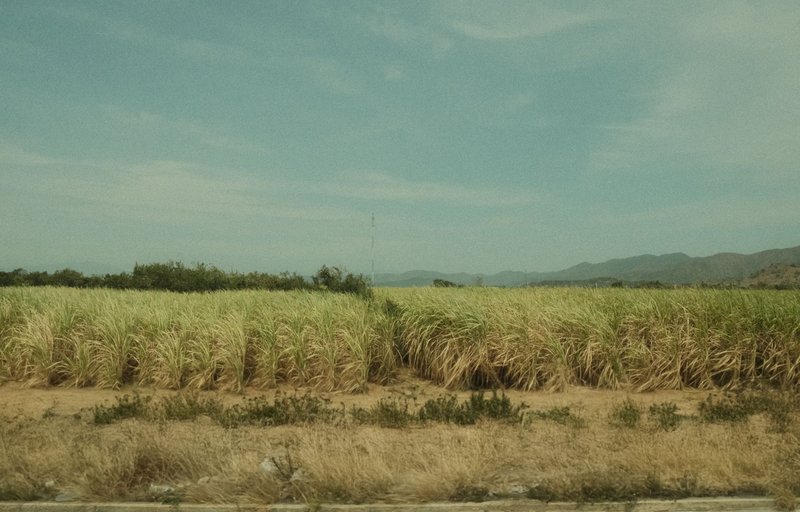
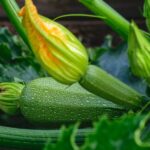
Sugarcane is Eswatini’s dominant agricultural export by a wide margin, accounting for roughly 92% of agricultural export value. The 2022–23 season produced about 5.5 million metric tons of cane across roughly 60,622 hectares, most of it irrigated from the same dam systems that generate the country’s hydropower. Sugar is the country’s second-largest export overall, behind only soft drink concentrate — Eswatini is the manufacturing base for a major regional beverage syrup operation, which itself runs on that sugar.
Citrus, cotton, and maize fill out the rest of the agricultural picture, but at a fraction of sugarcane’s scale. Agriculture, forestry, and mining together account for roughly 13% of GDP, a modest slice for a country where three-quarters of the population still lives rurally and depends on land-based income in some form.
Forest Resources
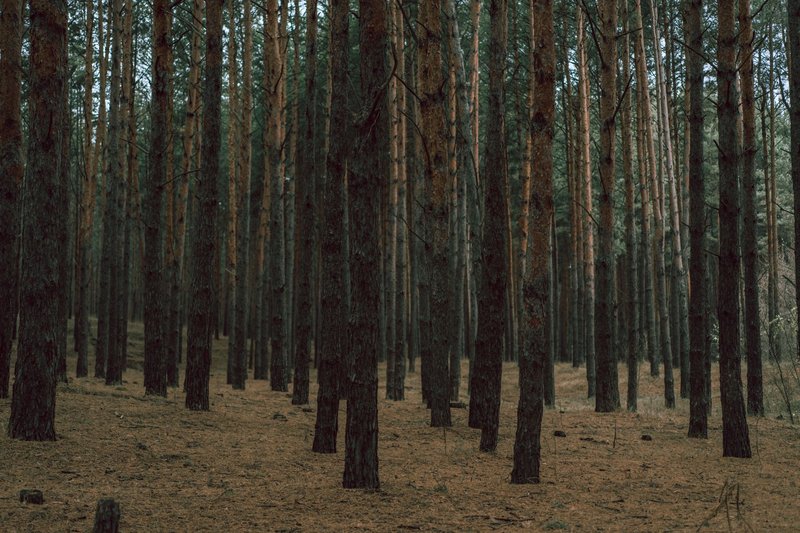
Forests cover close to a third of Eswatini’s land, generating an estimated $15.92 million a year in timber and wood-pulp exports. The commercial plantations — mostly pine and eucalyptus rather than natural forest — are concentrated in the wetter highveld regions of Hhohho and Manzini, where the climate suits fast-growing softwood. Wood pulp regularly ranks among the country’s top exports, feeding paper and packaging mills that ship product into the South African market.
The plantation footprint itself covers about 97,560 hectares, roughly 12% of national land area — smaller than the 33% total forest-cover figure, which includes natural woodland alongside the commercial estates. That gap matters: natural forest in the Lubombo and lowveld areas faces pressure from subsistence agriculture and fuelwood collection in a way the fenced commercial plantations don’t.
Water Resources and Dams
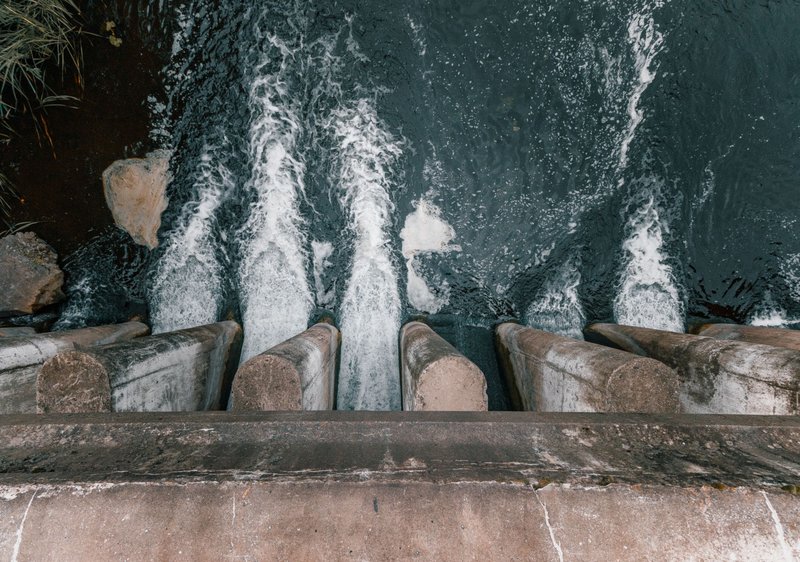
Landlocked and without a natural lake system, Eswatini’s fisheries and hydropower run almost entirely on artificial reservoirs. Maguga Dam, on the Komati River in Hhohho, is the biggest of them: a 115-meter-high wall completed in 2001 holding back 332 million cubic meters of water. Its hydropower station currently runs two 10MW turbines for 20MW of installed capacity, and the national utility has moved to expand it by another 10MW — a direct answer to a country that still imports a meaningful share of its electricity from South Africa and Mozambique.
Hendrick Van Eck Dam, near Big Bend in the Lubombo lowveld, and the smaller Sand River Dam round out the country’s main reservoir system, both feeding irrigation for the sugarcane belt as much as they support fish stocks. Because Eswatini has no coastline and no large natural lake, these dams are effectively the entire domestic fishery — tilapia and bass stocked and managed within reservoir boundaries rather than caught wild. It’s a fundamentally different fisheries model than most of Eswatini’s neighbors run, and it’s a direct consequence of geography rather than policy choice.
Wildlife and Tourism Resources
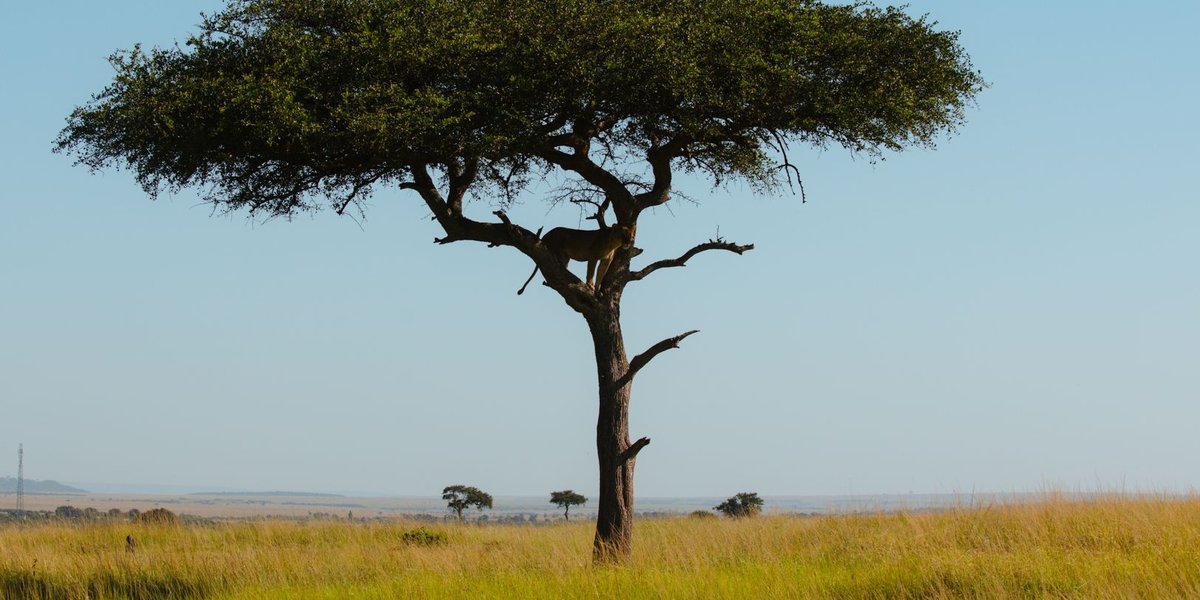
Eswatini’s wildlife reserves — Hlane Royal National Park, Mkhaya Game Reserve, and Mlilwane Wildlife Sanctuary among them — function as a resource in their own right, generating tourism revenue that some analyses rank alongside mineral exports in economic importance. Rhino, elephant, and a wide range of antelope species draw visitors specifically because the reserves are smaller and less crowded than South Africa’s major parks. Conservation funding here is tightly linked to tourism income, which makes wildlife one of the few Eswatini resources where sustainable management and economic incentive point in the same direction rather than working against each other.
Resources at a Glance
| Resource | Primary Region | Economic Role |
|---|---|---|
| Coal (anthracite) | Lubombo (Maloma) | Export to South Africa; ~328,000 tons (2023) |
| Diamonds | Lubombo (Dvokolwako) | Small-scale alluvial only since 1996 |
| Sugarcane | Lowveld irrigation belt | ~92% of agricultural export value |
| Timber & wood pulp | Hhohho, Manzini | ~$15.92M/year; ~12% of land in plantation |
| Hydropower | Komati River (Maguga) | 20MW installed, expanding to 30MW |
| Freshwater fisheries | Maguga, Van Eck, Sand River dams | Confined to reservoir systems |
| Wildlife/tourism | Hlane, Mkhaya, Mlilwane | Major non-mineral export earner |
Sustainability Challenges
Every resource sector here carries the same underlying tension: a small land base supporting competing uses. Sugarcane irrigation draws heavily on the same dam water that generates hydropower and supports fisheries, so a dry season doesn’t just hurt one sector — it ripples across three. Commercial forestry plantations, while economically valuable, have displaced natural woodland and rural livelihoods in some highveld communities, and soil erosion linked to both plantation clearing and overgrazing shows up repeatedly in environmental assessments of the region.
Mining faces a different problem: scale. Eswatini’s coal and mineral deposits are real but small by regional standards, which limits how much new investment they can attract compared to South Africa’s or Zambia’s mining sectors. The AI mapping partnership with South Africa’s Council for Geoscience is as much about proving Eswatini has resources worth developing as it is about finding them. On the trade side, Eswatini’s membership in the Southern African Customs Union and its position within SADC give it duty-free access to regional markets for sugar, timber, and coal — a structural advantage smaller than its neighbors’ mineral wealth, but one that keeps its narrow resource base economically viable.
FAQ
What are Eswatini’s main natural resources? Coal, sugarcane, timber, hydropower, and wildlife tourism are the five resources that carry the most economic weight. Diamonds and other minerals exist but at small scale.
Does Eswatini still mine diamonds? Only on a small, alluvial scale. The country’s one significant diamond pipe, Dvokolwako in the Lubombo region, closed as an industrial operation in 1996.
What percentage of Eswatini is forested? Roughly a third of the country’s land area carries forest cover, split between natural woodland and commercial pine and eucalyptus plantations concentrated in Hhohho and Manzini.
Does Eswatini generate hydropower? Yes. Maguga Dam on the Komati River runs a 20MW hydropower station, with an approved expansion expected to add another 10MW.
Why doesn’t Eswatini have a fishing industry? It’s landlocked with no major natural lake, so freshwater fisheries are confined to a handful of dam reservoirs — Maguga, Hendrick Van Eck, and Sand River — rather than open water.
The Short Version
Eswatini’s resource story isn’t about abundance. It’s about a handful of assets — coal in Lubombo, sugarcane across the lowveld, timber in the highveld, water held in a few large dams — doing the work that a much bigger, more diversified economy would spread across dozens of sectors. What’s changed recently isn’t the resource base itself but how the country’s approaching it: better geological mapping, dam expansion for power rather than just irrigation, and a growing recognition that wildlife tourism belongs on the same balance sheet as coal exports. For a country this size, that kind of precision matters more than volume ever could.