Most “pharmacology topics” resources fail you in one of two directions. Either they bury you in something like Frontiers’ 2,400-plus research-topic collections, or they hand you a single audience-locked list and call it a day. Neither gives you the thing you actually came for: a map. One page where the whole field is laid out by how it’s actually organized, with enough of a definition per topic that you know whether to keep reading or move on.
That’s what this is. Pharmacology splits cleanly once you see the seams — two core branches, then a grid of body systems, then a set of subdisciplines that cut across everything. Learn the skeleton and every specific topic snaps into place. Whether you’re picking a thesis subject, cramming for a board exam, or scoping a research field, start here.
Table of Contents
- The Two Core Branches
- Topics by Body System
- Topics by Subdiscipline
- Hot and Emerging Topics
- Thesis and Study Topic Ideas
- How to Use This Map
The Two Core Branches
Before any organ system, pharmacology asks two questions about every drug. What does the body do to the drug? And what does the drug do to the body? Those are the two halves of the field, and almost every topic below is a specialization of one or the other.
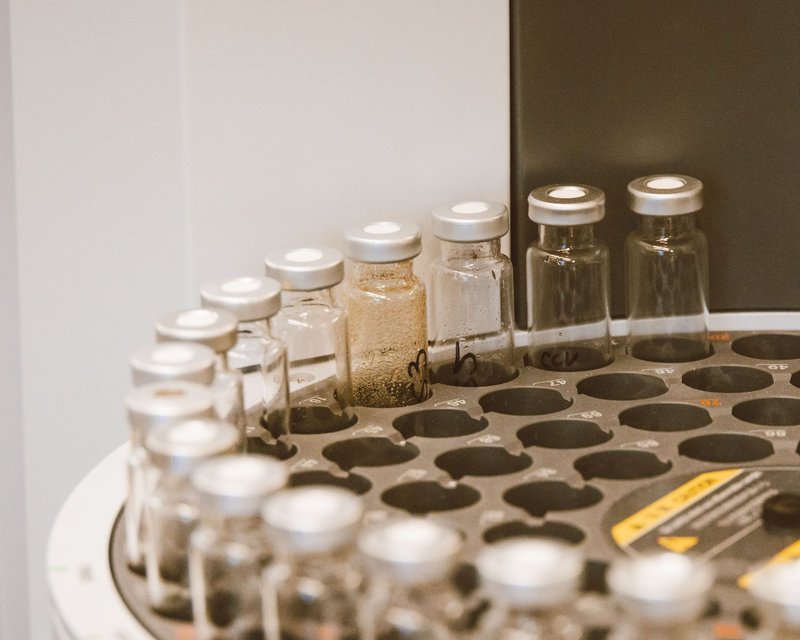
Pharmacokinetics (PK) is the body’s side of the deal — how a drug moves through you over time. It’s captured by the acronym ADME:
| Stage | What it covers |
|---|---|
| Absorption | How the drug enters the bloodstream (oral bioavailability, first-pass metabolism) |
| Distribution | Where it travels; protein binding, volume of distribution, crossing the blood-brain barrier |
| Metabolism | How the liver breaks it down; the cytochrome P450 enzyme system |
| Excretion | How it leaves — renal clearance, half-life, biliary elimination |
The reason PK matters clinically: it sets the dose and the interval. Half-life tells you how often to redose. First-pass metabolism explains why some drugs need ten times the oral dose of the IV dose to do the same job.
Pharmacodynamics (PD) is the drug’s side — the mechanism of action. This is receptor theory: agonists, antagonists, partial agonists, and inverse agonists. It’s where you learn about the dose-response relationship, EC50 and potency, efficacy versus affinity, and the therapeutic index that separates a helpful dose from a toxic one.
The shorthand students memorize: pharmacokinetics is what the body does to the drug; pharmacodynamics is what the drug does to the body. Get comfortable with both vocabularies and the rest of the field reads like a language you already speak.
Topics by Body System
This is how most curricula and most drug-reference books actually organize things. Each system has its own set of receptor targets, its own signature drug classes, and its own high-yield exam topics.
Autonomic Nervous System
The classic starting point, because so much downstream pharmacology depends on it. Cholinergic and adrenergic signaling, muscarinic and nicotinic receptors, alpha and beta adrenoceptors. Drug classes: cholinergics and anticholinergics, sympathomimetics, beta-blockers. Master the autonomic receptors first — half of cardiovascular and respiratory pharmacology is just this chapter applied.
Cardiovascular Pharmacology
One of the densest fields. Antihypertensives (ACE inhibitors, ARBs, calcium channel blockers, diuretics), antiarrhythmics grouped by the Vaughan Williams classification, anticoagulants and antiplatelets, statins and other lipid-lowering agents, and drugs for heart failure. Loaded with mechanism-of-action questions and clinically relevant drug interactions.
Central Nervous System (Neuropharmacology)
Antidepressants (SSRIs, SNRIs, tricyclics, MAO inhibitors), antipsychotics (typical versus atypical), anxiolytics and the benzodiazepine-GABA story, antiepileptics, general and local anesthetics, and the pharmacology of opioids and other analgesics. Also home to the neuroscience of addiction and drugs of abuse, a corner of the field that leans on several of the branches of neuroscience, from molecular signaling to behavior.
Respiratory Pharmacology
Bronchodilators (beta-2 agonists, muscarinic antagonists), inhaled and systemic corticosteroids, leukotriene modifiers, and antitussives. Smaller than cardiovascular, but the asthma and COPD treatment ladders are exam favorites.
Gastrointestinal Pharmacology
Acid suppression is the headliner — proton pump inhibitors and H2 blockers — alongside antiemetics, laxatives, antidiarrheals, and drugs for inflammatory bowel disease. A tidy, self-contained topic that’s good for a focused study session.
Endocrine Pharmacology
Insulin and the oral antidiabetics (metformin, sulfonylureas, and the newer incretin-based drugs), thyroid and antithyroid agents, corticosteroids, sex hormones and contraceptives, and osteoporosis therapies. The diabetes portion has expanded dramatically in the last decade (see the emerging topics below).
Antimicrobial Pharmacology (Chemotherapy)
Enormous. Antibiotics organized by mechanism — cell wall inhibitors (beta-lactams, vancomycin), protein synthesis inhibitors (aminoglycosides, macrolides, tetracyclines), DNA/folate disruptors (fluoroquinolones, sulfonamides) — plus antivirals, antifungals, antiparasitics, and antitubercular regimens. Antimicrobial resistance is the throughline that makes this field urgent, and the WHO’s antimicrobial resistance work frames why.
Oncology Pharmacology (Chemotherapy)
Cytotoxic agents by mechanism (alkylating agents, antimetabolites, plant alkaloids, anthracyclines), then the modern layer: targeted therapies like tyrosine kinase inhibitors, monoclonal antibodies, and immunotherapy including checkpoint inhibitors. This system has shifted the fastest from broad poisons toward precision targeting.
Topics by Subdiscipline
These cut across every body system. A pharmacogenomicist and a toxicologist might both be studying the same drug — they’re just asking different questions about it.
| Subdiscipline | What it studies |
|---|---|
| Neuropharmacology | Drug effects on the nervous system, from synaptic signaling to behavior |
| Cardiovascular pharmacology | Agents acting on heart, vessels, and blood |
| Clinical pharmacology | Drug use in actual patients; dosing, monitoring, interactions, and trials |
| Pharmacogenomics | How your genes change your drug response — the basis of personalized medicine |
| Toxicology | Poisoning, overdose, adverse effects, and antidotes |
| Immunopharmacology | Drugs that modulate the immune system, from immunosuppressants to biologics |
| Psychopharmacology | Drugs affecting mood, cognition, and behavior |
| Pharmacoepidemiology | Drug effects and safety across whole populations |
| Pharmacoeconomics | Cost-effectiveness and value of drug therapies |
| Chronopharmacology | How drug timing against the body clock changes outcomes |
Pharmacogenomics deserves a special note — it’s the fastest-moving of these. The idea that a single gene variant (say, a CYP2D6 polymorphism) can make a standard dose useless in one patient and toxic in another is reshaping how drugs get prescribed. The FDA maintains a table of pharmacogenomic biomarkers already baked into drug labels, and it keeps growing.
Hot and Emerging Topics
This is where the field is moving right now — the topics that dominate conference programs and journal special issues, and the ones most likely to make a fresh, defensible research angle.
GLP-1 receptor agonists. Semaglutide and tirzepatide started as diabetes drugs and became the most-discussed pharmacology story of the decade for their effects on weight, and increasingly on cardiovascular and kidney outcomes. Active research areas: oral formulations, muscle-preservation, and effects beyond metabolism.
Targeted protein degradation (PROTACs). Instead of blocking a protein, these molecules tag it for the cell’s own disposal system to destroy. It cracks open “undruggable” targets that classical inhibitors could never touch — a genuinely different mechanism, not an incremental one.
AI in drug discovery. Machine learning for predicting protein structures, screening candidate molecules, and finding new uses for existing drugs. The protein-structure work recognized by the 2024 Nobel Prize in Chemistry is already feeding into how new drugs get designed.
Antimicrobial stewardship. Not a new drug class but a research and policy field: using existing antibiotics smartly to slow resistance, plus the hunt for genuinely novel antibiotic scaffolds after a decades-long drought.
Biologics and cell therapies. Monoclonal antibodies, mRNA platforms, CAR-T cell therapy, and gene therapy — the shift from small molecules toward large, engineered, and living medicines that pulls pharmacology deeper into the wider life science topics of cell biology, genetics, and immunology.
Thesis and Study Topic Ideas
If you’re a postgraduate scoping a research or thesis subject, the trick is to pair a subdiscipline with a specific, answerable question. Broad topics (“antibiotics”) don’t survive a proposal defense; narrow ones do. A few directions that map onto active fields:
- Pharmacogenomics: CYP2D6 variation and its effect on codeine or tamoxifen response in a specific population
- Clinical pharmacology: medication adherence patterns in a chronic disease, and what changes them
- Toxicology: the toxicity profile of a specific herbal supplement and its interaction with a common prescription drug
- Antimicrobial stewardship: local antibiotic resistance patterns in a defined patient group
- Neuropharmacology: a receptor-level mechanism behind tolerance or dependence for a given drug class
- Pharmacoepidemiology: real-world adverse-event signals for a recently approved drug
The strongest thesis topics sit where an emerging area (GLP-1s, PROTACs, AI screening) overlaps with a method you can actually run given your lab, your data access, and your timeline. Ambition is cheap; feasibility is the constraint that matters.
How to Use This Map
For studying, work top-down: nail the two core branches, then the autonomic system, then whichever organ systems your exam weights most heavily. The subdiscipline table is your cross-reference when a topic doesn’t fit neatly into one organ.
For research, work the other way: start from the emerging topics, find the subdiscipline they live in, then narrow to a question small enough to answer. The whole field is bigger than any one page can hold, but it isn’t disorganized — it just needed a map. Now you have one.