Timor-Leste sits in Wallacea, the tangle of islands between Asia and Australia where species from two continents overlap and neither quite wins. That geography is the whole story. The birds here aren’t a diluted version of Indonesia’s or Australia’s — a good chunk of them live nowhere else on Earth, and a determined birder can tick a dozen island endemics in a single trip.
Roughly 240 to 290 species have been recorded across the country, depending on which checklist you trust. What makes the place worth the flight isn’t the raw number, though. It’s the endemics: around 23 species restricted to Timor and its immediate neighbors, several of them findable within a few hours of Dili if you know where to look.
This is both a species guide and a trip planner. The reference lists tell you what exists; the travel pages tell you it’s “a birdwatcher’s paradise” and stop there. Here’s the part that connects the two — what to see, where, and when.
Table of Contents
- Why Timor-Leste Punches Above Its Weight
- The Endemic Birds Worth the Trip
- Where to Go Birding
- Best Time to Visit
- Guides, Access, and Practical Notes
- Conservation and Responsible Birding
Why Timor-Leste Punches Above Its Weight
Wallacea is named after Alfred Russel Wallace, the naturalist who noticed that a hard biological line runs through this part of Indonesia — monkeys and woodpeckers on one side, cockatoos and marsupials on the other. Timor sits firmly on the Australasian edge of that transition, which is why you get cockatoos and honeyeaters instead of the barbets and broadbills you’d find in Borneo.
Islands do two things to birds. They isolate populations long enough for them to become distinct species, and they keep those species pinned to a tiny range. It’s the same evolutionary machinery that has turned the wider archipelago into a showcase of animals found nowhere else in Indonesia, and Timor is one more chapter of it. The island has been separated from other landmasses for a long stretch of geological time, and the result is a bird community that reads like a catalog of “Timor this” and “Timor that.” The Timor green pigeon. The Timor sparrow. The Timor boobook. When a bird’s common name is just the island plus a bird type, that’s usually a signal it evolved right here.
For a birder, that translates to a high endemic-per-day rate. You’re not sifting through hundreds of widespread species to find one specialty. The specialties are the point, and they’re relatively concentrated.
The Endemic Birds Worth the Trip
If you have limited time, these are the targets. Most trip reports build the itinerary around finding them.
| Species | Where to look | ID notes |
|---|---|---|
| Timor Green Pigeon | Lowland and hill forest | Large green fruit pigeon; often heard before seen, feeding quietly in fruiting trees |
| Timor Imperial Pigeon | Hill and montane forest | Big, heavy-bodied pigeon with a slow wingbeat; scarce and a genuine prize |
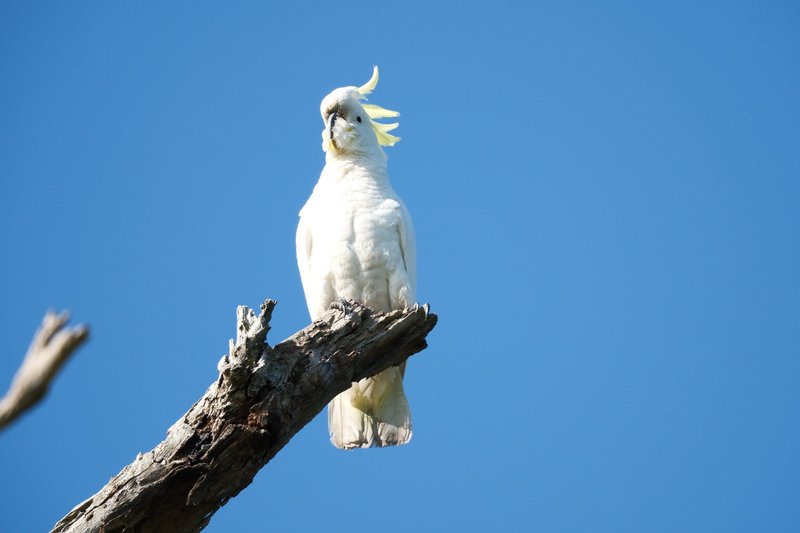
| Yellow-crested Cockatoo | Forest edges, patchy sites | Unmistakable white cockatoo with a lemon crest; critically endangered, so any sighting counts |
| Timor Sparrow | Grassland, rice paddies, scrub | Chunky finch with a black face and heavy silver bill; easier near cultivation than deep forest |
| Timor Boobook | Wooded areas at night | Small owl; the call is the giveaway, so this is a night-listening bird |
| Timor Friarbird | Woodland and edges | Noisy honeyeater with bare facial skin; loud, social, and hard to miss once present |
| Iris Lorikeet | Flowering trees, forest | Small green lorikeet with a colorful face; travels fast in noisy flocks |
| Fawn-breasted Whistler | Forest understory | Skulking; learn the song, because you’ll hear far more than you see |
The yellow-crested cockatoo deserves a note. It’s listed as Critically Endangered by the IUCN, hammered across its range by trapping for the cage-bird trade. Timor-Leste has become one of the more reliable places to still find wild birds, which gives the country a quiet significance in the species’ survival that most visitors don’t realize.
A few of these — the Timor sparrow and Timor friarbird especially — are among the more approachable endemics and can turn up in fairly ordinary landscapes near villages and farmland. The pigeons and the imperial pigeon are the ones that make people work.
Where to Go Birding
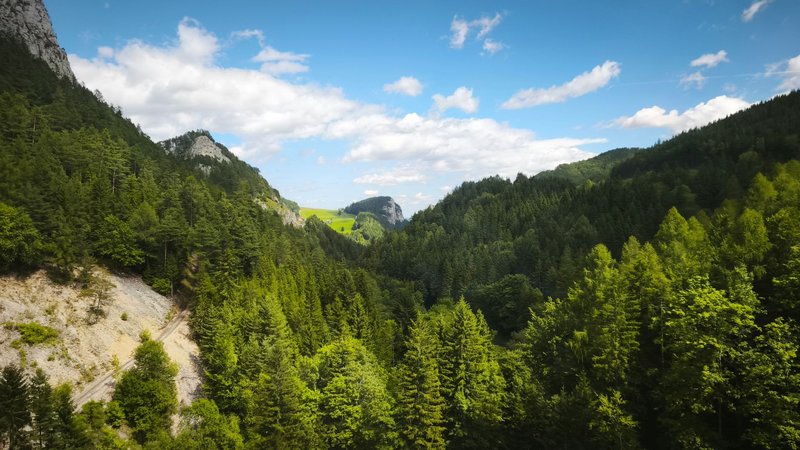
Three areas cover most of what a visiting birder wants.
Nino Konis Santana National Park. In the far eastern tip of the country, this is Timor-Leste’s only national park and its birding centerpiece. It protects a mix of lowland forest, coastline, and the Lake Iralalara wetland, which pulls in waterbirds you won’t find in the hills. The forest here is your best shot at the green pigeon and the harder forest endemics. It’s remote, and that remoteness is exactly why the habitat survives.
Mount Ramelau (Tatamailau). The country’s highest peak, roughly 2,986 meters, and the place to go for montane species that don’t come down to the lowlands. The drive up gains elevation fast, so you can bird through several habitat bands in a morning. Cooler air, different birds — the imperial pigeon and montane specialties live up here.
Lake Iralalara. Within the greater Nino Konis Santana area, this seasonal wetland is the wildcard. Water in a dry landscape concentrates birds, so it’s worth timing a visit for when the lake holds water rather than when it’s baked to cracked mud.
Beyond the marquee sites, the areas around Dili and the road corridors themselves are productive. Roadside scrub, rice paddies, and forest patches on the way to bigger destinations routinely produce the sparrow, friarbirds, and lorikeets. Don’t treat the transfers as dead time.
Best Time to Visit
The dry season, roughly May through October (into November), is the window. Timor-Leste has a sharp wet-dry split, and the wet season brings roads that turn to grief and trails that turn to soup. During the dry months the tracks to remote sites like Nino Konis Santana are passable, and the weather is stable enough to plan around.
There’s a birding logic to it too, beyond just access. In the dry season, water sources shrink and concentrate birds, and fruiting and flowering patterns bring pigeons and lorikeets to predictable trees. Peak dry — around June to September — is the sweet spot most trip reports aim for. If you can only go once, go then.
Guides, Access, and Practical Notes
Timor-Leste is not a plug-and-play birding destination, and that’s worth being honest about. Infrastructure is thin, English is not universal outside Dili, and the best sites are hours of rough road from the capital. This is an expedition, not a resort weekend.
A local guide is close to essential for the good sites — for the roads, the permissions, the language, and knowing which fruiting tree the green pigeons have been working this week. The birding-guide community is small but growing, often organized through Dili-based operators or specialist tour companies that run set-departure trips. Booking ahead matters more than it would in a country with a deep bench of guides.
Practical logistics:
- Getting in: Most visitors fly into Dili (Presidente Nicolau Lobato International Airport), usually via Bali or Darwin.
- Getting around: A 4WD with a driver is the standard setup for reaching the eastern parks and Mount Ramelau. Self-driving the remote routes is not for the faint-hearted.
- Pace: Build in buffer time. Transfers take longer than the map suggests, and the last stretch to Nino Konis Santana is slow going.
- Effort level: Moderate to demanding. You’ll be out early, on your feet, and sometimes on trails — but the marquee endemics don’t require technical hiking, just patience and time in the right habitat.
The reason the old-growth forest and the endemics persist is the same reason the trip is hard: the good habitat is where people and roads mostly aren’t.
Conservation and Responsible Birding
The pressures on Timor-Leste’s birds are the familiar ones, sharpened. Trapping for the pet trade has gutted cockatoo and songbird populations across Wallacea, and forest clearing for agriculture and firewood chips away at the habitat the endemics depend on. Species like the yellow-crested cockatoo are hanging on in fragments.
The upside is that birding tourism, done right, gives these birds economic value alive and wild — a working forest with cockatoos in it beats a cleared one. Hiring local guides, paying park access fees where they exist, and keeping a respectful distance from nesting and feeding birds all feed into that. BirdLife International and regional partners have flagged the country’s forests as priorities precisely because so much of what lives here lives nowhere else.
Timor-Leste rewards the birder willing to trade comfort for rarity. You won’t rack up a 300-species trip list. But you’ll see birds that a huge share of the world’s birders never will — because they can’t, because these birds only exist on one small, mountainous, half-forgotten island between two continents. That’s the trade. For a lot of people, it’s an easy one.