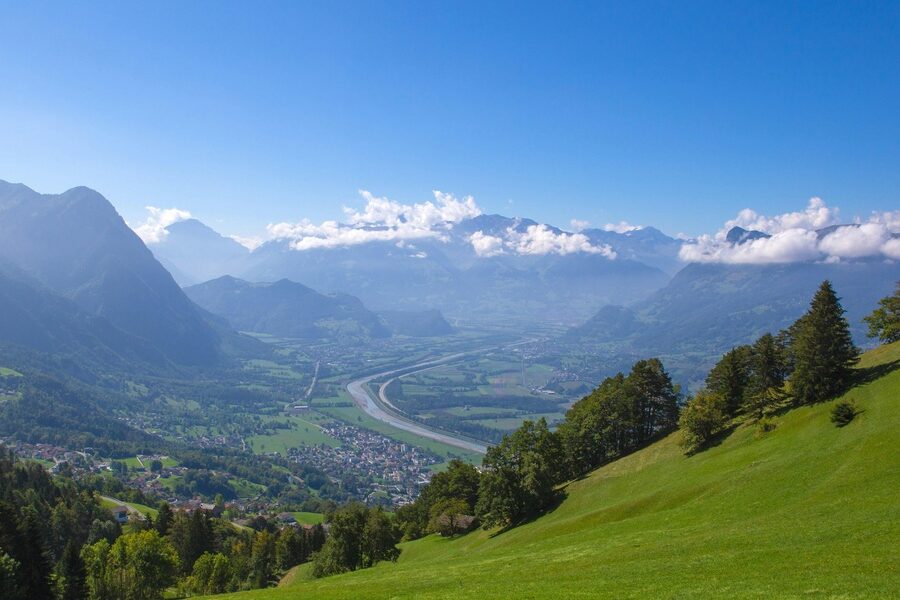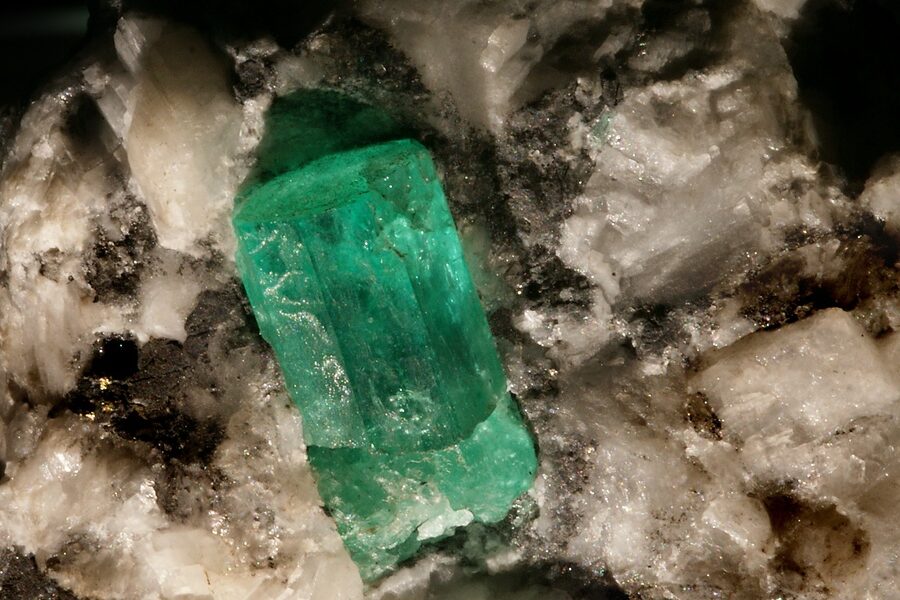
Yukon’s wide-open spaces — from braided rivers to glaciated peaks — shape livelihoods, travel and local economies. Rich ecosystems and exposed geology mean the territory supports fisheries, timber, hydropower potential and a long history of mining activity.
There are 18 Natural Resources in Yukon, ranging from Arctic char to Zinc. For each resource, you’ll find below entries organized by Type, Key locations (max 15 words), Typical scale or production (unit) so you can quickly compare fisheries, forestry, minerals and energy at a glance.
Which Yukon resources matter most to local communities?
Importance varies by community and season: freshwater fish like Arctic char support subsistence and local markets, forests provide timber and cultural uses, and minerals (including zinc) drive employment and regional investment. The list below shows both ecological and economic roles so you can see what matters where.
How current and reliable are the production and location details?
Entries use typical public sources (government reports, geological surveys, fisheries data) and present common units and scales; however, production and presence change over time. Use the summarized Type, Key locations and Typical scale or production (unit) below as a starting point, and check Yukon government or local Indigenous organizations for the latest figures.
Natural Resources in Yukon
| Resource | Type | Key locations (max 15 words) | Typical scale or production (unit) |
|---|---|---|---|
| Gold | metal | Klondike,Dawson,Fortymile,White Gold district,Mayo | varies (oz/year) |
| Silver | metal | Keno Hill,Keno-Nixon,Faro | varies (oz/year) |
| Lead | metal | Faro,Keno Hill | varies (tonnes/year) |
| Zinc | metal | Faro,Keno Hill | varies (tonnes/year) |
| Copper | metal | Minto mine,Mayo region,Casino area | varies (tonnes/year) |
| Molybdenum | metal | Casino porphyry prospect | varies (tonnes) |
| Sand and gravel | aggregate | River terraces,community quarries across Yukon | local consumption (m3/year) |
| Timber | forestry | Whitehorse area,Southern Yukon,Kluane region | varies (m3/year) |
| Surface freshwater | water | Yukon River,Teslin Lake,Tagish Lake | varies (m3/year) |
| Hydropower | energy | Whitehorse Rapids,Aishihik,Mayo facilities | varies (MW installed) |
| Geothermal (hot springs) | energy | Takhini Hot Springs,other thermal anomalies | low-medium potential (MW) |
| Peat | renewable | Lowland peatlands across Yukon | extensive area (km2) |
| Salmon | fish | Yukon River,Porcupine River,coastal drainages | 100,000-1,000,000 fish/year |
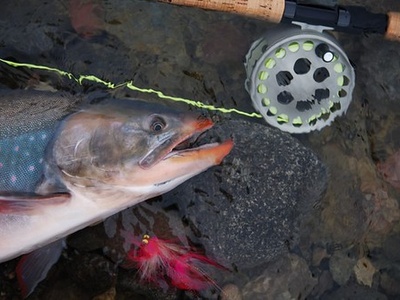
| Arctic char | fish | Northern and alpine lakes,rivers territory-wide | varies (kg/year) |
| Lake trout | fish | Teslin Lake,Kluane Lake,deep northern lakes | varies (kg/year) |
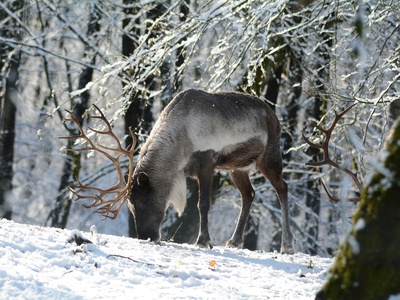
| Caribou | renewable | Porcupine herd,Southern Lakes herd ranges | 10,000-200,000 animals |
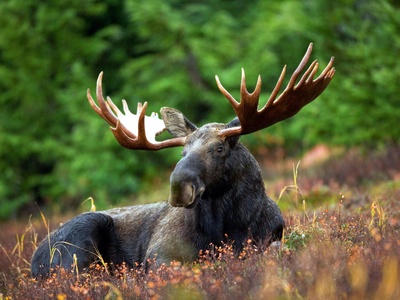
| Moose | renewable | Southern and central Yukon forests | 5,000-20,000 animals |
| Fur-bearing mammals | renewable | Widespread across Yukon forests and wetlands | varies (pelts/year) |
Images and Descriptions

Gold
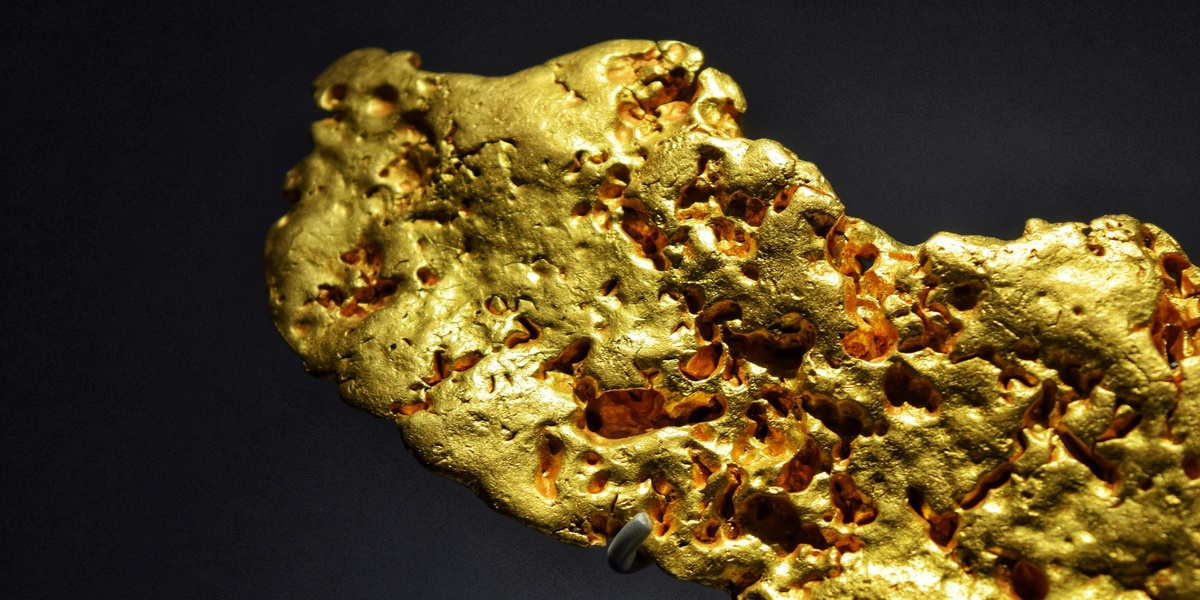
Gold occurs as placer deposits in Klondike and Fortymile and as lode deposits in White Gold and Mayo districts. It’s Yukon’s most famous resource, supporting historic and modern mining, tourism and local livelihoods via significant placer and hard-rock production.

Silver
Silver is mined mainly at Keno Hill and occurs with lead-zinc mineralization; it is often recovered as a byproduct of base-metal mines. Silver has historical importance for Yukon towns and remains an economic component of modern mining projects.

Lead
Lead is present in major deposits such as Faro and Keno Hill and is extracted alongside zinc and silver. It has been a cornerstone of Yukon’s mining economy, historically driving large-scale operations and local employment despite environmental remediation challenges.
Zinc
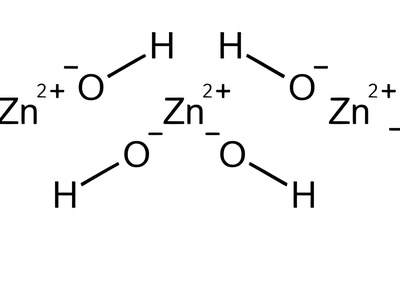
Zinc occurs in volcanogenic massive sulfide deposits such as Faro and in Keno Hill veins. It is a primary metal produced historically in large tonnes, critical for galvanizing and alloys and central to Yukon’s base-metal mining legacy.
Copper
Copper is mined at Minto and occurs in porphyry and skarn prospects such as Casino. It fuels electrical and construction industries worldwide; copper projects in Yukon are economically important for jobs, regional supply chains and exploration investment.
Molybdenum
Molybdenum appears with porphyry copper-gold deposits such as Casino and is used to strengthen steel. Its presence raises project economics, often recovered as a byproduct, and is of interest for large-scale metal-supply development in Yukon.

Sand and gravel
Sand and gravel deposits occur along river terraces and near communities, supplying construction and road-building material across Yukon. Local quarries and pits provide aggregate for infrastructure projects, reducing transport costs and supporting regional development needs.
Timber
Boreal forests of white and black spruce, aspen and willow provide Yukon timber used for local construction, fuel and small-scale industry. Forests support ecological functions, Indigenous uses and a modest forestry sector focused near Whitehorse and southern Yukon communities.
Surface freshwater
Freshwater from the Yukon River, Teslin Lake and other lakes and rivers supplies communities, supports fisheries, navigation and hydroelectric generation. Surface water is critical for ecosystems, Indigenous livelihoods and potential water-dependent economic activities across the territory.
Hydropower
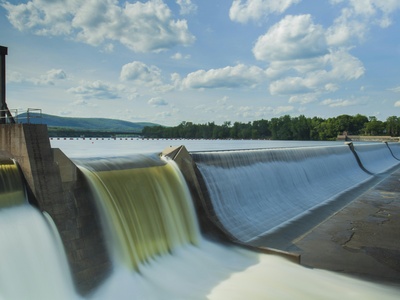
Hydropower in Yukon centers on facilities such as Whitehorse Rapids, Aishihik and Mayo, providing regional renewable electricity. Hydro supports communities and industrial loads, reduces reliance on diesel, and plays a central role in territorial energy planning and resource development.
Geothermal (hot springs)
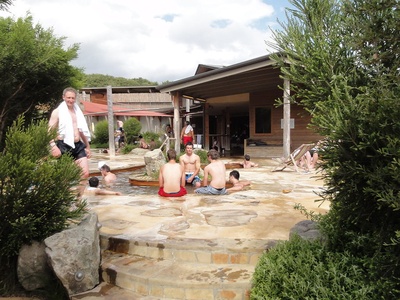
Geothermal potential near hot springs like Takhini offers local heating and small-scale energy possibilities. While not yet widely developed, geothermal sites represent renewable heat and low-temperature power options for remote communities and future northern energy projects.
Peat
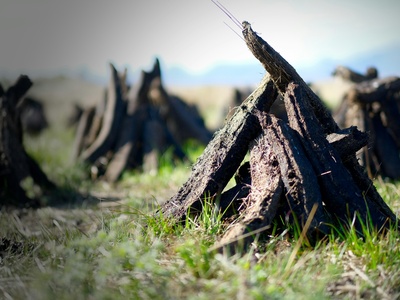
Peatlands are extensive in Yukon lowlands, storing carbon and sustaining wetland biodiversity. Peat provides local uses for horticulture and traditional practices while representing an important ecological carbon sink and a potential, but sensitive, resource for small-scale extraction.
Salmon
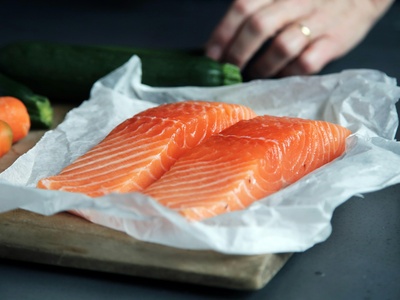
Pacific salmon—chinook, chum, coho and sockeye—run in the Yukon River and tributaries, underpinning Indigenous food systems, commercial and sport fisheries. Salmon are culturally vital and economically important, with annual runs ranging widely depending on ocean and river conditions.
Arctic char
Arctic char inhabit Yukon lakes and rivers and are central to subsistence and recreational fisheries in many communities. They thrive in cold waters, contribute to local food security and attract anglers, though sensitive to warming and habitat changes.

Lake trout
Lake trout occupy deep Yukon lakes such as Teslin and Kluane and are prized by anglers. Their longevity and top-predator role make them important for ecosystem balance and local recreational tourism, contributing to rural economies.
Caribou
Caribou herds such as the Porcupine and Southern Lakes traverse vast Yukon ranges, providing food, cultural value and economic benefits through subsistence harvests and wildlife tourism. Their migrations require landscape-scale habitat management and Indigenous stewardship.
Moose
Moose occur widely in southern and central Yukon, supporting subsistence harvesting, sport hunting and local meat supplies. They influence forest dynamics and are integral to local food systems and rural economies where regulated harvests occur.

Fur-bearing mammals
Marten, beaver, fox and other fur-bearing mammals are widespread in Yukon and have long supported trapping livelihoods. Fur resources contribute to cultural practices and small-scale economies and are managed to maintain sustainable populations and ecosystem health.