Brazil’s landscape stretches from the Amazon basin to the coastal plains, and that geography drives a rich mix of minerals, timber, agricultural outputs and energy sources. Understanding where resources are concentrated helps make sense of regional economies, infrastructure and export patterns across the country.
There are 33 Natural Resources of Brazil, ranging from Bauxite (aluminum ore) to Wind resource (renewable energy). For each entry, the list below is organized into three columns: Category, Main regions, Reserves/production (latest, unit), so you can quickly compare type, location and scale—you’ll find below.
Which Brazilian resources matter most for exports and the economy?
Iron ore, soybeans, crude oil and poultry/ beef lead exports, while bauxite, nickel and timber support industries and regional jobs; renewable resources like hydro and wind are growing in domestic energy importance. Look at the Main regions column below to see where production clusters and how that links to ports and supply chains.
How recent and reliable are the reserves/production figures in the list?
Figures reflect the latest published estimates from government agencies and international bodies (mining and energy ministries, IBGE, USGS, IEA) where available; each row’s Reserves/production (latest, unit) notes the reporting year or source so you can assess timeliness.
Natural Resources of Brazil
| Resource | Category | Main regions | Reserves/production (latest, unit) |
|---|---|---|---|
| Iron ore | Mineral | Minas Gerais (Quadrilátero Ferrífero), Pará (Carajás), Mato Grosso do Sul | 350,000,000 t (2023) |
| Niobium | Mineral | Minas Gerais (Araxá, Catalão), Goiás | 90,000 t Nb content (2022) |
| Bauxite (aluminum ore) | Mineral | Pará, Maranhão, Amapá, Minas Gerais | 85,000,000 t (2022) |
| Gold | Mineral | Amapá, Pará, Minas Gerais, Rondônia | 90 t (2022) |
| Copper | Mineral | Pará (Carajás), Goiás, Bahia, Amazonas | 600,000 t (2022) |
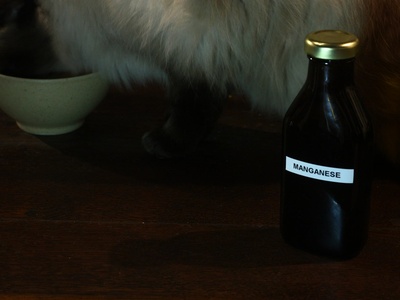
| Manganese | Mineral | Pará, Mato Grosso | 2,500,000 t (2022) |
| Nickel | Mineral | Pará, Goiás, Minas Gerais | 80,000 t (2022) |
| Tin | Mineral | Rondônia, Pará, Amazonas | 12,000 t (2022) |
| Lithium | Mineral | Minas Gerais, Ceará, Amazonas (hard-rock and brines) | 1,200,000 t lithium-bearing minerals (resources, 2022) |
| Graphite | Mineral | Minas Gerais, Bahia | 60,000 t (2022) |
| Phosphate rock | Mineral | Pará, Goiás, Minas Gerais | 5,000,000 t (2022) |
| Kaolin (industrial clay) | Mineral | Pará, Amazonas, Minas Gerais | 1,200,000 t (2022) |
| Gemstones (tourmaline, aquamarine, emerald) | Mineral | Minas Gerais, Paraíba, Bahia | Artisanal-to-commercial production (varies yearly, 2022) |
| Diamonds | Mineral | Minas Gerais, Mato Grosso, Pará | Artisanal and small-scale production (tonnes vary yearly, 2022) |
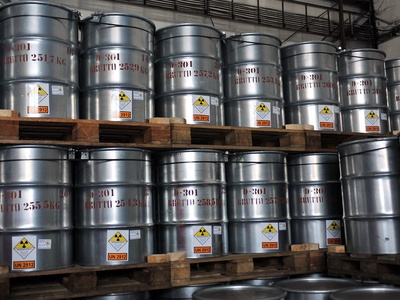
| Uranium | Energy | Bahia (Caetité/Lagoa Real), Ceará | Reserves ~276,000 t U (est., 2020) |
| Coal | Energy | Rio Grande do Sul, Santa Catarina | 4,000,000 t (2022) |
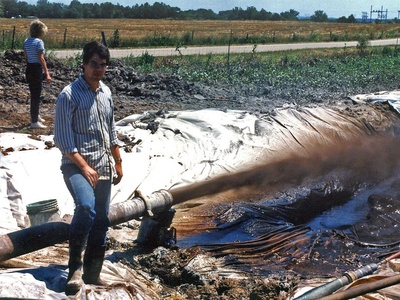
| Crude oil (petroleum) | Energy | Offshore Campos, Santos, Espírito Santo basins (pre-salt) | 3,000,000 barrels/day (2023) |
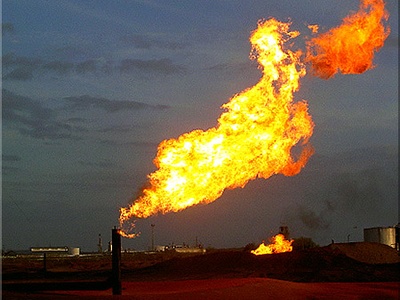
| Natural gas | Energy | Offshore pre-salt (Santos, Campos), onshore basins | 42,000,000,000 m3 (2023) |
| Hydropower (water resource) | Energy | Amazon, Tocantins, Paraná, São Francisco basins | 109,000 MW installed (2022) |
| Wind resource (renewable energy) | Energy | Northeast (Piauí, Ceará, Bahia), southern coast | 22,000 MW installed capacity (2023) |
| Solar resource (renewable energy) | Energy | Northeast, Southeast, Central-West | 21,000 MW installed capacity (2023) |
| Sugarcane (biomass/food) | Agriculture | São Paulo, Mato Grosso, Goiás, Paraná | 600,000,000 t sugarcane (2022) |
| Soybeans | Agriculture | Mato Grosso, Paraná, Rio Grande do Sul, Goiás | 154,000,000 t (2022/23) |
| Coffee | Agriculture | Minas Gerais, Espírito Santo, São Paulo, Bahia | 3,300,000 t green beans (2022/23) |
| Cattle (beef/livestock) | Agriculture | Mato Grosso, Goiás, Minas Gerais, Pará | Herd ~215,000,000 head (2022) |
| Maize (corn) | Agriculture | Mato Grosso, Paraná, Goiás, Rio Grande do Sul | 124,000,000 t (2022/23) |
| Oranges (citrus) | Agriculture | São Paulo, Minas Gerais, Paraná | 17,000,000 t (2022) |
| Cocoa | Agriculture | Pará, Bahia, Espírito Santo | 270,000 t (2022) |
| Timber (native forest products) | Forest | Amazon, Pará, Amazonas, Mato Grosso | Standing forest area Amazon biome ~4,196,000 km2 (area, 2020) |
| Planted forests (eucalyptus, pine) | Forest | São Paulo, Minas Gerais, Paraná, Bahia | Forest plantations ~9,000,000 ha (2020) |
| Freshwater resources (rivers, aquifers) | Water/Fish | Amazon Basin, Tocantins–Araguaia, São Francisco | Renewable water resources ~8,233 km3/year (FAO est., 2020) |
| Marine fisheries | Water/Fish | Coastal states (Southeast, Northeast, South) | Capture fisheries ~600,000 t/year (2022) |
| Biodiversity (species richness) | Biodiversity | Amazon, Atlantic Forest, Cerrado, Pantanal | >100,000 described species (national estimates, 2020) |
Images and Descriptions
Iron ore
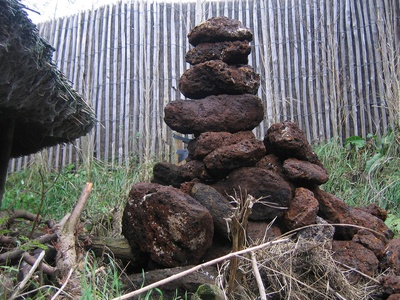
Brazil is a top global iron ore producer; ore feeds steelmaking and export markets. Large Carajás and Minas deposits underpin industry growth; mining raises environmental concerns over land use, water and tailings management.

Niobium
Brazil supplies the bulk of the world’s niobium used in high-strength steels and superalloys. Extremely important for aerospace and infrastructure; concentrated deposits make it strategic, while mining impacts local ecosystems and requires rehabilitation.
Bauxite (aluminum ore)
Bauxite is the raw ore for aluminum production; Brazil is a major producer supplying domestic smelters and exports. Extraction affects forests and watersheds, so rehabilitation and low-impact logistics are key sustainability challenges.
Gold
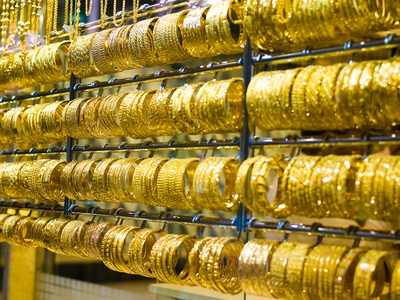
Gold is mined in alluvial and hard-rock deposits across the north and southeast. Important for exports and artisanal livelihoods; small-scale mining, especially in the Amazon, raises mercury pollution and deforestation concerns.
Copper
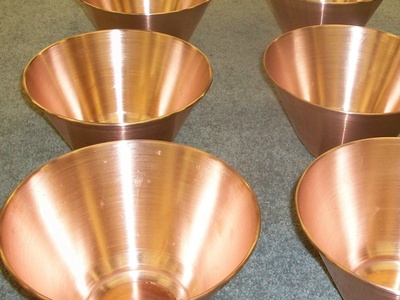
Copper is essential for electrification and industry; Brazil’s copper mines support domestic processing and exports. Growing demand for clean-energy infrastructure increases its value; mining must manage waste and water impacts.
Manganese
Manganese is vital for steelmaking and alloy production. Brazil’s sizable manganese output supports heavy industry; open-pit operations have landscape and water quality impacts requiring careful management.
Nickel
Nickel is used in stainless steel and batteries; Brazilian deposits are moderate but strategically important as battery demand increases. Extraction can be energy- and water-intensive, with local ecological risks if not managed.
Tin
Tin comes from alluvial and hard-rock deposits; used in solder, electronics and alloys. Artisanal and small-scale mining in the Amazon has social and environmental impacts, including mercury contamination.

Lithium
Growing lithium resources support battery supply chains for electric vehicles and storage. Brazil’s hard-rock deposits and evolving projects make it an emerging player; sustainable mining and water use are critical.
Graphite
Graphite is used in batteries, refractory materials and pencils. Brazil’s natural graphite supports industrial and battery markets; mining impacts are local but demand for battery-grade material is rising.
Phosphate rock
Phosphate rock supplies fertilizers critical for agriculture. Domestic deposits reduce import dependence; large-scale extraction must balance soil, water quality and landscape impacts.
Kaolin (industrial clay)
Kaolin is a white clay used in paper, ceramics and cosmetics. Brazil’s deposits support industries domestically and for export; mining sites need land rehabilitation and sediment control.
Gemstones (tourmaline, aquamarine, emerald)
Brazil is famous for gem-quality tourmaline (Paraíba), aquamarine and emeralds. These high-value, often artisanal resources contribute to local economies; responsible extraction and traceability are sustainability focuses.

Diamonds
Brazil has historic and modern diamond deposits, mostly artisanal. Diamonds contribute to local livelihoods; governance and environmental controls aim to reduce illegal mining impacts.
Uranium
Brazil has uranium resources used for nuclear fuel; reserves support national energy strategy. Mining and processing require strict radiological safety and environmental safeguards.
Coal
Brazil’s coal (bituminous and sub-bituminous) is used in power generation and industry, mainly in the south. Domestic coal is limited and carbon-intensive, prompting shifts toward cleaner alternatives.
Crude oil (petroleum)
Brazil is a major oil producer with large offshore pre-salt fields driving exports and energy security. Offshore operations have high investment and environmental risk profiles, requiring strict spill prevention.
Natural gas
Natural gas supports power generation, industry and petrochemicals. Growing domestic production from offshore fields improves energy mix flexibility; infrastructure and methane emission controls are priorities.
Hydropower (water resource)
Hydropower is Brazil’s dominant electricity source, with huge dams like Itaipu and Belo Monte. It provides low-carbon power but large reservoirs affect ecosystems, Indigenous lands and river dynamics.
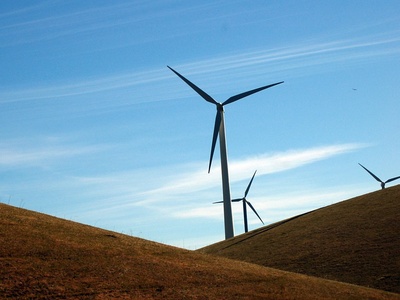
Wind resource (renewable energy)
Strong coastal and inland winds make Brazil a leading wind power market. Wind farms provide clean energy and regional jobs; siting must consider land use and local community impacts.
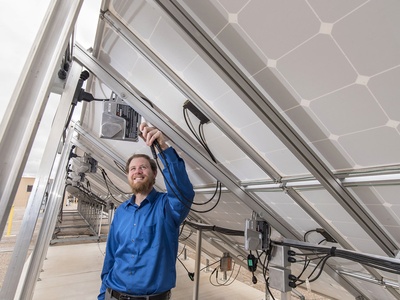
Solar resource (renewable energy)
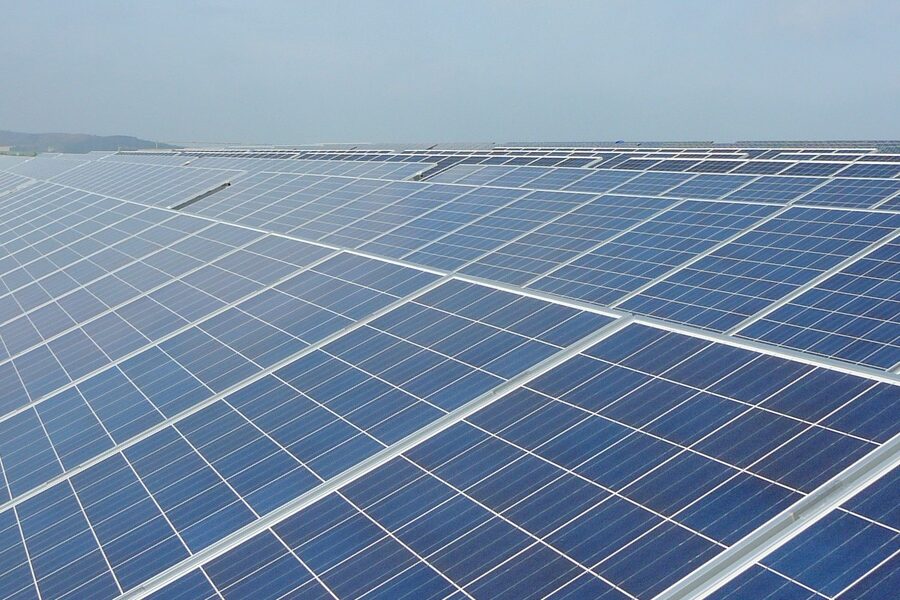
High solar irradiance across Brazil supports rapid growth in solar PV for distributed and utility-scale generation. Solar reduces emissions but requires land-use planning and grid integration.
Sugarcane (biomass/food)
Sugarcane is central to Brazil’s sugar and ethanol industries and rural livelihoods. It powers biofuels and renewable energy; monoculture expansion can impact soil, water and biodiversity if not managed sustainably.
Soybeans
Soy is Brazil’s top agricultural export, used for animal feed and oil. Large-scale soybean farming drives economic growth but is linked to land-use change, deforestation and social issues when expansion is unmanaged.

Coffee
Brazil is the world’s largest coffee producer, with vast plantations supplying global markets. Coffee supports rural economies; climate change and deforestation pose risks to long-term yields and quality.
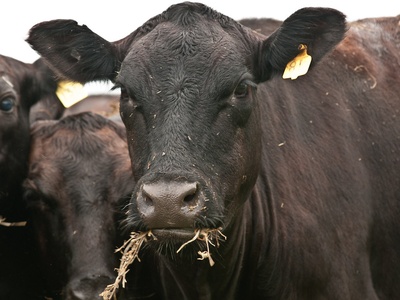
Cattle (beef/livestock)
Brazil has one of the world’s largest cattle herds, driving beef exports and domestic supply. Cattle ranching shapes land use and has been linked to deforestation and greenhouse gas emissions; sustainable ranching practices are growing.
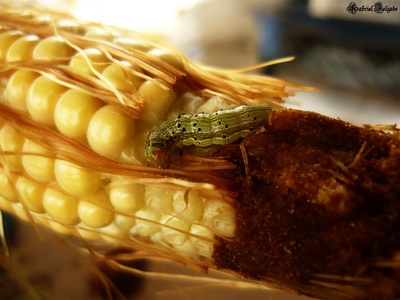
Maize (corn)
Corn is a major feed and food crop supporting livestock and bioindustry. High yields and export volumes make it economically vital; soil management and crop rotation affect sustainability.
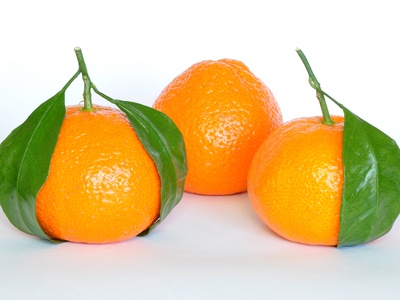
Oranges (citrus)
Brazil is a leading orange and orange-juice producer, centered in São Paulo. Citrus supports agroindustry and exports; disease control and irrigation management are important for productivity and environmental footprint.
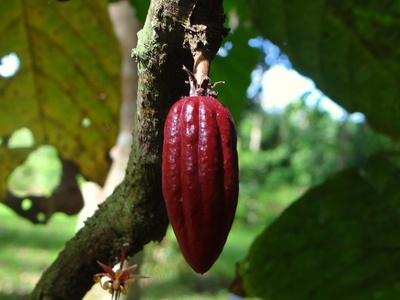
Cocoa
Cocoa supports regional economies and chocolate supply chains. Amazon and Bahia cocoa are notable; sustainable practices and forest-friendly cultivation help preserve biodiversity and producer incomes.
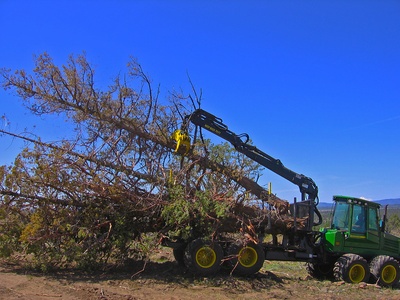
Timber (native forest products)
Brazil’s native forests provide timber, non-timber products and ecosystem services. Sustainable management and legal frameworks aim to balance commercial use with conservation of biodiversity and Indigenous territories.
Planted forests (eucalyptus, pine)
Commercial plantations supply pulp, paper and timber markets, reducing pressure on native forests. Eucalyptus and pine are fast-growing but affect water and local ecosystems; certification improves sustainability.
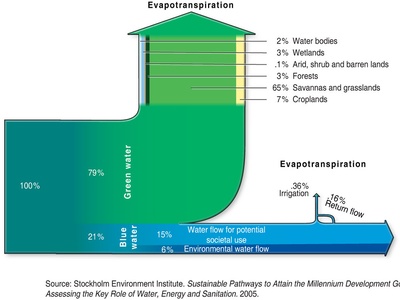
Freshwater resources (rivers, aquifers)
Brazil hosts one of the world’s largest renewable freshwater endowments, vital for ecosystems, agriculture, cities and hydropower. Water quality and equitable access are growing management challenges amid development and climate pressures.
Marine fisheries
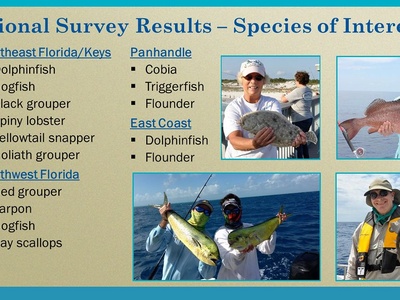
Brazil’s coastal waters support artisanal and industrial fisheries for species like sardine, shrimp and tuna. Fisheries are important for food security and coastal livelihoods; overfishing and habitat loss require better management.
Biodiversity (species richness)
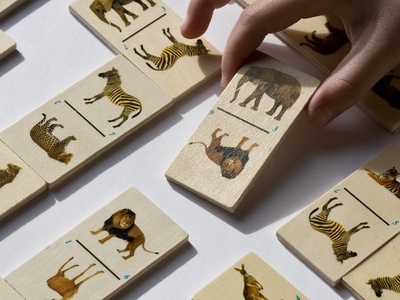
Brazil is one of the world’s most biodiverse countries, home to vast numbers of plants and animals. Biodiversity underpins ecosystem services and cultural value; protecting it requires habitat conservation and sustainable land-use policies.