Fluorspar underpins many industrial processes—from steel and aluminum production to fluorochemicals—so where it’s mined matters for trade, local jobs and supply chains. Mines range from small, locally focused pits to large-scale operations that ship worldwide, shaping regional economies and export patterns.
There are 20 Fluorspar-Producing Countries, ranging from Argentina to Vietnam. For each, you’ll find below data organized with Flag,Annual production (t),Main mines/regions so you can quickly compare who produces how much, where the major deposits are, and the scale of operations you’ll find below.
Which countries currently produce the most fluorspar?
Top producers typically include China, Mexico, South Africa, Mongolia and Morocco, though rankings shift with new projects and market demand. These countries lead because of large, accessible deposits and developed mining infrastructure; national reporting and company disclosures provide the annual tonnage figures used in comparison.
How should I interpret the annual production (t) figures?
Annual production is reported in metric tonnes and reflects what was mined and processed that year, not total reserves or ore grade. Numbers can vary due to market prices, temporary shutdowns, and reporting methods, so use the production column to gauge current output, and the mines/regions column to assess longer-term supply potential.
Fluorspar-Producing Countries
| Country | Flag | Annual production (t) | Main mines/regions |
|---|---|---|---|
| China | 🇨🇳 | 3,300,000 | Hunan, Jiangxi, Guangxi, Inner Mongolia |
| Mexico | 🇲🇽 | 1,050,000 | San Luis Potosí, Coahuila, Durango regions |
| Mongolia | 🇲🇳 | 500,000 | Dornogovi, Umnugobi, Zavkhan regions |
| South Africa | 🇿🇦 | 350,000 | Limpopo, North West, Western Cape |
| Russia | 🇷🇺 | 300,000 | Kola Peninsula, Dalnegorsk, Siberian deposits |
| Spain | 🇪🇸 | 250,000 | Asturias, León, Cantabria basins |
| Namibia | 🇳🇦 | 210,000 | Brandberg, Okorusu, Erongo region |
| Vietnam | 🇻🇳 | 200,000 | Thai Nguyen, Bac Kan, Thanh Hoa provinces |
| Morocco | 🇲🇦 | 180,000 | Atlas Mountains, Meknès, Béni Mellal regions |
| Kenya | 🇰🇪 | 120,000 | Kerio Valley, Elgeyo-Marakwet region |
| India | 🇮🇳 | 115,000 | Andhra Pradesh, Karnataka, Rajasthan areas |
| Peru | 🇵🇪 | 80,000 | Ayacucho, Lima highlands |
| Thailand | 🇹🇭 | 75,000 | Northern provinces (Chiang Mai, Lampang) |
| Kyrgyzstan | 🇰🇬 | 60,000 | Issyk-Kul and eastern deposits |
| Turkey | 🇹🇷 | 55,000 | Central Anatolia, Eastern provinces |
| Iran | 🇮🇷 | 50,000 | Zagros Mountains, Central provinces |
| Italy | 🇮🇹 | 45,000 | Alps, Sardinia quarries |
| Kazakhstan | 🇰🇿 | 40,000 | Karaganda, East Kazakhstan |
| United Kingdom | 🇬🇧 | 25,000 | Derbyshire, Cumbria, Northumberland |
| Argentina | 🇦🇷 | 20,000 | San Luis, La Rioja provinces |
Images and Descriptions

China
China is the world’s dominant fluorspar miner, supplying raw material for hydrofluoric acid and metallurgical uses. Large, diverse deposits support stable export and domestic chemical industries, shaping global prices and downstream supply chains.

Mexico
Mexico is a major high-quality fluorspar producer with several large open-pit operations. Exports many concentrates to the U.S., Europe, and Asia and supplies local acid producers; production has grown with investments and stable domestic demand.
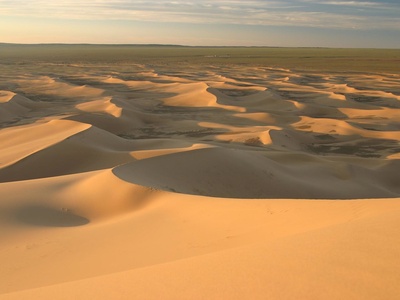
Mongolia
Mongolia has expanded fluorspar output in recent years from multiple districts, supplying China and international markets. Its mines produce both metallurgical and acid-grade material, increasingly important as alternative non-Chinese supply.
South Africa
South Africa is a leading African fluorspar producer with both open-pit and underground operations. It supplies regional smelters and exports to Europe and Asia, and plays an important role in global metallurgical fluorspar markets.
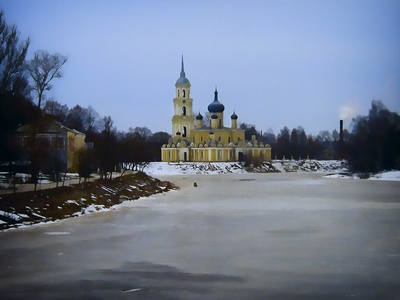
Russia
Russia produces substantial fluorspar from varied deposits in European and Siberian provinces. Supplies domestic chemical and metallurgical sectors and exports to neighboring countries, contributing to regional self-sufficiency.
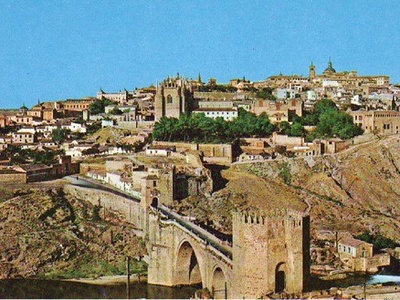
Spain
Spain’s established mining districts produce acid- and ceramic-grade fluorspar. Longstanding quarries in the north supply European industry and maintain Spain’s role as a stable regional supplier for specialty markets.
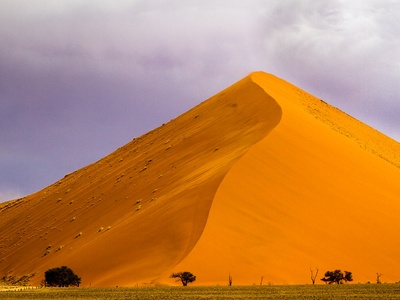
Namibia
Namibia has become a notable African producer; mines like Okorusu supply optical, acid, and metallurgical markets. Proximity to European markets and stable geology make it an attractive non-Chinese source.
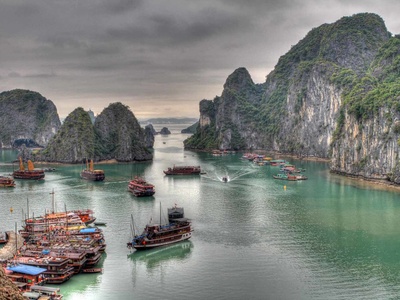
Vietnam
Vietnam’s fluorspar production serves domestic chemical manufacturing and exports to Asia. Multiple mid-sized mines provide sufficient concentrate for local HF acid and ceramic industries, with growth tied to infrastructure investment.

Morocco
Morocco produces quality fluorspar from several Atlas Mountain deposits. It supplies European and African customers and supports local fertilizer and chemical sectors, reinforcing North Africa’s mining portfolio.
Kenya
Kenya’s fluorspar mining has grown in recent years, producing concentrate for export mainly to Asia and Europe. Developments in the Rift Valley have established Kenya as an emerging African supplier.
India
India’s fluorspar output is moderate and aimed at domestic chemical and metallurgical needs. The country relies on a mix of local mines and imports to meet industrial demand for phosphate processing and fluorochemicals.
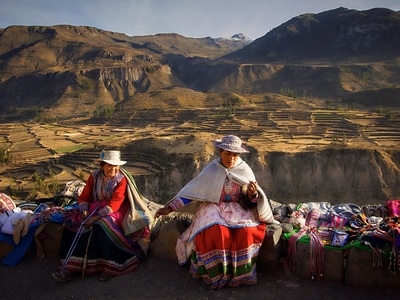
Peru
Peru produces moderate quantities of fluorspar from Andean districts, serving local metallurgy and export markets. Production fluctuates with commodity cycles but remains a reliable South American source.
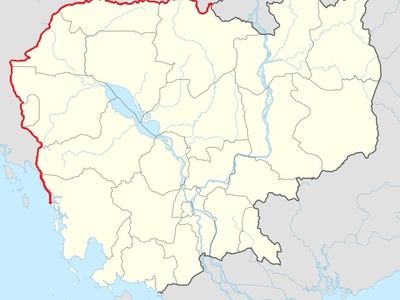
Thailand
Thailand supplies Southeast Asian markets with ceramic- and acid-grade fluorspar from several northern mines. Output supports regional ceramics and chemical industries and occasional exports beyond ASEAN.

Kyrgyzstan
Kyrgyzstan produces modest fluorspar from mountainous deposits, primarily for regional industrial users. Small- to medium-scale operations supply neighboring countries and contribute to regional mineral diversity.
Turkey
Turkey’s fluorspar mining serves domestic chemical and metallurgical needs and some exports. Multiple district operations produce concentrate for local HF acid plants and regional customers in Europe and the Middle East.
Iran
Iran mines fluorspar for its domestic chemical industries and some exports. Deposits in the Zagros and central regions provide material for local acid and metallurgical uses amid sanctions-driven import substitution.
Italy
Italy maintains small but active fluorspar production from alpine and Sardinian deposits. Local output supports ceramics and specialty chemical sectors, with some material moving into nearby European markets.
Kazakhstan
Kazakhstan produces fluorspar from several Central Asian deposits for domestic metallurgy and chemical processing. Output is modest but important for regional industrial supply chains and occasional exports to Russia and China.

United Kingdom
The UK has small-scale fluorspar production from historic districts, supplying niche markets including collectors and specialty ceramics. Output is limited but continuous in some long-standing quarries.
Argentina
Argentina’s fluorspar production is modest and serves local industrial needs and occasional exports. Smaller operations in the Andes produce concentrate for regional metallurgical and chemical customers.