Chemical engineering is being pulled in two directions at once. Decarbonization pressure wants plants that run on electricity, recycled carbon and renewable feedstocks. Digitalization wants plants that think. The future trends in chemical engineering all sit somewhere along those two forces, and they don’t mature at the same speed. Some are in operation today. Others are a 2035 conversation.
This list sorts them by what’s real now and what still needs a miracle, with a plain definition, one concrete example and a “what it means for engineers” line for each.
TLDR: The Eight Trends at a Glance
- AI and digital twins run on plants today and are the fastest-moving trend on the list.
- Process intensification shrinks equipment and energy use, and it’s already proven in specific processes.
- Electrification of heat replaces gas-fired furnaces with electric ones. Demonstration plants are running.
- Clean hydrogen is essential for ammonia and refining, but cost and project cancellations are slowing it.
- Carbon capture and utilization works technically. Scale and economics are the problem.
- Circular chemistry and chemical recycling turns waste plastic back into feedstock, with real plants and real accounting disputes.
- Bio-based feedstocks and biomanufacturing replace petroleum with fermentation, held back by scale-up.
- Advanced materials such as MOFs, membranes and new catalysts make the other seven cheaper.
Table of Contents
- Quick Comparison: Maturity and Timelines
- 1. AI and Digital Twins
- 2. Process Intensification
- 3. Electrification of Process Heat
- 4. Clean Hydrogen
- 5. Carbon Capture and Utilization
- 6. Circular Chemistry and Chemical Recycling
- 7. Bio-Based Feedstocks and Biomanufacturing
- 8. Advanced Materials
- Skills to Build for the Future of Chemical Engineering
Quick Comparison: Maturity and Timelines
| Trend | Maturity today | Realistic timeline | Skills that matter most |
|---|---|---|---|
| AI and digital twins | Commercial, spreading fast | Now to 2030 | Python, process modeling, data quality |
| Process intensification | Proven in niche processes | Now to 2035 | Thermodynamics, reactor design, control |
| Electrification of heat | Pilot and demonstration | 2028 to 2040 | Heat integration, power systems |
| Clean hydrogen | Early commercial, struggling on cost | 2030 to 2040 | Electrochemistry, safety, techno-economics |
| Carbon capture and utilization | Capture proven, utilization limited | 2030 to 2045 | Separations, life-cycle analysis |
| Chemical recycling | First commercial plants | 2027 to 2040 | Polymer chemistry, catalysis, feedstock logistics |
| Biomanufacturing | Strong in niches, weak at commodity scale | 2028 to 2040 | Bioreactor design, downstream separation |
| Advanced materials | Lab to early industrial | 2030 and beyond | Materials characterization, scale-up |
1. AI and Digital Twins
What it is. A digital twin is a live model of a plant, built from first-principles equations (mass and energy balances, kinetics, thermodynamics) and continuously corrected with sensor data. Machine learning sits on top of it, or sometimes replaces parts of it, to predict what the plant will do next.
Example. A “soft sensor” is the cleanest case. A distillation column’s product purity might be measured by a lab sample every few hours. A model trained on temperature, pressure and flow data estimates that purity every few seconds, so operators correct drift before off-spec product builds up. The same idea powers predictive maintenance on compressors and pumps, and operator training simulators that behave like the real unit.
AI-enabled workflows were one of the headline themes at the 2026 AIChE Spring Meeting, alongside hydrogen safety and electrification. That pairing is not an accident. Safety-critical plants are exactly where a confident wrong answer from a language model costs the most, so the useful deployments keep a human in the loop and keep the physics in the model.
The catch. Plant data is messy. Sensors drift, historians have gaps, and a model trained on two years of steady operation fails the first time feedstock changes. Most failed digital twin projects fail on data, not algorithms.
What it means for chemical engineers. The engineers who can both read a P&ID and write Python are the ones who get to decide what the model is allowed to do. Process knowledge is the scarce half of that pair.
2. Process Intensification
What it is. Process intensification means doing the same chemistry in much smaller, simpler equipment, usually by combining steps that used to be separate. Reaction and separation in one vessel. Heat exchange built into the reactor. Rotating or microchannel devices that cut mixing and heat-transfer distances from meters to millimeters.
Example. The textbook case is reactive distillation for methyl acetate, developed at Eastman. A conventional flowsheet used a reactor, several columns and a long list of recycle streams. The intensified version does the reaction and the separation inside a single column, which cut equipment count and energy use dramatically. Dividing-wall columns are the more common everyday example: one shell does the work of two columns and typically saves a large share of the energy.
The motivation is bigger than any single plant. Chemical separations such as distillation account for roughly 10 to 15 percent of the world’s energy consumption, according to a widely cited analysis in Nature. Shrink that, and every other trend on this list gets easier.
The catch. Plants are 30-year assets. A smaller reactor with tighter integration is also harder to control, harder to start up and harder to retrofit. Intensification mostly shows up in new builds and in expansions where the old design is already being replaced.
What it means for chemical engineers. This is the trend where classic unit-operations skill pays off most. Understanding why a column behaves the way it does is what lets you fold it into something else.
3. Electrification of Process Heat
What it is. A large share of industrial energy is heat, and most of that heat comes from burning natural gas. Electrification replaces fired furnaces and boilers with electric resistance heaters, industrial heat pumps and, further out, other electric heating methods.
Example. Steam crackers heat hydrocarbons to around 850 degrees Celsius in gas-fired furnaces, and those furnaces are among the biggest CO2 sources in the chemical industry. BASF, SABIC and Linde built a demonstration electrically heated cracker furnace at BASF’s Ludwigshafen site that started up in 2024, with the aim of cutting furnace emissions by 90 percent or more when it runs on renewable power. Heat pumps cover the lower end of the temperature range, where they can deliver several units of heat for each unit of electricity.
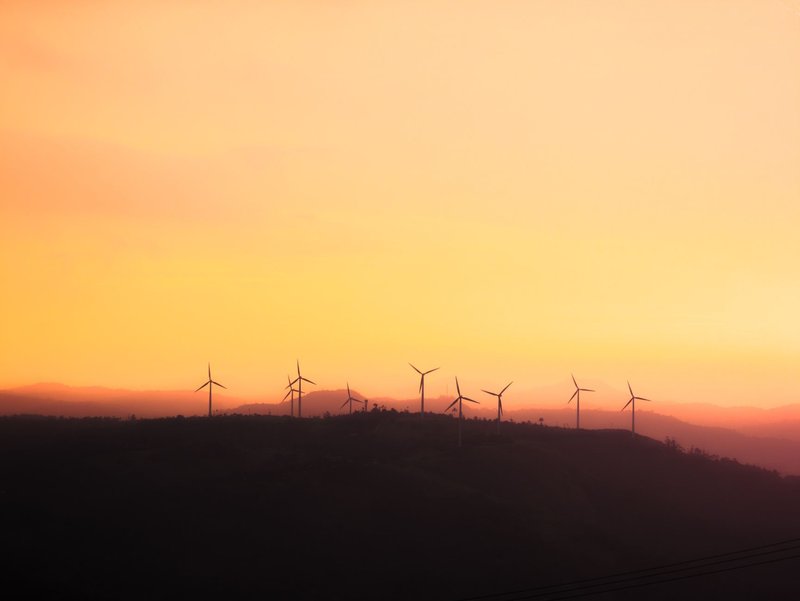
The catch. Electricity is usually more expensive per unit of heat than gas, and a big cracker needs a grid connection the size of a small city. Electrification only makes sense where clean power is cheap and available, which is why the first projects cluster in places with strong renewable supply.
What it means for chemical engineers. Heat integration moves from a plant-level problem to a grid-level one. You’ll need to know when to buy power, when to store heat and how a plant behaves when its energy supply is variable.
4. Clean Hydrogen
What it is. Hydrogen made without large CO2 emissions: either electrolysis of water using renewable power (“green”), or natural gas reforming with carbon capture (“blue”).
Example. The chemical industry already runs on hydrogen. The International Energy Agency’s Global Hydrogen Review puts global demand at about 97 million tonnes in 2023, almost all used in refining and industry, and less than 1 percent of it low-emissions. Ammonia and methanol plants are the most obvious places to swap fossil hydrogen for clean hydrogen without redesigning the downstream process.
The catch. Green hydrogen is expensive, and a long list of announced projects has been delayed, downsized or cancelled as costs and demand failed to line up. Hydrogen is also a safety problem of its own: it leaks through tiny gaps, burns with a nearly invisible flame and embrittles some steels. That’s why hydrogen safety showed up on the AIChE conference agenda next to the technology itself.
What it means for chemical engineers. Electrolyzer design, hydrogen storage and handling, and the economics of when green beats blue are all open jobs. If you like electrochemistry, this is the strongest growth bet on the list, though on a slower timeline than the announcements suggest.
5. Carbon Capture and Utilization
What it is. Pulling CO2 out of flue gas or directly from air, then either storing it underground or converting it into products such as methanol, synthetic fuels or building materials.
Example. Climeworks’ Mammoth plant in Iceland, the largest direct air capture plant when it opened in 2024, is designed to capture about 36,000 tonnes of CO2 per year. Global energy-related CO2 emissions run at roughly 37 billion tonnes per year. Mammoth’s design capacity is about one millionth of that. Point-source capture at power and industrial plants is far more mature and cheaper per tonne, and the IEA’s CCUS overview tracks the pipeline of projects in operation and development.
The catch. Capture is an energy-hungry separation problem. Utilization, meanwhile, tends to lock carbon away for months or years, not centuries, so it only counts as a climate tool in specific cases. Storage does the real work, and storage needs geology, permits and pipelines.
What it means for chemical engineers. Capture is a gas separation problem, and gas separation is chemical engineering’s home turf. Sorbent selection, heat integration and solvent degradation are the details that decide whether a capture plant costs 30 percent more or less than planned.
6. Circular Chemistry and Chemical Recycling
What it is. Mechanical recycling melts and reshapes plastic, and quality drops every cycle. Chemical recycling breaks polymers back down to monomers or oil-like feedstocks, which can be rebuilt into virgin-quality material.
Example. Eastman’s Kingsport, Tennessee facility uses methanolysis to depolymerize polyester waste, including colored and mixed PET that mechanical recycling rejects, back into its building blocks. Pyrolysis, the other main route, cracks mixed polyolefins into a naphtha-like oil that can feed a conventional cracker.
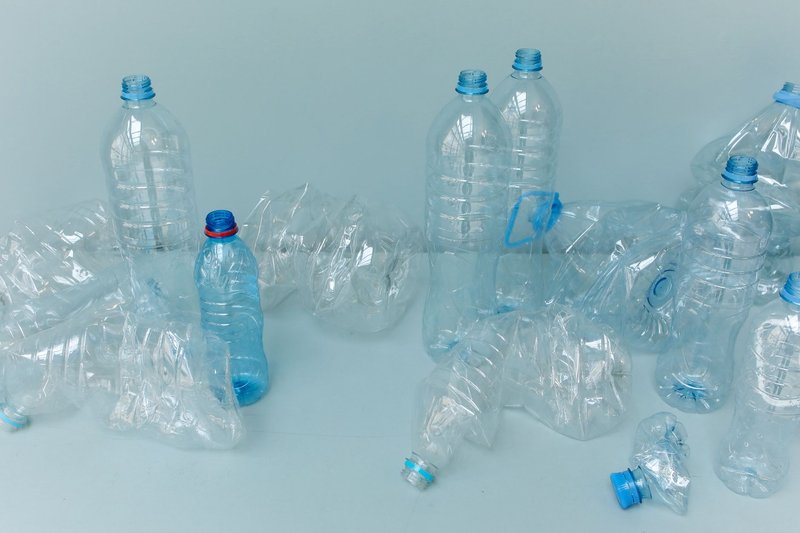
The catch. Pyrolysis needs a lot of energy and yields a messy product, and the “mass balance” accounting methods used to credit recycled content are contested. Methanolysis works best on clean polyester streams, so collection and sorting often cost more than the chemistry. Regulation, especially recycled-content mandates in the EU, will decide how much of this gets built.
What it means for chemical engineers. Feedstock variability is the central engineering problem. A plant fed by a waste stream has no spec sheet for its raw material, so robust pretreatment and flexible downstream design become the job.
7. Bio-Based Feedstocks and Biomanufacturing
What it is. Using engineered microbes or enzymes to make chemicals from sugar, plant waste or other biomass, in place of petroleum.
Example. NatureWorks makes polylactic acid (PLA), a compostable plastic, by fermenting plant sugar into lactic acid and polymerizing it, at industrial scale. Bio-based 1,4-butanediol (a building block for spandex and other polymers) has been produced by fermentation at commercial scale too. Precision fermentation for food proteins and specialty ingredients is the fastest-growing corner.
The catch. Biology works beautifully in a flask and worse in a 200,000-liter tank. Oxygen transfer, heat removal and contamination all get harder with scale, and separating a dilute product from a watery broth often accounts for well over half of production cost. Amyris, once the poster child for synthetic biology, went bankrupt in 2023 after struggling to make scale-up economics work. Biomanufacturing wins in niches with high-value products. Commodity chemicals remain a hard fight against cheap oil.
What it means for chemical engineers. Bioprocess engineering is chemical engineering with a living catalyst. These synthetic biology applications depend on solving mass transfer, reactor scale-up and downstream separation—the bottlenecks that are yours.
8. Advanced Materials
What it is. New solids designed for a specific job represent future trends in materials science: sorbents that grab CO2, membranes that separate molecules without heat, catalysts that run at lower temperatures, solid electrolytes for batteries.
Example. The 2025 Nobel Prize in Chemistry went to Susumu Kitagawa, Richard Robson and Omar Yaghi for metal-organic frameworks, crystalline materials full of molecule-sized pores. A gram of a good MOF can have the internal surface area of a football field. Producers including BASF have scaled up MOF sorbent production for carbon capture, which is the step that turns a lab curiosity into a plant component.
The catch. Most new materials die between the paper and the pilot plant. They need to survive moisture, contaminants and thousands of cycles, and they need to be made by the tonne at a price that works. The chemistry usually isn’t what kills them. The manufacturing is.
What it means for chemical engineers. Materials scientists invent. Chemical engineers decide whether the invention can be made cheaply, repeatedly and safely. That scale-up gap is a stable source of work.
Skills to Build for the Future of Chemical Engineering
Taken together, the chemical engineering careers of the future reward a recognizable skill set, and most of it extends the core curriculum instead of replacing it.
- Data and programming. Python, basic machine learning and an understanding of why sensor data lies. This applies to every trend above.
- Process modeling and simulation. Digital twins, intensified units and electrified heat networks all depend on people who can build and validate a model.
- Techno-economic analysis and life-cycle assessment. Hydrogen, capture, recycling and biomanufacturing all live or die on cost per tonne and net emissions. Engineers who can build that case get a seat in the room where projects are approved.
- Electrochemistry and power systems. Electrolyzers, electric furnaces and grid-aware operation need this, and few graduates have it.
- Process safety. Hydrogen, high-pressure CO2 and new reactor designs all raise the stakes. It was a central strand of the 2026 AIChE meeting for good reason.
- Bioprocess basics. Even if you never work in biotech, fermentation is entering more supply chains.
On pay, the U.S. Bureau of Labor Statistics lists chemical engineers among well-paid engineering roles, with median annual pay above $120,000. The jobs are changing in character more than in number: fewer pure plant-operations roles, more positions where process knowledge meets data, energy markets or sustainability reporting.
The sensible plan is to build one deep specialty from the list, such as separations, electrochemistry or bioprocess, and add the data and economics skills that cut across all of them. The trends will keep reshuffling. Those skills hold their value whichever of the eight turns out to be the winner.