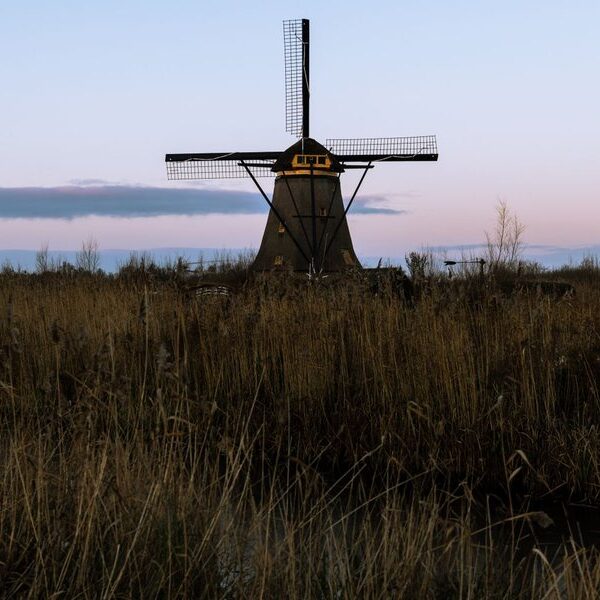
Tuvalu has recorded dozens of bird species, a long list of coastal plants, and reef life by the thousands. Almost none of it is endemic. Fly to Fiji or Vanuatu and you’ll find honeyeaters, orchids, and skinks that live on one island and nowhere else. Fly to Tuvalu and that entire category — the “found only here” column — comes down to nine animals, none of them a bird, none of them a plant.
That’s not a gap in the research. It’s a fact about what an atoll is.
TLDR
Tuvalu’s confirmed endemic species: one gecko (Lepidodactylus tepukapili), four land snails, two jumping spiders, and one sponge. No endemic birds, no endemic plants, no endemic mammals. The reason comes down to elevation — Tuvalu’s islands top out under five meters, which rules out the habitat variety that produces new species elsewhere in the Pacific.
Table of Contents
- Why Tuvalu Barely Has Any Endemic Species
- The Tuvalu Forest Gecko — the Only Endemic Vertebrate
- Four Land Snails From a 19th-Century Coral Drilling Expedition
- Two Jumping Spiders in the Genus Ascyltus
- One Sponge: Erylus Monticularis
- What’s Threatening the Endemism Tuvalu Does Have
Why Tuvalu Barely Has Any Endemic Species
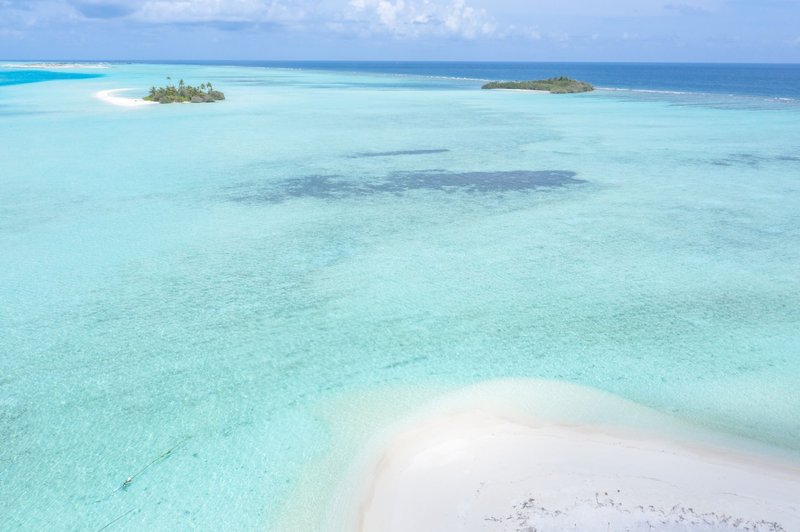
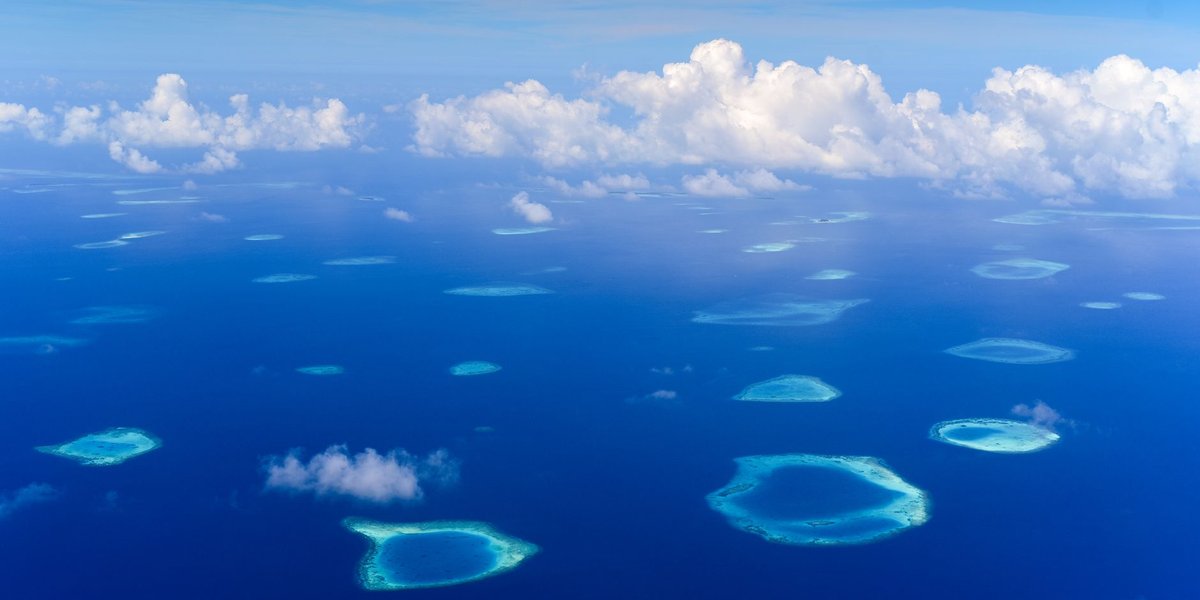
Endemism needs isolation plus variety. Isolation, Tuvalu has in abundance — it’s a scatter of nine coral formations in the middle of the Pacific, closer to nowhere than almost anywhere. Variety is the problem. New species usually arise when a population gets stranded in a distinct pocket of habitat: a cloud forest ridge, a volcanic crater, a river valley cut off from the coast. Fiji has all of that. Tuvalu doesn’t, because Tuvalu isn’t built from a volcano.
Every islet in the group is a low coral atoll, formed from reef growth on top of a submerged, long-dead volcanic base — the process Charles Darwin first described from atoll surveys in the 1830s and that a Royal Society expedition tried to confirm by drilling straight through Funafuti’s reef in 1896. The land that resulted sits at an average of roughly one meter above sea level, with almost nothing reaching five. There’s no ridge line, no elevation gradient, no rainforest canopy versus coastal scrub. Just reef rock, sand, and a narrow band of soil that supports the same hardy, salt-tolerant, easily wind- or sea-dispersed plants found across atolls from Kiribati to the Marshall Islands. A study of native plant richness across 111 Pacific atolls found the pattern holds broadly: low, flat coral islands support far fewer native plant species than high volcanic ones, and almost none of what grows there is unique to a single atoll.
Birds follow the plants. No specialized forest habitat means no pressure toward a specialized forest bird — the birds recorded in Tuvalu are the same wide-ranging seabirds, shorebirds, and a couple of introduced land birds you’d find scattered across the central Pacific. Nothing had a reason to become its own species, because nothing was ever isolated long enough in a distinct enough place to do it.
What Tuvalu does have is small, easy to overlook, and mostly discovered before people were specifically looking for it.
The Tuvalu Forest Gecko — the Only Endemic Vertebrate
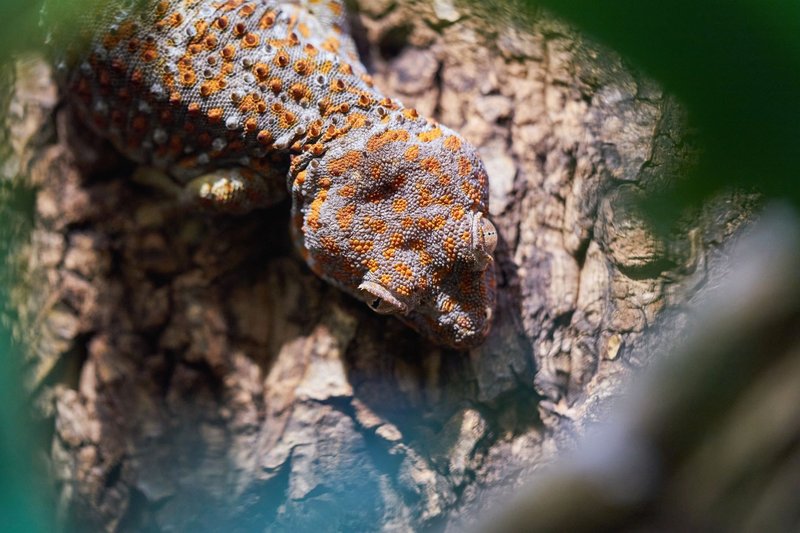
Lepidodactylus tepukapili is Tuvalu’s only endemic vertebrate of any kind — no bird, fish, or mammal on the archipelago has been shown to occur nowhere else. It’s a small, nocturnal, arboreal gecko, first collected and described from the islet of Tepuka, which is where its species name comes from. Like most Lepidodactylus geckos, it’s a forest and scrub dweller, active at night and easy to miss during the day, which is part of why a gecko living on a handful of tiny islands went unnamed as late as it did.
Its entire known range is a few small islets within the Tuvalu group — a range so narrow that a single bad cyclone season or a rat incursion on the wrong islet is a real threat to the species, not a hypothetical one. That’s the case for the whole list: when your total range is measured in hectares instead of square kilometers, “rare” and “vulnerable” aren’t separate categories.
Four Land Snails From a 19th-Century Coral Drilling Expedition
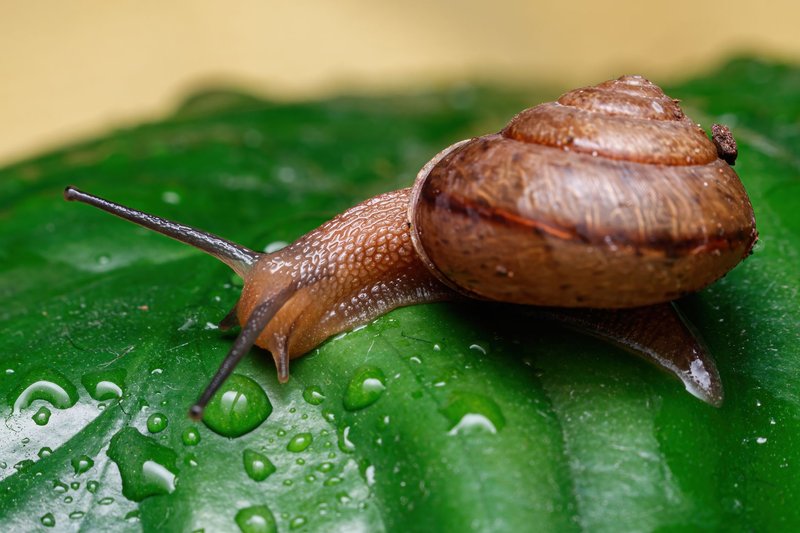
Tuvalu’s endemic invertebrates trace back further than its endemic gecko. When the Royal Society sent naturalists to Funafuti in the 1890s to drill into the reef and settle the debate over how atolls form, the expedition’s malacologist, Charles Hedley, spent his time on land cataloguing the local snail fauna — then still known as the Ellice Islands, which is where one species gets its name.
Four land snails came out of that work and later collections, and none have turned up anywhere else since:
- Sinployea pseudovicaria
- Sinployea ellicensis — named for the old Ellice Islands designation
- Vatusila vaitupuensis — named for Vaitupu, the atoll where it was found
- Thaumatodon decemplicata
Land snails are a common source of atoll endemism worldwide, for a mundane reason: they can’t fly, can’t swim, and a population isolated on one atoll for long enough will drift genetically from a population on the next atoll over, even without any of the elevation or habitat variety a gecko or a bird would need. It’s slow evolution running on isolation alone.
Two Jumping Spiders in the Genus Ascyltus
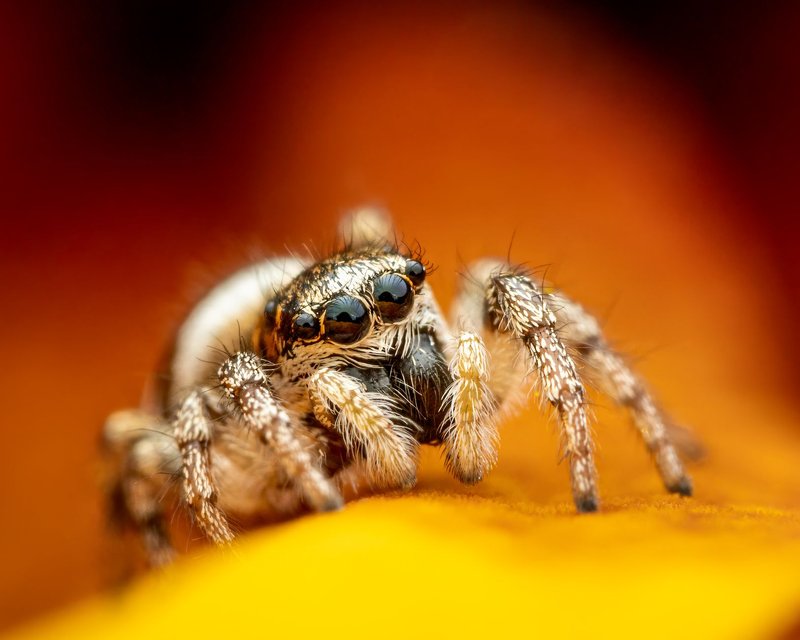
Tuvalu’s other endemic invertebrates are two salticid jumping spiders in the genus Ascyltus — Ascyltus audax and Ascyltus ferox. Ascyltus is a genus with legs to spare in the wider Pacific and Southeast Asia, recognizable for the exaggerated, iridescent front legs males wave during courtship displays. Tuvalu’s two species are the archipelago’s own branch of that genus, distinct from their mainland and high-island relatives.
Jumping spiders are strong colonizers — they’ll balloon on silk threads carried by wind, which is how a genus with no swimming ability still turns up across a huge span of ocean. Once a founder population lands on an isolated atoll and stays cut off long enough, though, the same isolation that produces snail endemism can produce spider endemism too.
One Sponge: Erylus Monticularis
The one marine invertebrate on Tuvalu’s endemic list is a demosponge, Erylus monticularis, recorded from the reef environment around the atolls. Sponges are an underexplored group almost everywhere — reef surveys tend to prioritize fish and coral, and a lot of sponge taxonomy anywhere in the Pacific is still being sorted out. That makes Tuvalu’s single confirmed endemic sponge less a statement that there’s exactly one, and more a statement that one is what’s been formally confirmed so far. Reef invertebrate surveys in the region remain thin, and a species overlooked once tends to stay overlooked until someone specifically goes looking.
What’s Threatening the Endemism Tuvalu Does Have
Every species on this list occupies a total range you could walk across in an afternoon, which is exactly what makes Tuvalu’s sea level trend a direct threat rather than a background one. NASA’s sea level change analysis found that Tuvalu and its Pacific island neighbors are on track for at least 15 centimeters of additional sea level rise over the next 30 years regardless of how emissions trend from here, with high-tide flooding days projected to jump sharply by the 2050s. NOAA’s tide gauge at Funafuti has already clocked a rise of roughly 3.9 millimeters a year since the late 1970s — faster than the global average.
For a forest-floor gecko or a land snail whose entire world is a coral islet a meter above the waterline, there’s no upland to retreat to. Habitat loss on an atoll isn’t a matter of degree the way it is on a continent; it’s a matter of the ground being there or not. Tuvalu’s own National Biodiversity Strategy and Action Plan, filed with the Convention on Biological Diversity, names habitat loss and invasive species — rats above all, which prey directly on ground-nesting fauna and small vertebrates like the forest gecko — as the country’s leading conservation concerns, ahead of the climate pressures still to come.
Nine species is a short list by any Pacific standard. It’s also, quietly, a complete one — every animal on it evolved in a place with almost no room for the process to happen at all, which is the part of the story most species lists leave out.