TLDR
San Marino itself has no single show cave you can walk into and buy a ticket for. What it has is an unmapped grotto network under San Marino Nature Park, open to off-track guided exploration, plus nine small, undeveloped karst caves scattered around Sassofeltrio and Budrio that nobody has bothered to describe until now. If you want the full cave experience — guided tour, lighting, a genuine bat colony — that’s Onferno, about a 30-minute drive across the Italian border, and it’s worth the trip.
Table of Contents
- You’re probably picturing the wrong San Marino
- What’s actually underground at San Marino Nature Park
- The nine caves nobody names
- Onferno: the cave experience San Marino doesn’t have
- Planning the trip
You’re probably picturing the wrong San Marino
Search “caves in San Marino” and you’ll get results for a cave guide near Marino, a town outside Rome in Lazio. Search a little more and you’ll hit the Grotta del Bue Marino, a sea cave in Sardinia with “Marino” in its name and nothing else in common. Neither has anything to do with the Republic of San Marino, the 61-square-kilometer microstate perched on Mount Titano between Emilia-Romagna and Le Marche.
That mix-up isn’t a Google quirk. It’s three different places sharing one word, and the actual microstate’s cave content is thin enough that the search engine fills the gap with whatever else matches the string. If you’re planning a trip to the country that claims to be the world’s oldest republic, here’s what’s real, what’s nearby, and what’s just noise.
What’s actually underground at San Marino Nature Park
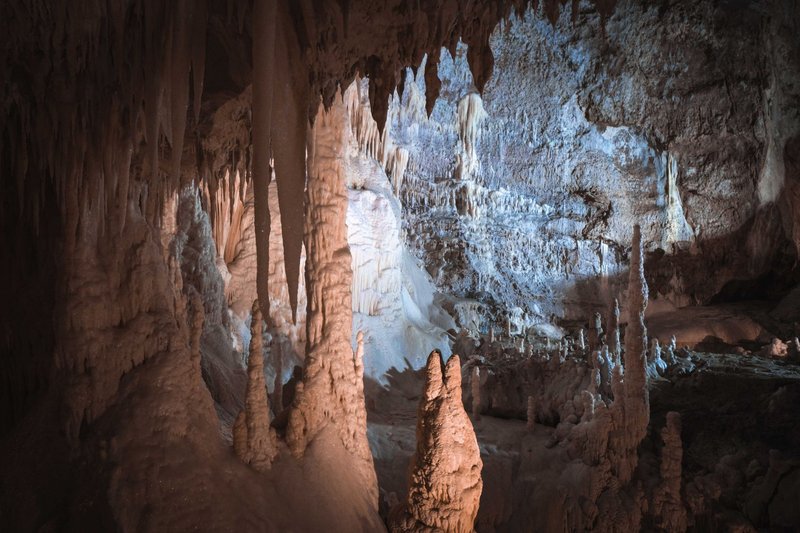
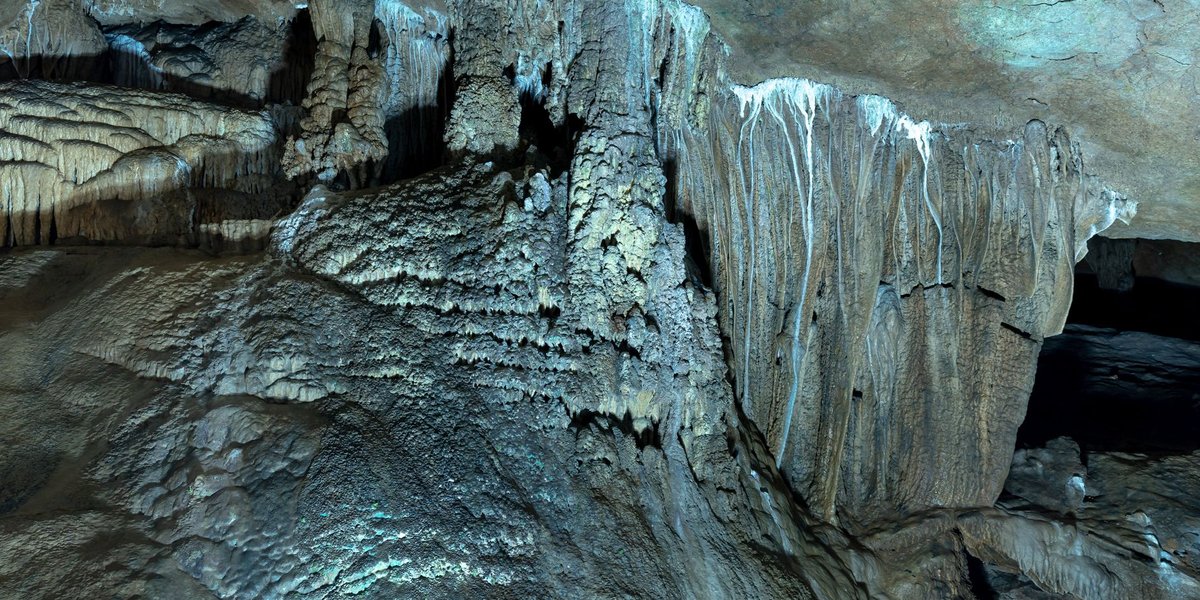
San Marino Nature Park sits on the slopes below the historic center, and beneath its trails runs a grotto system that has never been fully surveyed. Local outfitters run it as an adventure activity rather than a sightseeing stop: you go with a guide, you get off the marked path, and at some point you’re crawling through a gap in the rock rather than walking through a lit corridor. E-Bike Experience, one of the collectives running these day trips, pairs it with hiking, waterfalls, and old mill ruins rather than selling it as a standalone tour.
That’s the honest version: this isn’t Carlsbad Caverns. There’s no visitor center, no fixed schedule, no gift shop. What you get is a small, tight cave system explored the way cavers actually explore — headlamp, guide, and whatever the rock gives you. If that sounds like your kind of afternoon, book ahead through a park-based adventure operator rather than showing up and hoping to find an entrance.
The nine caves nobody names
Nine caves have been catalogued within San Marino’s borders, clustered around two spots: Sassofeltrio and Budrio. Between them they cover the country’s known karst — Grotta III di Sassofeltrio, Grotta I and Grotta II della Cava a W di Sassofeltrio, Grotta delle Volpi di Sassofeltrio, and Budrio I and Budrio II di Gesso.
None of them are developed for tourism. No lighting, no walkways, no ticket booth — they’re geological catalog entries, the kind of thing a regional speleology club has mapped and nobody else has written about in English. If you’re a caver with your own gear and local contacts, they’re a real target. If you’re a general traveler looking for an afternoon out, they’re not going to give you much: no signage, no safe public access, and in several cases no clear indication of exactly where the property line between San Marino and Italy runs. That border confusion is part of why the country’s cave reputation stays so thin — even people trying to research the topic can’t easily tell which grottoes are inside San Marino and which are just close to it.
Onferno: the cave experience San Marino doesn’t have
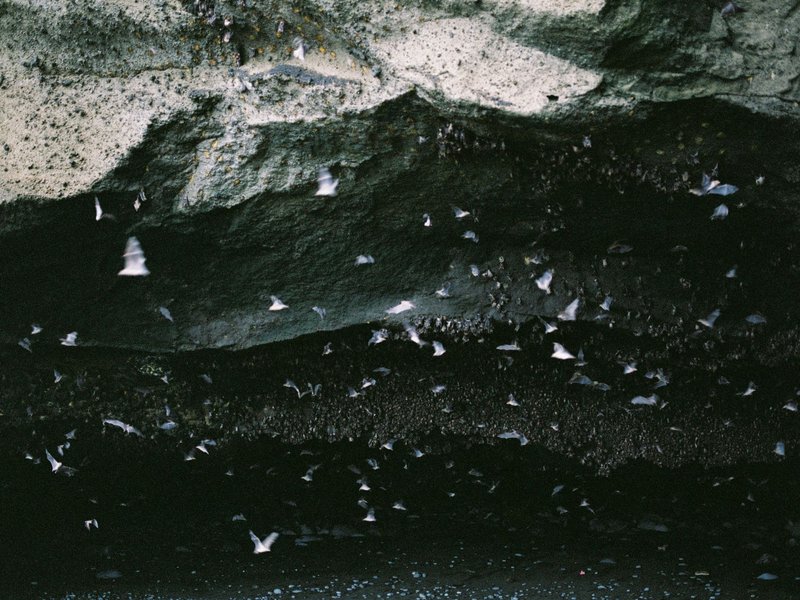
If what you actually want is a lit, guided, genuinely impressive cave tour, drive to Onferno instead. It’s in the Province of Rimini, roughly 30 minutes from San Marino City by car through the hills of the Conca Valley — close enough to do as a half-day trip, far enough that it’s clearly a different country’s attraction, not San Marino’s own.
The cave itself runs about 700 meters and drops 70 meters, part of a wider gypsum karst region so significant that UNESCO added it to the World Heritage List in September 2023 as the “Evaporitic Karst and Caves of the Northern Apennines” — over 900 mapped caves across the region, some of the deepest gypsum caves on Earth, formed in rock laid down when the Mediterranean nearly dried out roughly six million years ago. Onferno’s own draw, though, is the bats: several thousand of them, across multiple species, roosting in the Sala della Quarina, which is why that chamber closes to visitors during the summer nursery season. Tours run with a speleologist guide, last about 90 minutes, and hold a steady 12°C year-round regardless of the season outside.
The reserve around the cave is managed by Ente Parchi e Biodiversità Romagna, which handles bookings and posts current tour schedules — check there before driving out, since access is guided-only and slots fill on weekends.
Planning the trip
Bring a jacket regardless of the weather outside — 12°C inside a cave in August still feels like a cold snap. Closed shoes with real tread matter more than they sound like they should; the paths inside Onferno are wet stone, not poured concrete. If you’re doing the San Marino Nature Park route instead, expect crawling, so leave anything you don’t want scraped up at the hotel.
Pair the two if you have the time. Spend a morning on San Marino’s own grotto trails inside the park, then drive out to Onferno in the afternoon for the tour with actual infrastructure behind it. That combination — San Marino’s raw, unmarked caving alongside Italy’s best-documented gypsum cave system — is closer to a complete answer to “caves in San Marino” than anything currently sitting in the search results.