This is about the U.S. state of Georgia, not the country in the Caucasus — a different place with its own minerals, coastline, and history that a lot of search results mix up with this one.
Once that’s settled, the state version is a genuinely interesting case study. Georgia isn’t an oil state or a mining state in the way Texas or West Virginia are. Its wealth sits in things that regrow (pine trees), things that don’t (clay deposits), and things that are getting fought over in court (river water). Here’s the actual inventory.
Quick answer
- Forests: 24.4 million acres of timberland — more commercial forestland than any other U.S. state
- Minerals: over 8 million metric tons of kaolin clay mined annually, worth more than $1 billion
- Water: 70,150 miles of rivers and streams, 425,000+ acres of lakes
- Agriculture: nearly 8 million acres of prime farmland; the country’s top peanut and pecan producer
- Energy: Plant Vogtle, now the largest nuclear generating station in the United States
Table of Contents
- Forests and timber
- Kaolin and minerals
- Water: rivers, lakes, and wetlands
- Agriculture and farmland
- Energy resources
- Managing what’s finite
Forests and timber: the state’s biggest renewable asset
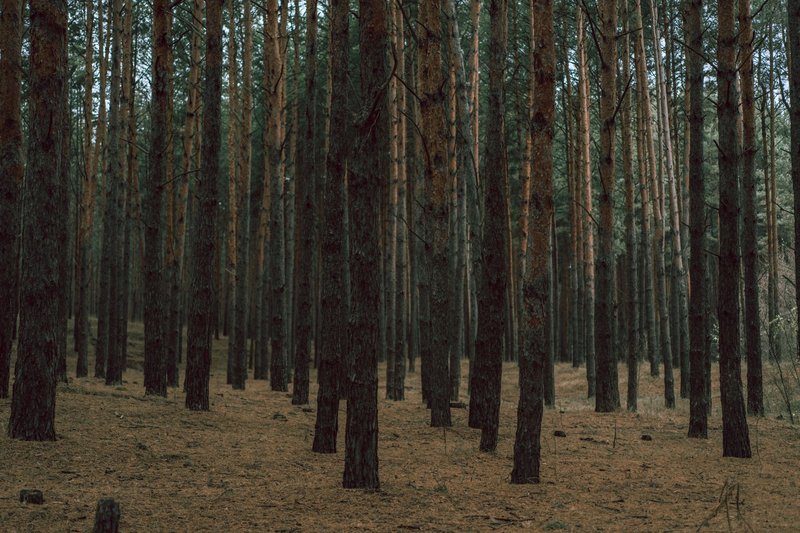
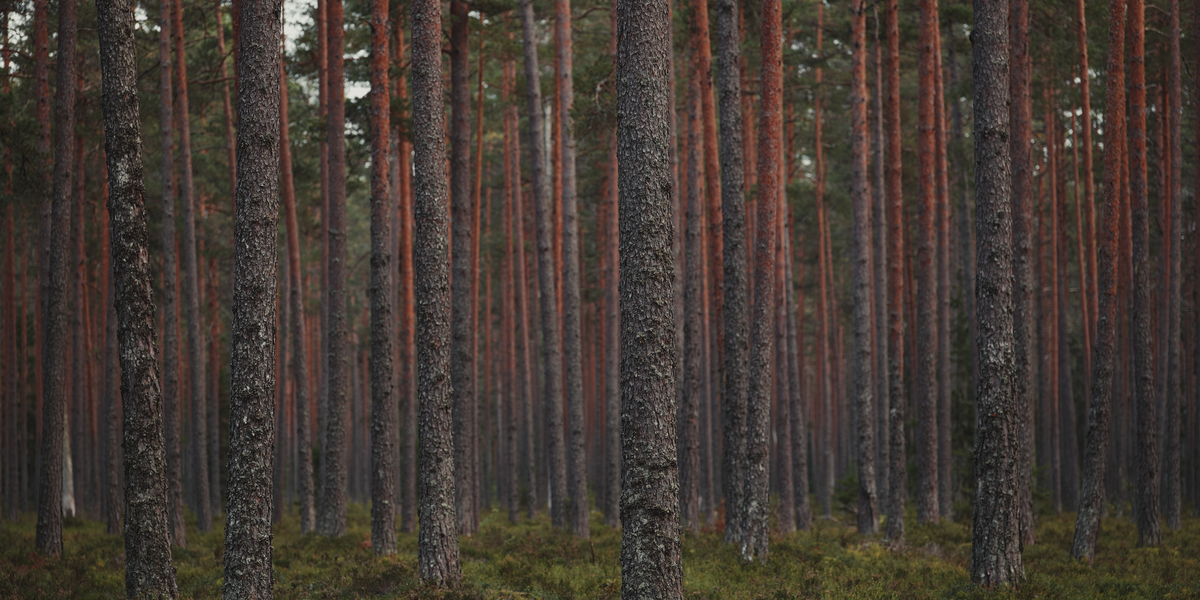
Georgia has 24.4 million acres of timberland, the largest amount of commercial forestland of any state in the country. Roughly 91% of it is privately owned — small family tracts and industrial timber companies, not federal wilderness. That distinction matters: it’s why Georgia’s forests function as working land, harvested and replanted on rotation, rather than land set aside and left alone.
Pine covers about 47% of that forestland and hardwood the rest, and pine is the moneymaker. Georgia leads every state east of the Mississippi in pulpwood and lumber production, feeding paper mills, packaging plants, and construction lumber yards across the Southeast. In the U.S. Forest Service’s most recent economic assessment, the industry’s total impact ran into the tens of billions of dollars and supported well over 100,000 jobs statewide — bigger than most people assume for what looks, from the interstate, like an unbroken wall of trees.
Kaolin and minerals: the white gold belt
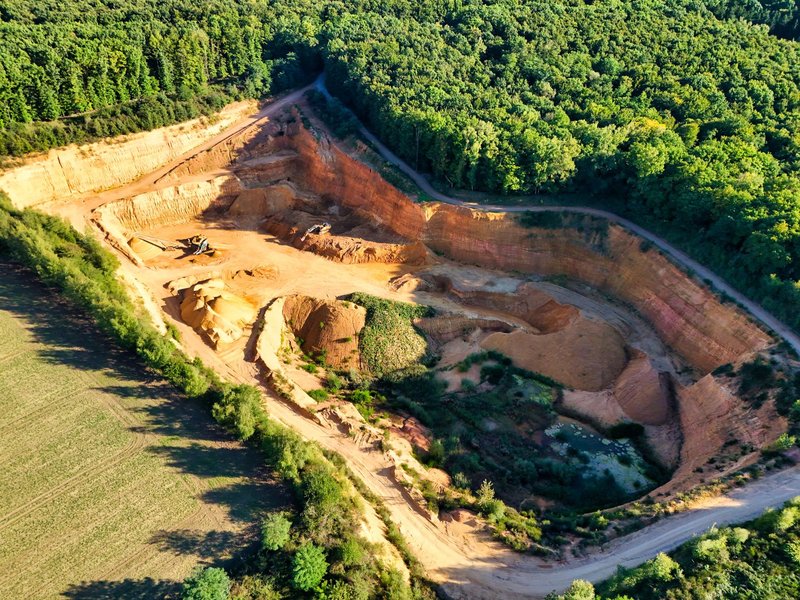
Cut a diagonal line through the middle of the state, roughly from Augusta to Columbus, and you’ve traced Georgia’s fall line — the boundary between the Piedmont and the coastal plain. Thirteen counties along that line sit on top of the largest kaolin deposit on Earth.
Kaolin is a fine white clay used to coat glossy paper, whiten toothpaste, and stiffen ceramics, ink, and paint. According to the U.S. Geological Survey, Georgia mines more than 8 million metric tons of it a year, worth upward of $1 billion, and the town of Sandersville has branded itself the “Kaolin Capital of the World” without much argument from anyone. Unlike the forests, this one doesn’t come back — every ton mined is a ton that isn’t there anymore, which is the whole reason mineral economics work differently from timber economics.
Beyond kaolin, the state also produces granite (Elberton calls itself the “Granite Capital of the World,” mostly for headstones), marble, and industrial sand and gravel used in construction across the Southeast.
Water: rivers, lakes, and wetlands
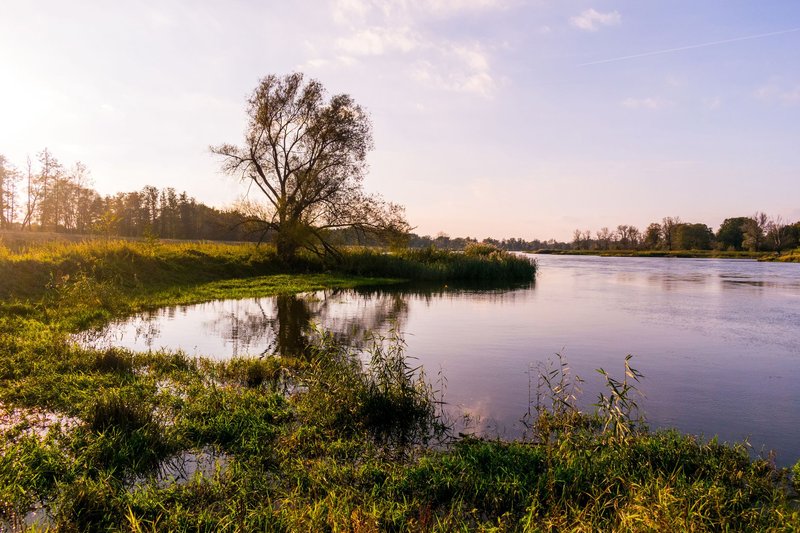
Georgia has 70,150 miles of rivers and streams, organized into 14 major river basins and 52 watersheds, according to state water resource data. Add in more than 425,000 acres of lakes and reservoirs and upward of 4.5 million acres of freshwater wetlands, and the state has more surface water than its “Peach State” branding suggests.
Most of that water flows south. The Chattahoochee starts as a trout stream in the north Georgia mountains and ends up, by the time it reaches the Florida line, as the center of a decades-long legal fight over how much metro Atlanta can draw from it before Alabama and Florida downstream start losing out — the so-called Tri-State Water Wars, which are still unresolved in parts. It’s a useful reminder that “abundant” and “unlimited” aren’t the same word, especially with a metro area of six million people drinking from a river system built for a much smaller population.
Agriculture and farmland
Georgia has close to 8 million acres of land classified as prime farmland — soil, growing season, and moisture good enough to support food or fiber production without heavy intervention. The state is the country’s top producer of peanuts and its top producer of pecans, and it grows enough cotton, blueberries, and Vidalia onions (a protected regional variety that, by law, can only be grown in a specific 20-county area) to matter on a national scale.
The “Peach State” nickname is older than its accuracy — South Carolina and California both out-produce Georgia in peaches today. The nickname stuck because peaches were a marketing symbol during Georgia’s post-Civil War agricultural rebrand, not because of current tonnage.
Energy resources
Georgia doesn’t have meaningful oil, natural gas, or coal reserves of its own — those all get shipped or piped in. What it has instead is a diversified generation mix, and the headline is nuclear: Plant Vogtle, near Waynesboro, became the largest nuclear power generating facility in the United States after its third and fourth reactors came online in 2023 and 2024, a project that ran more than a decade behind schedule and tens of billions over budget but that now supplies power to roughly a million homes.
Beyond Vogtle, the state runs Plant Hatch (its other nuclear plant), a shrinking fleet of natural gas and coal plants, restored and new hydroelectric stations on its river system, and a fast-growing solar sector — Georgia now ranks among the top ten states for installed solar capacity, a shift that happened almost entirely in the last fifteen years.
Managing what’s finite
The gap in most “Georgia natural resources” write-ups is that they list categories without saying which ones are renewable and which aren’t, or who’s actually managing them.
Timber is the closest thing to a solved problem: it’s replanted on harvest cycles, monitored by the Georgia Forestry Commission, and treated as a crop rather than a stock. Kaolin is the opposite — a fixed deposit that gets smaller every year, with no replacement mechanism, managed mostly through permitting and reclamation requirements rather than sustainability programs. Water sits in between: renewable in principle, rainfall-replenished, but constrained by legal disputes and a growing population drawing from the same rivers.
The Georgia Department of Natural Resources oversees permitting, water withdrawal limits, and wildlife management across all of it, but the state’s resource picture isn’t one system — it’s three different management problems wearing the same “natural resources” label, and they don’t respond to the same fixes.