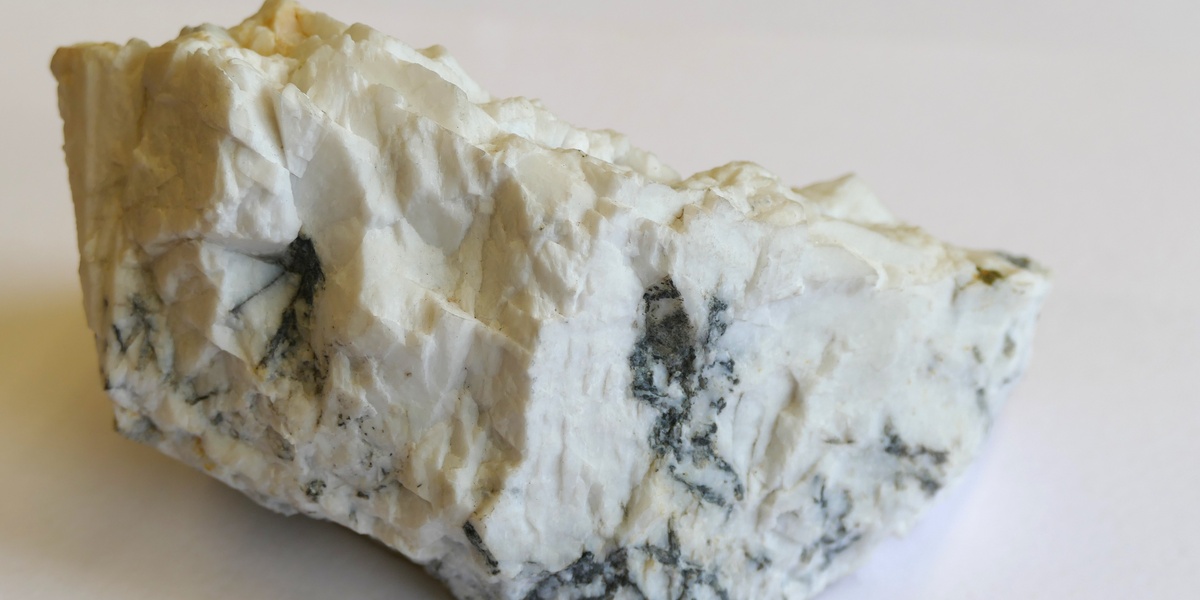
Mississippi’s soils and river gravels hide a surprising variety of natural treasures tied to the state’s coastal plain, uplands and past mining activity. Whether you’re a collector, student, or just curious, a quick tour of local geology reveals where different minerals tend to occur and why they matter to communities and industry.
There are 24 Minerals in Mississippi, ranging from Albite to Zircon. The list is organized with County/locality, Geologic setting, Uses / economic importance, and is meant to make it easy to scan occurrences and practical value; you’ll find below.
Where are the most productive spots in Mississippi to look for these minerals?
Look in river gravels, exposed roadcuts, old quarry and mine dumps, and pegmatite or folded-rock exposures—those settings concentrate different species. Use the County/locality column in the list below to target likely areas, and prioritize public sites or land where you have permission.
Do I need permission or follow rules to collect minerals in Mississippi?
Yes—always get landowner permission on private property, follow state and federal regulations on public lands, and respect posted closed or active mine sites; some areas restrict collecting for safety or conservation reasons, and museums or parks may have specific rules.
Minerals in Mississippi
| Name | County/locality | Geologic setting | Uses / economic importance |
|---|---|---|---|
| Quartz | Statewide, common localities across Mississippi | Sand, veins, coastal plain, alluvium | Industrial, gem, specimen |
| Kaolinite | Central and eastern Mississippi (Newton, Kemper areas) | Weathered saprolite, clay pits, coastal plain sediments | Industrial (paper, ceramics), agricultural |
| Muscovite | Northeast Mississippi (Tishomingo and adjacent counties) | Pegmatite and metamorphic schist pockets | Specimen, minor industrial (insulation) |
| Biotite | Northeast Mississippi (pegmatites and metamorphic outcrops) | Schist, pegmatite, metamorphic rocks | Specimen, petrologic studies |
| Orthoclase | Northeast Mississippi pegmatites (Tishomingo area) | Granite and pegmatite bodies | Ceramics, specimen, minor industrial |
| Microcline | Northeast Mississippi (pegmatites, Tishomingo) | Pegmatite and granite bodies | Specimen, ceramic filler |
| Albite | Northeast Mississippi pegmatites and granites | Pegmatite, igneous intrusions | Specimen, industrial filler |
| Calcite | Northern Mississippi limestones and caves (Pontotoc, Union counties) | Limestone, veins, caves | Industrial (cement, lime), specimen |
| Dolomite | Northern Mississippi carbonate units (Lafayette area) | Dolostone and carbonate rocks | Construction, agricultural liming |
| Gypsum | Coastal plain occurrences (Harrison County and Gulf Coast) | Evaporite beds and near-surface deposits | Construction (plaster), fertilizer additive |
| Halite | Gulf Coast salt domes and associated deposits (Jackson, Harrison counties) | Salt domes and evaporitic structures | Industrial (salt production), chemical |
| Pyrite | Statewide in shales, coal-bearing units and sediments (various counties) | Shales, coal seams, sulfide-bearing sediments | Specimen, sulfur source indicator |
| Hematite | Iron-rich sands and soils (coastal plain and uplands) | Placer sands, weathered iron concentrations | Pigment, minor ore/specimen |
| Goethite | Weathering zones and soils statewide (various counties) | Soils, gossans, bogs | Pigment, indicator of iron weathering |
| Ilmenite | Gulf coast and barrier-island placers (Harrison, Jackson counties) | Heavy-mineral beach and river placers | Titanium ore, industrial feedstock |
| Rutile | Gulf coast placers and heavy-mineral sands (Harrison County) | Beach placers and alluvial deposits | Titanium ore, pigment feedstock |
| Zircon | Coastal and river placers (Harrison, Jackson, Mississippi River alluvium) | Heavy-mineral sands and alluvium | Geochronology, gemstone, specimen |
| Monazite | Heavy-mineral placers on Gulf beaches and river sands (Harrison County) | Placer sands and alluvium | REE source, historical ore interest |
| Garnet | River and coastal placer sands (Harrison, Jackson, Mississippi River) | Placer sands, metamorphic derivation | Abrasive, gem, specimen |
| Magnetite | Heavy-mineral sands and iron-rich gravels (coastal & upland) | Placer sands, igneous sources | Iron ore, magnetic indicator |
| Apatite | Pegmatites and igneous rocks (Tishomingo County) | Pegmatite, igneous intrusive bodies | Phosphate source, specimen |
| Tourmaline | Pegmatite pockets in NE Mississippi (Tishomingo area) | Pegmatite cavities and fractures | Gemstone, specimen |
| Apatite-group (fluorapatite) | Pegmatites and igneous/metamorphic rocks (NE counties) | Pegmatite and phosphate-bearing rocks | Phosphate source, specimen |
| Smithsonite | Localized occurrences in weathered ore zones (historical reports) | Oxidation zones of sulfide deposits | Specimen, zinc ore indicator |
Images and Descriptions
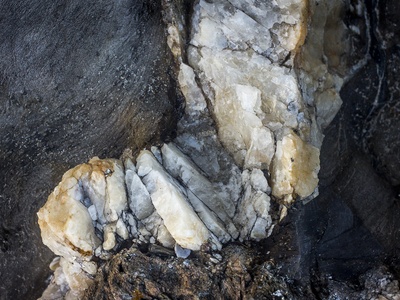
Quartz
Transparent to milky hexagonal crystals or sand grains; ubiquitous in Mississippi sands, gravels, and veins. Popular with collectors, used industrially for glass and sand, and notable for forming attractive quartz crystals in pegmatites and river cobbles.

Kaolinite
Soft white to cream clay mineral extensively weathered from feldspars. Major local clay used for paper coating and ceramics; common in pits and residual soils and an important economic mineral in parts of Mississippi.
Muscovite
Silvery to pearly flaky mica occurring in pegmatites and schists in northeastern outcrops. Attractive sheet-like crystals prized by collectors and used occasionally in electrical/insulating applications and geological study.
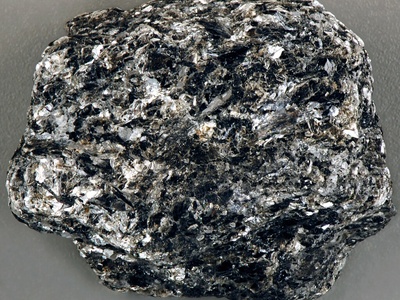
Biotite
Dark brown to black flaky mica common in metamorphic and igneous rocks of NE Mississippi. Noted for its sheet habit and use in teaching, petrology and as part of rock identification in the state.
Orthoclase
Pink to white feldspar commonly in coarse pegmatites and granites. Orthoclase crystals are valued by collectors and are a primary feldspar mineral weathering to clay minerals such as kaolinite.
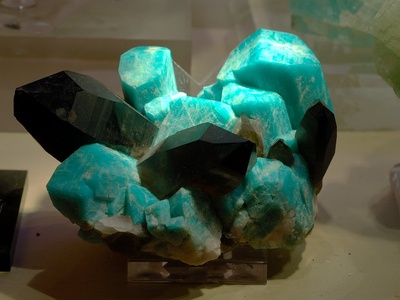
Microcline
Cream to greenish potassium feldspar found in pegmatites and coarse granites. Distinguished by cross-hatched twinning; attractive for specimens and an important component of felsic rocks that weather to clays.
Albite
Sodium-rich plagioclase feldspar occurring as white to translucent crystals in pegmatites. Common rock-forming mineral in igneous bodies and of interest to collectors studying Mississippi pegmatites.
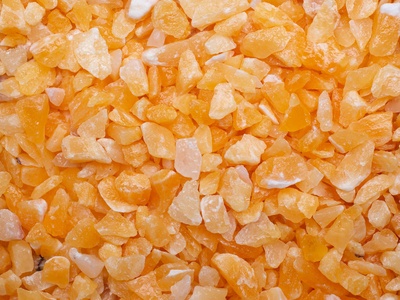
Calcite
Clear to white rhombohedral crystals and massive carbonate in limestone units and cave deposits. Widely used in construction, agriculture, and as attractive cave speleothems and crystal specimens across the state.
Dolomite
White to gray carbonate mineral common in Mississippi dolostones. Often forms massive bedrock and small crystals, used for aggregate and soil amendment and notable in regional carbonate geology.
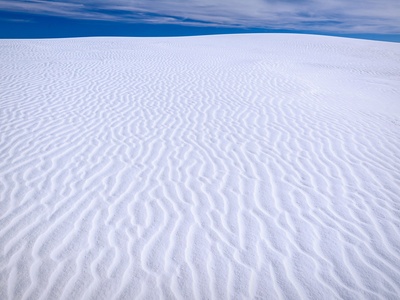
Gypsum
Soft, white to translucent sulfate mineral found in coastal plain evaporite horizons. Used to make plaster and wallboard, and forms thin beds and nodules in some Gulf Coast sediments.
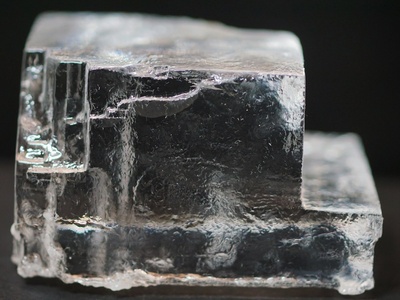
Halite
Rock salt forming massive beds in subsurface Gulf Coast salt domes. Historically important for salt and brine production; subsurface halite influences coastal geology and local industry.
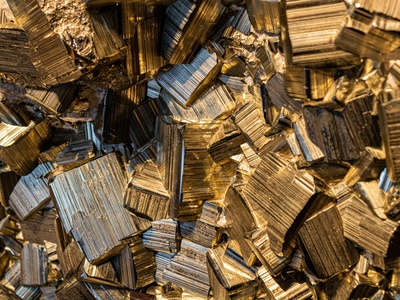
Pyrite
Brassy metallic sulfide common as cubic crystals or disseminated grains in shales and organic-rich sediments. Noted for forming “fool’s gold,” weathering to iron oxides, and indicating reducing conditions in sediments.
Hematite
Reddish-black iron oxide occurring as sand grains and concretions in soils and some placer deposits. Historically used as pigment and a minor ore mineral; visible in iron-rich sediments and gravels.
Goethite
Brown to yellow-brown iron oxyhydroxide forming earthy masses and coatings from the weathering of iron minerals. Common in Mississippi soils and useful as an indicator of weathering and former sulfide oxidation.
Ilmenite
Black metallic titanium-iron oxide commonly concentrated in beach and river heavy-mineral sands along the Gulf Coast. Collected as a titanium ore and notable to mineral collectors and economic geologists.
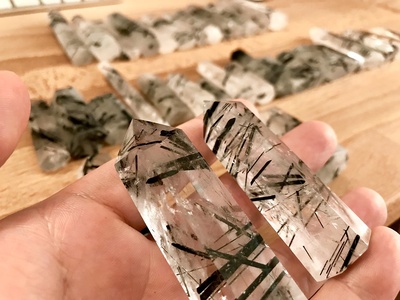
Rutile
Reddish-brown to black titanium oxide found as dense, slender crystals in coastal placer sands. Important source of titanium minerals and of interest for its resistant, dense grains in sand concentrates.
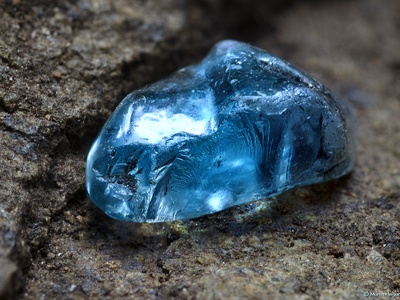
Zircon
Hard, high-specific-gravity accessory mineral occurring as brown to reddish prismatic grains in placer deposits. Used for U–Pb dating in geologic studies and sometimes faceted as a gemstone.
Monazite
Yellow to brown phosphate mineral containing rare earth elements and minor thorium. Present in heavy-mineral concentrates on Gulf beaches; of interest for rare-earth research and historical mineral collecting.
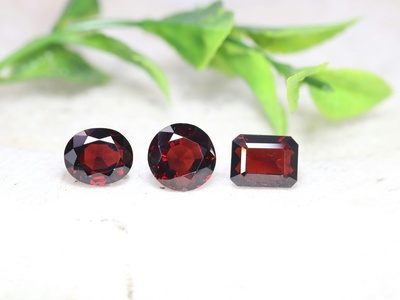
Garnet
Usually reddish-brown almandine garnet appearing as rounded sand grains or small crystals in placer deposits. Valued as an abrasive and as attractive gem-quality or collector specimens from sand concentrates.
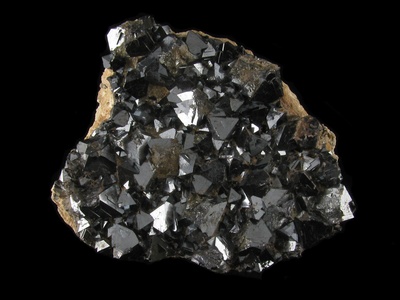
Magnetite
Black, strongly magnetic iron oxide occurring in heavy-mineral beach and river deposits and igneous rocks. Useful as a prospecting indicator mineral and collected for its magnetic properties.
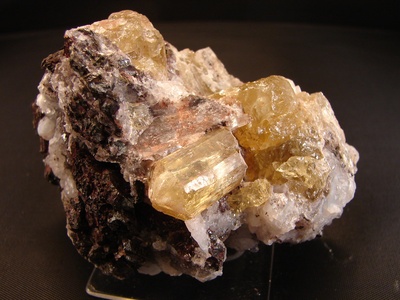
Apatite
Green to brown phosphate mineral found as small crystals in pegmatites and as accessory mineral in igneous rocks. Important as the primary mineral of phosphate and of interest to collectors.
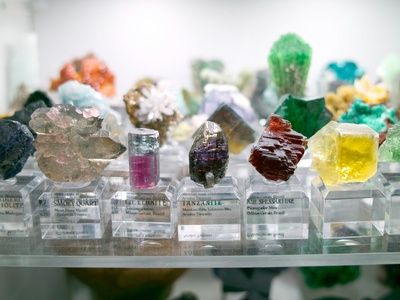
Tourmaline
Prismatic, often black or colored boron silicate crystals occurring in pegmatite pockets. Valued by collectors for gem-quality crystals and as an indicator of granitic pegmatite mineralization.
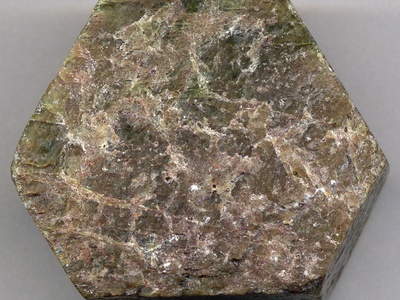
Apatite-group (fluorapatite)
Fluorapatite variant common in pegmatites; forms hexagonal crystals or masses. Important for phosphate and fertilizer resources and collected for crystal form and color variation.
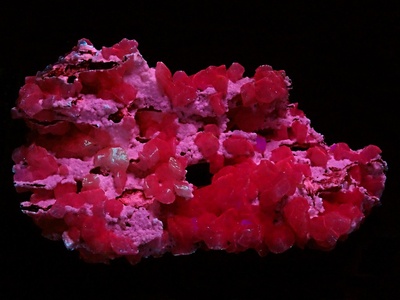
Smithsonite
A zinc carbonate mineral occasionally reported in weathered metallic deposits and gossans. Forms botryoidal or crusty masses; of interest to collectors and as an indicator of former sulfide mineralization.