TLDR
- Saudi Arabia has about 48 identified minerals, and about 15 are economically exploitable.
- The government valued the kingdom’s mineral wealth at roughly SAR9.4 trillion (USD2.5 trillion) in 2024.
- Gold and copper sit in the Arabian Shield in the west. Phosphate and bauxite sit in the north. Industrial minerals like silica sand, kaolin and limestone are spread across both.
- The state miner Ma’aden, founded in 1997, runs most of the large operations.
Table of Contents
- How many minerals does Saudi Arabia have?
- Where the minerals are: three geological zones
- Precious metals: gold and silver
- Base metals: copper and zinc
- Phosphate and bauxite
- Industrial minerals
- Rare earths and lithium potential
- Quick reference table
- From Mahd adh-Dhahab to Ma’aden
- Why the numbers disagree
How many minerals does Saudi Arabia have?
The headline figure is about 48 identified minerals, of which roughly 15 are economically exploitable today. The rest are either too thin, too deep or too remote to mine at a profit. In 2024 the Saudi government put the total value of the kingdom’s mineral resources at around SAR9.4 trillion, or USD2.5 trillion.
That figure is an estimate of resources in the ground, not annual output. It also moves: it has been revised upward as exploration finds more. Treat it as a marker of scale, not a bank balance.
Oil gets the attention, and for good reason. But the minerals sector is the part of the economy the kingdom is actively trying to grow under Vision 2030, its plan to diversify away from hydrocarbons.
Where the minerals are: three geological zones
Saudi geology splits cleanly into three regions, and the minerals follow the split.
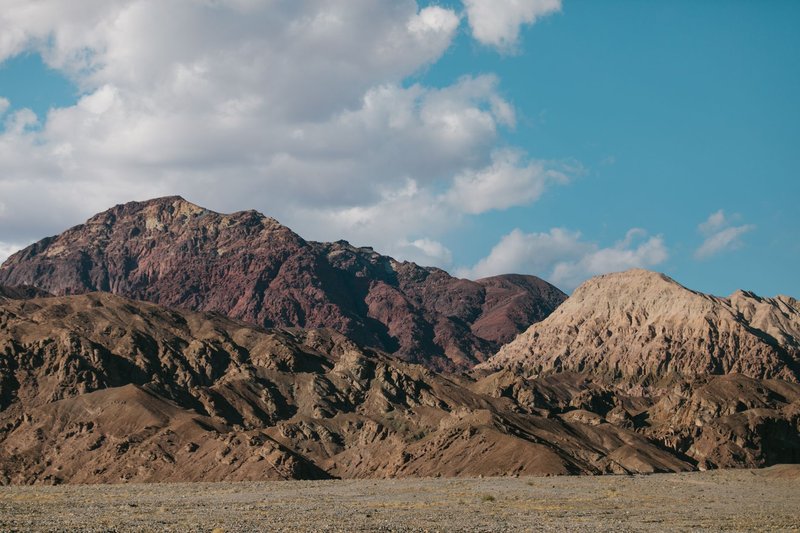
The Arabian Shield covers the west of the country, along the Red Sea side. It’s ancient crystalline rock, more than 540 million years old, exposed at the surface. That’s why it holds the metals: gold, silver, copper, zinc, and a long list of smaller deposits. Geologists have mapped about 35 mineral belts across the country, and the Shield hosts many of them.
The Arabian Plate is the vast sedimentary cover to the east and north. Sedimentary rock means limestone, gypsum, salt, silica sand, clay, and the phosphate and bauxite that matter most to industry. The northern phosphate deposits and the bauxite at Al Ba’itha sit in this setting.
The Red Sea region adds a third story: coastal evaporites, and metal-rich muds on the seafloor that have been studied for their zinc, copper and other metals. Yemen, across the sea, has gold, zinc and copper of its own, but war has kept most of it in the ground. See Yemen’s natural resources and why war keeps them buried.
Precious metals: gold and silver
Gold is the oldest story. Saudi Arabia’s best-known gold district, Mahd adh-Dhahab (“Cradle of Gold”), was worked in antiquity and revived in the 20th century. Modern gold operations include Sukhaybarat, Bulghah, Ad Duwayhi, Mansourah-Massarah and Ar Rjum, mostly in the Shield between Medina and Taif.
Silver usually comes out of the same ground. The Al Amar mine is typical, producing gold and silver together with zinc and copper concentrate.
Base metals: copper and zinc
Copper is the metal Saudi Arabia is betting on. The Jabal Sayid mine in the west produces copper concentrate and also carries gold. Zinc comes mainly from volcanogenic massive sulfide deposits, the same kind of ore body that produces copper, and the two are often found together.
Why copper matters: electrification. Wires, motors and batteries all use it, and demand is expected to keep rising as grids and vehicles electrify. A country with large, undeveloped copper-bearing belts is in a decent position.
Phosphate and bauxite
These two do the heavy lifting in the industrial sector.
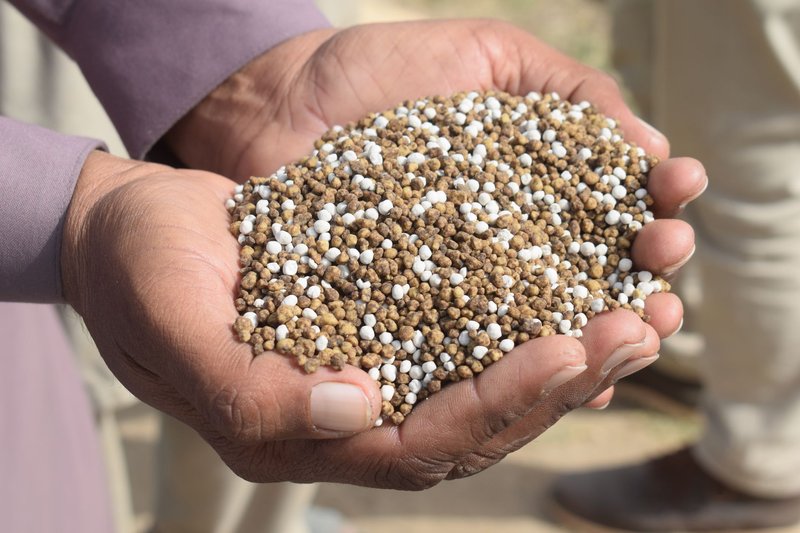
Phosphate is a rock that becomes fertilizer. Plants need phosphorus, and there is no substitute for it. Phosphate rock is also non-renewable, a category covered in examples of non-renewable resources. Saudi Arabia’s phosphate comes from the north, from deposits such as Al Jalamid and Umm Wu’al, and is processed into fertilizer products at the industrial city of Ras Al Khair on the Gulf coast. The USGS National Minerals Information Center tracks global phosphate production by country, and Saudi Arabia now appears among the world’s major producers.
Bauxite is the ore for aluminium. The Al Ba’itha deposit feeds a refinery and smelter chain, also at Ras Al Khair, that turns the rock into alumina and then aluminium metal. The whole value chain is domestic: mine, rail, refinery, smelter. That’s the model the government wants to copy for other minerals.
Industrial minerals
Less glamorous, but often more widely distributed and useful:
- Silica sand: glass, solar panels and electronics.
- Kaolin: a white clay for ceramics, paper and paint.
- Limestone and gypsum: cement and construction.
- Salt: both for industry and for chemicals.
- Magnesite, feldspar and others: refractories, ceramics and smaller industrial uses.
The construction boom in the kingdom means local limestone and gypsum are in constant demand.
Rare earths and lithium potential
This is where public information is thinnest, and where most other guides stop talking.
Saudi geologists have identified rare earth element and niobium-tantalum occurrences in the Shield, including at Ghurayyah. Lithium potential has been noted as well, and exploration licences continue to be awarded. None of this is in commercial production at scale, so treat it as potential. Resource figures here are preliminary and will change as drilling continues.
Quick reference table
| Mineral | Main locations | Key mine or project | Main use |
|---|---|---|---|
| Gold | Arabian Shield (west) | Mahd adh-Dhahab, Sukhaybarat, Ad Duwayhi | Jewelry, investment, electronics |
| Silver | Arabian Shield | Al Amar (with gold, zinc) | Electronics, industry |
| Copper | Arabian Shield | Jabal Sayid | Wiring, motors, batteries |
| Zinc | Arabian Shield | Al Amar | Galvanizing steel |
| Phosphate | North | Al Jalamid, Umm Wu’al | Fertilizer |
| Bauxite | Al Ba’itha, Qassim region | Al Ba’itha | Aluminium |
| Silica sand | Arabian Plate | Various | Glass, solar panels |
| Kaolin | Arabian Plate | Various | Ceramics, paper |
| Limestone and gypsum | Throughout | Various | Cement, construction |
| Rare earths | Arabian Shield | Ghurayyah (potential) | Magnets, electronics |
From Mahd adh-Dhahab to Ma’aden
Mining in the Arabian Peninsula is old. Ancient workings at Mahd adh-Dhahab show gold was extracted there thousands of years ago, and tradition ties the site to the earliest gold in the region. Modern exploration picked up in the 20th century, with geological surveys and concessions.
The decisive change came in 1997, when the kingdom created the Saudi Arabian Mining Company, Ma’aden, to develop the country’s mineral resources commercially. Ma’aden now operates the gold, phosphate and aluminium businesses described above. The Saudi Geological Survey is the government body that maps the geology and publishes the resource data.
More recently, the Mining Investment Law and Vision 2030 have pushed to open exploration to private and foreign companies. The goal is for mining to become the third pillar of the economy, after oil and petrochemicals.
Why the numbers disagree
If you read several sources, you’ll see conflicting figures, and it helps to know why.
- The mining law date: Some sources say 2004, others 2020. The original Mining Investment Law dates to 2004, and a revised version arrived in 2020. Both are real; they’re just different laws.
- The 2030 GDP target: You’ll see both SAR188 billion and SAR240 billion for mining’s contribution. These come from different documents and different dates, and the target has been revised. When a source doesn’t date its figure, don’t trust it.
- Resource value: SAR9.4 trillion (USD2.5 trillion) is the 2024 figure. Earlier estimates were lower. It’s a resource value, not a production value.
The pattern: figures in this sector get updated often, and many sources copy old numbers without a date. Always check the year.