Table of Contents
- TLDR
- Gold: the number that dwarfs everything else
- Tanzanite: the only mineral in this list you can’t get anywhere else
- Nickel and the Kabanga project
- Rare earths: Ngualla
- Graphite
- Diamonds
- Coal
- Tanzania’s minerals at a glance
- Why this matters beyond the mining ministry
TLDR
Tanzania sits on one of the more varied mineral inventories in Africa: gold, tanzanite, nickel, graphite, rare earths, diamonds, and coal, spread across distinct geological belts from Lake Victoria to the southern highlands. Gold is the heavyweight — export earnings hit $5.5 billion in the year to May 2026. Tanzanite is the oddity: every gem-quality stone on earth comes from a four-square-mile patch of hills near Kilimanjaro. Nickel and rare earths are the ones to watch — both have projects racing toward a 2026 final investment decision that would turn Tanzania into a real supplier for electric-vehicle and magnet supply chains. Mining now accounts for roughly a tenth of the country’s GDP, up from a fraction of that a decade ago.
Gold’s dominance tends to flatten everything else in the coverage, so this piece tries not to do that. Below is what’s actually in the ground, where, and how much of it is real production versus projects still waiting on a final signature.
Gold: the number that dwarfs everything else
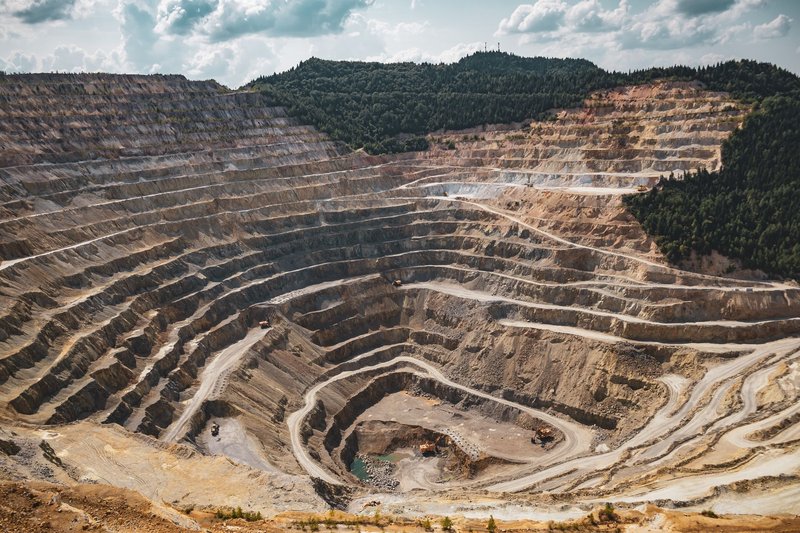
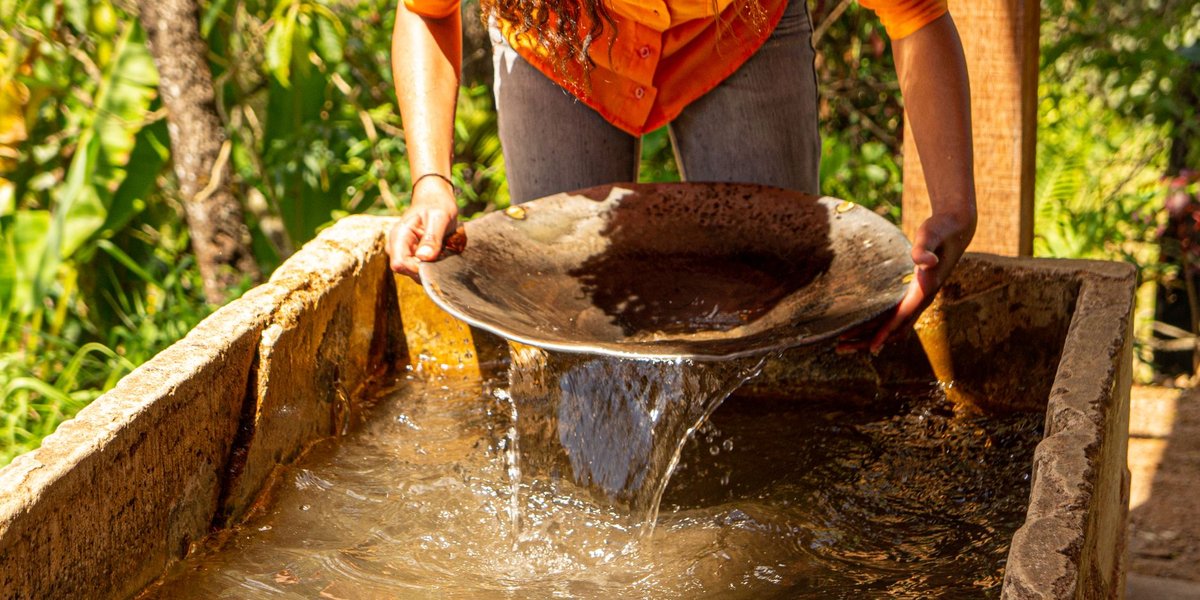
Gold isn’t just Tanzania’s biggest mineral export — it’s bigger than every other mineral combined, several times over. Export earnings reached $5.5 billion in the year ending May 2026, and the value of mineral recovery in the quarter ending March 2026 alone rose 44.7% to $1.61 billion, helped by gold prices that averaged $4,190 an ounce over the July 2025–March 2026 period, up from $2,656 the year before.
The deposits sit almost entirely in the Lake Victoria greenstone belt, an Archean rock formation stretching across Geita, Shinyanga, and Mara regions. This is where the country’s major producing mines cluster — Bulyanhulu and Buzwagi among them, both in Shinyanga. Tanzania is now consistently ranked among Africa’s top gold producers by output, and unlike a lot of the country’s other mineral wealth, gold mining here has decades of continuous production history behind it rather than a pipeline of projects still waiting for financing.
That maturity is exactly why the government keeps pushing diversification. A single commodity accounting for this much of mineral export revenue is a concentration risk, not just a success story — which is part of why nickel, graphite, and rare earths get so much policy attention despite producing a fraction of gold’s numbers.
Tanzanite: the only mineral in this list you can’t get anywhere else
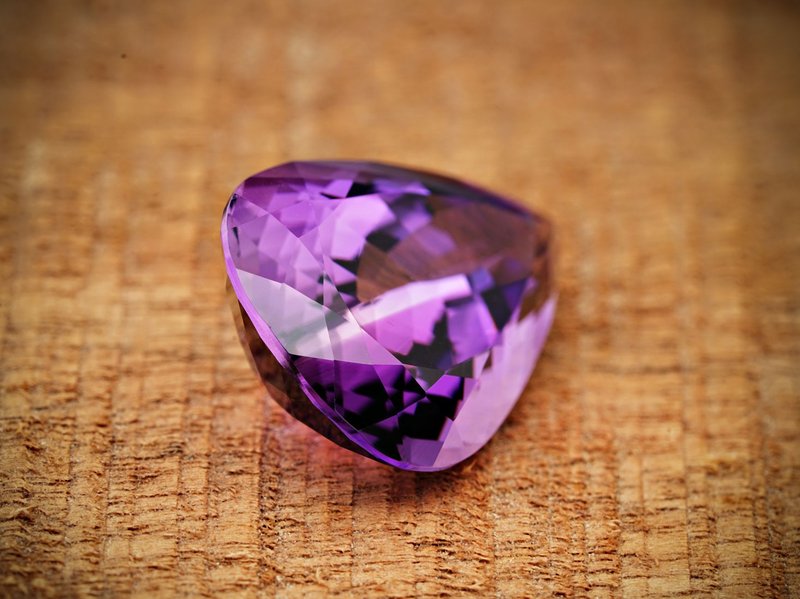
Gold is valuable because of scale. Tanzanite is valuable because of geography — there is exactly one place on the planet where it forms in gem quality, and it’s the Mererani Hills near Mount Kilimanjaro in Manyara Region. Every tanzanite ring, pendant, or loose stone anywhere in the world traces back to roughly four square miles of Tanzanian ground.
The numbers are smaller than gold’s by orders of magnitude — tanzanite production reached 83,014 kg of rough and bead material in 2024, with exports valued at around $19.4 million — but the rarity is the point. Confirmed reserves sit at roughly 50 million carats, and geologists still describe the stone as roughly a thousand times rarer than diamond. Prices have actually softened recently, falling from about $2,434 per kilogram to $2,270, a shift tied partly to synthetic competitors entering the market and partly to broader trade uncertainty. Even so, nothing else on this list has a monopoly this total: mine out Mererani and the mineral effectively stops existing as a new supply.
Nickel and the Kabanga project
Base metals in Tanzania run in a belt from Kagera through Kigoma down to Mbeya, Ruvuma, and Mtwara — and the project everyone in the sector is watching sits at the northern end of it. The Kabanga deposit has outlined resources of roughly 500,000 tonnes of contained nickel, alongside 75,000 tonnes of copper and 45,000 tonnes of cobalt, which puts it in the conversation as one of the higher-grade undeveloped nickel sulphide deposits anywhere.
Kabanga isn’t producing yet. What changed in 2026 is that outstanding structural disputes between the state and institutional investors got resolved, and the project is now tracking toward a final investment decision this year. The pitch, repeated in state briefings, is straightforward: nickel feeds battery cathodes, and a functioning Kabanga would position Tanzania as an actual node in the electric-vehicle supply chain rather than just an exporter of raw ore. Whether that materializes depends on financing closing on schedule — something that’s slipped before.
Rare earths: Ngualla
South of the nickel belt, in the Songwe area of Mbeya Region, sits Ngualla — a rare earth deposit that shows up in comparisons of the largest neodymium-praseodymium-weighted resources outside China. The JORC-compliant resource stands at 214.9 million tonnes grading 2.24% total rare earth oxide, which is a genuinely large number for a deposit still in development.
Neodymium and praseodymium are the elements behind the permanent magnets used in EV motors and wind turbines, which is why a project like this attracts attention well beyond Tanzania’s borders — the US Department of Commerce has flagged Tanzania’s rare earth and critical mineral potential directly as part of broader supply-chain diversification away from Chinese processing. Ngualla holds a Special Mining Licence granted back in 2023, and first production is targeted for late 2026, contingent on financing and a construction decision that, as of this writing, hadn’t been finalized.
Graphite
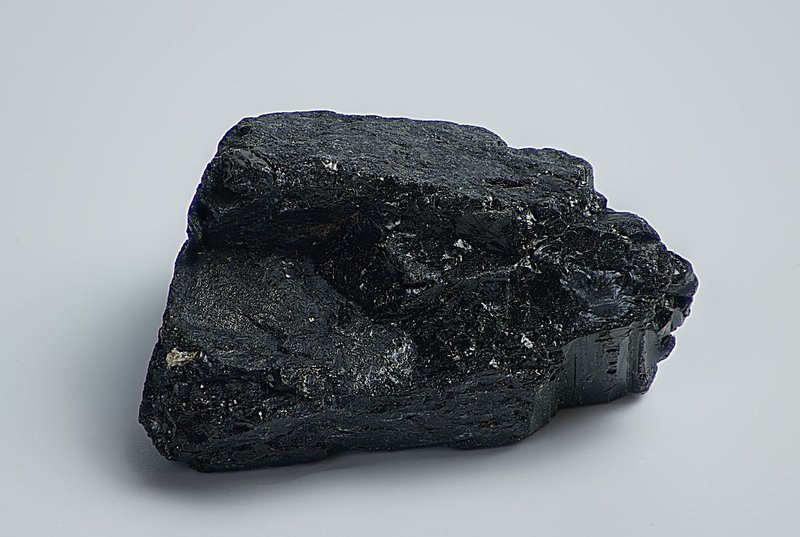
Graphite deposits cluster in the southeast, with the Bunyu project in Mtwara Region holding the largest graphite mineral resource identified in the country so far. Like nickel and rare earths, graphite’s relevance here is less about current export revenue and more about where global battery demand is headed — graphite makes up the anode in most lithium-ion batteries, and Tanzania’s deposits are large enough to draw interest from battery-supply-chain investors even before large-scale production ramps up.
Diamonds
Diamonds come almost entirely from one source: the Williamson mine, south of Mwanza near the Shinyanga-Mwanza border, operating out of one of the larger diamond-bearing kimberlite pipes by surface area anywhere in the world. Production has been steady rather than spectacular for years, and diamonds — along with gemstones and tanzanite combined — account for less than one percent of total mineral recovery value nationally. It’s a legacy operation more than a growth story, but it’s been running long enough that it’s practically infrastructure at this point.
Coal
Coal gets the least attention of anything on this list, and for good reason: it’s mined at a genuinely small scale, mostly for domestic use. Kiwira, in Mbeya Region, and the Tancoal operation at Ngaka in Ruvuma Region are the two sites doing most of the work, feeding local power generation and cement production rather than export markets. If you’re researching Tanzania for its export-facing mineral sector, coal is the one entry here you can mostly set aside.
Tanzania’s minerals at a glance
| Mineral | Region | Scale / reserves | Status |
|---|---|---|---|
| Gold | Lake Victoria greenstone belt (Geita, Shinyanga, Mara) | Among Africa’s largest gold producers by output | Producing; $5.5B in exports (year to May 2026) |
| Tanzanite | Mererani Hills, Manyara | ~50 million carats confirmed; world’s only source | Producing; ~$19.4M exports (2024) |
| Nickel | Kagera–Kigoma–Mbeya–Ruvuma–Mtwara belt (Kabanga) | ~500,000 t nickel, 75,000 t copper, 45,000 t cobalt | Pre-production; FID targeted 2026 |
| Rare earths | Ngualla, Songwe (Mbeya) | 214.9 Mt at 2.24% TREO | Pre-production; first output targeted late 2026 |
| Graphite | Bunyu, Mtwara | Largest graphite resource in the country | Development stage |
| Diamonds | Williamson mine, near Mwanza/Shinyanga | One of the world’s largest kimberlite pipes by area | Producing; steady, low volume |
| Coal | Kiwira (Mbeya), Ngaka (Ruvuma) | Small-scale | Producing; domestic use only |
Why this matters beyond the mining ministry
Mining’s contribution to Tanzania’s GDP has climbed into double digits — government figures put it around 10 to 12 percent in recent reporting, a level the sector wasn’t close to a decade ago. Mineral exports rose roughly 31% year over year to about $5.4 billion, and mining revenue collected by the government reached TZS 1.394 trillion in the 2025/26 financial year, beating its own target by 16%. The Tanzania High Commission’s own account of the sector frames minerals as central to the country’s development plans rather than a side industry, and the Ministry of Minerals has been pushing value-addition policy — processing more ore domestically instead of shipping it out raw.
That’s the real shape of the story: one mature, dominant commodity in gold; one geological one-off in tanzanite that no other country can compete on; and a cluster of nickel, graphite, and rare earth projects that are still, as of mid-2026, more promise than production. Whether Tanzania becomes a serious supplier to battery and magnet supply chains hinges on decisions — Kabanga’s and Ngualla’s final investment calls chief among them — that hadn’t landed yet at the time of writing.