Table of Contents
- TLDR
- Potential vs. Kinetic: The Only Split That Matters
- 1. Chemical Energy
- 2. Nuclear Energy
- 3. Gravitational Energy
- 4. Elastic Energy
- 5. Radiant Energy
- 6. Thermal Energy
- 7. Sound Energy
- 8. Electrical Energy
- 9. Mechanical Energy
- 10. Motion Energy (Kinetic, in Its Purest Form)
- Comparison Table: All 10 Types at a Glance
- Renewable vs. Non-Renewable: A Different Kind of Split
- Quick Self-Check
TLDR
Every kind of energy is either stored (potential) or moving (kinetic), and the ten types below cover both. Chemical, nuclear, gravitational, and elastic energy are potential — they’re waiting. Thermal, sound, electrical, mechanical, and radiant energy are kinetic — they’re doing something right now. A car battery, a stretched rubber band, and a boulder at a cliff’s edge are all potential energy stored in different ways; a spinning fan blade, a ringing bell, and sunlight hitting your skin are all kinetic energy already in motion. The table further down lists three examples for each type, plus where you’d run into it on an ordinary day.
Potential vs. Kinetic: The Only Split That Matters
Every science teacher starts here for a reason: once you can sort energy into “stored” or “moving,” everything else is just vocabulary.
Potential energy is energy an object has because of its position, its chemical structure, or how it’s been deformed. It’s not doing anything yet — it’s waiting to. A book on a shelf, a loaded spring, a full gas tank.
Kinetic energy is energy in motion. The instant that book falls, that spring releases, that gas ignites, the stored energy converts into movement, heat, sound, or light. Energy doesn’t disappear when it converts — it just changes form. That single idea (conservation of energy) is why the “how it converts” note matters for each type below: nothing on this list is static. It’s all mid-transformation, somewhere.
1. Chemical Energy
Chemical energy is stored in the bonds between atoms and molecules. Break the bonds — through burning, digesting, or a battery discharging — and that stored energy releases as heat, light, or motion.
- Food. Your body breaks down the chemical bonds in a sandwich to power your muscles and keep your organs running.
- Batteries. A AA battery holds chemical energy that converts to electrical energy the moment you close the circuit.
- Wood and gasoline. Burning either one breaks chemical bonds fast, releasing heat and light — that’s combustion, and it’s chemical energy converting to thermal and radiant energy in real time.
Converts to: thermal energy (burning), electrical energy (batteries), or kinetic energy (your body turning a sandwich into a sprint).
2. Nuclear Energy
Nuclear energy is stored inside the nucleus of an atom — in the forces holding protons and neutrons together. It takes far more energy to break those bonds than chemical bonds, which is why nuclear reactions release so much more energy per unit of mass than burning anything ever could.
- Nuclear power plants split uranium atoms (fission) to generate heat, which turns water into steam that spins turbines.
- The sun fuses hydrogen into helium (fusion) in its core, which is where almost every other form of energy on Earth ultimately traces back to.
- Smoke detectors contain a tiny amount of americium-241, whose radioactive decay ionizes air inside the sensor to detect smoke.
Converts to: thermal energy first, which then converts to electrical energy at a power plant, or to radiant energy in the case of the sun.
3. Gravitational Energy
Gravitational potential energy depends on an object’s height and mass — how far it could fall. The higher up and heavier something is, the more energy it’s storing.
- Water behind a dam sits at height, and letting it flow down through turbines is how hydroelectric plants generate electricity.
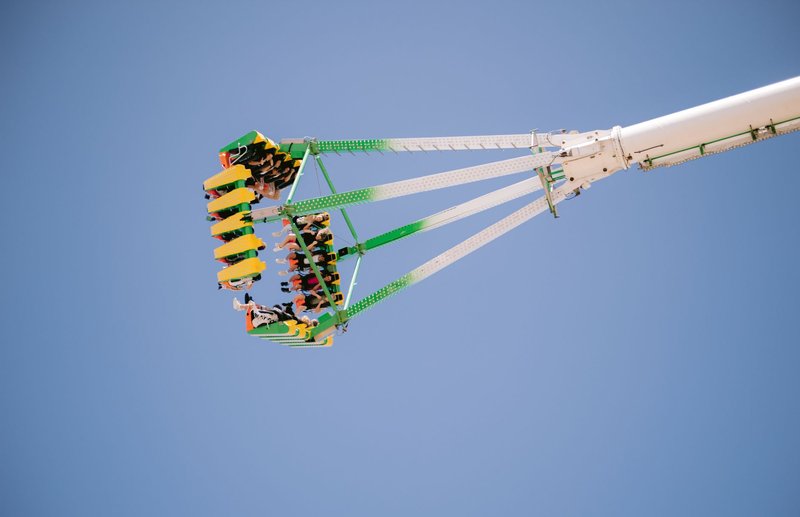
- A roller coaster at the top of the first hill has all the energy it needs for the entire ride stored right there — everything after is that energy converting to motion.
- A hammer raised above a nail converts gravitational energy into the kinetic energy of the swing the moment you let it drop.
Converts to: kinetic energy as the object falls (a hydroelectric dam is the clearest large-scale example — gravitational to kinetic to electrical, all in one system).
4. Elastic Energy
Elastic energy is stored when a material is stretched, compressed, or twisted away from its natural shape, and released when it snaps back.
- A stretched rubber band holds elastic energy that launches a paper wad the instant you let go.
- A compressed spring in a pogo stick, a mattress, or a mechanical watch stores energy that releases as motion.
- A drawn bow converts the archer’s effort into stored elastic energy, released almost instantly into the arrow’s kinetic energy.
Converts to: kinetic energy, almost always immediately and almost always fast.

5. Radiant Energy
Radiant energy is electromagnetic energy that travels in waves — light, radio waves, microwaves, X-rays. It doesn’t need a physical medium to move through, which is why sunlight can cross empty space to reach Earth.
- Sunlight is radiant energy that plants convert into chemical energy through photosynthesis — the starting point for almost every food chain on the planet.
- Microwaves use radiant energy to vibrate water molecules in food, converting radiant energy directly into thermal energy.
- A lightbulb converts electrical energy into radiant energy (light) and, less usefully, thermal energy (heat you didn’t ask for).
Converts to: chemical energy (photosynthesis), thermal energy (anything that absorbs it and warms up), or electrical energy (solar panels).
6. Thermal Energy
Thermal energy is the kinetic energy of atoms and molecules vibrating and moving inside a substance. More movement means more heat. It’s kinetic energy, just at a scale too small to see directly.
- A campfire converts the chemical energy in wood into thermal energy you can feel from several feet away.
- A stovetop burner converts electrical or chemical energy into thermal energy that transfers into a pot of water.
- Geothermal vents carry thermal energy up from the molten rock beneath Earth’s crust, sometimes used directly to generate electricity.
Converts to: almost anything — thermal energy is where a lot of other energy types end up, since friction and inefficiency in machines usually escape as heat.
7. Sound Energy
Sound energy is the kinetic energy of vibrating air molecules (or molecules in water, or a solid) reaching your eardrum as a pressure wave.
- A guitar string converts elastic energy (from being plucked) into vibration, which pushes air molecules and produces sound energy.
- Your vocal cords convert the mechanical energy of exhaled air into sound waves shaped into speech.
- A speaker cone converts electrical energy into the mechanical vibration that produces sound.
Converts to: almost nothing efficiently — sound energy dissipates into thermal energy fairly quickly as it travels, which is part of why sound fades with distance.
8. Electrical Energy
Electrical energy comes from the movement of electrons through a conductor. It’s one of the most useful forms because it converts easily into almost every other type.
- A wall outlet delivers electrical energy generated somewhere else — a power plant converting chemical, nuclear, or gravitational energy into electrical energy first.
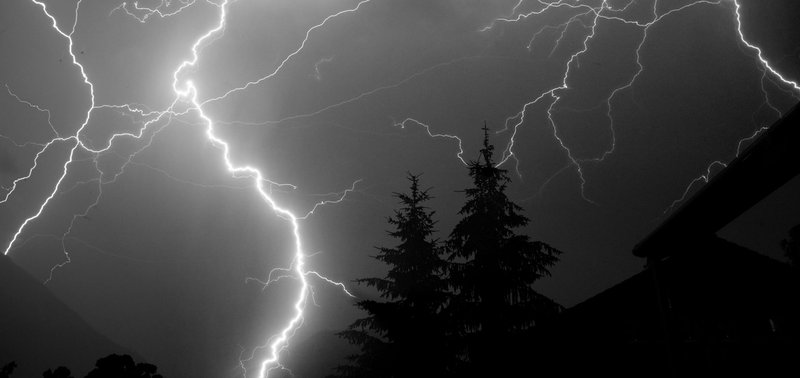
- Lightning is a massive, uncontrolled discharge of electrical energy built up between clouds and the ground.
- A phone battery charging stores incoming electrical energy as chemical energy, then reverses the process every time you use the phone.
Converts to: almost everything — light (radiant), heat (thermal), motion (kinetic via a motor), and sound (through a speaker).
9. Mechanical Energy
Mechanical energy is the sum of an object’s kinetic and potential energy due to motion and position together. It’s less a distinct “type” than a way of describing systems where both are constantly trading places.
- A pendulum swings between maximum potential energy (at the top of each arc) and maximum kinetic energy (at the bottom) — mechanical energy is the total, and in an ideal system it stays constant.
- A wind-up clock stores elastic potential energy in a coiled spring and releases it steadily as the mechanical energy that turns the gears.
- A see-saw converts gravitational potential energy on one side into kinetic energy of motion, back and forth.
Converts to: it’s already a combination, so it mostly just redistributes between its own kinetic and potential halves — until friction bleeds some of it off as heat.
10. Motion Energy (Kinetic, in Its Purest Form)
While every moving object technically has kinetic energy, it’s worth calling out on its own because it’s the end state almost everything else eventually converts into.
- A moving car carries kinetic energy proportional to its mass and the square of its speed — which is why doubling your speed quadruples the energy a crash has to dissipate.
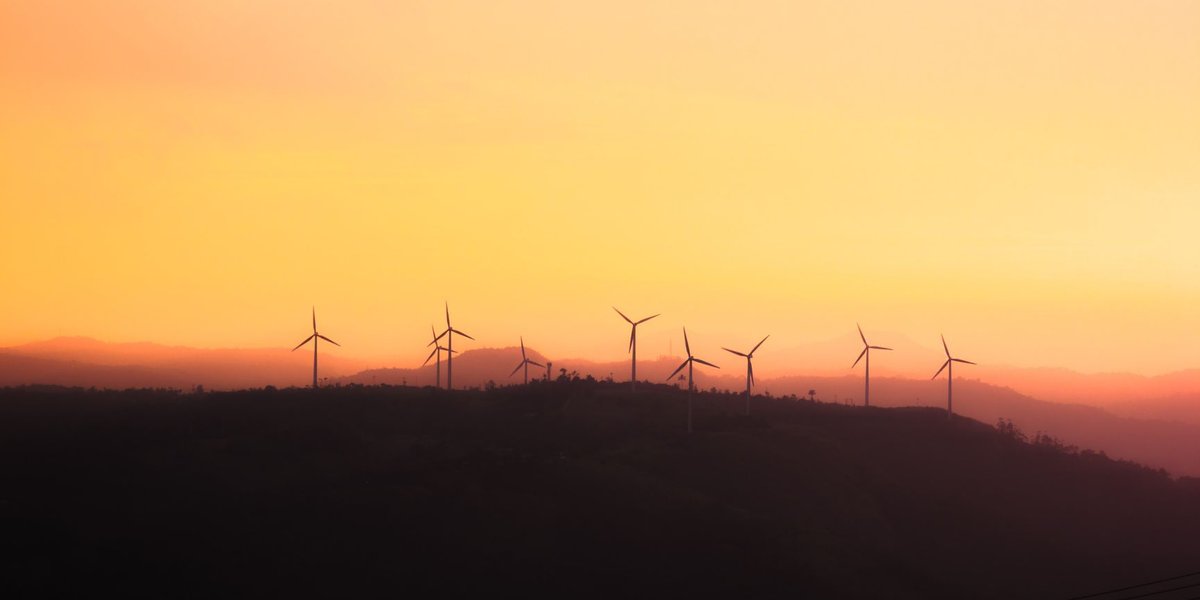
- Wind is kinetic energy in moving air, which wind turbines convert into electrical energy.
- A thrown baseball carries the kinetic energy your arm supplied through mechanical motion, right up until gravity and air resistance take it back.
Converts to: thermal energy (via friction, almost always, eventually), or back into potential energy if the motion is working against gravity, like a ball thrown upward.
Comparison Table: All 10 Types at a Glance
| Energy Type | Category | 3 Examples | Where You See It Daily |
|---|---|---|---|
| Chemical | Potential | Food, batteries, gasoline | Eating breakfast, starting a car |
| Nuclear | Potential | Uranium fission, the sun’s core, smoke detectors | Power plants, sunlight |
| Gravitational | Potential | Water behind a dam, a roller coaster’s first hill, a raised hammer | Hydroelectric power, playgrounds |
| Elastic | Potential | Rubber bands, springs, a drawn bow | Trampolines, mattresses, archery |
| Radiant | Kinetic | Sunlight, microwaves, lightbulbs | Warming up outside, reheating leftovers |
| Thermal | Kinetic | Campfires, stovetops, geothermal vents | Cooking, home heating |
| Sound | Kinetic | Guitar strings, vocal cords, speakers | Conversation, music |
| Electrical | Kinetic | Wall outlets, lightning, phone batteries | Charging devices, powering appliances |
| Mechanical | Both | Pendulums, wind-up clocks, see-saws | Clocks, playground equipment |
| Motion (kinetic) | Kinetic | Moving cars, wind, thrown objects | Driving, weather |
Renewable vs. Non-Renewable: A Different Kind of Split
The potential/kinetic split describes how energy behaves. Renewable versus non-renewable describes where it comes from and whether it runs out — a separate question worth keeping distinct, since the two get mixed up often.
Non-renewable sources — coal, oil, natural gas, and nuclear fuel — release stored chemical or nuclear energy that took millions of years to form (or, for nuclear fuel, took mining and enrichment) and can’t be replaced on any human timescale. According to the U.S. Energy Information Administration, fossil fuels still supply roughly 60% of U.S. electricity generation.
Renewable sources — solar, wind, hydroelectric, and geothermal — draw on energy that replenishes continuously: the sun’s radiant energy, wind’s kinetic energy, water’s gravitational energy, and the Earth’s thermal energy. None of them “run out” on a human timescale, though all of them depend on location and weather.
Notice that renewable and non-renewable sources map onto the same ten energy types above — the distinction isn’t a new category of energy, just a different lens on where it’s sourced from and how fast nature restocks it.
Quick Self-Check
Try sorting these before you scroll back up:
- A charged phone battery sitting on a table — potential or kinetic?
- Wind spinning a turbine blade — potential or kinetic?
- A stretched slingshot, not yet released — potential or kinetic?
- Sunlight hitting a solar panel — potential or kinetic?
(Answers: potential, kinetic, potential, kinetic — radiant energy counts as kinetic because it’s already traveling, even though nothing about it looks like “motion” in the everyday sense.)
That last one trips up most people the first time. It’s also the best proof that the potential/kinetic split isn’t about what an object looks like — it’s about whether the energy is stored or already on its way somewhere.