Table of Contents
- Petroleum and Natural Gas
- Hydropower
- Minerals and Mining
- Fisheries and Aquaculture
- Forestry
- The Government Pension Fund Global
- What Comes Next
Norway has 5.5 million people and one of the largest sovereign wealth funds on Earth, worth over $1.6 trillion. That’s not an accident of geography so much as an accident followed by four decades of unusually disciplined decision-making. The geography did its part first: a long coastline for fish, a mountainous interior for hydropower, and — starting in 1969 — an oil field under the North Sea that nobody expected to find.
Most explainers on this topic either give you a bullet-point fact sheet or a 4,000-word economics lecture. This is the middle path: five resources, one fund, and the specific numbers that make each one make sense.
Petroleum and Natural Gas
Quick stat: Norway is the largest oil and gas producer in Western Europe and the world’s third-largest natural gas exporter.
The Ekofisk field, discovered in 1969 in the Norwegian North Sea, was the find that changed everything. Before that, Norway was a fishing and shipping economy with a modest hydropower base. After it, the country became a petrostate — except one that didn’t behave like most petrostates.
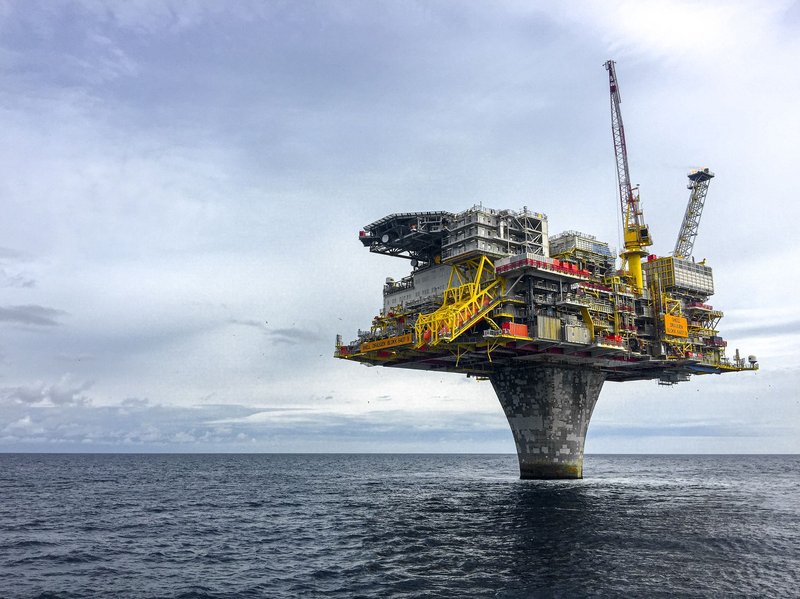
Norway’s continental shelf holds roughly 8-9 billion standard cubic meters of oil equivalent still recoverable, spread across the North Sea, Norwegian Sea, and Barents Sea. Production peaked around 2001 and has declined since as older fields like Ekofisk and Statfjord mature, though new discoveries in the Barents Sea — including the Johan Castberg field, which came online in 2024 — have kept output from collapsing. Equinor, the state-controlled operator (formerly Statoil), runs most of the offshore infrastructure and remains majority-owned by the Norwegian government.
What separates Norway from, say, Venezuela or Nigeria is what happens to the money once it’s extracted. Norway taxes petroleum profits at a marginal rate above 78%, and nearly all of that revenue gets routed directly into the sovereign wealth fund rather than the general budget — a mechanism explained in detail further down.
Hydropower
Quick stat: Roughly 88-90% of Norway’s electricity generation comes from hydropower, among the highest shares of any country on the planet.
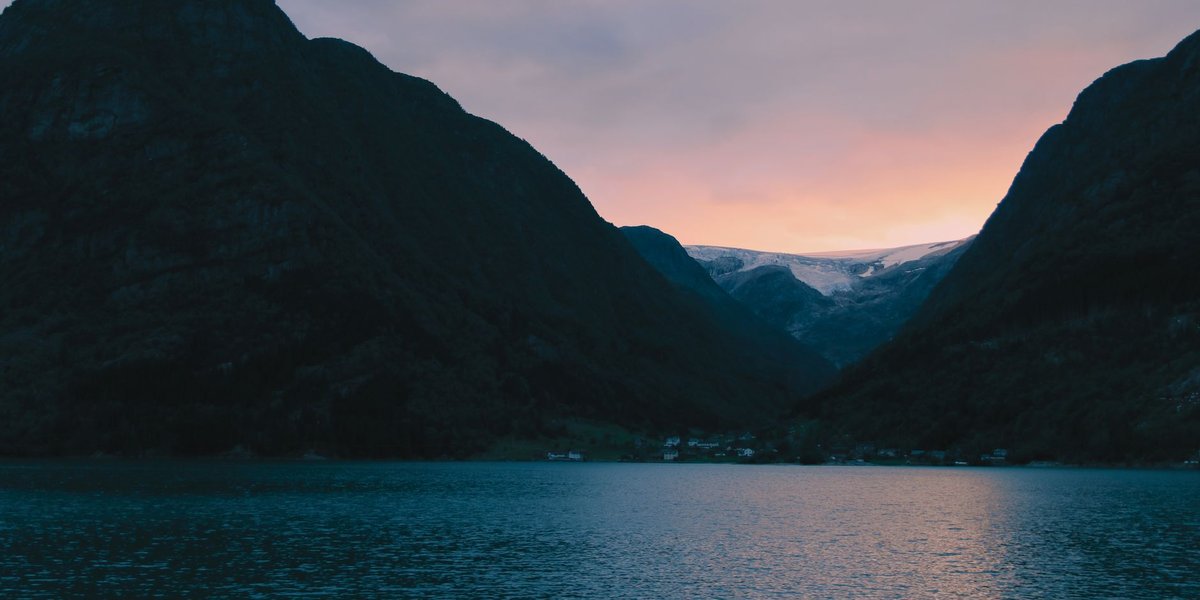
Norway’s mountains and heavy rainfall create ideal conditions for hydroelectric dams, and the country has been building them for over a century — the first major hydropower plant, at Hafslund, opened in 1892, decades before oil was ever found. Today there are more than 1,600 hydropower plants scattered across the country, feeding a domestic grid so clean that Norway generates a comparable amount of renewable electricity per capita to almost anywhere else in the world.
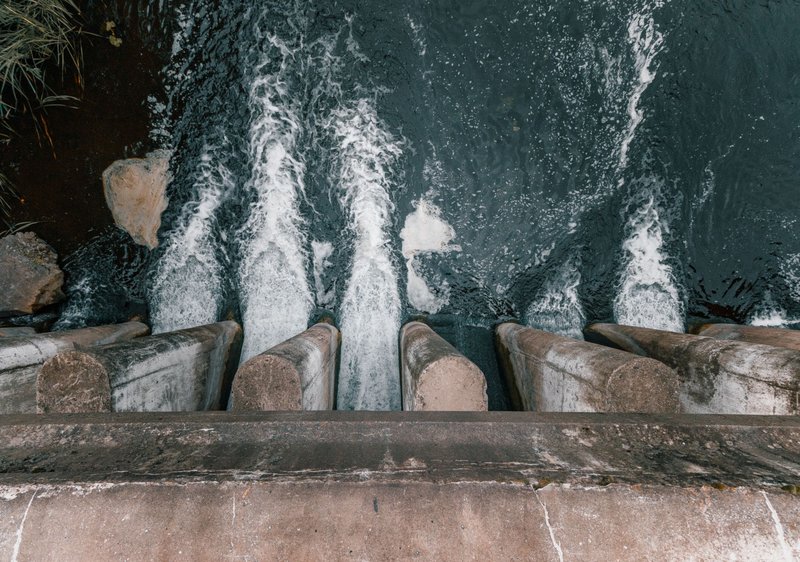
This abundance has odd downstream effects. Electricity is cheap enough that Norway has become a hub for energy-intensive industries like aluminum smelting, and the country exports surplus power to Denmark, the UK, and Germany via subsea interconnector cables. It also means Norway’s own electricity supply is almost entirely decoupled from its oil wealth — the country burns very little of its own fossil fuel output. Nearly all of it is exported.
Minerals and Mining
Quick stat: Norway holds some of Europe’s largest untapped deposits of phosphate rock, along with active production of titanium, nickel, and construction-grade minerals.
Mining is the quieter resource story here — nowhere near the scale of oil or hydropower, but strategically relevant. The Fen Carbonatite Complex, in Telemark, contains an estimated 280 million tonnes of phosphate rock, a mineral essential to fertilizer production and one where global supply is concentrated in just a few countries (mainly Morocco and China). Norwegian firm Norge Mining has been developing the site with an eye toward reducing European dependence on imported phosphate.
Elsewhere, Norway produces titanium dioxide feedstock (used in paint, plastics, and paper) from mines like Tellnes in the south, along with nickel, olivine, and dimension stone. None of it rivals petroleum revenue, but as Europe pushes to diversify critical mineral supply chains away from China, Norway’s deposits have drawn renewed interest from the EU.
Fisheries and Aquaculture
Quick stat: Norway is the world’s largest exporter of farmed Atlantic salmon, shipping seafood to more than 100 countries.
Fishing predates every other resource on this list — Norwegians have worked these waters since the Viking age — but the modern industry looks nothing like the old one. Wild-catch fisheries for cod, herring, and mackerel still matter, managed under quota systems shared with Russia and the EU to prevent the kind of collapse that hit Newfoundland’s cod stocks in the 1990s. But the real growth story is aquaculture.
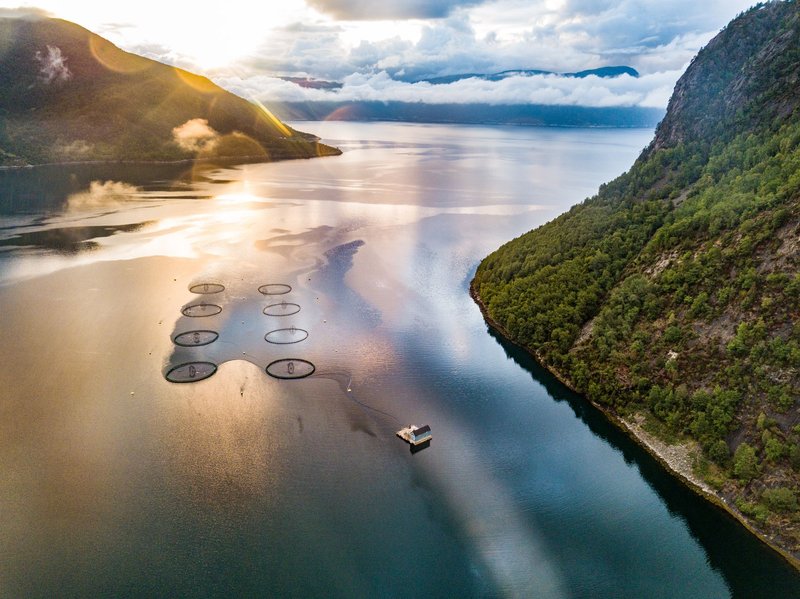
Salmon farming took off along the western fjords starting in the 1970s, where cold, well-flushed water and sheltered coastline turned out to be close to ideal for pens. Norway now produces well over a million tonnes of farmed salmon annually, and seafood as a whole is the country’s second-largest export category after oil and gas — worth more than $14 billion a year. The industry isn’t without friction: sea lice infestations and escaped farmed fish interbreeding with wild salmon populations are ongoing regulatory headaches, and Norway has tightened licensing rules in response.
Forestry
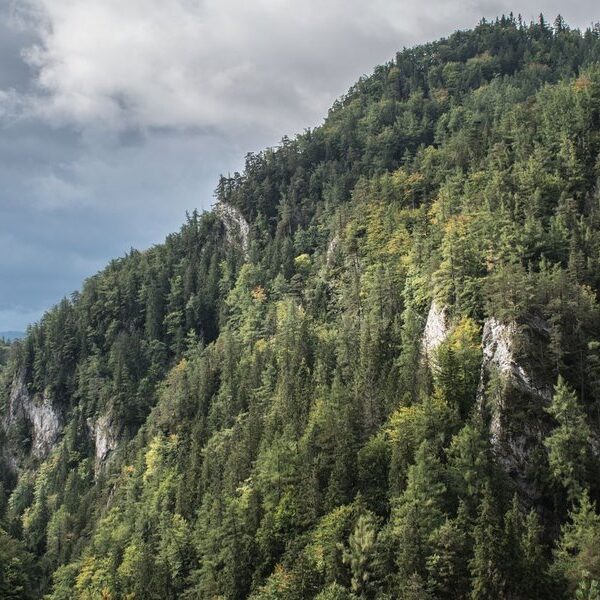
Quick stat: Forest covers about 38% of mainland Norway, and the country harvests only a fraction of its annual growth — meaning the standing timber volume keeps increasing.
Forestry gets the least attention of Norway’s resources, partly because it’s genuinely smaller in economic terms, and partly because Norway manages it conservatively. Spruce and pine dominate, concentrated in the southeast, and the industry feeds sawmills, pulp and paper production, and a growing bioenergy sector that converts wood waste into heating fuel.
What makes Norwegian forestry worth a mention is the sustainability angle that most competing resource breakdowns skip entirely. Norway harvests roughly half of its annual forest growth, a ratio that’s kept standing timber volume climbing since record-keeping began last century. Combined with reforestation requirements written into forestry law, it’s one of the rare resource sectors here that’s expanding its base rather than drawing it down — a useful contrast to the finite, depleting nature of the oil beneath the North Sea.
The Government Pension Fund Global
Quick stat: The fund holds more than $1.6 trillion in assets, or roughly $300,000 for every Norwegian citizen, and owns about 1.5% of all publicly listed shares worldwide.
Here’s the part every resource writeup mentions and almost none actually explains: how does a country turn oil money into the largest sovereign wealth fund on the planet without spending it into a housing bubble or a corruption scandal?
The mechanics are almost boringly disciplined. Norway established the fund in 1990 — before it had any oil profits to put in it, which forced the political system to agree on the rules first. Petroleum tax revenue and the state’s direct financial interest in oil fields flow into the fund automatically. From there, a fiscal rule (informally called the “handle rule”) caps annual government withdrawals from the fund at roughly 3% of its total value, based on the assumption that this approximates the fund’s long-term expected real return. The rest compounds.

Crucially, the fund invests almost nothing inside Norway itself. It holds equities, bonds, and real estate spread across more than 70 countries, specifically to avoid inflating the domestic economy or creating a dependency where Norwegian politics gets captured by its own oil wealth. Norges Bank Investment Management runs the portfolio at arm’s length from elected officials, publishing its holdings — down to individual company stakes — publicly every year, a transparency norm that’s unusual among sovereign funds of comparable size.
The result is a form of resource management that converts a depleting asset (oil, which will eventually run out) into a permanent one (a diversified global portfolio that, in theory, keeps paying dividends long after the last barrel comes out of the North Sea).
What Comes Next
Norway’s resource base is shifting even as this piece is being written. Oil production is on a long, managed decline, and the government has already begun redirecting energy policy toward offshore wind — the Norwegian Sea and North Sea have wind conditions comparable to the oil basins beneath them, and floating turbine technology (Norway pioneered the Hywind floating wind concept off Scotland) is maturing fast enough to make deepwater sites viable. Hydropower capacity is also being expanded modestly through upgrades to existing dams rather than new rivers, since most of the good sites are already built out.
The throughline across petroleum, hydropower, minerals, fish, and forest is less about any single resource and more about a pattern: extract carefully, tax heavily, save aggressively, and don’t let short-term windfalls dictate long-term policy. Whether that pattern survives the transition away from oil is the open question. But it’s the reason Norway’s resource story reads so differently from most others — the resources were never really the point. What Norway did with them was.