TLDR
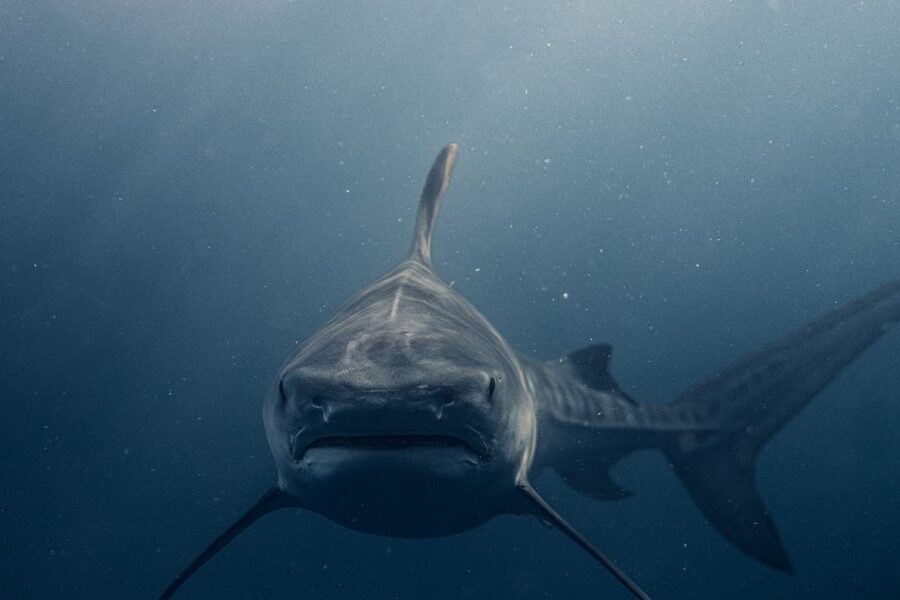
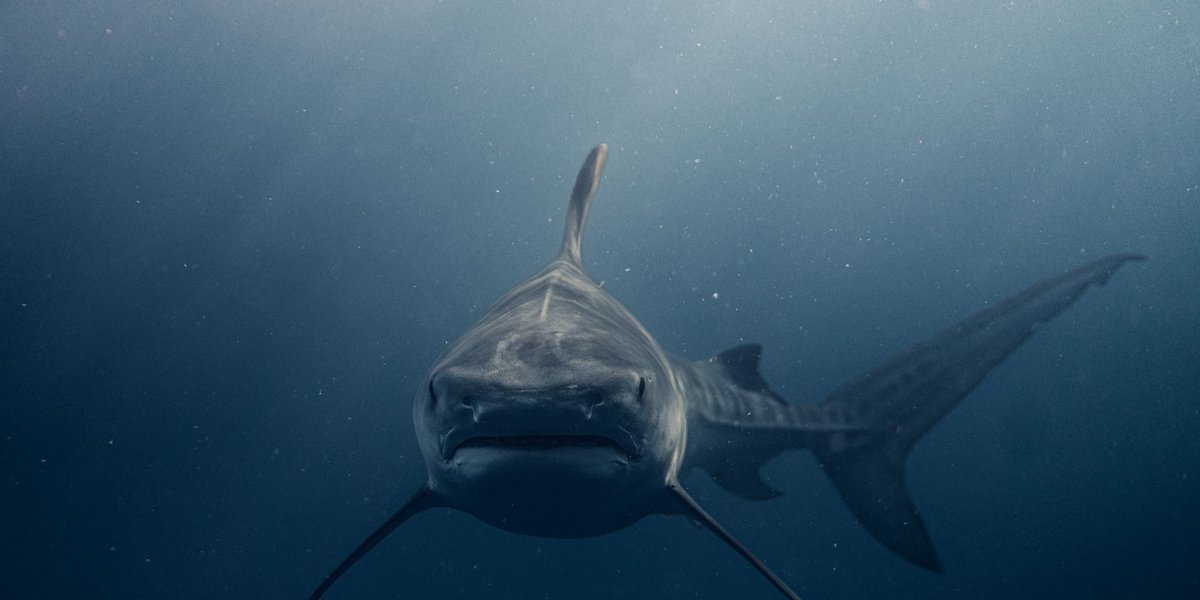
Cartilaginous fish — sharks, rays, skates, and chimaeras — belong to a group called Chondrichthyes, and their entire skeleton is built from cartilage, not bone. That single trait explains almost everything else about them: how they float, how they sense prey, and how they’ve survived roughly 450 million years without much need to change the formula. There are about 1,200 living species split across three lineages, and none of them have a single bone in their body.
Table of Contents
- What “Cartilaginous” Actually Means
- The Anatomy That Gives Them Away
- Three Groups, One Skeleton
- How They Reproduce
- 450 Million Years and Still Here
- FAQ
What “Cartilaginous” Actually Means
Cartilage is the same flexible tissue that shapes your ears and the tip of your nose. In bony fish — and in us — it’s a placeholder, a scaffold that mostly hardens into bone as an animal grows. In sharks, rays, skates, and chimaeras, it never does. Their entire skeleton, skull included, stays cartilage for life, sometimes reinforced with mineral deposits called tesserae that add stiffness without adding true bone.
This isn’t a lesser version of a skeleton. Cartilage is lighter than bone and more flexible, which is exactly what an animal needs if it’s going to fold its body into tight turns at speed or, in the case of a manta ray, fly through water with wing-like pectoral fins. The trade-off is that cartilage doesn’t fossilize as readily as bone, which is part of why so much of what we know about ancient sharks comes from teeth and scales rather than complete skeletons.
Scientists group these animals under the class Chondrichthyes, a word built from the Greek for cartilage and fish. It’s a tidy label for a genuinely different body plan, not a variation on the bony fish theme.
The Anatomy That Gives Them Away
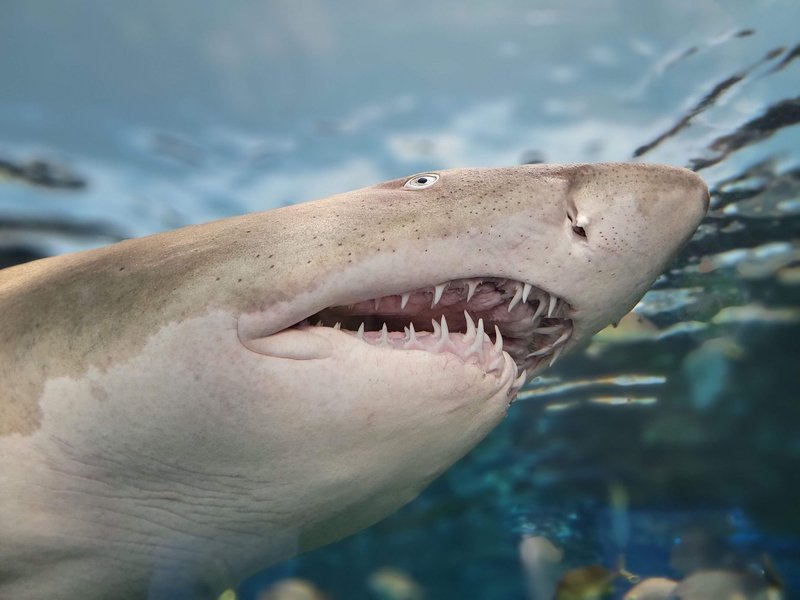
Skip the skeleton for a second and look at the outside of the animal, because cartilaginous fish give themselves away in a few other ways too.
Gill slits, not gill covers. Bony fish have a single bony flap, the operculum, hiding their gills behind one opening per side. Sharks and their relatives have five to seven separate slits exposed on the body, no cover at all. Count the slits on a shark’s flank and you’ve got a rough guide to the species — most have five, a few basking and sixgill species run to six or seven.
No swim bladder. Bony fish stay neutrally buoyant by adjusting a gas-filled swim bladder. Cartilaginous fish don’t have one. Instead, many species carry an oversized, oil-rich liver — sometimes a quarter of their total body weight — packed with a low-density compound called squalene that provides lift. It’s a slower, cruder buoyancy system, and it’s a big reason bottom-dwelling rays and skates lie on the seafloor rather than hover in open water the way a bony fish might.
Ampullae of Lorenzini. Named for the Italian anatomist who first described them in 1678, these are jelly-filled pores clustered around the snout that detect the faint electrical fields every living animal generates just by having a beating heart and firing muscles. A shark can find a flatfish buried in sand using nothing else. It’s a sense bony fish don’t have in anything close to the same resolution, and it’s part of why sharks can strike prey they can’t see or smell.
Placoid scales. Run a hand along shark skin from tail to head and it feels like sandpaper, because the skin is covered in tiny tooth-like structures called dermal denticles rather than the flat, overlapping scales of a bony fish. They reduce drag, which is one reason competitive swimwear has, at various points, copied the texture.
Three Groups, One Skeleton
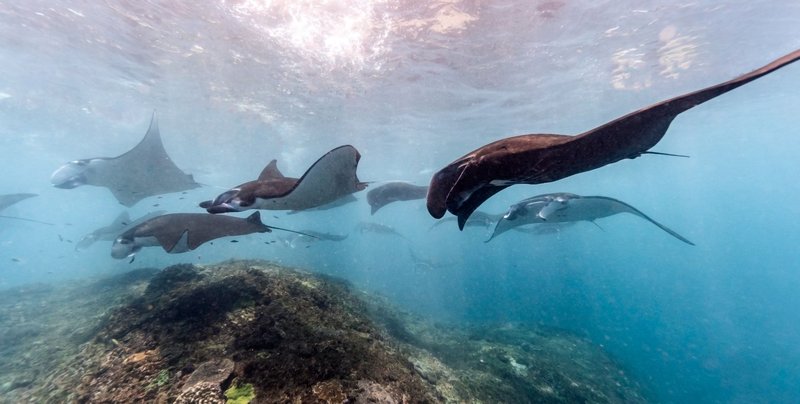
Chondrichthyes splits into two subclasses, and from there into three groups people actually recognize.
Sharks — roughly 500 species, from the 8-inch dwarf lanternshark to the 60-foot whale shark, the biggest fish alive. Most have a torpedo body built for open-water swimming.
Rays and skates — around 630 species with flattened bodies and pectoral fins fused into wing-like discs. Rays tend to bear live young and often carry a venomous tail spine; skates lay egg cases and generally lack the spine. They’re easy to lump together, but the reproductive difference is real.
Chimaeras — sometimes called ratfish or ghost sharks, a smaller group of around 50 deep-sea species with smooth skin, a single external gill opening covered by an operculum-like flap, and large eyes built for near-total darkness. They branched off from sharks and rays roughly 400 million years ago and look it — chimaeras are the group’s genuine oddballs.
| Trait | Sharks | Rays & Skates | Chimaeras |
|---|---|---|---|
| Species count | ~500 | ~630 | ~50 |
| Body shape | Torpedo/fusiform | Flattened disc | Tapered, rat-like tail |
| Gill slits | 5–7, exposed | 5–6, on underside | 1, covered by flap |
| Habitat | Open water, reef, deep sea | Seafloor, coastal to deep | Deep sea only |
| Typical reproduction | Egg-laying or live birth | Egg-laying (skates) or live birth (rays) | Egg-laying |
How They Reproduce
Cartilaginous fish don’t spawn thousands of eggs into open water the way most bony fish do. Fertilization is internal, using modified pelvic fins called claspers in males, and the strategies that follow split three ways.
Oviparous species lay eggs enclosed in a tough protein case — the “mermaid’s purse” that washes up on beaches — and the embryo develops entirely outside the mother, sometimes for over a year before hatching. Ovoviviparous species keep fertilized eggs inside the body, where the pup hatches internally and is born live, still nourished by yolk rather than a placental connection. Viviparous species, including hammerheads and blue sharks, go a step further with a yolk-sac placenta that delivers nutrients directly from mother to embryo, functionally similar to mammalian pregnancy.
Litter sizes stay small compared to bony fish — a handful of pups per cycle is typical, not thousands of eggs. That slow reproductive pace is a big part of why overfishing hits shark and ray populations so hard: a population can’t rebound the way a species producing huge broods can. The IUCN Red List currently classifies over a third of assessed shark and ray species as threatened.
450 Million Years and Still Here
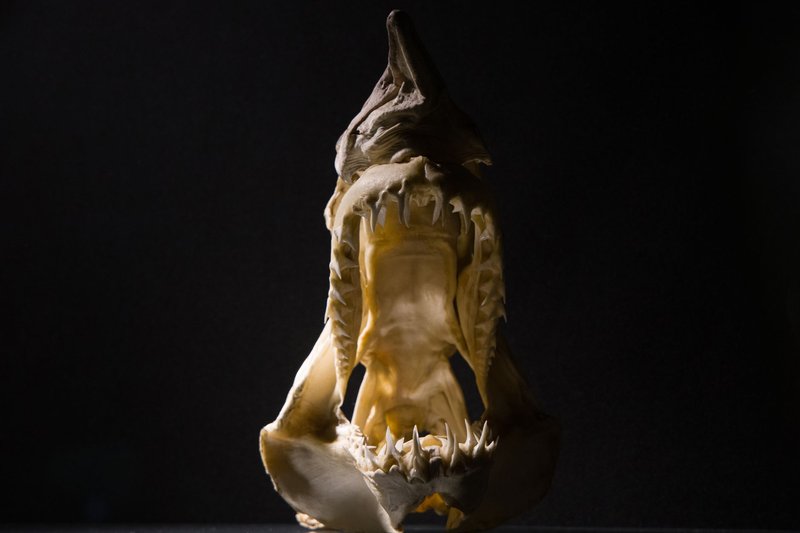
Cartilaginous fish predate trees. The oldest confirmed shark scales date to around 450 million years ago, in the Late Ordovician, and shark-like teeth show up consistently in the fossil record from about 400 million years ago onward — tens of millions of years before the first forests covered land. Because cartilage rarely survives fossilization, most of what paleontologists reconstruct comes from teeth, which are built from durable dentine and enamel and shed constantly throughout an animal’s life.
That fossil record includes genuine giants. Megalodon, extinct for roughly 3.6 million years, left teeth over 7 inches long and is estimated to have reached 50 feet or more, according to research summarized by NOAA Fisheries. Modern great whites, whale sharks, and manta rays are direct evidence that the body plan built around a cartilage skeleton never stopped working — it just kept getting refined.
FAQ
Do sharks have any bones at all? No. Their entire skeleton — skull, jaws, fins — is cartilage, sometimes stiffened with mineral deposits, but there is no true bone anywhere in a shark’s body.
Are cartilaginous fish more primitive than bony fish? Not in any meaningful sense. They’re a separate branch that split off early and kept evolving in parallel; a mako shark’s cardiovascular and sensory systems are every bit as specialized as anything in a bony fish, just built differently.
How many cartilaginous fish species are there? Around 1,200 living species: roughly 500 sharks, 630 rays and skates, and 50 chimaeras, with new species still being described most years.
Are cartilaginous fish dangerous to humans? The overwhelming majority aren’t. Most species are too small, too deep-dwelling, or too uninterested in humans to pose any risk; a small handful, like the great white and bull shark, account for nearly all serious incidents, and even those are rare compared to the number of people in the water worldwide.
Why don’t cartilaginous fish have a swim bladder? Their evolutionary line never developed one. Buoyancy instead comes from a large, oil-rich liver and, in some species, constant swimming to generate lift from their pectoral fins — a different solution to the same problem bony fish solve with gas.