TLDR
Brazil is the world’s second-largest iron ore producer and controls roughly 90% of the world’s niobium — a metal your car, your bridge, and your phone probably depend on without you knowing it. Add in gold, bauxite, manganese, and a gemstone trade that made Minas Gerais the historic epicenter of crystal mining, and you have one of the most mineral-dense countries on the planet. The catch: a meaningful share of that wealth, especially gold, comes out of the Amazon through illegal operations that poison rivers and carve into indigenous land.
Table of Contents
- Why Brazil’s mineral map looks the way it does
- Iron ore: the backbone of the whole operation
- Niobium: the metal you’ve never heard of that Brazil basically owns
- Gold: the 1690s rush that built a colony
- Gemstones: Minas Gerais’s other export
- Bauxite, manganese, and the supporting cast
- The uncomfortable part: illegal mining in the Amazon
- Brazil’s minerals at a glance
- Sourcing Brazilian minerals legally
Why Brazil’s mineral map looks the way it does
Brazil’s mineral wealth isn’t scattered evenly across its 3.3 million square miles. It clusters, hard, in a handful of geological formations that happen to be some of the oldest exposed rock on Earth.
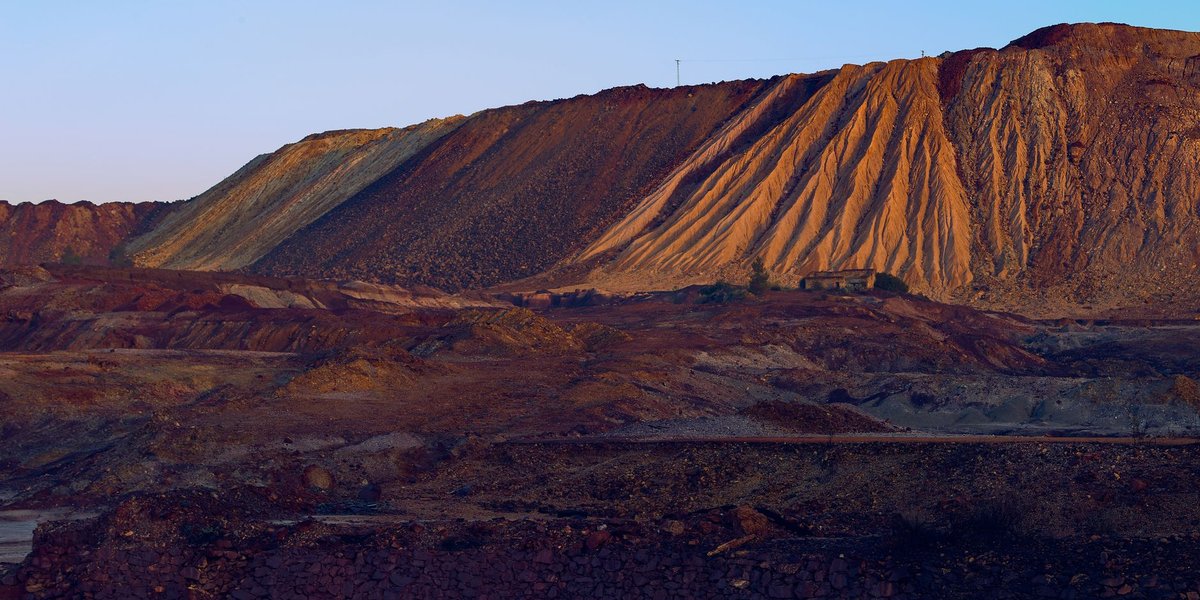
The Quadrilátero Ferrífero — the “Iron Quadrangle” — sits in the state of Minas Gerais and is exactly what it sounds like: a roughly 2,900-square-mile chunk of Precambrian rock so saturated with iron that early Portuguese settlers named towns after it. Pará, in the north, holds the Carajás Mineral Province, home to the largest iron ore deposit ever found. Mato Grosso and Amapá carry the manganese. The Amazon basin has kaolin clay. And scattered through Minas Gerais’s pegmatite fields — mineral-rich rock formed from cooling magma — sit some of the finest colored gemstones on the planet.
Two states, Minas Gerais and Pará, account for most of the value. That’s not a coincidence of infrastructure; it’s a coincidence of geology laid down over a billion years ago.
Iron ore: the backbone of the whole operation
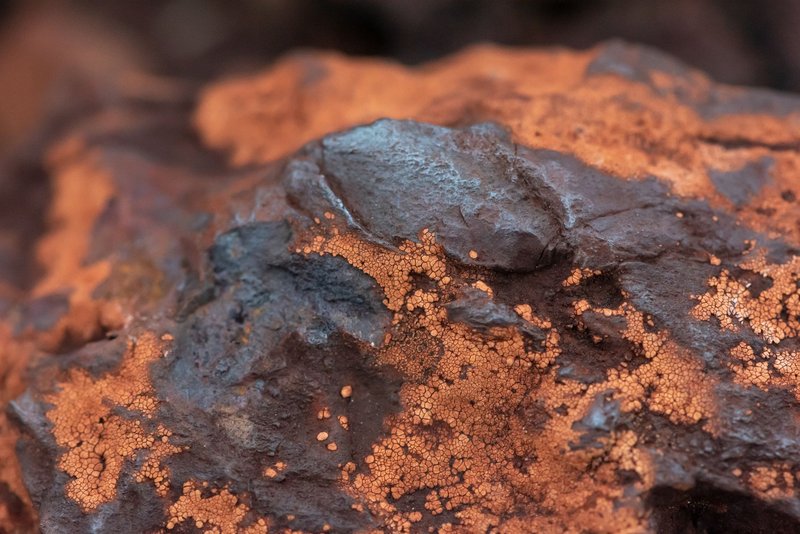
Start with the number that matters most: Brazil produced about 16.7% of the world’s iron ore in 2024, making it the second-largest producer globally, trailing only Australia. It also sits on the world’s second-largest reserves.
Almost all of it funnels through one company: Vale S.A., the mining conglomerate that operates the Carajás complex in Pará and the Iron Quadrangle mines in Minas Gerais. Vale isn’t a Brazilian curiosity — it’s one of the largest mining companies on Earth, full stop, and iron ore exports are a genuine pillar of Brazil’s trade balance. When Vale’s production dips because of a dam failure or a wet rainy season, global steel markets notice.
The ore itself grades high. Carajás ore in particular runs richer in iron content than most of what comes out of competing basins, which is part of why Chinese steelmakers keep buying it despite the shipping distance.
Niobium: the metal you’ve never heard of that Brazil basically owns
If iron ore is Brazil’s headline mineral, niobium is its quiet monopoly. Brazil supplies somewhere around 90% of the world’s niobium, depending on the year, with USGS data putting Brazilian output at roughly 104,000 metric tons against a world total near 112,000. Canada covers most of the rest. Nobody else is close.
Niobium doesn’t show up in consumer products by name, but it’s in a lot of them. Add a small amount to steel and you get an alloy that’s stronger without being heavier — used in car chassis, gas pipelines, jet turbines, and the rebar in earthquake-resistant buildings. A single Brazilian company, CBMM, controls the majority of that global supply from a mine in Araxá, Minas Gerais, which makes it one of the most quietly powerful firms in the industrial world.
That concentration is also a vulnerability. Any country building out infrastructure or defense manufacturing is, whether it admits it or not, dependent on a mine in central Brazil.
Gold: the 1690s rush that built a colony
Long before iron ore or niobium mattered to anyone, gold built colonial Brazil. Prospectors called bandeirantes pushed into the interior in the 1690s and struck massive alluvial gold deposits in what’s now Minas Gerais — the name literally means “General Mines.” The resulting rush pulled in hundreds of thousands of settlers and enslaved people over the following century, funded the Portuguese crown, and left behind baroque colonial towns like Ouro Preto (“Black Gold”) that are now UNESCO World Heritage sites.
Modern gold mining in Brazil is a split story. Legal, industrial operations run to environmental and safety standards. A separate, much less regulated stream comes out of the Amazon, and that part of the story gets its own section below, because it’s not a footnote — it’s one of the more urgent mining stories in South America right now.
Gemstones: Minas Gerais’s other export
Minas Gerais doesn’t just mine iron and gold. It’s the largest gemstone-producing and exporting state in the country, responsible for roughly 74% of Brazil’s official gem output, including imperial topaz, tourmaline, beryl, and brazilianite — several of which occur in commercial quality almost nowhere else on Earth.
Ouro Preto is the only place in the world that produces imperial topaz, the rare orange-to-pink variety prized above the more common blue and colorless kinds, and Brazil is the world’s top producer of topaz overall. Amethyst tells a slightly different geographic story — Brazil dominates global amethyst production, but the biggest deposits sit further south and west, in Rio Grande do Sul and Bahia, not in Minas Gerais itself.
The 18th-century gold rush that built Ouro Preto is the same one that turned Minas Gerais into a crystal-mining epicenter, and that legacy shows up today in a rockhounding and mineral-collecting tourism scene that barely gets mentioned outside geology circles. Collectors fly in specifically to buy from the source, walk active mine tailings, and visit gem markets that have operated in the same towns for two centuries.
Bauxite, manganese, and the supporting cast
Iron, niobium, and gold get the attention, but Brazil’s mineral portfolio runs deeper.
Bauxite — the ore aluminum is refined from — is abundant enough that Brazil holds the world’s fourth-largest reserves, concentrated mainly in Pará around the Trombetas River. Manganese, essential for steelmaking, comes primarily out of Mato Grosso and Amapá. Kaolin, a fine white clay used in paper coating, ceramics, and cosmetics, is mined from Amazon basin deposits and exported at industrial scale.
None of these make headlines the way gold or gemstones do, but together they’re why Brazil shows up on the reserve tables for nearly every major industrial mineral at once — a spread few countries can match.
The uncomfortable part: illegal mining in the Amazon
None of this is a clean story, and it would be dishonest to write about Brazilian minerals without saying so directly.
A significant share of Amazon gold mining happens without legal permits, often on land where mining is explicitly prohibited — including indigenous territories. On Kayapó indigenous land alone, illegal operations have cleared roughly 7,940 hectares of rainforest, the largest such footprint in the Brazilian Amazon, and mining activity on Yanomami land expanded from around 650 hectares in 2019 to over 1,500 hectares in subsequent years, according to PBS News reporting.
The extraction method is the real damage multiplier. Small-scale illegal miners typically use liquid mercury to bind and separate gold particles from sediment, then burn it off — and a lot of that mercury ends up in rivers instead. A Fiocruz study found that 21.3% of fish sold in public Amazon markets exceeded WHO mercury limits, and children in some indigenous communities were found to be consuming mercury at levels up to 31 times the recommended maximum, per peer-reviewed research. Mercury doesn’t stay put — it converts into methylmercury in the water and works its way up the food chain into exactly the fish those communities eat.
Brazil’s government, under increased pressure in recent years, has stepped up enforcement, but the economics are stubborn: gold prices are high, enforcement is thin across an area the size of Western Europe, and organized criminal networks fund a lot of the illegal operations directly.
Brazil’s minerals at a glance
| Mineral | Main Region | Global Standing |
|---|---|---|
| Iron ore | Minas Gerais, Pará (Carajás) | 2nd largest producer worldwide |
| Niobium | Araxá, Minas Gerais | ~90% of global production |
| Gold | Historically Minas Gerais; today also Pará, Amazon basin | Major producer; large illegal sector |
| Bauxite | Pará (Trombetas) | 4th largest reserves worldwide |
| Manganese | Mato Grosso, Amapá | Top-10 global producer |
| Topaz (imperial) | Ouro Preto, Minas Gerais | World’s top producer; only source of imperial topaz |
| Amethyst | Rio Grande do Sul, Bahia | World’s leading producer |
| Kaolin clay | Amazon basin | Major exporter |
Sourcing Brazilian minerals legally
If you’re on the buying side rather than the reading-for-curiosity side — procurement, jewelry sourcing, supply chain due diligence — the legal-vs-illegal distinction above isn’t academic. Brazil requires documentation (a Guia de Utilização, or usage permit, tied to a registered mining claim) for legitimate mineral exports, and traceability has become a bigger deal since international buyers started facing pressure over conflict-adjacent and environmentally destructive sourcing. Buyers who skip that verification step are, in practice, betting that their gold or gemstones didn’t come out of a protected forest or an indigenous reserve.
Vale and CBMM, the two dominant industrial players, operate at a scale and transparency level that makes due diligence straightforward. The gemstone and small-scale gold trade is where the real verification work needs to happen — asking for origin documentation isn’t bureaucratic overkill, it’s the only way to know which story your material actually came from.