Table of Contents
- TLDR
- Why Wyoming Has So Much Underground
- Energy & Industrial Minerals
- Gemstones & Rockhounding Finds
- Where to Go Rockhounding in Wyoming
TLDR
Wyoming isn’t just an oil-and-gas state. It sits on the world’s largest trona deposit, produces most of the uranium mined in the United States, and its state gemstone — jade — turns up in cobbles scattered across the Great Divide Basin. Below are 15 minerals the state actually produces or is known for, split into the industrial workhorses (coal, trona, uranium, bentonite, rare earths, feldspar, gypsum, iron ore) and the ones rockhounds drive out for (jade, agate, petrified wood, opal, diamonds, gold, jasper). Most of the gemstone finds are legal to collect on public land in small quantities — details at the end.
Why Wyoming Has So Much Underground
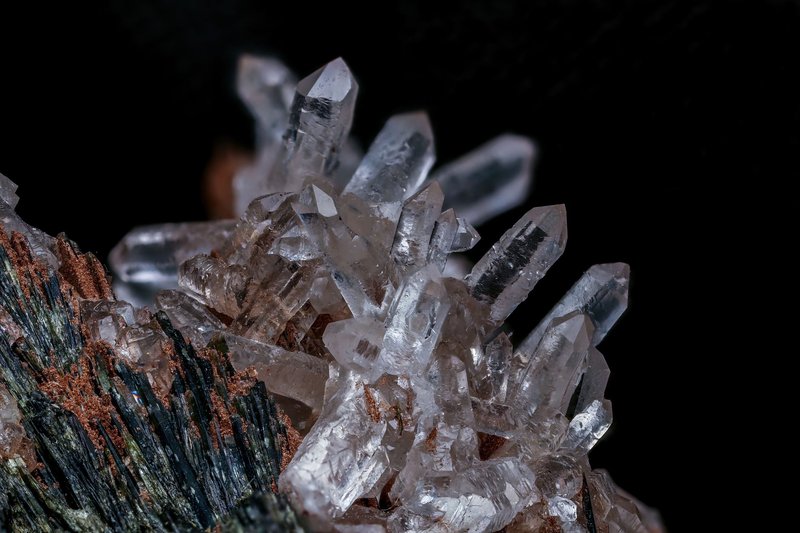
Wyoming’s mineral wealth comes down to timing and geography. The state sits over the remains of a massive Eocene-era lake system — Lake Gosiute — that evaporated and re-flooded repeatedly, concentrating minerals like trona into beds thick enough to mine for a century straight. Layer on top of that a Precambrian granite core exposed by mountain-building in the Rockies, sedimentary basins that trapped uranium-bearing groundwater, and volcanic activity that left behind opal and agate deposits, and you get a state with more mineral diversity per square mile than almost anywhere else in the Lower 48. According to the USGS National Minerals Information Center, Wyoming consistently ranks among the top mineral-producing states by value, driven overwhelmingly by trona, coal, and uranium.
Energy and Industrial Minerals
These are the minerals that show up in Wyoming’s economic reports, not necessarily its rock shops. They’re not exactly collectible, but they explain why entire towns exist where they do.
1. Trona
Wyoming’s Green River Basin holds the largest known trona deposit on the planet — a sodium carbonate mineral that gets refined into soda ash, the stuff behind glass manufacturing, baking soda, and water treatment. The beds around Green River run over 400 feet thick in places, and mining companies have been pulling from the same seam since the 1940s without running out. Roughly nine out of every ten tons of soda ash produced in the U.S. traces back to this one basin.
2. Coal
The Powder River Basin in northeast Wyoming produces more coal than any other coal-mining region in the country, and it isn’t particularly close. The coal here sits in seams up to 200 feet thick, close enough to the surface that it’s strip-mined rather than tunneled, which keeps extraction costs low even as national coal demand has fallen. According to the Bureau of Land Management, federal coal leases in Wyoming still account for a significant share of total U.S. coal production.
3. Uranium
Wyoming produces more uranium than any other state, mostly through in-situ recovery — a method that dissolves uranium out of underground sandstone using a mild solution pumped through wells, rather than digging it out. The Great Divide, Powder River, and Shirley Basins hold most of the state’s reserves, a legacy of ancient rivers that deposited uranium-rich sediment as they cut through the region millions of years ago.
4. Bentonite
Bentonite is volcanic ash that weathered into a clay so absorbent it can swell to several times its dry volume in water. Wyoming’s northeastern deposits, formed from ash falls tied to ancient volcanic activity in the Yellowstone region, produce most of the bentonite used in the U.S. for drilling mud, kitty litter, and as a binding agent in foundry sand and taconite pellets.
5. Rare Earth Elements
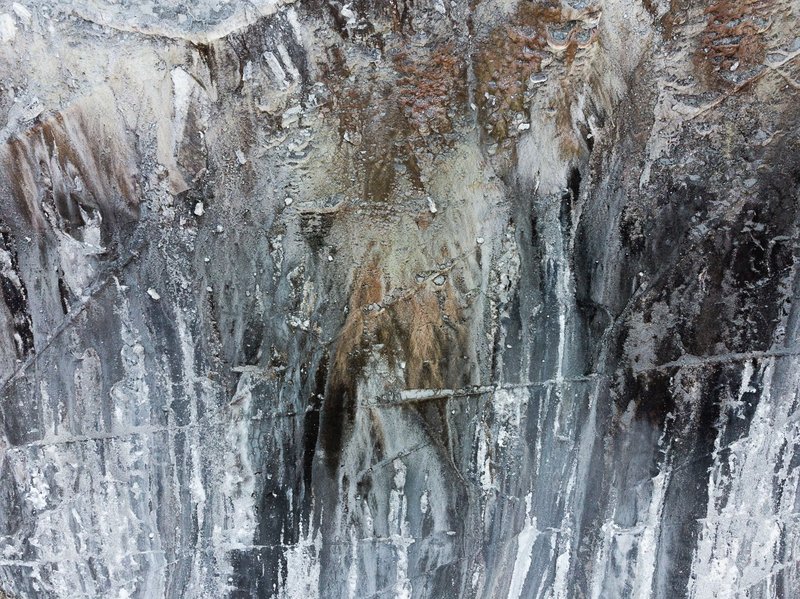
The Bear Lodge Mountains in northeastern Wyoming hold one of the largest undeveloped rare earth deposits in North America — elements like neodymium and dysprosium used in everything from wind turbine magnets to electric vehicle motors. The deposit has been known since the 1950s, but processing rare earths profitably outside of China has only recently become a serious enough supply-chain priority to justify development, which is why you’ll hear Wyoming mentioned constantly in rare earth policy discussions despite the mine not yet being in full production.
6. Feldspar
Feldspar shows up in the granite that makes up much of Wyoming’s mountain cores, particularly around the Laramie Range. It’s a fairly unglamorous mineral — used mostly in ceramics and glassmaking — but it’s abundant enough that Wyoming granite quarries have supplied feldspar to regional manufacturers for decades.
7. Gypsum
Gypsum beds run through the Bighorn Basin and parts of central Wyoming, formed the same way trona was: ancient seas and lakes evaporating and leaving mineral residue behind. It gets mined for wallboard and cement, and outcrops are visible as chalky white bands along highway cuts through the Bighorn region if you know to look for them.
8. Iron Ore
The Sunrise mining district near Guernsey produced iron ore for nearly a century, feeding steel mills as far away as Pueblo, Colorado, before the mine closed in the 1980s. It’s no longer economically active, but the district remains one of the clearest examples of how a single deposit shaped an entire town’s history — Sunrise’s population was built almost entirely around the mine.
Gemstones and Rockhounding Finds
This is the part of Wyoming’s mineral story that institutional reports tend to skip: the stuff you can actually put in a rock tumbler.
9. Jade
Nephrite jade is Wyoming’s official state gemstone, and it’s found as water-worn cobbles scattered across the Great Divide Basin and around the Wind River Range, rather than in a single vein you can mine directly. Prospectors in the 1930s and ’40s found boulder-sized pieces weighing hundreds of pounds; today most finds are fist-sized or smaller, but the basin still produces jade every season for people willing to walk gravel bars with a loupe and patience.
10. Agate
Wyoming agates — including the moss agate variety the state is particularly known for — turn up in gravel deposits across the southeastern and central parts of the state, often alongside jade in the same basins. Moss agate’s dendritic, plant-like inclusions form from manganese and iron oxides trapped as the silica solidified, which is why no two pieces look alike even from the same gravel bar.
11. Petrified Wood
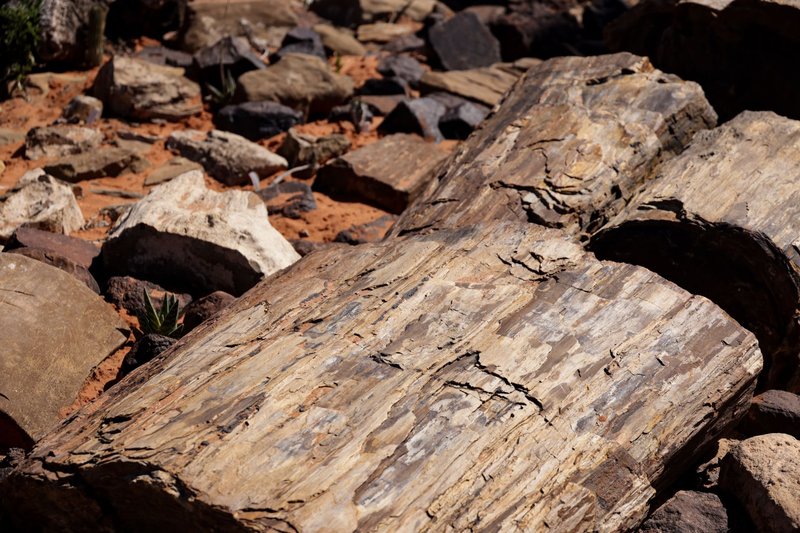
Wyoming has some of the best petrified wood in North America, largely thanks to the Eocene forests that once covered areas now known as the Great Divide Basin. Specimen Ridge in Yellowstone holds standing petrified trees, but most collectible material comes from scattered logs and chunks in the southern part of the state, some retaining bark texture and growth rings in stunning detail after 50 million years underground.
12. Opal
Precious opal is rarer in Wyoming than the other gemstones on this list, but it does occur, particularly in volcanic ash deposits in the western part of the state. Wyoming opal tends to run smaller and less colorful than material from Australia or Nevada, which keeps it mostly in the hands of dedicated collectors rather than the commercial jewelry trade.
13. Diamonds
Wyoming has one of the few diamond-bearing kimberlite districts in the United States, straddling the Wyoming-Colorado border in what’s known as the State Line district. Commercial diamond mining operated there intermittently from the 1970s through the 1990s, and while there’s no active mine today, the geology is well-documented enough that it regularly comes up in discussions of domestic diamond potential.
14. Gold
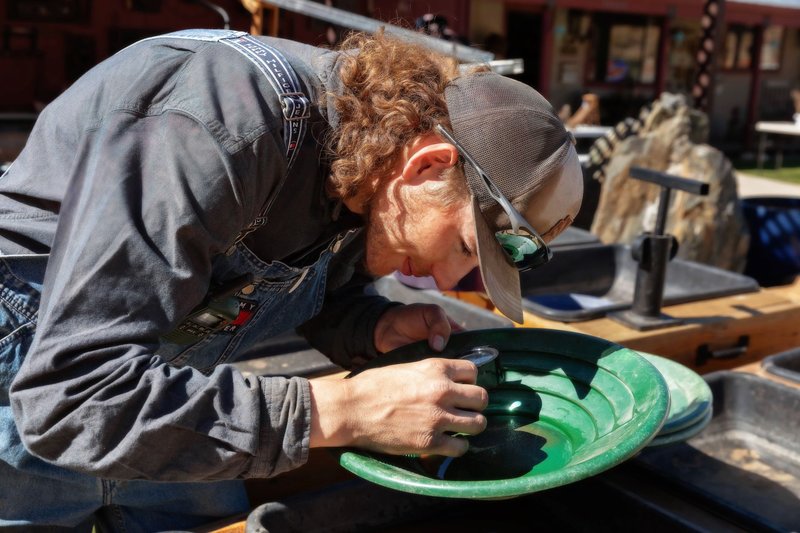
Gold drew some of Wyoming’s earliest prospectors to the South Pass area in the 1860s, sparking a rush that briefly made South Pass City one of the territory’s largest towns before the easy placer gold ran out. Recreational panning still turns up flecks along South Pass creeks today, though nothing close to 1860s-era yields.
15. Jasper
Red and yellow jasper, colored by iron oxide impurities in silica, shows up in gravel deposits across much of southern Wyoming, frequently in the same rockhounding areas as agate and jade. It’s common enough that it’s often the first thing a beginner rockhound successfully identifies, since the color makes it stand out against plain river gravel.
Where to Go Rockhounding in Wyoming
If jade, agate, and petrified wood have you eyeing a road trip, a few things are worth knowing before you go.
Public land collecting is generally legal in small quantities. On BLM land, casual collecting of rocks, minerals, and petrified wood for personal, non-commercial use is typically allowed without a permit, subject to quantity limits — usually a modest number of pounds per person per year for petrified wood specifically. Wyoming state trust lands and any private property require separate permission, so check land status before you dig.
The Great Divide Basin is the classic jade and agate ground. It’s remote, has no services, and gravel roads can turn impassable after rain, so go with a full tank, water, and a paper map — cell service is unreliable across most of it.
South Pass State Historic Site is the easiest entry point for gold panning, with interpretive programs that teach basic technique if you’ve never swirled a pan before.
Bring the boring tools, not the fancy ones. A rock hammer, a hand lens or loupe, sturdy boots, and a 5-gallon bucket will get a beginner further than anything battery-powered. Save the tumbler for when you get home.