Most pages on “alternative energy” tell you it’s clean, it’s the future, and you should feel good about it. Fewer tell you the part that actually trips people up: alternative energy and renewable energy aren’t the same thing, and the difference hinges on one awkward word — nuclear.
So let’s settle that first, then walk through every major source, what it costs in 2026, and where each one quietly falls short.
Table of Contents
- What “alternative energy” actually means
- Alternative vs. renewable vs. clean: the comparison
- The main types of alternative energy
- Is nuclear alternative energy?
- Pros and cons, honestly
- Alternative energy for your home
- FAQ
What “alternative energy” actually means
Alternative energy is any energy source that serves as an alternative to fossil fuels — coal, oil, and natural gas. That’s the whole definition. It’s defined by what it isn’t, not by what it is.
This matters because it’s a wider net than most people assume. The term covers solar and wind, sure. But it also covers nuclear fission, which is neither renewable nor beloved by the average environmentalist. Anything that lets a grid burn less coal counts.
The phrase took hold during the 1970s oil shocks, when “alternative” meant “literally anything other than the OPEC barrel.” The original spirit was energy independence as much as climate. That history is why the category stayed broad.
Alternative vs. renewable vs. clean: the comparison
These three terms get used interchangeably, and that’s the single biggest source of confusion in the whole topic. They overlap, but they’re not synonyms. Here’s the clean version.
| Term | Defined by | Includes nuclear? | Includes natural gas? | Example that’s in but surprising |
|---|---|---|---|---|
| Alternative energy | Not fossil fuels | Yes | No | Nuclear |
| Renewable energy | Naturally replenished | No | No | Geothermal |
| Clean energy | Low/zero carbon emissions at point of use | Yes | Sometimes (as a “bridge” fuel) | Nuclear |
The quick way to keep them straight:
- Renewable is about the fuel running out. Sunlight, wind, and flowing water replenish on a human timescale. Uranium doesn’t, so nuclear is not renewable.
- Clean is about carbon. It’s the loosest term, and you’ll occasionally see natural gas marketed as “clean” because it emits roughly half the CO2 of coal. That’s a relative claim doing a lot of work.
- Alternative is the umbrella. Every renewable source is also alternative, but not every alternative source is renewable.
Nuclear is the source that lives in the overlap and breaks the tidy Venn diagram: alternative, clean, but not renewable.
The main types of alternative energy
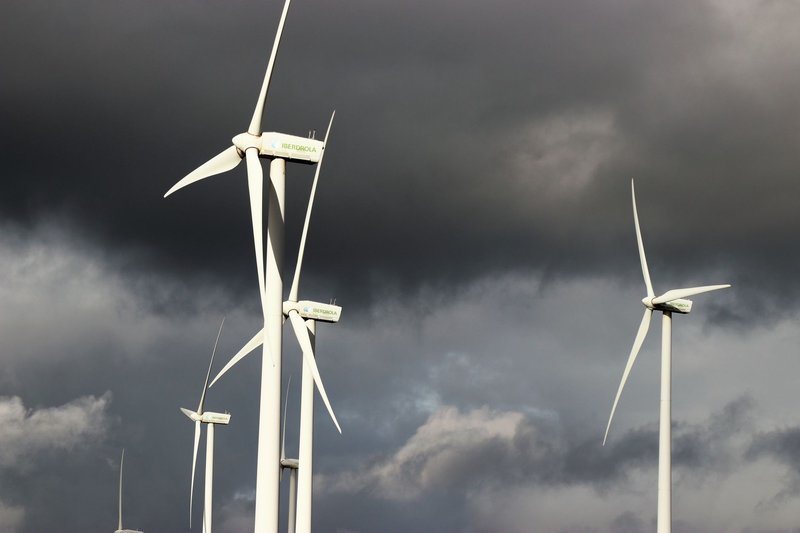
Seven sources do almost all the real work. Here’s how each one functions, plus a number that tells you where it actually stands.
Solar
Photovoltaic panels convert sunlight directly into electricity; concentrated solar uses mirrors to make heat that drives a turbine. Solar is the cheap one now. The cost of utility-scale solar has fallen more than 80% over the past decade, and in much of the world it’s the cheapest source of new electricity per the International Energy Agency. The catch: it produces nothing at night and droops under cloud cover, which is the whole reason batteries became a parallel industry.
Wind
Turbines turn moving air into rotational energy, then into electricity. Onshore wind is cost-competitive with solar; offshore wind generates more consistently because ocean wind is stronger and steadier, but it costs considerably more to build and maintain in saltwater. The honest downside is intermittency again — and the land footprint, since spacing turbines for good airflow eats acreage even if the ground between them stays farmable.
Hydropower
Falling or flowing water spins a turbine. It’s the old reliable: hydro is still the single largest source of renewable electricity worldwide, and unlike solar and wind it’s dispatchable — operators can release water on demand. The tradeoff is ecological and geographic. Large dams flood valleys, disrupt fish migration, and you can only build them where the geography cooperates. Most of the good sites in wealthy countries are already dammed.
Geothermal
Heat from the Earth’s interior drives turbines or warms buildings directly. It’s the unsung hero — completely weather-independent, running 24/7 at high capacity factors. Iceland heats roughly nine in ten homes this way. The limit is location: conventional geothermal needs accessible underground heat, which is why it’s big in Iceland and parts of the western US and rare elsewhere. Enhanced geothermal systems aim to fix that by drilling deeper, but they’re still scaling.
Biomass
Organic material — wood, agricultural waste, dedicated energy crops — is burned or converted to biogas. Biomass is technically renewable and dispatchable, which sounds great. The asterisk is carbon: burning biomass releases CO2, and the “carbon neutral” claim only holds if you actually regrow what you burned, over years you may not have. It’s the most contested entry on this list.
Ocean and tidal
Tidal barrages and underwater turbines harvest the predictable movement of tides; wave devices capture surface motion. The appeal is reliability — tides are clockwork, unlike wind. The reality is that this is still mostly pilot-stage. High capital costs and the brutality of seawater on hardware have kept it from scaling.
Hydrogen
Hydrogen isn’t a source so much as a carrier — you spend energy to make it, then burn or fuel-cell it later. “Green” hydrogen, made by splitting water with renewable electricity, is the clean version; most hydrogen today is still made from natural gas. Its real promise is in places batteries struggle: heavy industry, shipping, and long-haul transport. The bottleneck is cost and the energy lost in conversion.
Is nuclear alternative energy?
Yes — and this is the question that exposes how loaded the whole vocabulary is.
Nuclear fission splits uranium atoms to release heat, which makes steam, which spins a turbine. It emits almost no carbon during operation, runs at the highest capacity factor of any source (often above 90%), and provides exactly the kind of steady baseload power that solar and wind can’t — the round-the-clock output that keeps plants like Florida’s Turkey Point and St. Lucie generating near capacity year-round. By the “not fossil fuels” definition, it’s squarely alternative energy. By the carbon definition, it’s clean energy.
What it isn’t is renewable, because uranium is a finite mined resource. And it carries baggage the others don’t: radioactive waste that stays hazardous for millennia, enormous upfront construction costs, and a public-perception problem shaped by a handful of high-profile accidents. The U.S. Energy Information Administration still counts it as the country’s largest single source of carbon-free electricity, ahead of any individual renewable.
Whether you want it in the mix is a values question. Whether it’s alternative energy is not — it is.
Pros and cons, honestly
The explainers that gloss over downsides do you no favors. Here’s the balanced ledger.
The case for:
- Emissions. Most alternative sources produce little to no CO2 while generating power, which is the entire point for climate.
- Fuel security. Sunlight and wind aren’t traded on volatile global markets or controlled by a cartel. Your fuel cost is zero and your supply is local.
- Falling costs. Solar and wind are now the cheapest new generation in most markets, full stop. This isn’t aspiration anymore; it’s the spreadsheet.
- Health. Less fossil combustion means less particulate air pollution, which has measurable mortality benefits independent of climate.
The case against — or at least the friction:
- Intermittency. The sun sets and the wind stops. A grid leaning hard on solar and wind needs storage, backup, or both — along with the kind of coordination a smart grid offers over a traditional one to balance supply against demand in real time — and that cost rarely makes the cheerful headlines.
- Land and materials. Wind and solar farms need space, and the panels, turbines, and batteries require mined minerals — lithium, cobalt, rare earths — with their own environmental and geopolitical mess.
- Upfront capital. The fuel may be free, but the hardware isn’t. Nuclear and hydro especially demand huge investment before they generate a watt.
- Geography. Geothermal, hydro, and tidal only work where nature allows. There’s no universal best source — it depends entirely on where you are.
No single source wins on every axis. A real grid blends them: cheap solar and wind for the bulk, dispatchable hydro or geothermal or nuclear for the steady floor, storage to bridge the gaps.
Alternative energy for your home
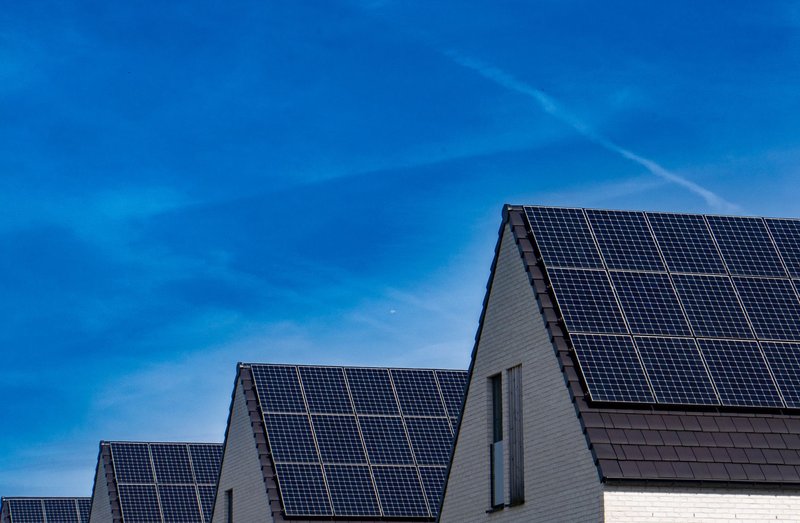
For a homeowner, the practical menu is shorter than the full list. You’re realistically choosing among three.
Rooftop solar is the default for most houses and the one with the clearest payback. Whether it makes financial sense comes down to three things: how much sun your roof gets, your local electricity price, and what incentives exist where you live. In high-price, high-sun regions the payback can land under a decade; in cloudy, cheap-power regions it stretches longer. Pair it with a home battery if you want backup or if your utility doesn’t pay fairly for the surplus you export.
Geothermal heat pumps are the quiet overachiever for heating and cooling. They move heat between your house and the stable temperature underground instead of generating it, which makes them remarkably efficient. The barrier is the install cost — you’re digging or drilling — so the long payback suits people staying put, not flipping in three years.
Small residential wind sounds appealing and rarely pencils out. Home turbines need consistent wind and enough unobstructed land that most suburban lots disqualify themselves. For the vast majority of homeowners, the rooftop and the ground beat the breeze.
The honest homeowner verdict: start with solar if your roof and rates allow it, consider a geothermal heat pump if you’re settling in long-term, and skip the backyard turbine unless you’re on genuinely windy acreage.
FAQ
Is alternative energy the same as renewable energy? No. Alternative energy means anything that isn’t a fossil fuel, which includes nuclear. Renewable energy means sources that naturally replenish, which excludes nuclear. All renewables are alternative, but not all alternatives are renewable.
What is the cleanest alternative energy source? By lifecycle carbon emissions, wind, solar, hydro, geothermal, and nuclear all sit very low. Wind and nuclear typically post the lowest lifecycle emissions per unit of electricity; solar is close behind.
Is nuclear energy alternative energy? Yes. It’s a non-fossil-fuel source, so it qualifies as alternative and as clean energy. It’s not renewable, because uranium is finite.
What is the cheapest alternative energy? Utility-scale solar and onshore wind are now the cheapest sources of new electricity in most parts of the world, after solar costs fell over 80% in the last decade.
What’s the best alternative energy for a home? Rooftop solar for most houses, especially with good sun, high electricity prices, and local incentives. A geothermal heat pump is the strongest option for efficient heating and cooling if you’re staying long-term.
Is natural gas alternative energy? No. Natural gas is a fossil fuel. It’s sometimes marketed as “clean” because it emits about half the CO2 of coal, but it doesn’t qualify as alternative energy.