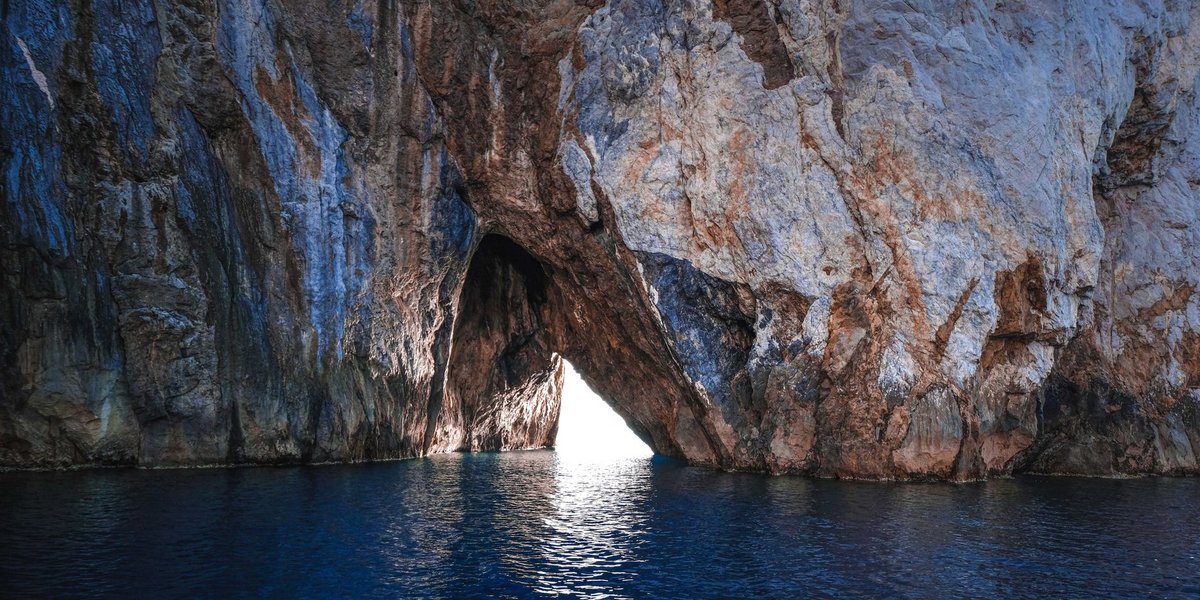
Saint Lucia is volcanic, which is the whole reason the caves are worth talking about. The island rose out of the ocean as lava, and the soft rock left behind got carved by waves, water, and time into hollows you can actually swim into or paddle past. These aren’t deep, lamp-lit cavern systems like you’d find in Kentucky or Slovenia. They’re sea caves, lava tubes, and shoreline grottoes — most of them visited from the water, not on foot.
That distinction trips people up. Search “caves in Saint Lucia” and you’ll get a scatter of half-pages, each describing one cave as if it’s the only one. So here’s the consolidated version: what’s actually there, how you reach each one, and whether it’s worth the detour.
Table of Contents
- The caves at a glance
- Carib Caves (Anse La Raye)
- The Soufriere Bat Cave
- Pigeon Island sea caves (Rodney Bay)
- Lava and sea caves along the west coast
- How to actually visit: boats, snorkels, and tours
- What to bring
- Is it worth it?
The caves at a glance {#at-a-glance}
Most of Saint Lucia’s caves cluster along the calmer western (Caribbean) coast, between Castries and Soufriere. The Atlantic side is rougher and the cliffs there are dramatic but mostly inaccessible by small boat.
| Cave | Where | How you visit | Best for |
|---|---|---|---|
| Carib Caves | Anse La Raye, west coast | Boat (often by kayak or small craft) | History, sea-cave scenery |
| Soufriere Bat Cave | Near Soufriere / Anse Chastanet | Snorkel or boat | Snorkeling, bats, reef life |
| Pigeon Island grottoes | Rodney Bay, north | On foot + shoreline scramble | Easy access, views |
| West coast sea caves | Anse La Raye to Soufriere | Boat tour | Scenery, photography |
Two things to set expectations. First, none of these involves a ticketed cave entrance with a guide and a handrail. Access is informal and weather-dependent. Second, the word “cave” here usually means a sizeable rock overhang or a grotto you enter from the sea, not a mile of underground passage.
Carib Caves (Anse La Raye) {#carib-caves}
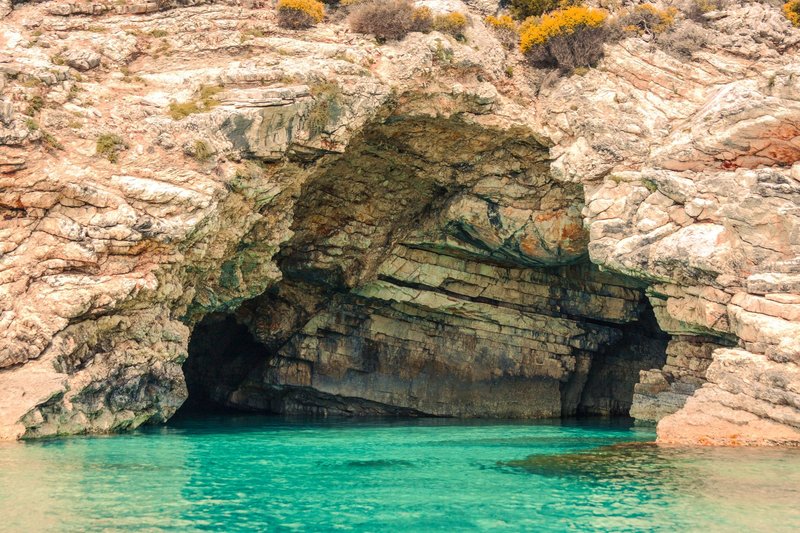
The Carib Caves sit along the coast near the fishing village of Anse La Raye, roughly halfway down the west coast. They take their name from the Kalinago (Island Carib) people who inhabited Saint Lucia before European contact, and the caves are tied to that pre-colonial history — used, by tradition, as shelter and as sites of cultural significance. Petroglyphs and rock carvings have been associated with Kalinago and earlier Amerindian presence on the island, which the Smithsonian’s research on Lesser Antilles archaeology places within a long human history across the Caribbean arc.
What you actually see today is a stretch of sea-carved rock formations and grottoes opening onto the water. They’re typically reached by boat — many visitors come through a coastal kayak or small-craft excursion out of Anse La Raye or Marigot Bay rather than overland, because the shoreline is steep and the approach from the sea is the whole point.
Go in the morning when the west-coast water is flattest. Afternoon trade winds pick up and the swell makes the rocky approach less pleasant. If your guide offers the history, take it — without the Kalinago context, the caves read as just nice rocks, and that sells them short.
The Soufriere Bat Cave {#soufriere-bat-cave}
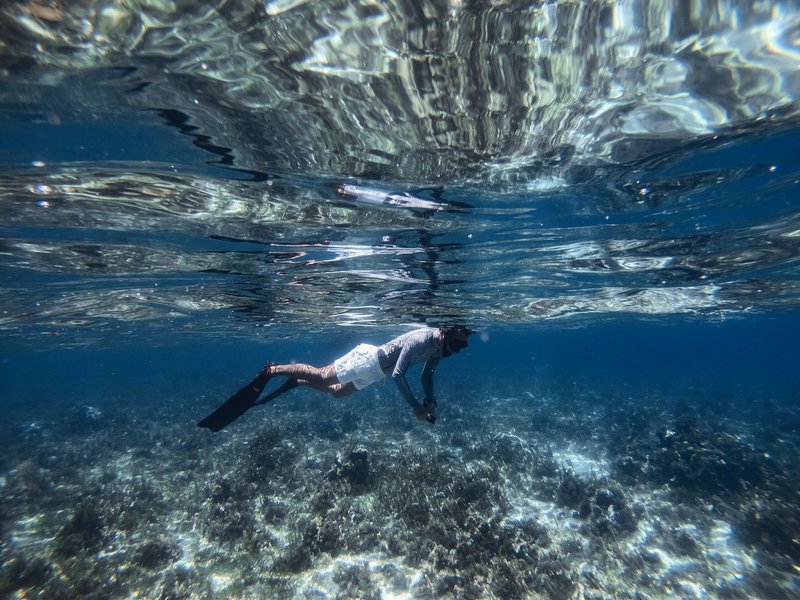
This is the one most people are really searching for, even when they don’t know its name. The Bat Cave near Soufriere sits along the coast in the marine area around Anse Chastanet, inside Saint Lucia’s protected reef system. You snorkel to it.
The draw is the combination: a shoreline cave with a colony of bats roosting in the dark upper recesses, set directly above one of the island’s better fringing reefs. You finish a reef snorkel, drift toward the rock wall, and look up into the overhang where the bats are tucked into the ceiling. Below you, the reef does reef things — sergeant majors, parrotfish, the occasional turtle grazing the sea grass. The Soufriere Marine Management Area protects these reefs, and the surrounding waters fall under conservation rules; the broader Pitons area is a UNESCO World Heritage Site, which is part of why the marine life here holds up.
A few honest notes. The bats are real but you’re not walking into a bat-filled chamber — you’re snorkeling at the mouth and looking up. Visibility depends on the day and on how many fins have stirred up the bottom. And because it’s a protected marine zone, you’ll usually visit with an operator (frequently the dive and snorkel outfits running out of Anse Chastanet) rather than swimming off on your own.
Pigeon Island sea caves (Rodney Bay) {#pigeon-island}
Up north at Pigeon Island National Landmark — now joined to the mainland by a causeway near Rodney Bay — the shoreline holds smaller grottoes and rock hollows worn into the headland. This is the most accessible “cave” experience on the island because you can drive to Pigeon Island, walk the grounds (there’s an entry fee to the national landmark), and reach the shoreline on foot.
Set expectations accordingly. These are modest pockets in the rock, not the marquee attraction — the reason to come to Pigeon Island is the history of Fort Rodney and the 18th-century British naval garrison, the hilltop views over Rodney Bay, and an easy hike. The shoreline grottoes are a pleasant bonus if you scramble down to the water’s edge, not a destination on their own.
If your time is short and you can’t get on a boat, this is the cave-adjacent option that needs nothing but shoes and an entry ticket.
Lava and sea caves along the west coast {#west-coast}
Between Anse La Raye and Soufriere, the coast is a run of cliffs, coves, and rock arches that boat tours pass on the way south. Because the island is volcanic, some of these openings are old lava-rock features that wave action has since hollowed out into sea caves. They don’t have individual names you’ll find on a map, but a coastal boat trip threads past several.
This is scenery rather than a stop — you cruise past, the captain slows down, you get the photo. For travelers already taking a west-coast catamaran or speedboat down to the Pitons, the sea caves come included in the view. Worth knowing they’re there so you’re watching the shoreline, not your phone, on the southbound leg.
How to actually visit: boats, snorkels, and tours {#how-to-visit}
Saint Lucia’s caves divide cleanly by access method, and matching the cave to the right outing saves you money and disappointment.
By snorkel (Soufriere Bat Cave). Book through a Soufriere or Anse Chastanet dive/snorkel operator. The Bat Cave is usually folded into a reef snorkel trip rather than sold as a standalone. You’ll want to be a comfortable swimmer in open water; it’s not a pool.
By boat or kayak (Carib Caves, west coast sea caves). Coastal excursions out of Anse La Raye, Marigot Bay, or Rodney Bay reach the Carib Caves and the unnamed sea caves. Kayak tours get you closest to the rock; larger catamaran day trips give you the cruise-past version on the way to the Pitons.
On foot (Pigeon Island). Drive or taxi to Pigeon Island, pay the national landmark entry, and reach the shoreline grottoes yourself.
A practical money note: rather than booking a “cave tour” (which barely exists as a standalone product here), book the broader outing — a Soufriere snorkel trip, a west-coast boat day, a Pigeon Island visit — and treat the caves as the highlight within it. That’s how the logistics actually work on the ground, and it’s cheaper than chasing a specialized excursion that operators don’t really run.
What to bring {#what-to-bring}
- Reef-safe sunscreen. It’s required practice in the protected marine areas, and the reasoning behind reef-safe formulas is well documented by NOAA.
- Water shoes. Volcanic rock is sharp and the shorelines are rocky, not sandy.
- Your own mask and snorkel if you’re particular — rental gear quality varies between operators.
- A dry bag. Phones and boats are a bad combination; you’ll want the photos but not at the cost of the phone.
- Cash for Pigeon Island entry and small operators who don’t take cards.
Is it worth it? {#worth-it}
Depends on what you came for. If you’re picturing a guided underground cavern, no — that’s not what Saint Lucia has, and you’ll be let down.
But if you want a snorkel that ends at a bat-roosted sea cave over a healthy reef, the Soufriere Bat Cave genuinely delivers, and it’s the standout. The Carib Caves reward anyone who cares about the island’s Kalinago history and wants a quieter, water-level look at the coast. Pigeon Island is the easy backup when you can’t get on a boat. And the west-coast sea caves are a free bonus on a trip you’re probably taking anyway.
The move is to stop thinking of these as “caves to tour” and start thinking of them as features of a day on the water. Book the boat or the snorkel, go in the morning before the wind, and the caves take care of themselves.