Washington’s geology is a patchwork of coastal deposits, volcanic terrains, and alpine veins, so the state’s mineral list reflects a wide variety of environments. Whether you’re casually curious or preparing for a field trip, knowing what’s been found here helps you read the landscape with a bit more insight.
There are 35 Minerals in Washington, ranging from Adamite to Wollastonite. Each entry in the list is organized with Counties/localities, Occurrence type, Hardness (Mohs) so you can quickly see where a mineral has been recorded, how it typically occurs, and how hard it is — you’ll find below.
How can I use this list to plan a responsible collecting trip in Washington?
Use the Counties/localities column to identify likely areas, then cross-check land ownership and access rules before you go; state parks, federal lands, and private property all have different restrictions. Bring basic ID tools (streak plate, hardness kit), focus on safe, low-impact collecting, and consider contacting local rock-and-mineral clubs for current site info.
Are any of these minerals legally protected or restricted in Washington?
Yes—some sites and minerals are protected by law or by landowner rules, and collecting may be prohibited in state parks, wildlife refuges, or on private property without permission. Always verify regulations for the specific locality listed and obtain permits when required.
Minerals in Washington
| Mineral | Counties/localities | Occurrence type | Hardness (Mohs) |
|---|---|---|---|
| Quartz | Statewide; notable Cascade, Okanogan, Republic areas | Veins, pegmatites, volcanic cavities | 7 |
| Orthoclase | Mount Stuart area (Chelan), plutons statewide | Pegmatite, plutonic intrusions | 6 |
| Plagioclase | Columbia River Basalts (Grant/Benton), granites statewide | Volcanic and plutonic | 6 |
| Muscovite | Pegmatites and metamorphic belts (Chelan, Snohomish) | Pegmatite, metamorphic | 2.5-3 |
| Biotite | Metamorphic and igneous rocks statewide (Cascades) | Metamorphic, plutonic | 2.5-3 |
| Hornblende | Cascades and plutonic complexes (Chelan, Whatcom) | Igneous, metamorphic | 5-6 |
| Augite | Columbia River Basalts, volcanic rocks (Yakima, Klickitat) | Volcanic (basalt) and plutonic | 5-6 |
| Olivine | Basalt flows (eastern WA basalts) | Volcanic (basalt) | 6-7 |
| Magnetite | Igneous and metamorphic rocks statewide; placer concentrates | Plutonic, metamorphic, placer | 6 |
| Hematite | Metamorphic and hydrothermal zones statewide | Metamorphic, vein oxide | 5-6 |
| Pyrite | Veins, sedimentary and metamorphic rocks statewide | Vein, sedimentary, metamorphic | 6 |
| Chalcopyrite | Republic district (Ferry), other ore veins | Hydrothermal veins | 4 |
| Sphalerite | Metaline Falls (Pend Oreille), other lead-zinc deposits | Hydrothermal veins | 4 |
| Galena | Metaline Falls district (Pend Oreille County) | Hydrothermal veins, old mines | 2.5 |
| Native gold | Republic (Ferry), placer streams statewide (Kittitas, Okanogan) | Placer and lode veins | 2.5-3 |
| Native silver | Republic and other historic ore districts | Hydrothermal veins | 2.5-3 |
| Arsenopyrite | Republic district (Ferry County), lode deposits | Hydrothermal lodes | 5.5-6 |
| Calcite | Common veins and cavities (Metaline Falls, statewide) | Vein, cavity filling | 3 |
| Fluorite | Metaline Falls (Pend Oreille County) and hydrothermal veins | Hydrothermal veins | 4 |
| Barite | Hydrothermal veins (northeast WA) and old mines | Hydrothermal veins | 3 |
| Garnet (Almandine) | Metamorphic rocks, Cascades (Chelan, Skagit) | Metamorphic, skarn | 7 |
| Epidote | Cascades and hydrothermally altered zones (Chelan) | Metamorphic, hydrothermal | 6 |
| Chlorite | Metamorphic belts, altered basalts statewide (Cascades) | Metamorphic, alteration | 2-3 |
| Serpentine | Coast Range and Olympic metamorphic belts (western WA) | Altered ultramafic bodies | 3.5 |
| Natrolite | Columbia River Basalts (Grant/Benton counties) | Basalt cavities (zeolite) | 5 |
| Stilbite | Columbia River Basalt cavities (eastern WA) | Basalt cavities (zeolite) | 4 |
| Heulandite | Basalt cavities in central/eastern Washington | Basalt cavities (zeolite) | 4 |
| Analcime | Basalt agates and cavities (Columbia River Basalts) | Basalt cavities | 5 |
| Titanite (Sphene) | Granites and skarns (Mount Stuart, Chelan) | Plutonic, metamorphic | 5 |
| Ilmenite | Basalts and heavy-mineral concentrates (statewide) | Igneous, placer | 6 |
| Aragonite | Cave fillings and hydrothermal veins (various localities) | Vein, cavity | 3.5 |
| Pyrrhotite | Magmatic and hydrothermal sulfide deposits (various districts) | Magmatic, hydrothermal | 4-4.5 |
| Siderite | Hydrothermal and sedimentary iron occurrences (various) | Hydrothermal, sedimentary | 3.5-4 |
| Wollastonite | Skarn deposits (Chelan, Ferry counties) | Skarn (metasomatism) | 4.5-5 |
| Adamite | Minor occurrences in oxidized zones of mine districts (Pend Oreille) | Oxidized vein zones | 3.5 |
Images and Descriptions

Quartz
Hard, glassy crystal or massive rock quartz common across Washington; identify by conchoidal fracture and hexagonal crystals. Found in Cascade veins, pegmatites and placer gravels. Very common and used industrially and as gemstone material when clear or amethyst.

Orthoclase
A pink to white K-feldspar in granites and pegmatites; shows two cleavages at nearly 90°. Notable in Mount Stuart batholith exposures. Common in intrusive rocks, important for identifying granite and pegmatite zones.
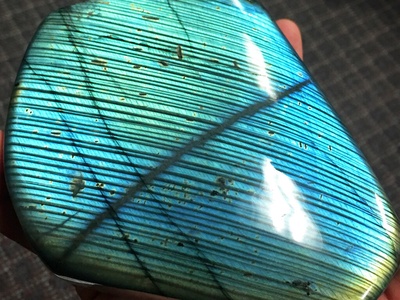
Plagioclase
White to gray, striated feldspar common in basalts and granites. Look for characteristic fine parallel striations on crystal faces. Abundant in Columbia River Basalt flows and igneous rocks across Washington.

Muscovite
Silvery, flaky mica that peels into thin elastic sheets; shiny pearly luster. Occurs in pegmatites and metamorphic schists in the Cascades. Easy to recognize and common in many rock types.

Biotite
Dark brown to black sheet mica with shiny, flaky appearance. Splits into thin flexible sheets and stains fingers. Common in granites and metamorphic rocks throughout Washington.
Hornblende
Dark, prismatic amphibole crystals common in metamorphic schists and plutonic rocks. Identified by two cleavage directions and elongated crystals. Widespread in Cascade Range rocks.
Augite
Dark green-black pyroxene in basalt and gabbro with blocky crystals and two cleavages near 90°. Common in Columbia River Basalt flows and volcanic outcrops in eastern Washington.
Olivine
Green, glassy rounded grains or small crystals in basalt; identifiable by olive-green color and conchoidal fracture. Occurs in mafic volcanic rocks across Washington, especially in olivine-bearing basalts.
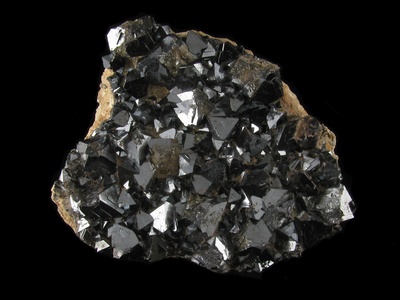
Magnetite
Black, metallic magnetic iron oxide often in granular masses or octahedral crystals. Found in igneous rocks and as heavy mineral concentrates in streams. Easily detected with a hand magnet.
Hematite
Metallic to earthy iron oxide ranging red-brown to steel-gray; heavy and leaves reddish streak. Occurs in oxidized veins and metamorphic rocks. Used historically as an iron ore and pigment.
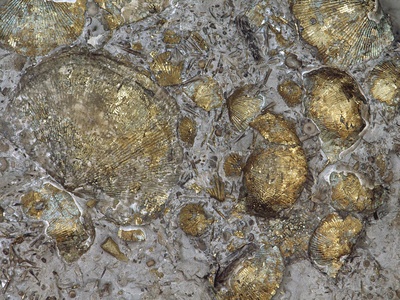
Pyrite
Brassy, metallic “fool’s gold” with cubic crystals and greenish-black streaks sometimes. Very common in Washington vein systems and host rocks; identifiable by crystal habit and hardness.
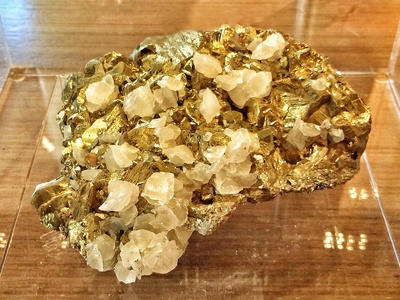
Chalcopyrite
Brassy yellow copper-iron sulfide with softer, more golden color than pyrite and greenish tarnish. Found in copper-bearing veins like Republic area; important copper ore and common in mining localities.
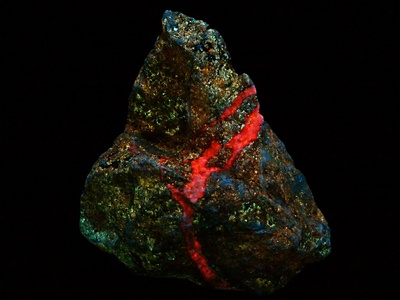
Sphalerite
Brown to yellow-black resinous zinc sulfide that smells of sulfur when scratched. Major zinc ore mineral at Metaline Falls area and in northeast Washington deposits.

Galena
Dense, silvery cubic lead sulfide with bright metallic luster and perfect cubic cleavage. Classic lead ore from Metaline Falls and surrounding mines; heavy and easy to recognize.

Native gold
Soft, malleable yellow native metal found as flakes, nuggets or within quartz veins. Collected from placers and lode deposits in northeastern WA; prized for jewelry and prospecting hobbyists.
Native silver
Bright metallic silver-colored native metal in small wires, plates, or grains within sulfide veins. Found in association with lead–zinc–silver ores in northeastern Washington; historically recovered from mines.

Arsenopyrite
Silver-white to steel gray arsenic-iron sulfide common in gold-bearing veins. Hard and brittle with garlic-like odor if heated; important indicator mineral in Washington gold lodes, but toxic—handle with care.

Calcite
Soft white to clear rhombohedral crystals that effervesce with acid. Very common as vein fillings and vug linings across Washington, especially in metal-bearing hydrothermal systems like Metaline Falls.
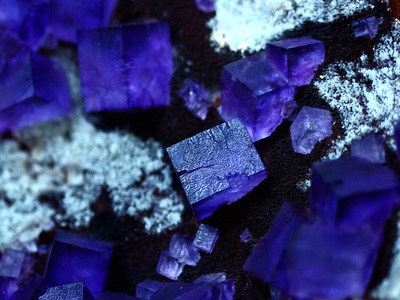
Fluorite
Colorful cubic fluorite crystals from purple to green; perfect octahedral cleavage and glassy luster. Notable collector mineral at Metaline Falls; used industrially as flux and for lapidary pieces.
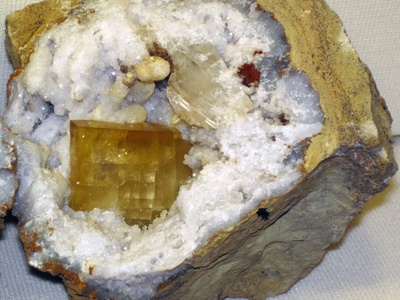
Barite
Heavy, white to tan tabular or bladed mineral; distinct high density for a non-metal. Occurs as vein-fill at several Washington mines, often associated with lead–zinc mineralization.
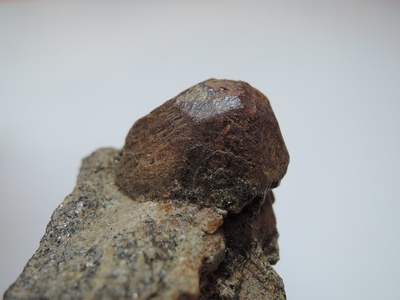
Garnet (Almandine)
Deep red-brown to black rounded crystals common in metamorphic schists and skarns. Hard and glassy with conchoidal fracture. Collected in Cascade metamorphic belts and skarn deposits.

Epidote
Green pistachio-colored prismatic crystals or masses in altered igneous and metamorphic rocks. Look for elongated green crystals in skarn and altered zones; common and diagnostic of low-grade metamorphism.
Chlorite
Soft, green flaky mineral giving rocks a greenish color and greasy feel. Common in low-grade metamorphic rocks and hydrothermally altered basalts across Washington; useful field indicator of alteration.
Serpentine
Green to dark green fibrous or massive mineral produced by alteration of ultramafic rocks. Occurs in small serpentinite bodies in western Washington; soft and greasy to the touch and historically used as decorative stone.

Natrolite
White needle-like zeolite crystals lining cavities in Columbia River Basalt flows. Common in eastern Washington basalt quarries and popular with rock collectors for neat radial sprays.

Stilbite
Cream to pink sheaf-like zeolite clusters in basalt amygdules; soft and pearly. Found frequently in Columbia River Basalt outcrops and a favorite of collectors along eastern Washington canyons.
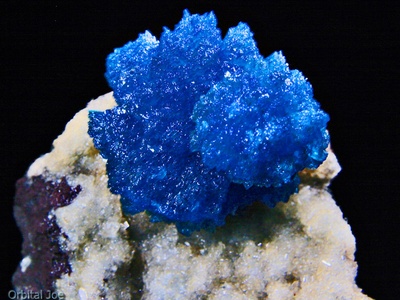
Heulandite
Blocky to tabular peach to cream zeolite in vugs of Columbia River Basalt. Identified by pearly luster and basal cleavage; common in central Washington basalt exposures.
Analcime
White to gray trapezohedral crystals sometimes found in basalt vesicles. Stout, water-clear to milky crystals are common in Columbia River Basalt localities and often mistaken for feldspar.

Titanite (Sphene)
Brown to yellow wedge-shaped crystals with high dispersion and adamantine luster. Occurs in granitic and skarn rocks in the Cascades and is notable to collectors for its brilliant sparkle.
Ilmenite
Black, metallic titanium-iron oxide usually in heavy mineral separates from basalts and beach/stream concentrates. Common in Columbia River Basalt and useful as a heavy mineral indicator in sediment sampling.
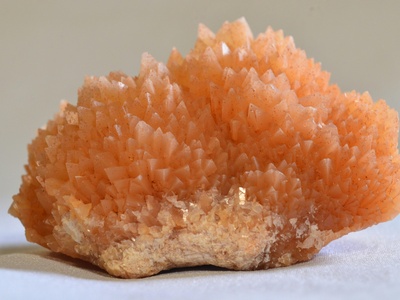
Aragonite
White to colorless needlelike or fibrous crystal variety of CaCO3; forms in low-temperature hydrothermal veins and vugs. Occurs locally in Washington veins and as cavity linings; effervesces with acid like calcite.

Pyrrhotite
Bronze to brown magnetic iron sulfide often associated with other sulfides in Washington ore deposits. Magnetic and earthy; indicates sulfide-rich ore zones in mining districts.
Siderite
Brownish rhombohedral iron carbonate that can weather to limonite. Found in some vein and sedimentary iron occurrences in Washington; identifiable by weak reaction to acid and typical crystal shape.
Wollastonite
White to gray bladed calcium silicate from limestone contact metamorphism (skarn). Occurs near intrusive contacts in Cascade and northeast Washington skarns; a good indicator of limestone–intrusion interaction.

Adamite
Yellow to green zinc arsenate mineral occasionally reported in oxidized portions of northeastern Washington mines. Brightly colored and sought by collectors, but relatively rare and localized in old workings.