Scotland’s mix of windswept coasts, sheltered lochs and upland moors supports a huge variety of birds, from coastal colonies to garden visitors. Whether you’re planning a trip to islands like St Kilda or a quiet walk in a lowland reserve, knowing what to expect makes watching more rewarding.
There are 65 Birds of Scotland, ranging from Atlantic Puffin to Wren; each entry includes Scientific name,Status,Main habitat/region — you’ll find below.
Which species are most likely to be seen year-round in Scotland?
Many common residents like wren, robin and blackbird are widespread and easy to spot in gardens and woodlands year-round; coastal and upland specialists (e.g., gulls and grouse) are also predictable in their preferred habitats. Check local reserves and bird hides for the best chances and visit at dawn or dusk when activity peaks.
Can I rely on this list for planning rare bird sightings or migrations?
This list gives a solid baseline of regularly recorded species, but for rarities and exact migration timings consult live resources (local bird clubs, BirdTrack, RSPB reports) before travel — those sources update records and sightings in real time and help plan targeted watching.
Birds of Scotland
| Name | Scientific name | Status | Main habitat/region |
|---|---|---|---|
| Atlantic Puffin | Fratercula arctica | Breeder, summer visitor | Coast, offshore islands (Shetland, Orkney, St Kilda) |
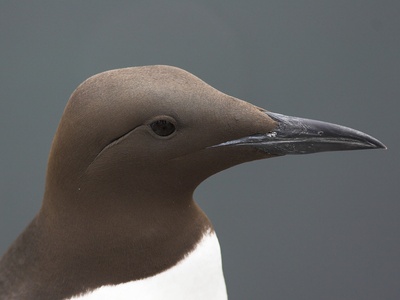
| Common Guillemot | Uria aalge | Breeder, coastal resident | Sea cliffs, islands |
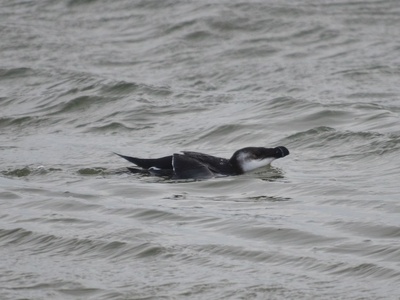
| Razorbill | Alca torda | Breeder, coastal resident | Sea cliffs, islands |
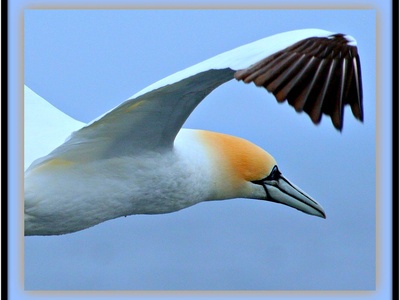
| Northern Gannet | Morus bassanus | Breeder, summer visitor | Coastal cliffs and islands (Bass Rock) |
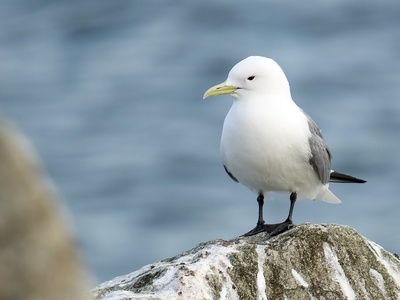
| Black-legged Kittiwake | Rissa tridactyla | Breeder, coastal resident | Cliff colonies, coastal waters |
| Great Skua | Stercorarius skua | Breeder, summer visitor | Coasts, islands (Shetland, Orkney) |
| Eurasian Oystercatcher | Haematopus ostralegus | Resident breeder | Coasts, estuaries, farmland |
| Eurasian Curlew | Numenius arquata | Breeder, declining | Moorland, estuaries, farmland |
| Eurasian Golden Plover | Pluvialis apricaria | Breeder and winter visitor | Upland moorland, coastal flats in winter |
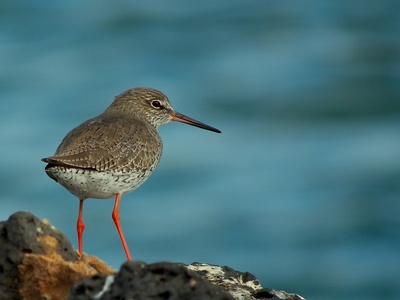
| Common Redshank | Tringa totanus | Breeder and migrant | Coastal marshes, estuaries, inland wetlands |
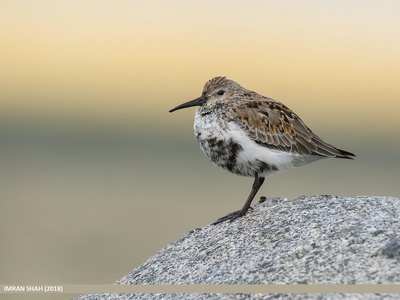
| Dunlin | Calidris alpina | Wader; winter visitor and northern breeder | Mudflats, coasts, upland bogs |
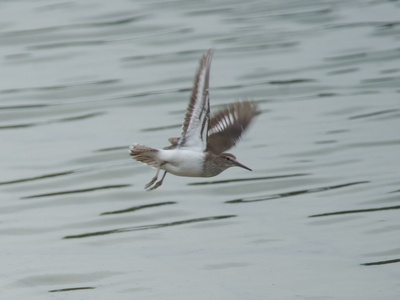
| Common Sandpiper | Actitis hypoleucos | Summer migrant, breeder | Freshwater shores, rivers, lochs |
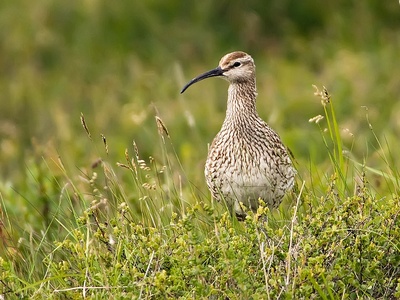
| Whimbrel | Numenius phaeopus | Spring migrant, coastal passage | Coastal mudflats, machair and grassland |
| Common Eider | Somateria mollissima | Resident breeder | Coasts, islands, estuaries |
| Red-throated Diver | Gavia stellata | Breeder inland, coastal winter visitor | Freshwater lochs in summer, coastal waters in winter |
| Black-throated Diver | Gavia arctica | Breeder and migrant | Freshwater lochs, coastal winter waters |
| Great Northern Diver | Gavia immer | Winter visitor and occasional breeder | Coastal seas and some inland lochs |
| Whooper Swan | Cygnus cygnus | Winter visitor and occasional breeder | Wetlands, lochs, farmland |
| Greylag Goose | Anser anser | Resident breeder and feral populations | Wetlands, farmland, islands |
| Barnacle Goose | Branta leucopsis | Regular winter visitor and breeder | Coasts, islands (Islay), estuaries |
| Pink-footed Goose | Anser brachyrhynchus | Winter visitor and migrant | Farmland, estuaries, moors |
| White-tailed Eagle | Haliaeetus albicilla | Reintroduced breeder | Coastal sea lochs, islands, estuaries |
| Golden Eagle | Aquila chrysaetos | Resident breeder | Highlands, remote moorland and mountains |
| Osprey | Pandion haliaetus | Summer breeder, migrant | Freshwater lochs, rivers, coasts |
| Peregrine Falcon | Falco peregrinus | Resident breeder | Coastal cliffs, upland crags, cities |
| Merlin | Falco columbarius | Breeder, resident | Open moorland, heather, coastal grassland |
| Common Raven | Corvus corax | Resident breeder | Highlands, coasts, woodland edges |
| Hooded Crow | Corvus cornix | Resident breeder | Coasts, farmland, towns |
| Scottish Crossbill | Loxia scotica | Resident breeder, endemic | Caledonian pinewoods, conifer forests |
| Common Crossbill | Loxia curvirostra | Irruptive migrant and resident in conifers | Conifer forests, forestry plantations |
| Willow Warbler | Phylloscopus trochilus | Summer breeder and migrant | Woodland, scrub, gardens |
| Chiffchaff | Phylloscopus collybita | Spring and autumn migrant; some wintering | Woodland, gardens, scrub |
| Goldcrest | Regulus regulus | Resident breeder | Conifer forests, gardens, woodlands |
| Crested Tit | Lophophanes cristatus | Resident breeder | Caledonian pinewoods, north Scotland |
| Coal Tit | Periparus ater | Resident breeder | Woodlands, gardens, conifers |
| Blue Tit | Cyanistes caeruleus | Resident breeder | Woodland, gardens, hedgerows |
| Great Tit | Parus major | Resident breeder | Woodland, gardens, parks |
| Ptarmigan | Lagopus muta | Resident breeder | Arctic-alpine summits, Cairngorms, high tops |
| Red Grouse | Lagopus lagopus scotica | Resident breeder | Heather moorland, upland bogs |
| Black Grouse | Lyrurus tetrix | Declining breeder | Moorland edges, woods, upland glens |
| Capercaillie | Tetrao urogallus | Rare, vulnerable breeder | Caledonian pinewood strongholds |
| Barn Owl | Tyto alba | Resident breeder, locally common | Farmland, open countryside, barns |
| Tawny Owl | Strix aluco | Resident breeder | Woodland, parks, gardens |
| Short-eared Owl | Asio flammeus | Winter visitor and local breeder | Open moorland, coastal marshes, grasslands |
| Starling | Sturnus vulgaris | Resident breeder, declining | Farmland, towns, coasts |
| House Sparrow | Passer domesticus | Resident breeder, declined | Towns, villages, farmland |
| Meadow Pipit | Anthus pratensis | Common breeder | Grassland, moorland, farmland |
| Rock Pipit | Anthus petrosus | Resident breeder on coasts | Rocky shores, coasts |
| Pied Wagtail | Motacilla alba | Resident breeder and migrant | Towns, farmland, coasts |
| Wren | Troglodytes troglodytes | Resident breeder | Woodland, gardens, hedgerows |
| Robin | Erithacus rubecula | Resident breeder | Woodland, gardens, hedgerows |
| Blackcap | Sylvia atricapilla | Breeder and migrant | Woodland, gardens, scrub |
| Garden Warbler | Sylvia borin | Summer breeder | Woodland scrub, gardens |
| Cuckoo | Cuculus canorus | Summer migrant and breeder | Lowland moors, woodland edges, farmland |
| Swallow | Hirundo rustica | Summer migrant and breeder | Open country, farmland, barns |
| House Martin | Delichon urbicum | Summer breeder | Villages, towns, cliffs |
| Common Swift | Apus apus | Summer breeder | Towns, urban areas, cliffs |
| Goldfinch | Carduelis carduelis | Resident breeder and migrant | Gardens, farmland, hedgerows |
| Siskin | Spinus spinus | Resident and winter visitor | Conifer woodland, gardens |
| Twite | Linaria flavirostris | Declining breeder | Coastal machair, farmland, upland fringes |
| Linnet | Linaria cannabina | Resident breeder | Farmland, heathland, coastal scrub |
| Brambling | Fringilla montifringilla | Winter visitor and passage migrant | Woodland edges, gardens, farmland |
| Chaffinch | Fringilla coelebs | Resident breeder | Woodland, gardens, farmland |
| Reed Bunting | Emberiza schoeniclus | Resident breeder and migrant | Reeds, marshes, farmland |
| Corn Bunting | Emberiza calandra | Declining breeder | Farmland, arable fields, hedgerows |
Images and Descriptions
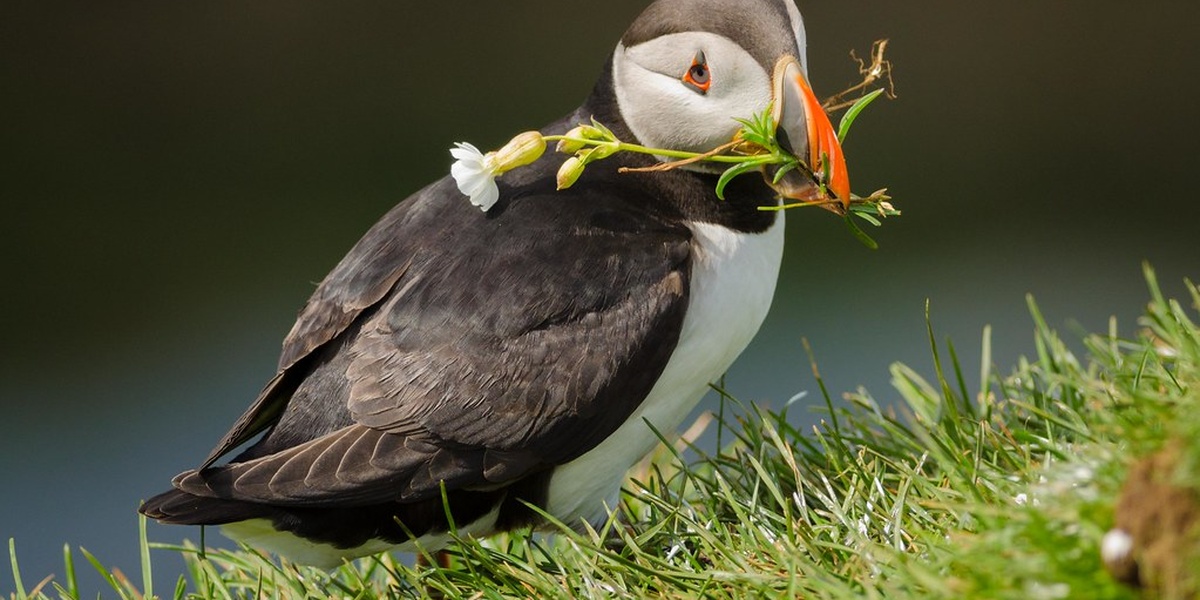
Atlantic Puffin
Iconic cliff-nesting seabird with a colourful bill in summer. Common on island colonies in summer, absent at sea in winter. Look for puffins bobbing offshore and large breeding colonies on grassy cliff ledges.
Common Guillemot
Dark-backed auk forming dense cliff colonies. Seen on sea cliffs and offshore rafts from spring to autumn. Long thin body, black head and white underparts; vocal and abundant at major seabird colonies.
Razorbill
Black-and-white auk with a thick, laterally flattened bill. Breeds on islands and cliffs; common at many colonies. Often seen swimming in tight groups offshore and returning to ledges at dusk.
Northern Gannet
Large white seabird with black wing tips and pointed yellowish head. Highly visible breeding colonies like Bass Rock. Spectacular plunge-diver feeding offshore during spring and summer.
Black-legged Kittiwake
Small, grey-backed gull with black wingtips and yellow bill. Nests on coastal cliffs in colonies; populations have declined in places but still common at major seabird sites in spring and summer.
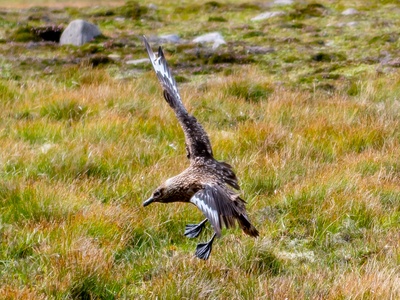
Great Skua
Large aggressive seabird (bonxie) known for pirating and kleptoparasitism. Dark brown, powerful flight. Breeds on remote islands and moorland; often seen chasing gulls or harrying gannets at sea.
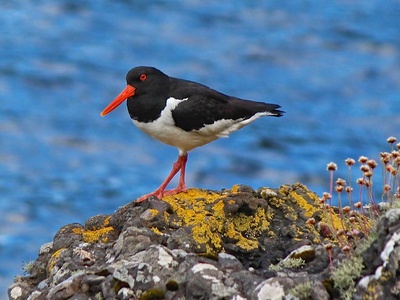
Eurasian Oystercatcher
Striking black-and-white wader with bright orange bill. Common on shores, mudflats and farmland; loud piping call. Often seen probing for shellfish on rocky coasts and sandflats.
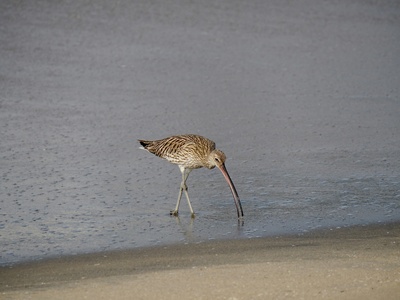
Eurasian Curlew
Large wader with long down-curved bill and bubbling call. Iconic of moorland and coastal estuaries; numbers have fallen. Look and listen on upland heaths and tidal flats, especially at dawn and dusk.
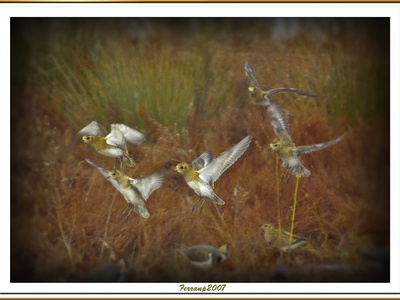
Eurasian Golden Plover
Plump ground-dwelling plover with a melodic song in summer. Breeds on upland peat and moors; flocks move to coasts and farmland in winter. Striking breeding plumage shows black belly and gold-speckled back.
Common Redshank
Medium wader with red legs and piping call. Breeds in wet meadows and marshes; a familiar sight on mudflats and saltmarshes. Agile probe-feeder often alarm-calling from low perches.
Dunlin
Small, buff-backed wader with a slightly down-curved bill. Breeds in northern Scotland’s bogs; large winter flocks on estuaries. Breeding plumage shows black belly patch and russet back.
Common Sandpiper
Slender, bobbing wader with a distinctive teetering motion. Breeds along rivers and loch edges; appears in spring and departs in autumn. Grey-brown above and white below with a sharp flight pattern.
Whimbrel
Long-billed curlew-like migrant with distinctive crown stripe. Notable spring passage visitor on coasts and machair. Feeds on invertebrates in soft ground; often arrives in noisy flocks during migration.
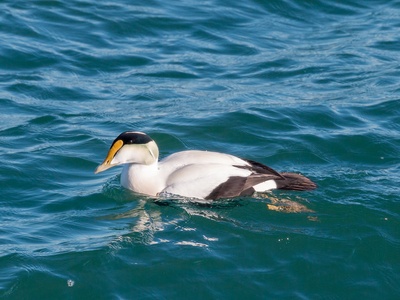
Common Eider
Large sea duck with downy females; males are black and white in breeding plumage. Forms coastal colonies and is commonly seen around sheltered bays. Valued for its soft nest down historically.

Red-throated Diver
Small, slim diver with a thin bill and upright posture at rest. Breeds on remote lochs and winters at sea. Characteristic high-pitched wailing calls on breeding waters.
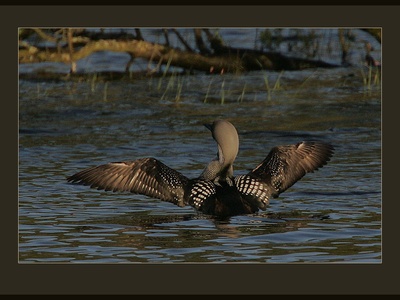
Black-throated Diver
Large elegant diver with striking black throat in breeding season. Breeds on northern lochs and winters around coasts. Seen as lone pairs on remote waterbodies in summer.
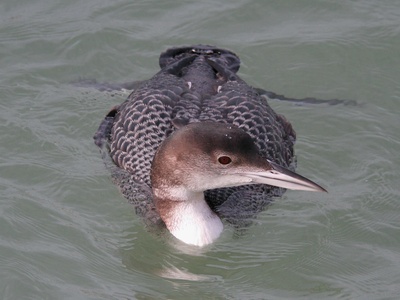
Great Northern Diver
Massive, powerful diver with a heavy bill. Mostly a winter visitor off coasts; rare breeding occurs. Look for black-and-white winter pattern and deep, mournful calls.
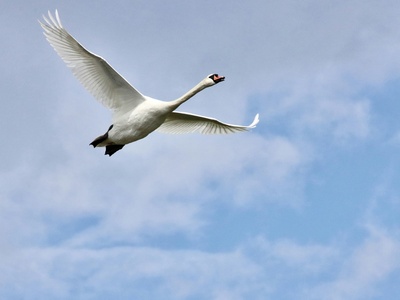
Whooper Swan
Large trumpeting swan with a yellow-and-black bill. Common in winter on lochs and estuaries, sometimes nesting in remote wetlands. Distinctive honking calls and V‑formation flights.
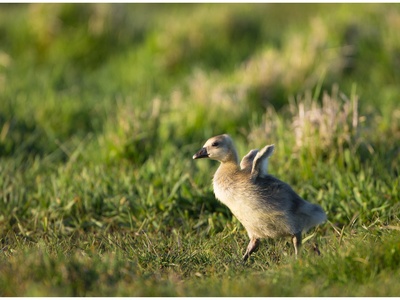
Greylag Goose
Large grey goose common on lochs, fields and islands. Both wild and long-established feral birds present. Loud honking, grazes farmland and forms large flocks in winter.
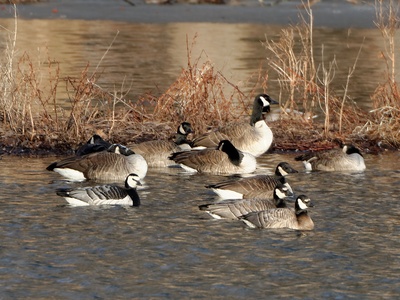
Barnacle Goose
Black‑headed white-bodied goose arriving from Greenland/Svalbard. Large winter flocks on Islay and coasts; increasingly seen grazing fields and salt marshes. Iconic winter visitor of the west coast.
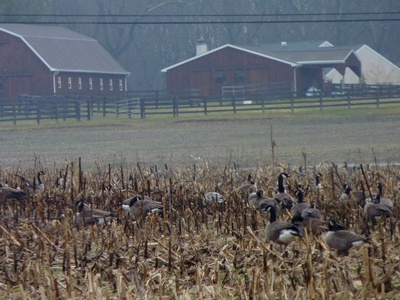
Pink-footed Goose
Medium grey goose with pink feet and bill base. Large flocks winter on agricultural land and coastal marshes, migrating to Icelandic breeding grounds. Noisy, social birds in dawn/dusk gatherings.
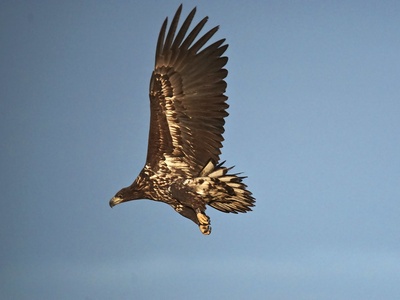
White-tailed Eagle
Huge raptor with broad wings and pale tail. Reintroduced successfully; now breeding in coastal western Scotland. Majestic scavenger and predator, often seen near sea lochs and islands.
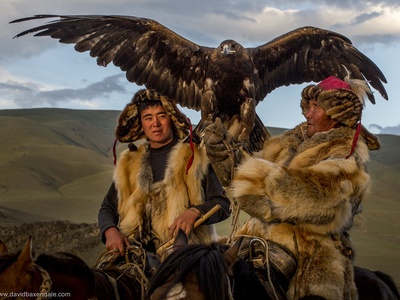
Golden Eagle
Iconic large raptor of the Highlands. Solitary, occupies large territories over upland moor and mountains. Look for soaring eagles over glens and remote heather moor.
Osprey
Fish-eating raptor that returns to nest in spring. Spectacular plunge-diver visible at lochs and estuaries; reestablished breeding in Scotland. Long-winged, white underparts and dark eye-stripe.
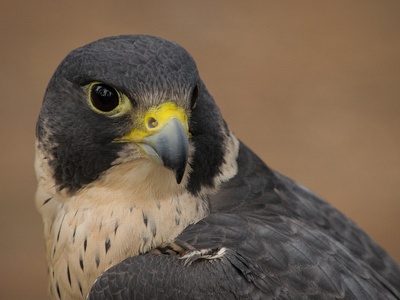
Peregrine Falcon
Powerful falcon reaching high speeds in stoop. Breeds on cliffs and increasingly in urban areas. Distinctive dark hood and barred underparts; often preys on gulls and pigeons.
Merlin
Small, fierce falcon of upland and coastal heaths. More common in northern and western moors; fast low hunting flight and stoops on small passerines. Compact, streaky plumage.
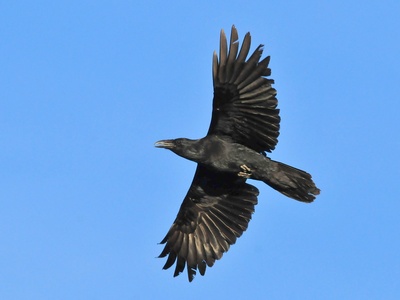
Common Raven
Large, intelligent corvid with deep croak. Found across Scotland from mountains to coasts. Pairs defend territories and are notable for aerial displays and problem-solving behaviour.
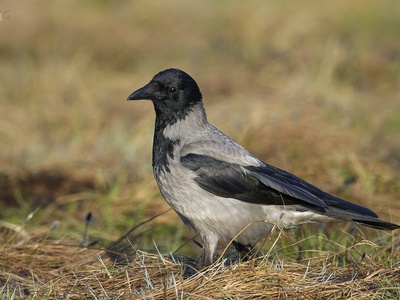
Hooded Crow
Grey-and-black crow common in Scotland, replacing carrion crow in many areas. Opportunistic feeder in towns, shoreline and farmland. Distinctive grey body and black head, wings and tail.
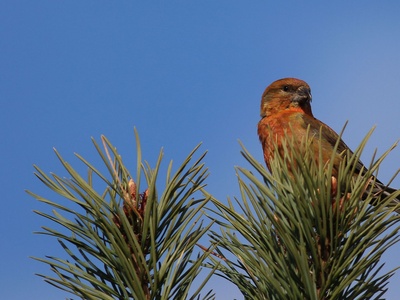
Scottish Crossbill
Endemic finch confined to Caledonian pines with thick crossed bill. Specialist cone feeder; limited range makes it a conservation priority. Male red, female greenish; persistent Scottish resident.
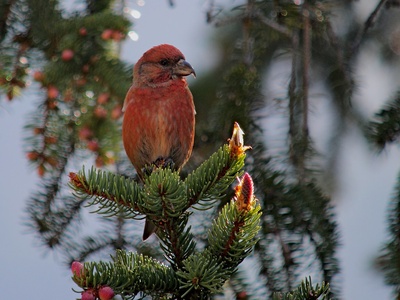
Common Crossbill
Crossed bill specialist of conifers that irrupts unpredictably when seed crops vary. Varied plumage and calls; more widespread than the Scottish crossbill and can occur in large feeding flocks.
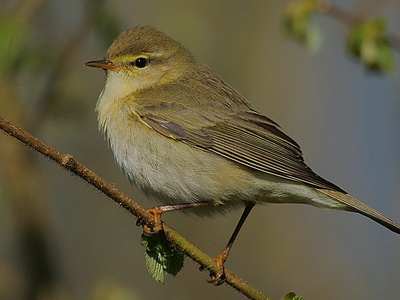
Willow Warbler
Delicate pale green warbler with a sweet descending song. Common spring/summer breeder across Scotland in woodlands and scrub. Travels long distances to sub-Saharan Africa each winter.
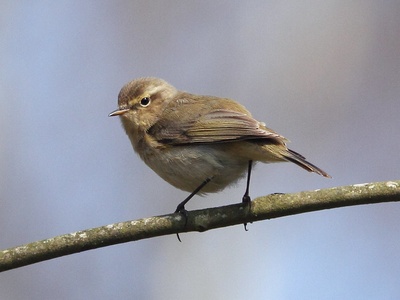
Chiffchaff
Small brown-green warbler with repetitive ‘chiff-chaff’ song and habit of flicking its tail. Common migrant and increasingly regular winter visitor; often first leaf warbler of spring.
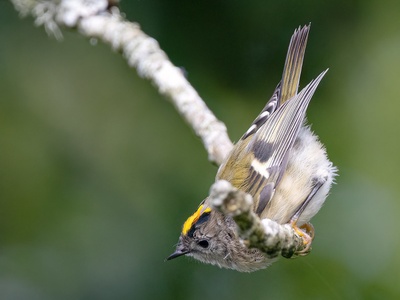
Goldcrest
Britain’s tiniest bird with an orange or yellow crown stripe. Often secretive in conifers, but common year-round. Rapid high-pitched calls and flitting feeding behaviour make it distinctive.
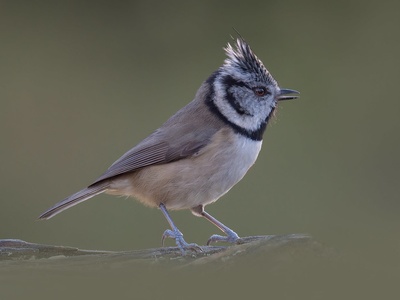
Crested Tit
Small, striking tit with black-and-white crest limited to Scottish pinewoods in the UK. Localised and highly associated with ancient pines; distinctive crest and chirpy calls.
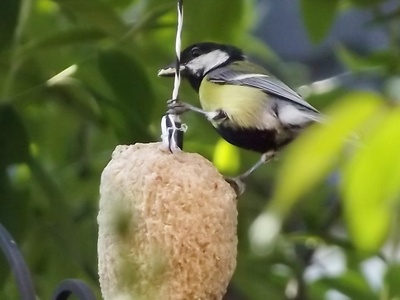
Coal Tit
Small grey-backed tit with a white nape patch and black cap. Common in coniferous woodland and gardens, often acrobatic on feeders. Makes nasal ‘tsee-tsee’ calls.
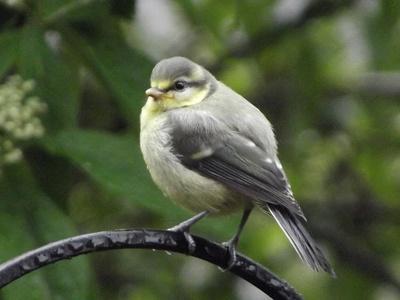
Blue Tit
Bright small tit with blue cap and yellow underparts. Very common in gardens and woods across Scotland, active at feeders and nestboxes. Agile and vocal through the year.
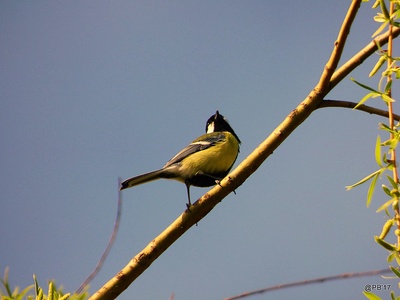
Great Tit
Large tit with black head and white cheeks. Common and adaptable, occupying woods and towns. Distinctive two-syllable song and aggressive at feeders in winter.
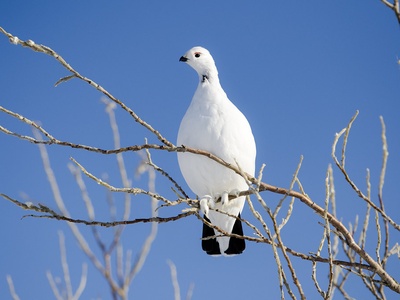
Ptarmigan
Stocky grouse adapted to cold high plateaus; white in winter, mottled brown in summer. Found on highest Scottish mountains; well camouflaged and localized to remote alpine tundra.
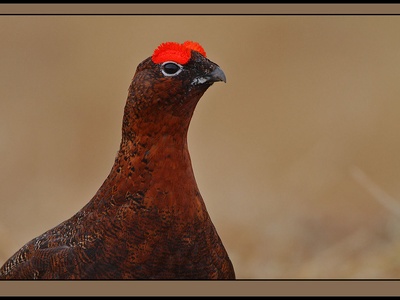
Red Grouse
Specialised upland bird of heather moors and an iconic grouse species. Red-brown plumage, loud song, and important gamebird. Numbers linked to heather management and predator control.
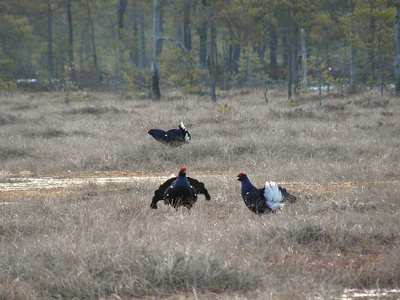
Black Grouse
Notable for dramatic lekking displays in spring with black males and erect tail. Declined across lowlands but persists in upland glens and edge habitats. Look for lek sites at dawn.
Capercaillie
Largest grouse in UK, very rare and secretive in Scottish pinewoods. Males display in spring with deep booming calls; conservation-focused reintroductions and protections ongoing due to low numbers.
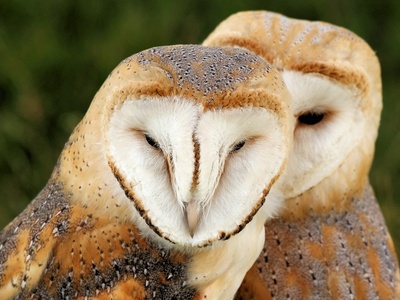
Barn Owl
Ghostly white heart-shaped face and silent flight hunting over grassland at night. Local and patchy but present where suitable rough pasture and nesting sites exist; vulnerable to habitat change.
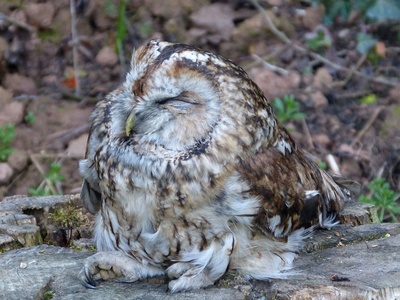
Tawny Owl
Stocky nocturnal owl with a hooting call, common in woods and parks. Secretive by day; often heard rather than seen. Readily uses nestboxes and old trees for breeding.
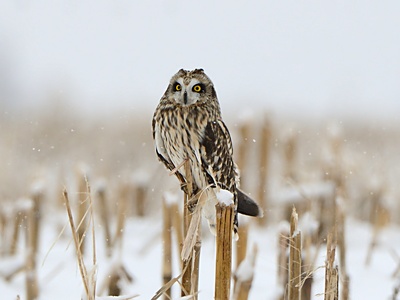
Short-eared Owl
Diurnal-seen owl with buoyant moth-like flight over open country. More visible in winter on moorland and marshes; variable numbers depending on rodent cycles.
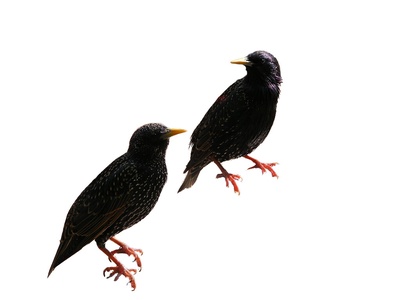
Starling
Glossy black with iridescent sheen in winter; famed for massive murmuration displays. Numbers have fallen but still widespread across towns and countryside. Vocal mimics with a varied call repertoire.
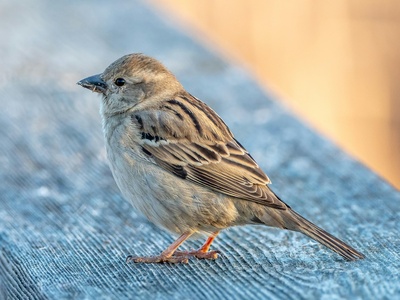
House Sparrow
Familiar small bird of human settlements; numbers have declined markedly. Males have black bib and chestnut cap. Often seen around buildings, feeders and hedgerows in towns and villages.
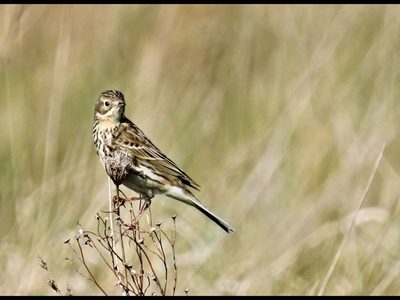
Meadow Pipit
Small streaky passerine of open country, frequent on moors and farmland. Flits low to ground and performs a jizz-filled display flight. Common and often the first to respond to disturbance.
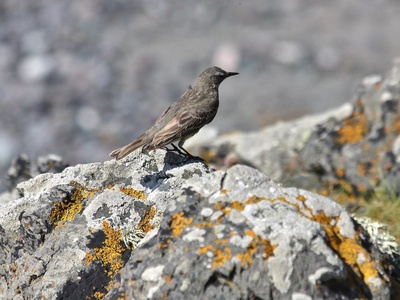
Rock Pipit
Streaky grey-brown pipit living on rocky seashores and piers. Resident along coasts year-round; skulking behaviour and subtle song. Often seen probing among seaweeds at low tide.
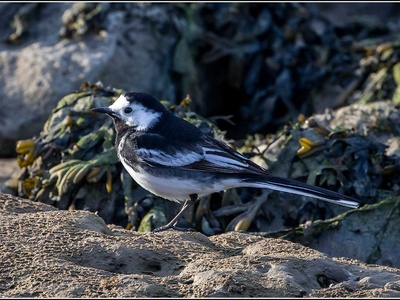
Pied Wagtail
Energetic wagtail with long tail and bold black-and-white pattern. Common in urban and rural areas, often near water. Feeds on insects in open habitats and around buildings.
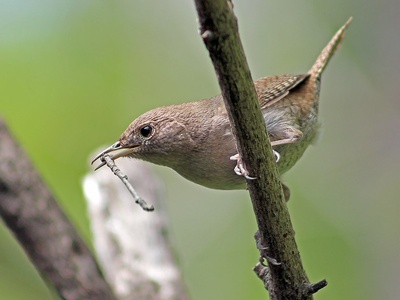
Wren
Tiny, round bird with loud song and cocked tail. Ubiquitous across habitats, very territorial despite size. Often heard more than seen in dense cover and gardens.
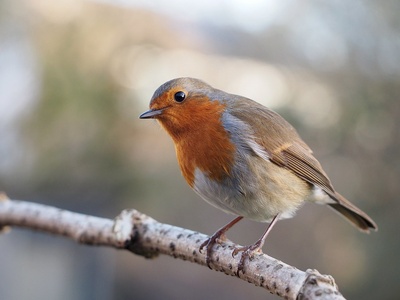
Robin
Familiar tame garden bird with orange-red breast and lively song year-round. Territorial and bold around people; frequent at feeders and garden edges. Popular and easily recognized.
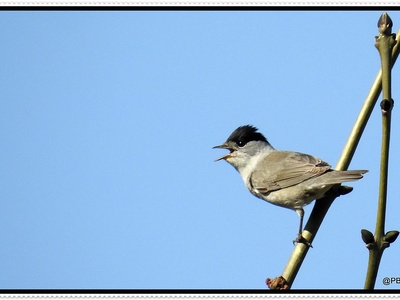
Blackcap
Sweet-singing warbler with grey head and, in males, a black cap. Increasingly common as breeder in southern Scotland and as a migrant; attracted to berry-rich gardens in autumn and winter.
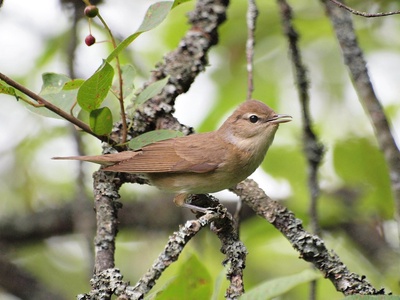
Garden Warbler
Plain olive-brown warbler with rich, fluty song and secretive habits. Common in spring and summer in scrubby woodlands and hedgerows; often detected by song rather than sight.
Cuckoo
Familiar spring migrant that lays eggs in other birds’ nests. Distinctive repetitive call announces arrival; numbers have declined, making its spring presence notable and eagerly awaited.
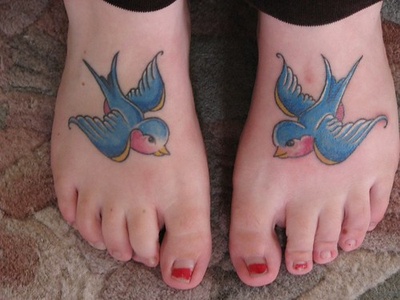
Swallow
Streamlined aerial insectivore with forked tail and glossy blue back. Arrives in spring to breed and winters in Africa. Common over farmland and water; nests on buildings and in barns.
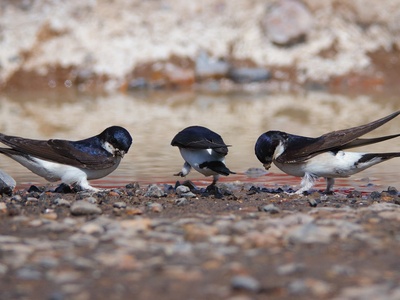
House Martin
White‑bellied, mud‑nester often beneath eaves in colonies. Aerial insect-eater arriving in spring. Looks similar to swifts in flight but returns to nest regularly at buildings and bridges.
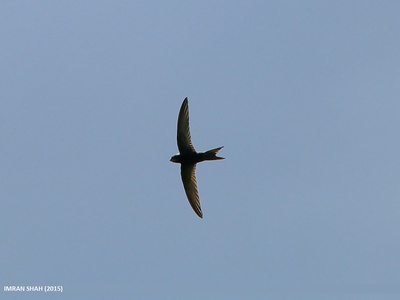
Common Swift
High-speed aerial specialist that spends most of its life on the wing. Arrives in late spring and nests in urban crevices. Screaming calls and relentless summer aerial displays are distinctive.
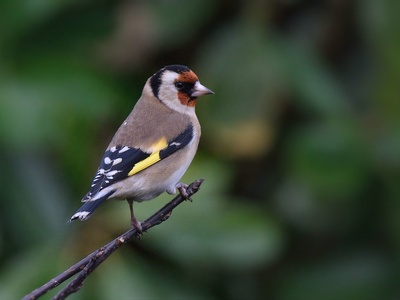
Goldfinch
Bright yellow wing flash and red face make this finch unmistakable. Attracted to thistle and nyjer feeders, common in gardens and farmland; flocks form in winter on seed crops.
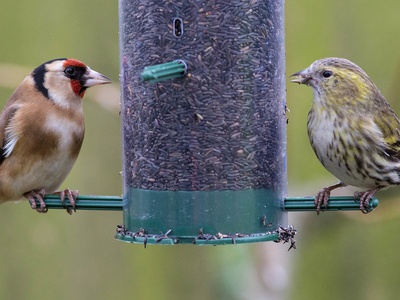
Siskin
Small streaky finch with yellow-green tones and forked tail. Often visits garden feeders in winter; breeds in northern conifers. Notable for twittering calls and cone‑feeding behavior.
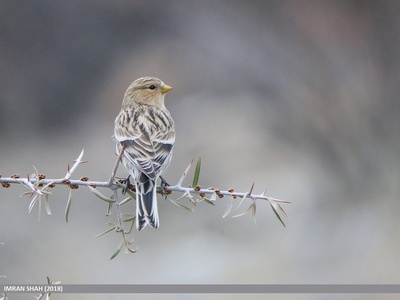
Twite
Small brown finch of coastal machair and upland edges with pink bill in summer. Localised and declining, often seen in small flocks on grazed grasslands and machair in the west and north.
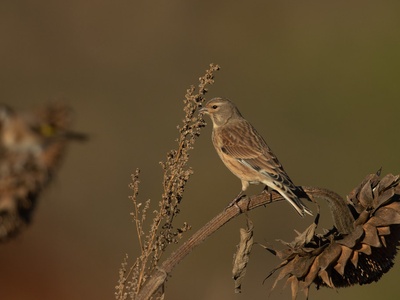
Linnet
Small brown finch with rosy breast in males; common in hedgerows and gorse. Often seen in small flocks on farmland and coastal scrub, singing a pleasant twittering song.
Brambling
Wintering finch with striking white rump and orange breast in males. Irruptive species that appears in variable numbers during autumn and winter, often mixed with finch flocks.
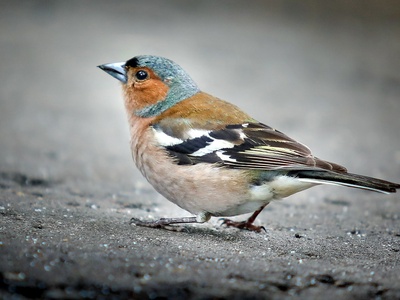
Chaffinch
Common broad-chested finch with blue-grey head in males. Ubiquitous across habitats, sings a varied descending song. Often first to visit garden feeders in winter.
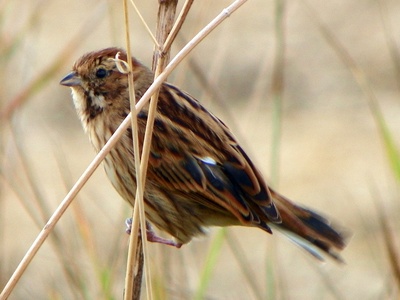
Reed Bunting
Streaky bunting frequent in reedbeds and wet meadows; males show black head in breeding plumage. Declining in some lowland areas but still common in suitable marsh and reed habitats.
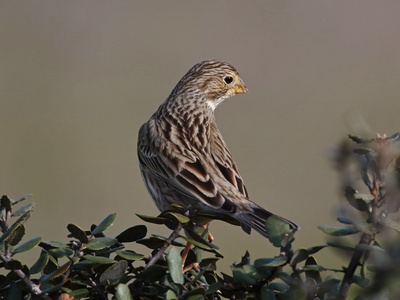
Corn Bunting
Large, streaky bunting with a creaking song. Historically common on farmland but much reduced; present in pockets across lowland Scotland where intensive agriculture is less dominant.