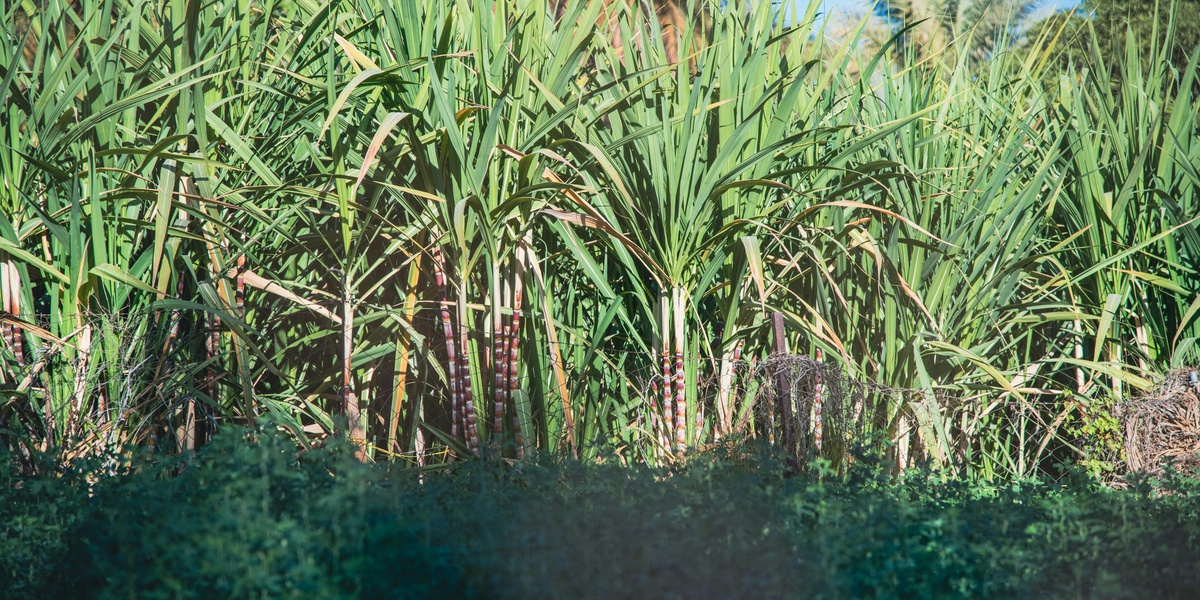
Mauritius sits at the crossroads of the Indian Ocean, where a compact island landscape supports a surprising variety of natural assets. From coastal fisheries and coral reefs to inland agricultural zones and small mineral deposits, these resources shape local livelihoods, cuisine and tourism in practical ways.
There are 15 Natural Resources of Mauritius, ranging from Bananas to Vanilla. For each item I list the Category,Main locations,Typical annual quantity (unit) so you can quickly compare what’s produced where and at what scale — you’ll find below.
How do these natural resources contribute to Mauritius’s economy and daily life?
Natural resources provide food, export income and jobs: agriculture (sugarcane, fruits, vanilla) feeds locals and supports agro-processing, fisheries supply markets and tourism, while construction materials and freshwater support infrastructure and households. Many resources are small-scale but collectively important for rural employment and seasonal export earnings.
Are visitors able to see or buy these resources on the island?
Yes — you can visit plantations, markets and cooperatives to see production and buy local products (Vanilla, bananas, fish, rum). Some sites require guides or prior arrangement, and availability varies by season, so check local tour operators or farmers’ markets for the best experience.
Natural Resources of Mauritius
| Resource | Category | Main locations | Typical annual quantity (unit) |
|---|---|---|---|
| Sugarcane | Agricultural | Central plains and coastal lowlands (Grand Port,Savanne,Plaines Wilhems) | 4,000,000 t/year (approx.) |
| Tea | Agricultural | Highland estates (Moka,Bois Chéri,Curepipe) | 1,000 t/year (approx.) |
| Bananas | Agricultural | Coastal lowlands and smallholdings (Savanne,Grand Port,Flacq) | 60,000 t/year (approx.) |
| Vanilla | Agricultural | Smallholder plots (Pamplemousses,Flacq,Rivière Noire) | 20 t/year (approx.) |
| Sugarcane bagasse (biomass) | Renewable | Sugar factories across island (Flacq,Grand Port,Beau Plan) | Cogeneration capacity ~80 MW (installed, approx.) |
| Groundwater (aquifers) | Geological | Central plateau and coastal aquifers (Moka,Grand Baie) | 610,000,000 m3/year (0.61 km3/year,renewable est.) |
| Coral reefs (fringing reefs & lagoons) | Marine | Fringing reefs around main island and islets (north,westsouth coasts) | Reef fringe length ~300 km (approx.) |
| Tuna (skipjack,yellowfin) | Marine | Mauritius EEZ and adjacent waters | 15,000 t/year (licensed/total catch est.,approx.) |
| Reef fish (groupers,snappers,parrotfish) | Marine | Lagoon and fringing reefs (west and south lagoons) | 2,000 t/year (artisanal/nearshore est.) |
| Spiny lobster (Panulirus spp.) | Marine | Rocky reefs and coral habitats (south,westsouth coast) | 300 t/year (approx.) |
| Seaweed (culture & wild harvest) | Marine | Lagoon waters and Rodrigues coastal areas | 200 t/year dried (small-scale est.) |
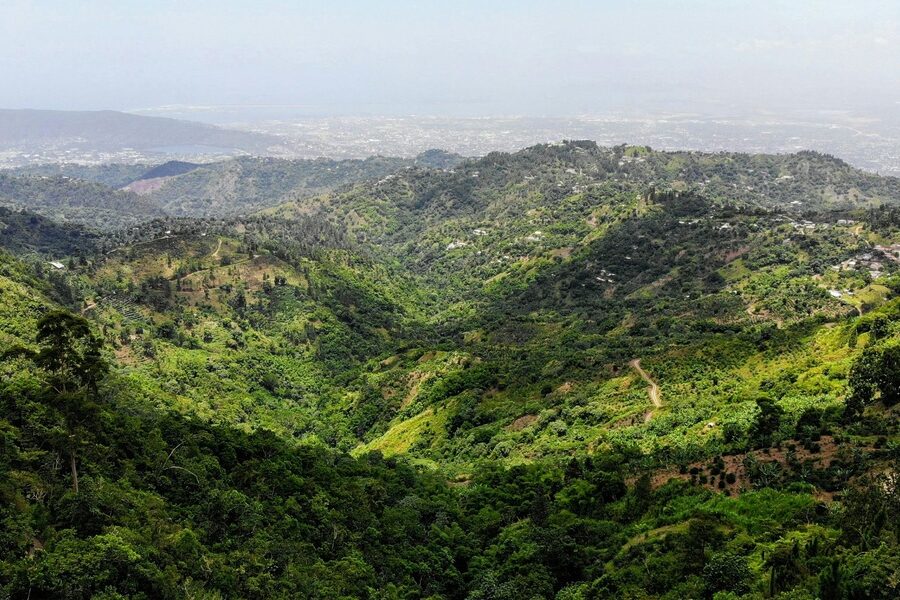
| Native forest remnants | Forest | Black River Gorges,Ile aux Aigrettes,Plaine Champagne | 6,574 ha (Black River Gorges NP area) |
| Mangroves | Forest | Estuaries and sheltered lagoons (Rivière des Galets,Le Morne) | ~2,000 ha (historic/current est.,approx.) |
| Endemic biodiversity (plants & animals) | Biodiversity | Black River Gorges,Ile aux Aigrettes,Rodrigues islands | Hundreds of species (many threatened) |
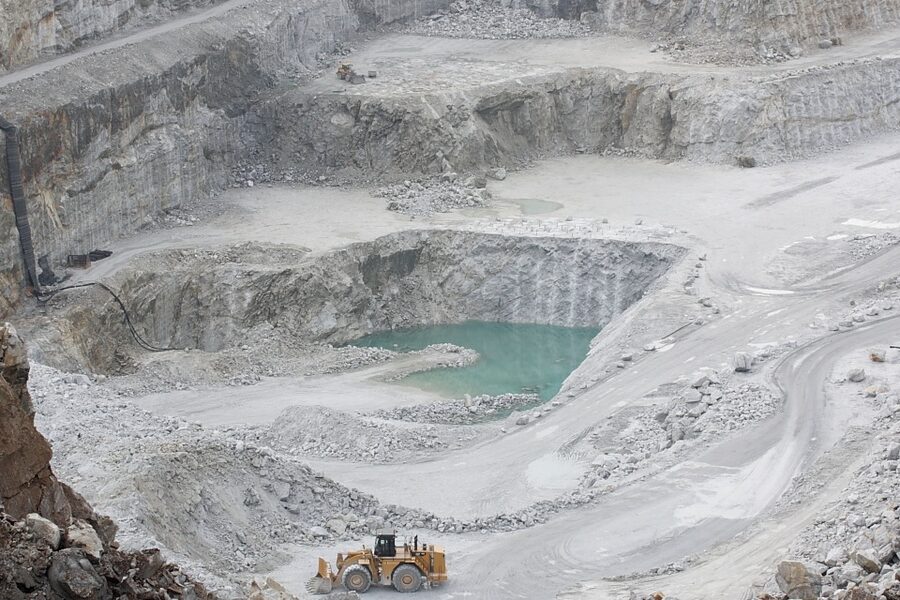
| Basalt and volcanic rock (construction aggregate) | Geological | Central highlands and old volcanic cones | Local extraction tens of thousands m3/year (quarrying est.) |
Images and Descriptions
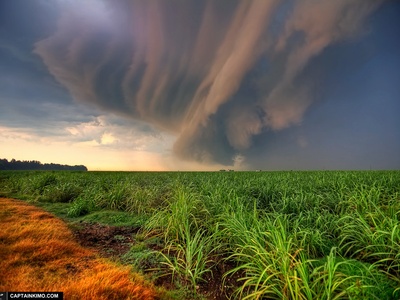
Sugarcane
Staple cash crop grown across lowlands; processed into sugar and rum, supports rural employment and bagasse energy. Production has declined from historic highs; vulnerable to land competition, price volatility and climate change impacts.
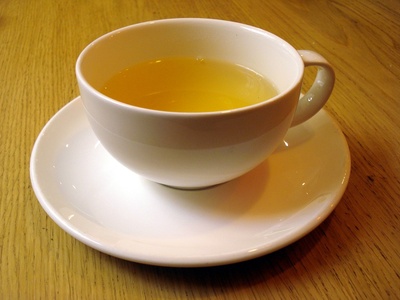
Tea
Highland-grown tea is a niche export and tourist attraction (tea routes). Small-scale plantations contribute to rural incomes and agro-tourism; faces competition, land-use pressure and variable rainfall that affects yields.
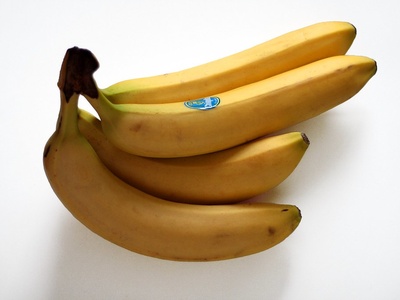
Bananas
Locally consumed and exported regionally; bananas are year-round staple fruit produced by smallholders. Production supports livelihoods but competes with tourism and faces pest, disease and market-price risks.
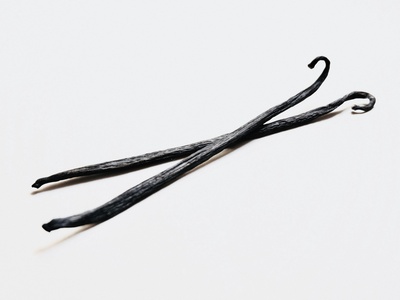
Vanilla
High-value spice grown on small farms for export and niche markets. Labour-intensive and vulnerable to price swings and cyclone damage; valued for diversification beyond sugarcane.
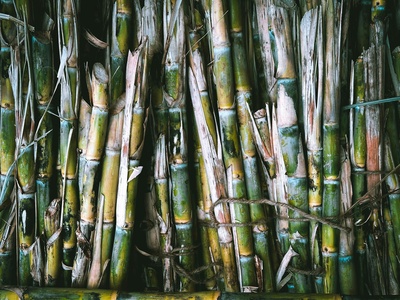
Sugarcane bagasse (biomass)
By-product of sugar processing used for on-site electricity and heat; supplies domestic power and reduces fossil fuel use. Potential for expansion but tied to sugar industry fortunes.
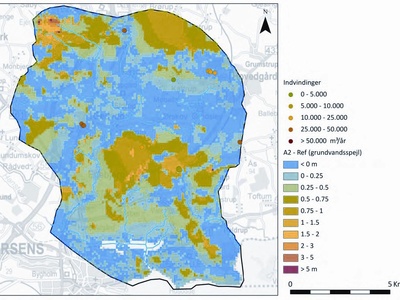
Groundwater (aquifers)
Primary freshwater source for domestic, agricultural and industrial use. Limited renewable supply requires management; threatened by over-extraction, pollution and saltwater intrusion in coastal zones.
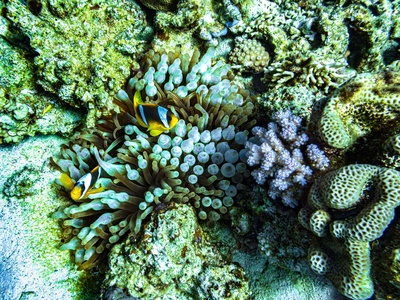
Coral reefs (fringing reefs & lagoons)
Reefs provide coastal protection, tourism (snorkel/diving) and fisheries habitat. Highly biodiverse but stressed by bleaching, pollution, invasive species and coastal development.
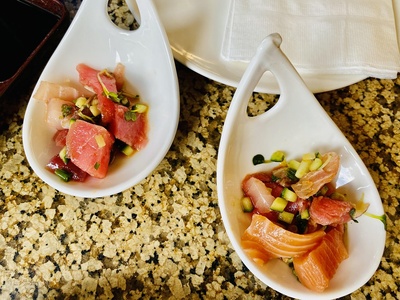
Tuna (skipjack,yellowfin)
Tuna fisheries—vital to blue-economy—are exploited by domestic and licensed foreign fleets. Source of export earnings and local employment; management needed to address stock sustainability and distant-water fleet impacts.
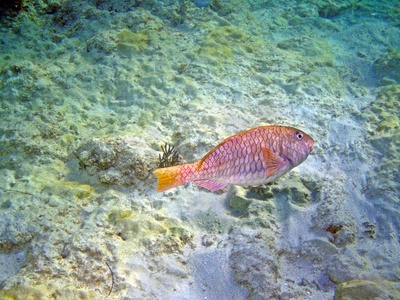
Reef fish (groupers,snappers,parrotfish)
Important for local food security and artisanal fishers. Reef fisheries are sensitive to overfishing, habitat loss and coral degradation; community management and marine protected areas are critical.
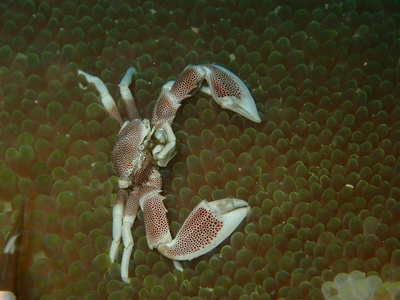
Spiny lobster (Panulirus spp.)
High-value export and local delicacy supporting small-scale fishers. Stocks are vulnerable to overfishing, illegal harvest and habitat degradation; seasonal closures and size limits are applied.
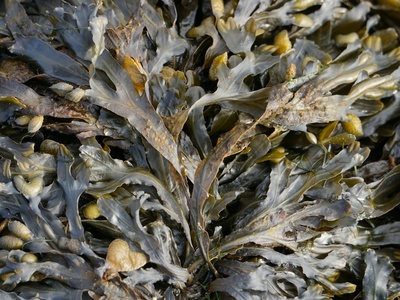
Seaweed (culture & wild harvest)
Seaweed farming and wild harvest supply niche markets and local livelihoods, especially in Rodrigues. Potential for expansion exists but limited by site suitability, market access and environmental carrying capacity.
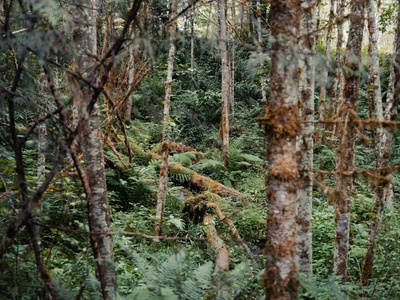
Native forest remnants
Remnant native forest patches host endemic plants and animals, support watershed protection and ecotourism. Small, fragmented and heavily invaded by alien species; active restoration programs are ongoing.
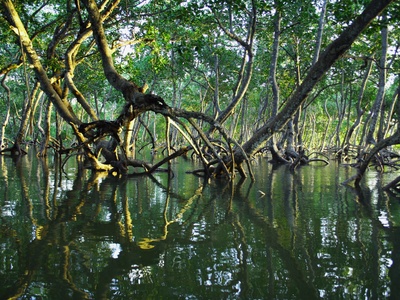
Mangroves
Coastal mangrove stands protect shorelines, support juvenile fisheries and carbon storage. Reduced by reclamation and pollution in places; conservation and rehabilitation are priorities for coastal resilience.
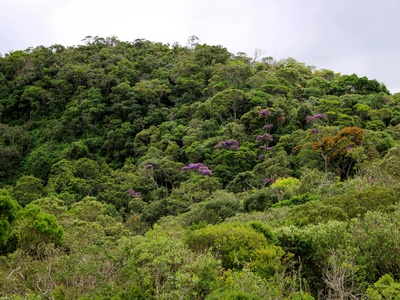
Endemic biodiversity (plants & animals)
Mauritius harbours numerous endemic species (birds,plants,reptiles) important for ecology and tourism. Many species are rare or threatened from invasive species, habitat loss and past extinctions; intensive conservation and captive-breeding efforts continue.
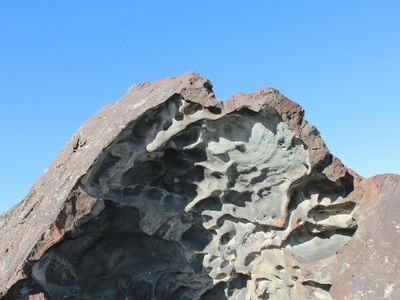
Basalt and volcanic rock (construction aggregate)
Volcanic basalt and rock used widely as aggregate and building stone. Geology provides ready material for construction; extraction is regulated to limit landscape and habitat impacts and supply constraints near urban areas.