Table of Contents
- Why Saint Lucia Grew Its Own Plants
- The Endemic Species
- Where to Actually See Them
- Why This List Keeps Getting Shorter
- Summary
“Endemic” gets used loosely, so here’s the strict version: a plant is endemic to Saint Lucia if this island is the only place on Earth it grows, naturally, without help. Not the Caribbean. Not the Lesser Antilles. This 238-square-mile volcanic island and nowhere else.
By that standard, Saint Lucia is home to at least nine endemic vascular plant species, and one of them is down to a single population of fewer than 50 individuals. That’s not a hedge — it’s the kind of number that makes a botanist’s stomach drop.
Why Saint Lucia Grew Its Own Plants
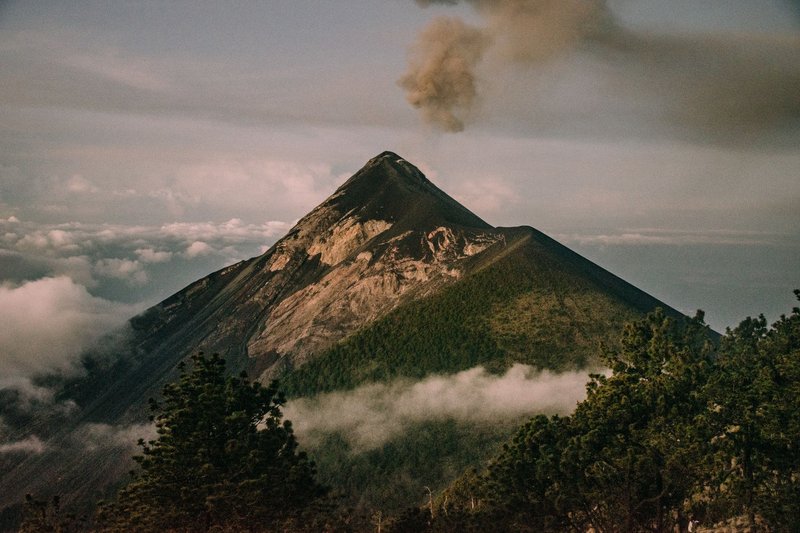
Saint Lucia sits on a chain of young volcanic islands, and “young” matters here. The Qualibou caldera around Soufrière is still active — sulphur springs and all — which means the island’s geology has been reshuffling terrain, soil chemistry, and drainage patterns for a geologically short window. New, isolated terrain is exactly the kind of blank slate that lets a population of plants drift into something new and nowhere else.
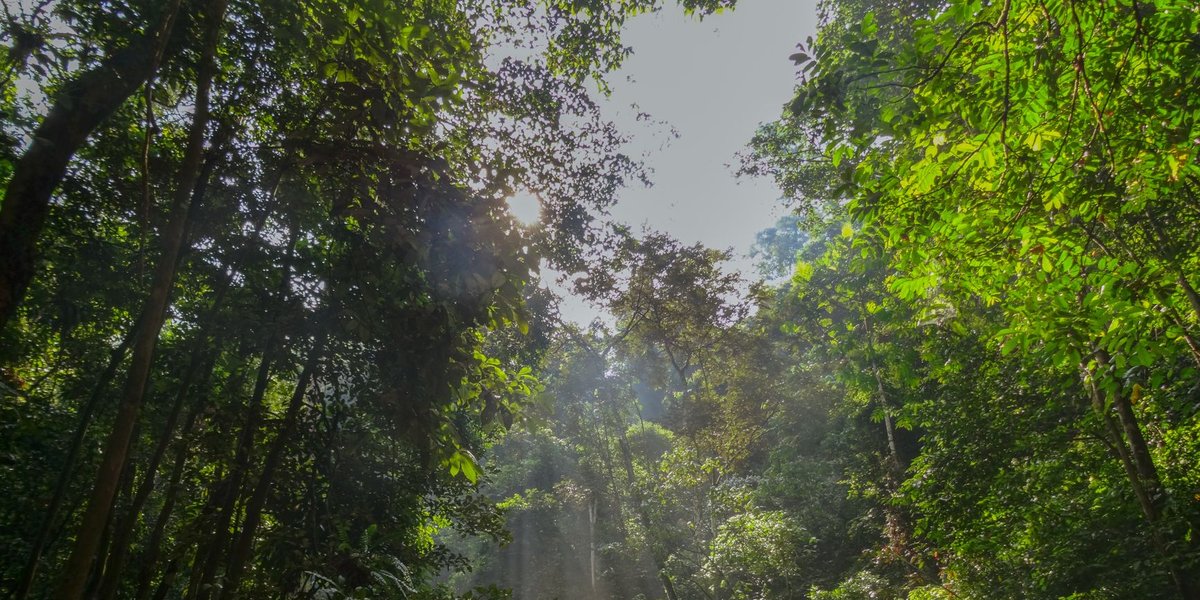
Then there’s the elevation gradient. Saint Lucia climbs from sea-level dry scrub to the cloud-wrapped summit of Mount Gimie at roughly 950 meters (3,000 feet) in a horizontal distance you could drive in under an hour. That compresses several distinct climates — dry coastal woodland, lower montane rainforest, cloud forest, and wind-stunted elfin woodland at the peaks — into one small landmass. Each zone is its own island of habitat, and a handful of plants adapted so tightly to one that they never spread beyond it.
The Pitons make this literal. Gros Piton and Petit Piton are steep, isolated volcanic plugs rising straight out of the sea, and their upper slopes function almost like habitat islands within the island. That isolation is why the Pitons Management Area — a UNESCO World Heritage Site — carries an outsized share of Saint Lucia’s rarest plant life on a comparatively tiny footprint.
The Endemic Species
Saint Lucia Pencil Cedar (Juniperus barbadensis var. barbadensis)
Start with the one that has an actual expiration clock on it. This conifer used to grow on Barbados too, but it was logged out and its habitat converted to sugarcane more than 280 years ago — extinct there before 1700. Saint Lucia’s population was thought gone as well until botanists rediscovered a stand near the summit of Petit Piton in 1985.
A recent survey counted fewer than 50 mature individuals, confined to roughly 0.0006 square kilometers of rock near the summit. The IUCN lists it as Critically Endangered, and the threats read like a checklist built to worry conservationists specifically: fire, pathogen attack, and the hurricanes that pass directly over this stretch of coast most years. This is one entire global population of a species living on a single exposed ridge.
Saint Lucia Lobelia (Lobelia sancta-luciae)
Climb to the opposite end of the island’s elevation range and you’ll find this subshrub working the elfin shrublands of the Mount Gimie and Piton Troumassé range — the stunted, wind-sculpted forest that grows where the trade winds hit highest ground and never let up. It’s one of the more frequently encountered endemics in that zone, which says less about how common it is and more about how narrow its zone is: step outside the cloud line and it isn’t there.
Bernardia laurentii
This shrub grows in exactly one place: the open, rocky, dry summit of Petit Piton, sharing that cramped real estate with the pencil cedar. It’s named for Laurent Jn Pierre, the Saint Lucian botanist credited with its discovery, and it faces the same short list of threats as its neighbor — fire risk on an exposed summit, plus pressure from invasive ornamental plants that have started creeping into the habitat.
Daphnopsis macrocarpa
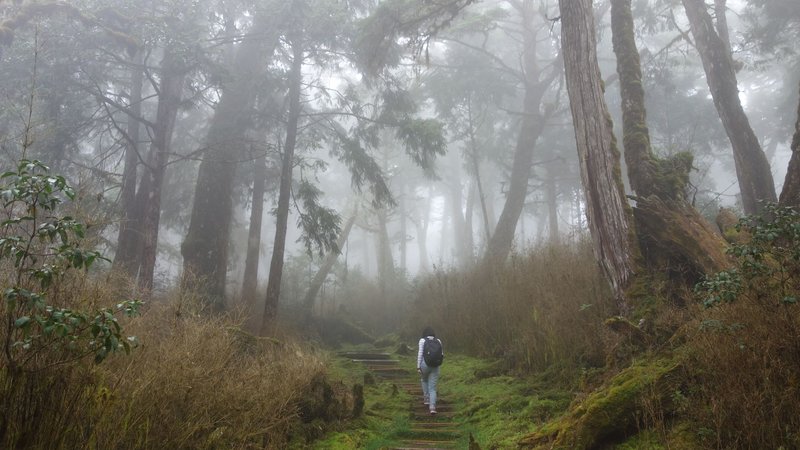
Locally called maho pimen gwa bwa, this understory tree or shrub grows scattered through the lower montane rainforest and is genuinely uncommon even within its own habitat — botanists describe it as rare rather than merely restricted. Earlier generations on the island used its fibrous bark for making rope, a practical use that outlasted a lot of written botanical record of the plant itself.
Chrysochlamys caribaea
Known locally as bwa mang, this is one of the more visible endemics if you know where to look — fairly common through lower montane, montane, and cloud montane rainforest, especially along steep ravines. Cut the stem and it bleeds a sap so pale it reads as nearly white, a field mark guides use to confirm identification on the spot.
Acalypha elizabethiae
A member of the spurge family (Euphorbiaceae), like most Acalypha species it grows as a shrub with the small, tassel-like flower spikes typical of the genus. It’s one of the least-documented entries on this list outside specialist botanical surveys, which is itself worth noting: an endemic plant can go generations without a popular account of it existing at all.
Gonolobus iyanolensis
A twining vine in the milkweed-vine group, part of the same broad family that produces the familiar pod-and-silk seed dispersal you’d recognize from milkweed elsewhere. Like several plants on this list, it’s confirmed endemic but sparsely recorded — the kind of species that shows up in a herbarium collection more often than in a hiking guide.
Miconia luciana and Miconia secunda
Two members of the melastome family (Melastomataceae), a group known across the tropics for opposite leaves with strongly parallel veins and small, dark berries that birds move around the forest. Saint Lucia’s two endemic Miconia species fill that same ecological role locally — understory shrubs to small trees, quietly doing the seed-dispersal work that keeps a rainforest regenerating — without either one having much written about it beyond taxonomic descriptions.
Where to Actually See Them
Be honest with yourself about the pencil cedar and Bernardia laurentii first: their entire populations sit on the exposed summit terrain of Petit Piton, inside a protected World Heritage Site, and that’s not incidental. A single population of 50 plants doesn’t survive casual foot traffic. If you want to see them, it’ll be through a licensed guide operating within the Pitons Management Area’s rules, not a solo scramble.
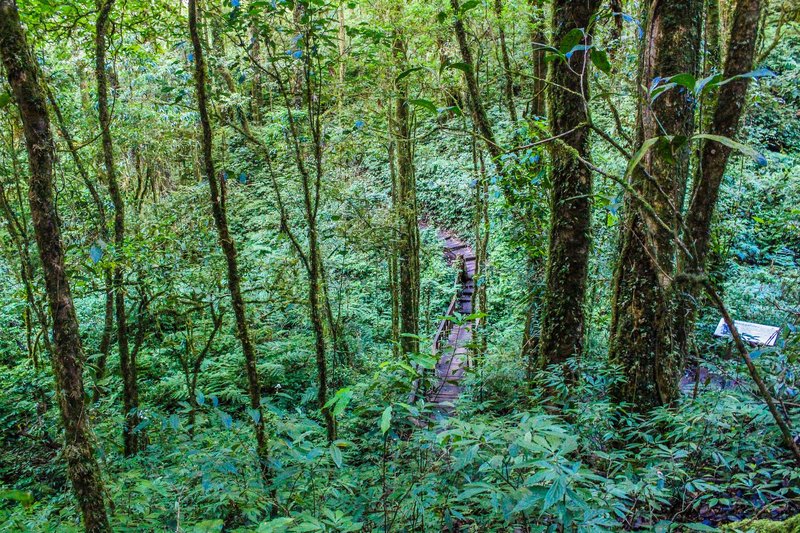
The Edmund Forest Reserve is the more realistic target for a general visitor. The trail cuts through rainforest, cloud forest, and elfin woodland in a single hike, which means you’re passing through several of these species’ preferred habitats without needing technical climbing. Bring a rain jacket regardless of forecast — cloud forest earns its name daily.
For Lobelia sancta-luciae specifically, the higher-elevation stretches around Mount Gimie and the Piton Troumassé range are the reliable habitat, though reaching them typically means a longer, guided trek rather than a casual reserve walk.
Season matters less here than in temperate climates, since Saint Lucia doesn’t have a hard bloom-and-dormancy cycle, but the dry season (roughly December through May) makes trails more passable and reduces the odds of a hike getting rained out entirely. The wet season brings the forest to its most vivid green, if you don’t mind mud.
Why This List Keeps Getting Shorter
Small, isolated populations are fragile by definition, and Saint Lucia’s endemics sit at the sharp end of that math. Fire on a dry summit can erase a population in an afternoon. A single strong hurricane track — and this island sits directly in the belt that produces them — can do damage a slow-growing conifer needs decades to recover from, if it recovers at all. Invasive ornamental species, introduced for landscaping and gone feral, now compete directly with natives like Bernardia laurentii on the same restricted ground.
None of this is unique to Saint Lucia. The Global Trees Campaign has flagged the same pattern across small Caribbean islands: a conifer or shrub survives centuries in obscurity precisely because it’s inaccessible, then gets pushed to the edge the moment its habitat becomes reachable or its climate becomes unstable. What makes the pencil cedar’s case sharper is the math — there is no backup population on another island to reseed from. Barbados already proved that.
Summary
Saint Lucia packs a disproportionate amount of botanical rarity into a small, young, volcanic footprint — the direct result of steep elevation gradients, isolated summit terrain, and an active geologic history that kept carving out new niches. At least nine plant species exist here and nowhere else on the planet, from the critically endangered pencil cedar clinging to fewer than 50 individuals on Petit Piton to quieter, lesser-documented natives like Gonolobus iyanolensis that most visitors will never knowingly encounter. The Edmund Forest Reserve gets you into real endemic habitat without technical difficulty; the Pitons themselves are best left to licensed guides, both for your safety and because that ridge is holding up an entire species on its own.