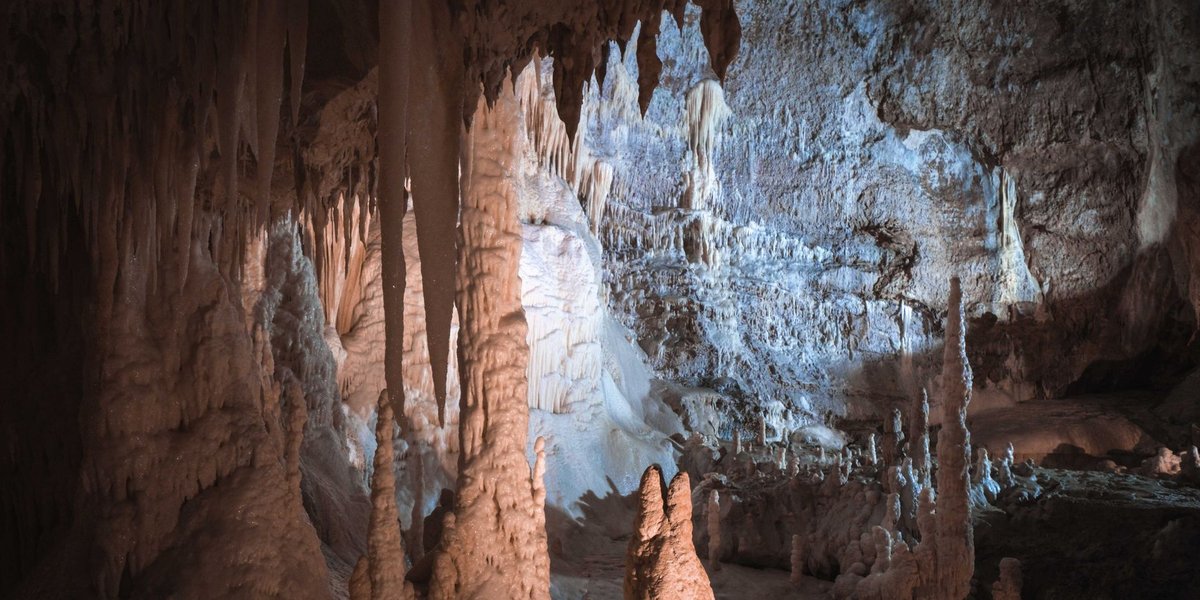
Russia’s caves aren’t concentrated in one place. They run from the gypsum hills of the Urals to the sandstone of the Black Sea coast, and from the Altai Mountains to a chalk bank on the Don. The Russian Geographical Society catalogued 176 of them in its first national cave atlas, and that is only the notable ones. This list picks ten that cover every kind: caves you can walk through on a ticket, caves only divers or scientists enter, caves that rewrote human prehistory, and caves where monks have been praying for centuries.
Each entry gives the region, the one fact that makes the cave worth the attention, and a practical note on getting in. A quick-reference table follows the list.
Contents
- Russia’s caves by region
- Show caves of the Urals
- The record-setter
- Caves that changed human prehistory
- Easy caves near cities
- Cave monasteries
- Quick-reference table
- Before you go
Russia’s caves by region
Four regions hold most of what’s worth knowing.
- The Urals (Perm Krai, Bashkortostan): gypsum and limestone karst, the heart of Russian cave tourism.
- Altai and Siberia: archaeological caves in the south, plus the huge labyrinths of the Lena basin in the east.
- The Black Sea coast and Caucasus: warm-climate karst around Sochi and Neanderthal sites in Adygea.
- The European plains: no mountains, so the “caves” here are dug into sand and chalk by people, and they’re monasteries.
Show caves of the Urals
1. Kungur Ice Cave, Perm Krai
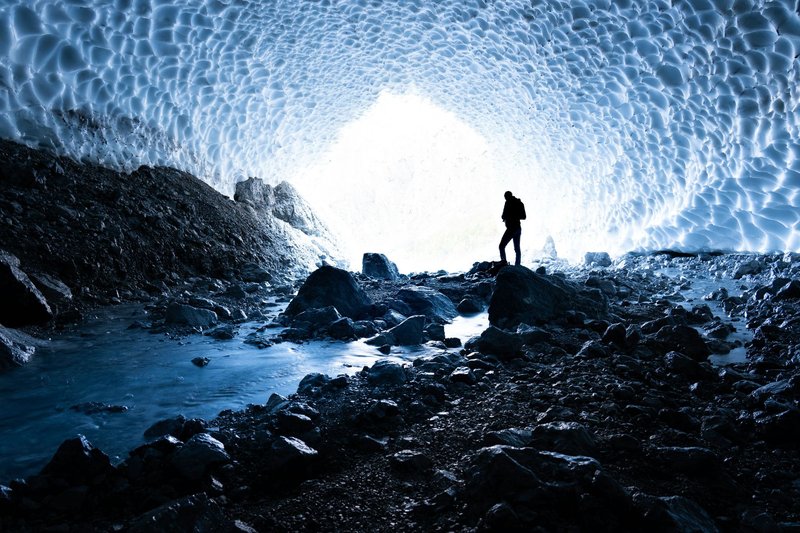
Kungur is the one most Russians mean when they say “the cave.” It sits in a gypsum and anhydrite hill beside the town of Kungur, roughly 90 km from Perm, and its explored passages run about 5.7 km. Dozens of named grottoes hold underground lakes, ice stalagmites and ice crystals that grow and shrink with the season. The largest, Druzhba (Friendship), is tall enough to feel like a hall.
The tour covers only a small fraction of the cave, around 1.5 km on the standard route, and takes about an hour and a half. Tours run through the year, but the ice formations look different in winter and summer, so decide what you want to see. Book ahead for weekends, and check that the cave is open before you plan around it.
2. Orda Cave, Perm Krai
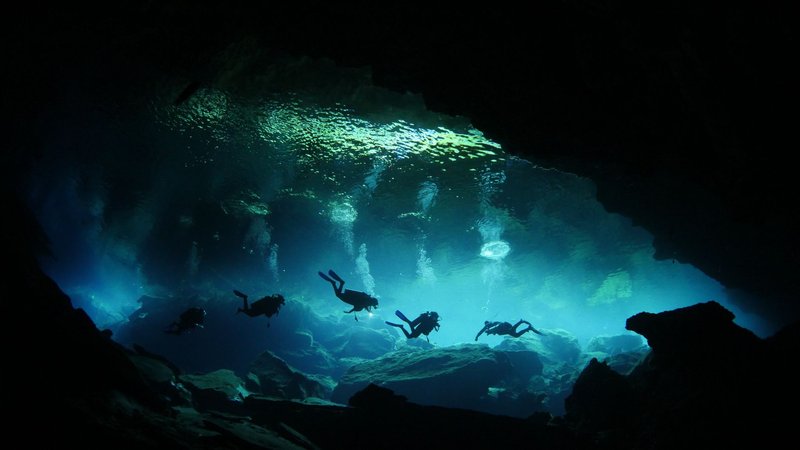
Orda is the cave for people who want to get wet. It’s a gypsum cave in the Urals with more than 5 km of mapped passages, nearly all of it flooded, and it holds the longest siphon in the former Soviet Union at 935 m. The water is cold and exceptionally clear, which is what makes it a destination for cave divers.
Access is for certified divers with a guide. If you only want a look, ask local operators whether any surface visit is possible. Don’t assume one is.
3. Shulgan-Tash (Kapova Cave), Bashkortostan
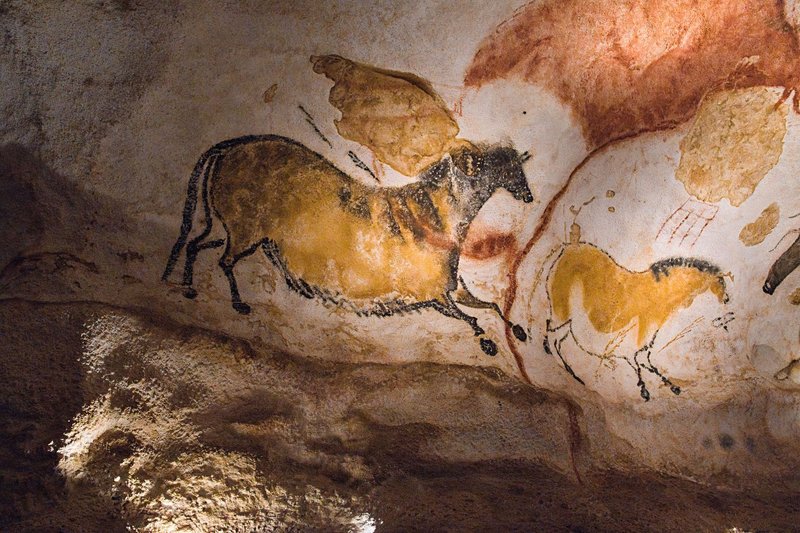
Shulgan-Tash is the Urals’ answer to Lascaux. In 1959, the researcher Alexander Ryumin found red ochre drawings of mammoths, rhinoceroses and horses on its walls, Paleolithic art in a place far from the better-known sites of France and Spain. The cave has three levels, an underground river on the lowest, and sits inside a nature reserve on the Belaya River.
Visits are guided and controlled to protect the drawings. The cave is a long drive from Ufa, so plan a full day. Summer is easiest for the road and the surrounding reserve.
The record-setter
4. Botovskaya Cave, Irkutsk Oblast
Botovskaya is Russia’s longest known cave. The figure usually quoted is around 70 km of passages, though survey numbers have grown over the years and sources still disagree. It lies in the basin of the Lena River, roughly 650 km northeast of Irkutsk, and its labyrinth form means new passages keep turning up.
You can’t visit it as a tourist. Entry is limited to scientific and expert teams, and the distance alone rules out a casual trip. It belongs on a list of Russian caves because the superlative is real, and because it shows how much of Siberia’s underground is still being mapped.
Caves that changed human prehistory
5. Denisova Cave, Altai Krai
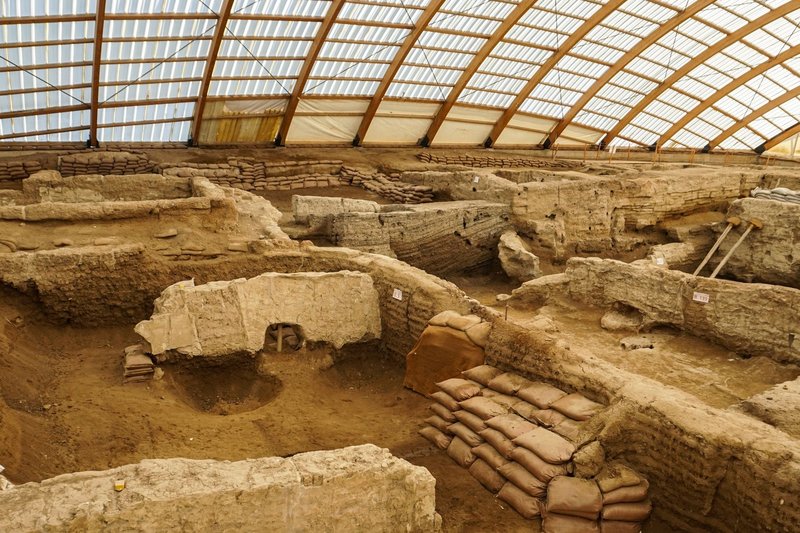
Denisova Cave is the reason a whole branch of the human family tree has a name. A fingerbone from a young girl, found in the Altai foothills, gave researchers the DNA of a previously unknown population, and the 2010 Nature paper described the Denisovans as a group distinct from both Neanderthals and modern humans. Layers in the cave show repeated occupation over hundreds of thousands of years by Denisovans, Neanderthals and modern humans.
It’s a working excavation site, not a developed tourist cave. Visits happen mainly in the summer field season, usually arranged through Altai tour operators, and you’ll be walking among trenches rather than lit galleries.
6. Mezmaiskaya Cave, Adygea
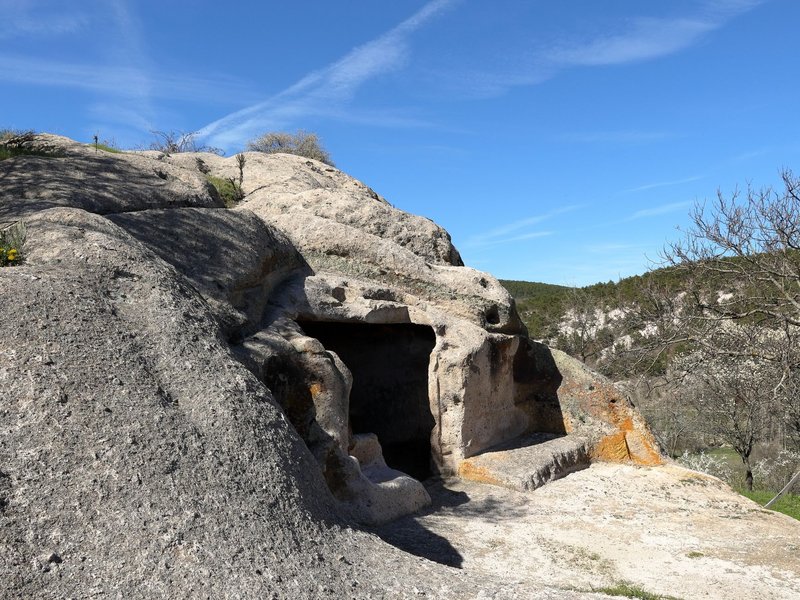
Mezmaiskaya Cave in the Caucasus foothills yielded the bones of a Neanderthal infant in the late 1980s. DNA from those remains, published in 2000, was among the first Neanderthal genetic sequences ever recovered, and it showed that Neanderthals reached this far east. The cave is a rock shelter more than a cavern, and its value is almost entirely scientific.
There’s no regular tour. Treat it as a site to read about, or to visit only with local guides and the permission of the archaeological teams who work there.
Easy caves near cities
7. Karaulnaya Cave, near Krasnoyarsk
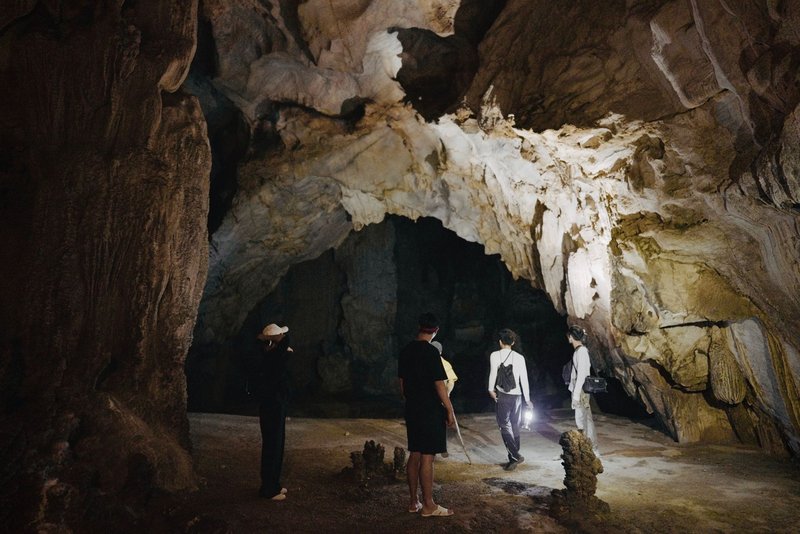
Karaulnaya is the cave you can do between a city lunch and dinner. It’s one of a group of caves in the Karaulnaya upland, a short drive from Krasnoyarsk, and the equipped route runs through several halls over a few hundred meters, with lighting and a built entrance. The temperature stays a few degrees above freezing year-round, so bring a jacket in July.
Tours are guided and typically last around 80 minutes. Booking ahead is the safe approach, since groups are small.
8. Vorontsovka Caves, Sochi
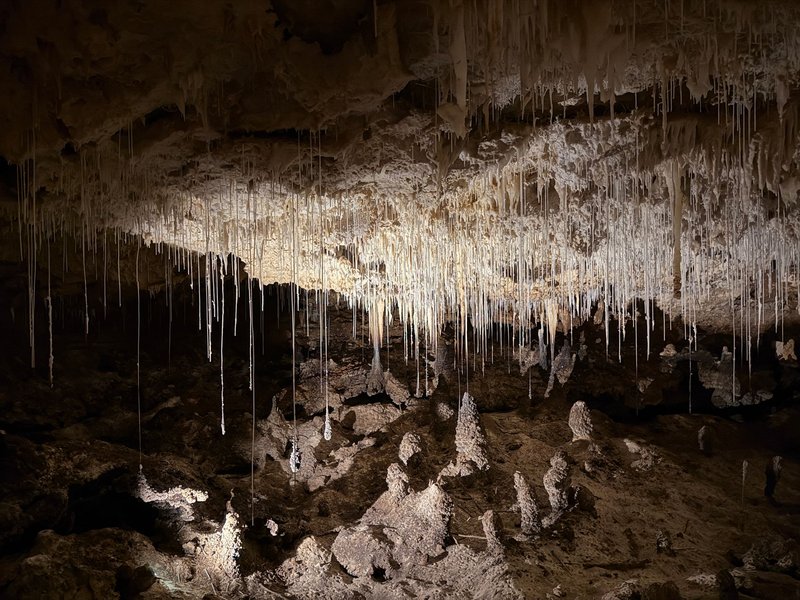
The Vorontsovka system is mapped at roughly 12 km, which makes it the longest cave in Krasnodar Krai, and it has two levels. Tourists see only a small slice: the upper level, a lit route of around 500 m, including the Prometheus Grotto. It’s a short trip from the coast, which makes it a rainy-day alternative to the beach.
Because the real cave is mostly closed to the public, the tour is more of a taste than an expedition. Sochi operators run it year-round, and the underground temperature stays steady, so it’s cooler than the streets outside in summer.
Cave monasteries
9. Pskov-Pechersk Monastery, Pechory
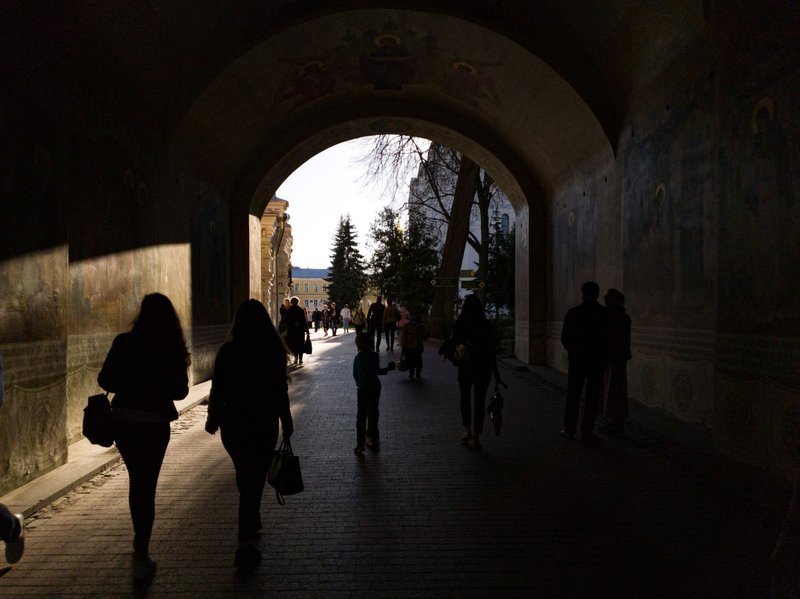
Dug into the sandy hillside at Pechory, near the Estonian border, the Holy Dormition Monastery was founded in 1473 and grew around man-made caves used for prayer and burial. It has the unusual distinction of having kept working through the 20th century. The caves are still an active burial place, and the narrow tunnels with their candlelit niches are closer to a church than a tourist attraction.
Dress modestly, expect to follow a guide, and don’t expect to take photographs inside.
10. Divnogorye, Voronezh Oblast
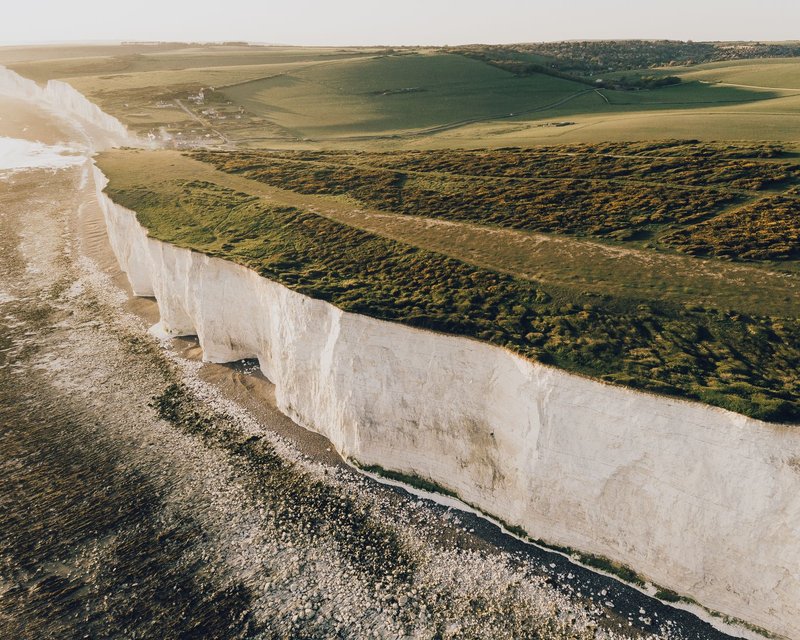
Divnogorye is a stretch of chalk bank along the Don, where white limestone pillars stand above the river and monks carved cells and a church into the rock. The name roughly means “marvelous hills,” and the white pillars explain why. It’s the most scenic cave monastery in Russia and the easiest to combine with a day outdoors.
The site is a museum reserve, with walking paths above and around the chalk. Late spring through early autumn is the practical window.
Quick-reference table
| Cave | Region | Type | Notable fact | Access |
|---|---|---|---|---|
| Kungur Ice Cave | Perm Krai | Show cave | About 5.7 km explored, ice grottoes | Guided tour |
| Orda Cave | Perm Krai | Underwater gypsum | 935 m siphon, longest in ex-USSR | Divers only |
| Shulgan-Tash | Bashkortostan | Show cave, art | Paleolithic ochre drawings | Guided, controlled |
| Botovskaya | Irkutsk Oblast | Record-setter | About 70 km, Russia’s longest | Scientists only |
| Denisova Cave | Altai Krai | Archaeological | Source of the Denisovan genome | Summer, arranged |
| Mezmaiskaya | Adygea | Archaeological | Early Neanderthal DNA | Limited |
| Karaulnaya | Krasnoyarsk Krai | Show cave | Year-round near-freezing air | Guided tour |
| Vorontsovka | Krasnodar Krai | Show cave | About 12 km mapped | Guided, upper level |
| Pskov-Pechersk | Pskov Oblast | Cave monastery | Active since 1473 | Guided |
| Divnogorye | Voronezh Oblast | Cave monastery | Chalk pillars on the Don | Open reserve |
Before you go
Check the current travel situation before booking anything. Many governments advise against travel to Russia, and visa rules, flight routes and payment options change. Opening times and prices for show caves change as well, and several of the caves above operate through small local operators, so confirm directly with them.
Cave temperatures are cold everywhere on this list, usually close to freezing in the ice caves and a few degrees above elsewhere, so wear layers and shoes with grip. For caves that are closed to casual visitors, the Russian Geographical Society’s overview of the country’s caves is a better starting point than any travel blog.