Table of Contents
- The quick version
- Yemen’s resource map, in one paragraph
- Petroleum: the resource the whole budget ran on
- Natural gas: a $4.5 billion plant that’s gone quiet
- Minerals: gold, zinc, copper, and nickel nobody’s pulling out of the ground
- Fish: the resource the war can’t fully shut off
- Fertile soil: agriculture in a country that imports 90% of its food
- Yemen’s resources at a glance
- Why the resource curse hit Yemen twice
The quick version
Yemen has real natural wealth: oil, natural gas, gold, zinc, copper, nickel, and one of the more productive coastlines in the western Indian Ocean. None of it has translated into a functioning economy, because a civil war that started in 2014 has put most of the extraction infrastructure out of commission or under contested control. Oil production has fallen from a peak of 439,000 barrels a day to roughly 19,000 in 2024. Gas exports stopped in 2015 and haven’t restarted. Fishing survives because it doesn’t need a pipeline. The minerals are still in the rock, waiting on a security situation that hasn’t existed for over a decade.
Yemen’s resource map, in one paragraph
Yemen occupies the southwestern corner of the Arabian Peninsula, with a 2,520-kilometer coastline running along the Red Sea and the Gulf of Aden. Before the war, it was one of the poorest countries in the Middle East by income but one of the better-endowed by geology — oil basins in Masila, Marib, and Shabwa; a liquefied natural gas terminal at Balhaf; gold and silver deposits scattered through the Hadramout and Sana’a governorates; and fishing grounds that made it a genuine, if underused, seafood exporter. The economy ran almost entirely on the first of those. Hydrocarbons supplied around 25 to 30% of GDP and roughly 80% of government revenue before the Houthi takeover of Sana’a in September 2014. When that revenue disappeared, it didn’t just shrink a budget line — it collapsed the state’s ability to pay salaries, import food, and hold the currency together.
Petroleum: the resource the whole budget ran on
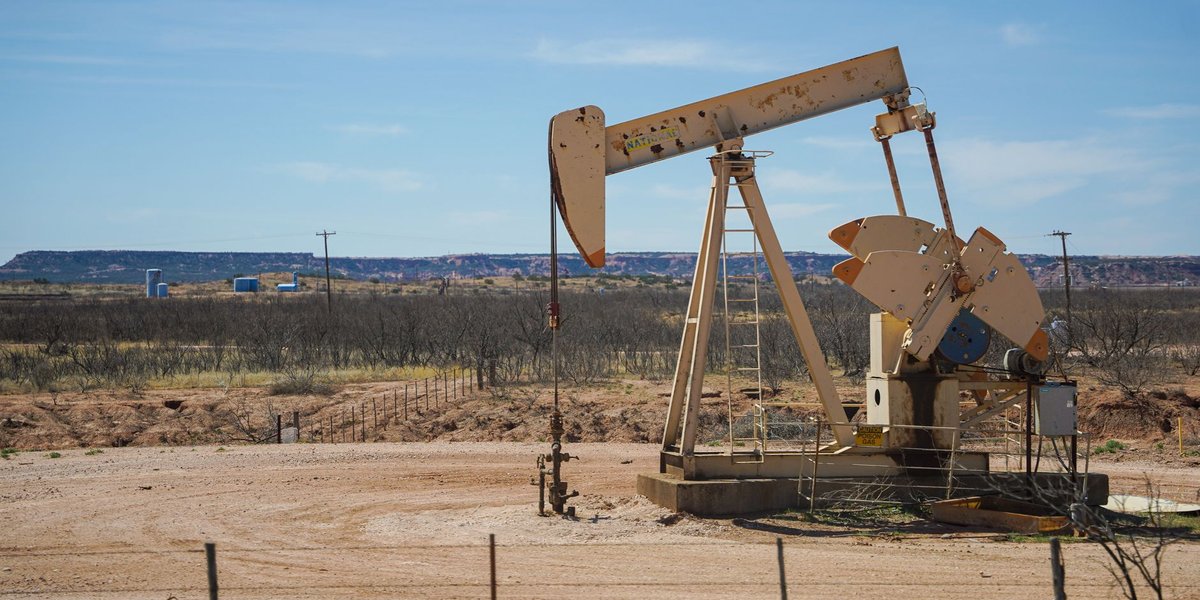
Yemen’s proven oil reserves sit at roughly 3 billion barrels, concentrated in three sedimentary basins: Masila in the east, and Marib and Shabwa further north. That’s a modest figure by Gulf standards — Saudi Arabia’s reserves run into the hundreds of billions — but it was enough to anchor an entire national budget for two decades.
Production peaked at about 439,000 barrels per day around 2001 and had already been sliding for years before the war started, as fields matured and investment thinned out. The U.S. Geological Survey’s 2024 assessment still finds undiscovered conventional resources worth pursuing, but pursuing them requires exactly the kind of stable operating environment Yemen hasn’t had since 2014.
The real collapse came in October 2022, when Houthi forces began attacking tankers loading at government-controlled export terminals, and Yemen’s internationally recognized government suspended oil exports entirely. Output cratered to around 19,000 barrels per day by 2024 — a fraction of a fraction of the historical peak. In mid-2026, Yemen’s Presidential Leadership Council announced plans to resume exports, but as Al Jazeera reported, restarting the flow depends on securing pipelines, ports, and enough confidence from shipping insurers to bring tankers back. None of that happens on a government announcement alone.
Natural gas: a $4.5 billion plant that’s gone quiet
Yemen’s proven natural gas reserves are estimated at around 17 trillion cubic feet, most of it associated with the same Marib fields that fed the oil industry. In 2009, that gas started flowing through a liquefaction plant at Balhaf, on the Gulf of Aden coast, built by a consortium led by Total at a cost north of $4 billion. For a few years, Yemen LNG shipped cargoes to South Korea, the U.S., and elsewhere, and gas briefly looked like the resource that might diversify the economy beyond crude.
Total evacuated the Balhaf facility in 2015 as the war escalated, and the plant has sat idle since. Unlike an oil well, an LNG terminal isn’t something you restart with a phone call — it needs security guarantees for tanker traffic, functioning pipelines from Marib, and investors willing to bet on a ceasefire holding. As of 2025, none of the conditions had been met, and Yemen remains a country that discovered gas, built the infrastructure to export it, and then lost the ability to use any of it.
Minerals: gold, zinc, copper, and nickel nobody’s pulling out of the ground
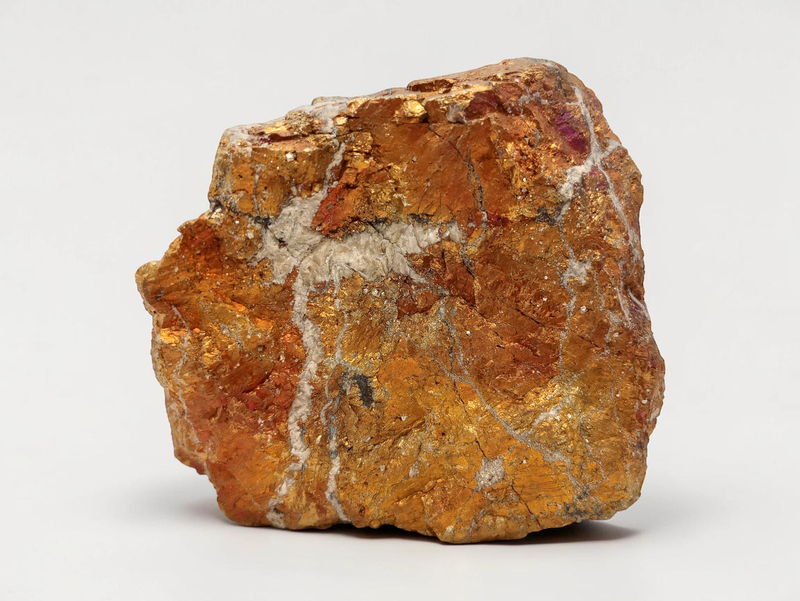
The mineral story gets less attention than oil, but the deposits are genuinely significant. Geological surveys from 2010 mapped around 40 gold and silver sites, with the Medden deposit in Hadramout alone estimated at roughly 678,000 tons of ore averaging 15 grams of gold per ton — a grade that would interest a mid-sized mining company anywhere else in the world.
The Jabali deposit, north of Sana’a, holds an estimated 8.7 million tons of minable zinc ore grading 9.2% zinc, plus meaningful silver and lead byproduct. Further northeast, in Al Masna’a, Suwar, and Wadi Qutabah, exploration by companies including Cantex Mining identified nickel-copper-cobalt deposits with platinum-group metal potential — the kind of polymetallic package that’s become increasingly valuable as demand for battery and electronics metals has grown. A comprehensive list of Yemen’s minerals details all known deposits organized by location and estimated resources.
Almost none of it is being mined at commercial scale. Serious mineral extraction needs the same things oil extraction needs — secure sites, functioning ports, insurable shipping — and adds a few requirements of its own, like years of patient capital before a mine turns a profit. War doesn’t just pause that calculation; it erases it. Foreign mining interest that existed before 2011 has largely evaporated, and the deposits remain exactly where geologists mapped them over a decade ago.
Fish: the resource the war can’t fully shut off
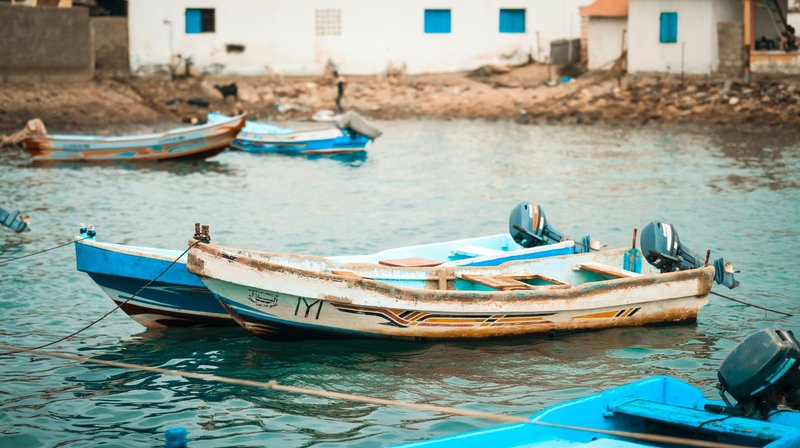
Fishing is the one resource sector that’s kept moving through the war, because it doesn’t depend on pipelines, export terminals, or foreign operators. Yemen’s waters have supported it well: catch peaked above 350,000 tons a year in the 2000s, drawing on Red Sea and Gulf of Aden stocks that 1970s biomass surveys estimated at over 2 million tons in good years.
Current catches sit well below that peak, and the World Bank’s 2025 assessment of Yemen’s fisheries points to the reasons: fuel costs that have made every trip more expensive, damaged cold-chain infrastructure, and fishers cut off from the credit they’d normally use to maintain boats and gear. A UNDP market systems analysis found similar constraints — good fish, weak logistics between the boat and the buyer.
That gap is also the opportunity. Fishing employs coastal communities directly and doesn’t require the security guarantees an LNG terminal does. Of every resource on this list, it’s the one where modest investment — ice plants, better roads to market, accessible credit — could move the needle fastest, without waiting on a nationwide ceasefire first.
Fertile soil: agriculture in a country that imports 90% of its food
Yemen’s highlands, particularly around Sana’a, Ibb, and Taiz, hold some of the more fertile terraced land on the Arabian Peninsula, built up over centuries of hillside farming. Historically that land grew grain, fruit, and coffee — Yemeni mocha coffee was a global commodity centuries before Ethiopia and Colombia entered the trade.
Today, much of that same fertile land grows qat, a mildly stimulant leaf chewed daily across Yemeni society, because it’s more profitable and more drought-tolerant than food crops. Combined with war damage to irrigation systems and a currency that’s lost most of its value, the result is a country that now imports the large majority of its food despite sitting on some of the region’s best farmland. It’s a resource problem shaped less by geology and more by economics — the land didn’t stop being fertile; the incentives just stopped pointing at food.
Yemen’s resources at a glance
| Resource | Estimate | Economic significance |
|---|---|---|
| Petroleum | ~3 billion barrels proven reserves; ~19,000 bpd produced (2024) vs. 439,000 bpd peak | Historically 25-30% of GDP, ~80% of government revenue |
| Natural gas | ~17 trillion cubic feet | LNG exports halted since 2015; Balhaf terminal idle |
| Gold & silver | 40+ mapped deposits; Medden alone ~678,000 tons of ore | Largely unexploited; foreign investment stalled since 2011 |
| Zinc, lead, silver | Jabali deposit: ~8.7 million tons minable ore at 9.2% zinc | Undeveloped |
| Nickel, copper, cobalt | Multiple sites in Al Masna’a, Suwar, Wadi Qutabah | Exploration-stage only |
| Fish | Catch peaked above 350,000 tons/year in the 2000s | Active but underinvested; key livelihood for coastal communities |
| Fertile soil | Terraced highland agriculture around Sana’a, Ibb, Taiz | Displaced by qat cultivation; country now imports most food |
Why the resource curse hit Yemen twice
Economists use the term “resource curse” for countries where natural wealth ends up weakening governance instead of building it — the state gets so much easy revenue from one export that it never builds the tax base, institutions, or accountability that broader development requires. Yemen fits that pattern from before the war: a government that drew 80% of its revenue from oil had little reason to build a functioning tax system, and when the oil money dried up, there was no other pillar underneath it.
Then the war added a second layer on top of the first. It’s not just that the resources are a governance liability — the physical infrastructure to extract them (pipelines, terminals, ports, insurable shipping lanes) requires a level of security that a fragmented, multi-front conflict doesn’t allow. Saudi Arabia and other Gulf states have geology-driven wealth and functioning export infrastructure. Yemen has comparable geology and almost none of the infrastructure left standing.
That’s the piece the raw resource lists tend to skip. Yemen isn’t short on what’s underground. It’s short on the roads, ports, insurers, and functioning state that turn what’s underground into a government budget. Until the security situation stabilizes enough for tankers to load without an insurance premium spike, the oil, gas, gold, and zinc mapped decades ago will stay exactly where the surveys found them.