Table of Contents
- What Counts as Renewable Energy
- Solar Power
- Wind Power
- Hydropower
- Geothermal Energy
- Biomass Energy
- Ocean and Tidal Energy
- Comparing the Sources
- Emerging Renewables Worth Watching
- FAQ
What Counts as Renewable Energy
Renewable energy comes from sources that replenish faster than we use them — sunlight, wind, moving water, heat inside the earth, and organic matter. Nonrenewable sources, by contrast, took millions of years to form and don’t come back once burned: coal, oil, and natural gas.
That’s the whole distinction. It’s not about being “clean” in every sense — burning biomass still releases carbon, for instance — it’s about whether the tap runs dry. Six sources dominate the conversation right now, and each one solves a different problem.
Solar Power
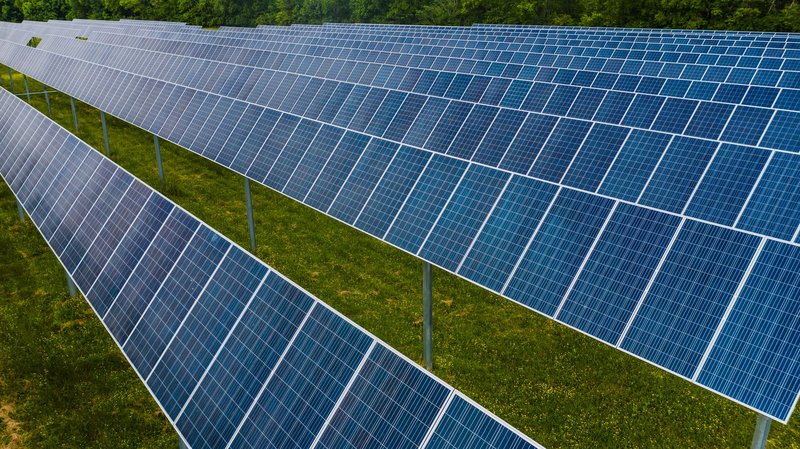
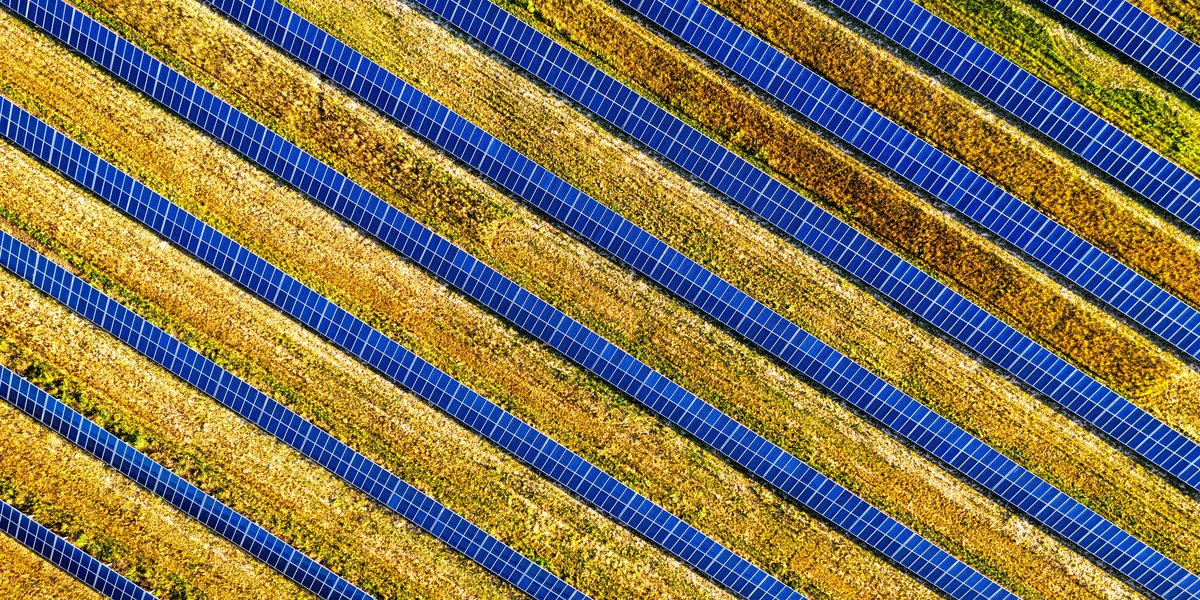
Photovoltaic cells convert sunlight directly into electricity by knocking electrons loose from silicon layers. No moving parts, no combustion, just photons doing the work.
Morocco’s Noor Ouarzazate complex is one of the more striking real-world examples — it pairs photovoltaic panels with concentrated solar mirrors covering an area roughly the size of a small city, and it powers over a million homes. On the residential end, a typical rooftop system in the U.S. pays for itself in six to ten years depending on local electricity rates and incentives.
Upside: costs have dropped more than 80% since 2010, and panels work almost anywhere with decent sun exposure. Downside: output drops to near zero at night and dips heavily under cloud cover, so it needs batteries or grid backup to be reliable around the clock.
Wind Power
Turbines catch moving air with blades connected to a generator — the same basic principle as a windmill, just scaled up and wired into a grid. Modern offshore turbines have blades longer than a football field.
The Hornsea wind farms off the UK coast are currently among the largest offshore installations on the planet, generating enough electricity for well over a million homes from turbines anchored miles out in the North Sea. Onshore, Texas alone generates more wind power than most entire countries, thanks to flat terrain and steady Gulf winds.
Upside: among the cheapest sources of new electricity generation in many regions, according to the U.S. Energy Information Administration. Downside: output is intermittent, and turbines require consistent average wind speeds that not every location has.
Hydropower
Hydropower uses the force of falling or flowing water to spin turbines. It’s the oldest large-scale renewable technology in commercial use and still the biggest single source of renewable electricity worldwide.
China’s Three Gorges Dam is the extreme example — the largest power station on Earth by installed capacity, generating more electricity in a good year than some entire national grids. On the smaller end, “run-of-river” systems like those in Oregon generate power from a stream’s natural flow without a large reservoir, which cuts down on the ecological disruption large dams cause.
Upside: highly reliable and dispatchable — operators can ramp output up or down on demand, unlike solar or wind. Downside: big dams reshape river ecosystems and displace communities, and most of the best dam sites in developed countries are already built out.
Geothermal Energy
Geothermal taps heat stored underground, either for direct heating or to generate electricity by driving steam turbines. Iceland is the standout example: geothermal plants supply about a quarter of the country’s electricity and nearly all of its home heating, drawing on the volcanic activity sitting right under the island.
Geothermal isn’t limited to volcanic regions anymore, either. Enhanced geothermal systems now let engineers drill deep enough to access usable heat almost anywhere, which is opening up locations that were never geologically lucky enough to have it naturally.
Upside: runs 24/7 regardless of weather or season — the most consistent renewable source available. Downside: the best sites are geographically limited, and drilling costs are high upfront.
Biomass Energy
Biomass burns organic material — wood pellets, crop waste, even municipal garbage — to generate heat or electricity, or converts it into biofuels like ethanol. Brazil runs a huge share of its vehicle fleet on ethanol made from sugarcane, a program that’s been running since the 1970s oil crisis.
Biomass sits in a gray zone renewables purists argue about constantly. It’s “renewable” because crops regrow, but burning it releases carbon dioxide just like fossil fuels do. The EIA classifies it as renewable, but net climate benefit depends heavily on how the biomass is sourced and regrown.
Upside: can use waste products that would otherwise rot or get landfilled, and it provides steady, on-demand power. Downside: land use for energy crops competes with food production, and the emissions accounting is genuinely contested.
Ocean and Tidal Energy
Tidal and wave energy generate electricity from the predictable rise and fall of tides or the motion of ocean waves. It’s the smallest player of the group by far, but the one competitors rarely cover in depth — which makes it worth understanding.
The Sihwa Lake Tidal Power Station in South Korea is currently the world’s largest tidal facility, using a barrage system similar to a dam but driven by tidal flow instead of a river. Because tides are governed by the moon’s orbit, tidal output is one of the few renewable sources that’s fully predictable years in advance — no forecasting needed, unlike wind or solar.
Upside: perfectly predictable generation schedule. Downside: suitable coastal sites are rare, and the equipment has to survive brutal saltwater conditions, which keeps costs high.
Comparing the Sources
| Source | Typical Cost (relative) | Best-Use Region | Scalability |
|---|---|---|---|
| Solar | Low, falling fast | Sunny, high-irradiance regions | Household to utility-scale |
| Wind | Low | Coastal, plains, high-wind corridors | Utility-scale, growing offshore |
| Hydropower | Moderate to high upfront | Rivers, mountainous terrain | Utility-scale (large dams to small run-of-river) |
| Geothermal | High upfront, low ongoing | Volcanic/tectonically active zones | Utility-scale; district heating locally |
| Biomass | Moderate | Agricultural regions with waste supply | Utility-scale to small local plants |
| Tidal/Ocean | High | Specific coastlines with strong tidal range | Niche, localized |
For a homeowner, solar is the only source on this list that’s realistically installable at the property level today — everything else needs utility-scale infrastructure. Wind can work for rural properties with land and consistent wind, but it’s the exception, not the rule.
Emerging Renewables Worth Watching
Green hydrogen — hydrogen produced by splitting water using renewable electricity rather than natural gas — is the technology getting the most attention right now, since it can store renewable energy and later release it in industries like steel and shipping that are hard to electrify directly. It’s still expensive relative to fossil-fuel-derived hydrogen, but costs are falling as electrolyzer manufacturing scales up.
Floating solar, sometimes called “floatovoltaics,” puts panels directly on reservoirs and lakes, which cuts land use and even reduces water evaporation. And hybrid installations — pairing wind turbines with solar and battery storage on the same site — are becoming common because they smooth out each technology’s weak spots using the same grid connection.
FAQ
What’s the most widely used renewable energy source? Hydropower still generates the most renewable electricity worldwide, though solar and wind are growing much faster year over year and are on track to overtake it.
Which renewable energy source is cheapest? Utility-scale solar and onshore wind are currently the cheapest sources of new electricity generation in most markets, according to EIA cost data.
Is nuclear energy renewable? No. Nuclear power doesn’t burn fossil fuels and produces very low emissions, but uranium is a finite mined resource, so it’s classified as low-carbon rather than renewable.
Can a home run entirely on renewable energy? Yes, with rooftop solar paired with battery storage, though most homes stay connected to the grid as backup for cloudy stretches or high-demand periods rather than going fully off-grid.
What’s the difference between renewable and clean energy? Renewable describes the source (it replenishes naturally); clean describes the emissions profile. Biomass is renewable but not always clean, while nuclear is clean but not renewable.