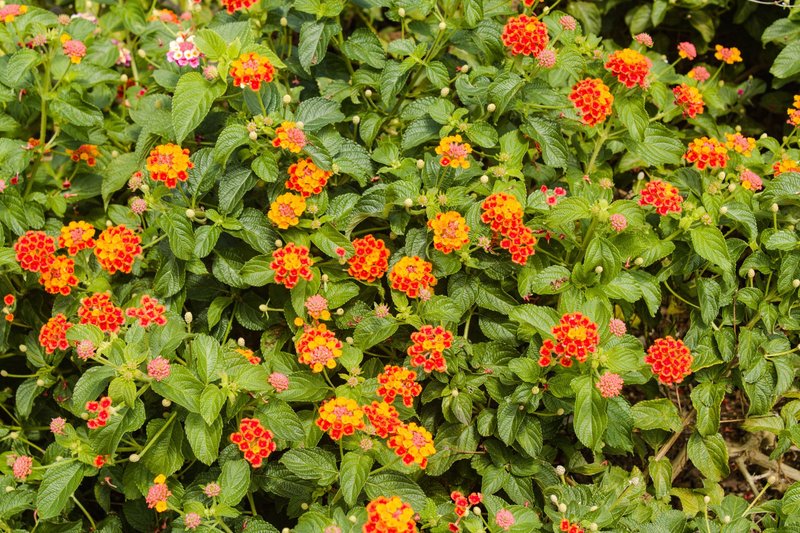
Angiosperms are flowering plants — the dominant plant group on Earth, accounting for around 90% of all plant species. The defining feature: seeds enclosed inside a fruit. That one trait separates every rose, oak, wheat stalk, and avocado from conifers, ferns, and mosses.
There are roughly 300,000 known angiosperm species. Below is an organized list of examples, grouped by how they’re classified, with a quick note on what makes each one worth knowing.
Table of Contents
- TLDR: Quick Examples by Group
- Monocot Examples
- Dicot Examples
- Basal Angiosperm Examples
- Monocots vs. Dicots: Comparison Table
- Where Angiosperms Show Up in Daily Life
TLDR: Quick Examples by Group {#tldr}
| Group | Examples |
|---|---|
| Monocots | Wheat, corn, rice, tulip, orchid, grass, banana, lily |
| Dicots | Rose, oak, sunflower, apple, tomato, coffee, bean |
| Basal Angiosperms | Water lily, black pepper, magnolia, star anise |
Monocot Examples {#monocots}
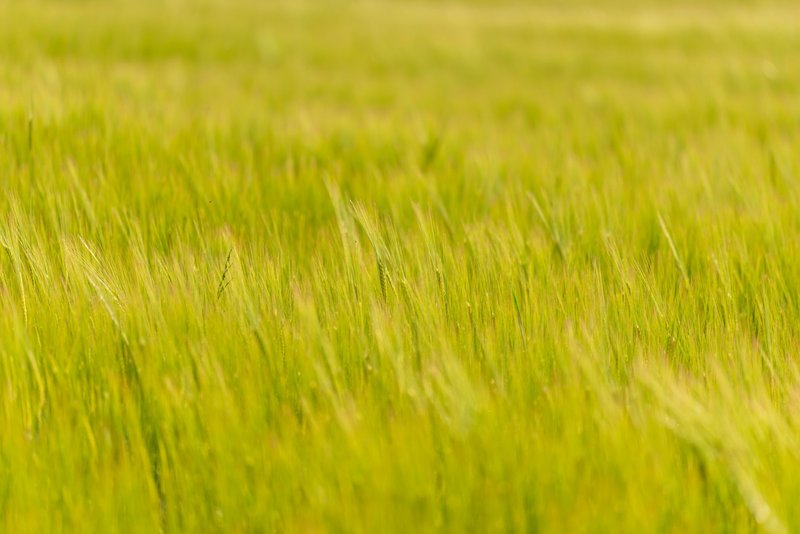
Monocots have one seed leaf (cotyledon), parallel leaf veins, and flower parts in multiples of three. About 60,000 species fall into this group — and they include most of the world’s food crops.
Wheat (Triticum aestivum) — The grain that built civilizations. Wheat’s hollow jointed stem (the culm) is a textbook monocot feature. Global production exceeds 700 million metric tons per year.
Rice (Oryza sativa) — Feeds more than half the world’s population. Unlike most cereals, rice is grown in flooded paddies — an unusual adaptation that outcompetes weeds by drowning them.
Corn / Maize (Zea mays) — A domesticated grass. Wild teosinte, maize’s ancestor, barely resembles modern corn — the cob is a product of roughly 9,000 years of selective breeding.
Banana (Musa spp.) — The “tree” is not a tree — it’s a giant herbaceous plant, the stem made entirely of tightly packed leaf bases. The edible banana is a seedless triploid cultivar.
Sugarcane (Saccharum officinarum) — Another grass. Around 80% of the world’s sugar comes from sugarcane rather than sugar beet.
Tulip (Tulipa spp.) — Flower parts in sixes (two sets of three), parallel veins in the leaves, bulb as the storage organ. A clean monocot anatomy lesson.
Orchid (Orchidaceae family) — The largest family of flowering plants, with 25,000–30,000 species. Orchid seeds are so tiny and lack stored nutrients that most require a fungal partner to germinate.
Lily (Lilium spp.) — Classic monocot flower: six tepals (petals and sepals look alike), six stamens, parallel leaf venation.
Grass (Poaceae family) — Grasses aren’t just lawn plants; the family includes bamboo, which can grow 90 cm in a single day, and teff, the grain used in Ethiopian injera.
Coconut Palm (Cocos nucifera) — Palms are monocots. The coconut is technically a drupe (a type of fruit), not a nut, and the “water” inside is liquid endosperm.
Dicot Examples {#dicots}
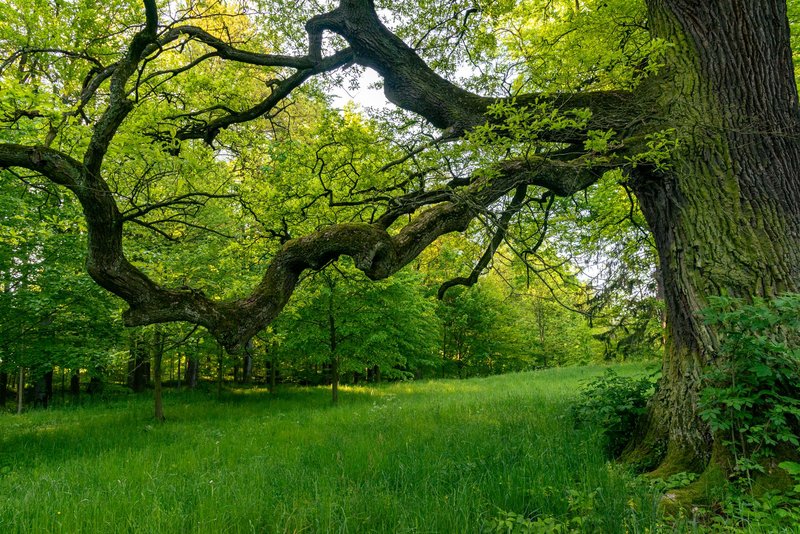
Dicots (now more precisely called eudicots) have two seed leaves, net-like leaf venation, and flower parts in fours or fives. They include most trees, shrubs, vegetables, and broadleaf plants.
Oak (Quercus spp.) — A single large oak can support over 500 species of insects. The acorn is a nut enclosed in a cupule — not technically a complete fruit, which makes it botanically unusual among dicots.
Rose (Rosa spp.) — Five petals, numerous stamens, net venation. The rose hip (the swollen base of the flower) is the actual fruit — rich in vitamin C, often used in teas.
Sunflower (Helianthus annuus) — What looks like a single flower is actually a composite of hundreds of tiny florets. The outer “petals” are ray florets; the center is packed with disc florets, each producing one seed.
Tomato (Solanum lycopersicum) — Botanically a berry (fleshy fruit from a single flower with one ovary). Legally declared a vegetable by the U.S. Supreme Court in 1893 for tariff purposes — the botany and the law disagreed.
Apple (Malus domestica) — An apple is a pome — the fleshy part you eat developed from the flower’s receptacle, not the ovary wall. The actual fruit is the thin core around the seeds.
Coffee (Coffea arabica) — A tropical dicot shrub. The “coffee bean” is the seed inside the coffee cherry, a red drupe. Two seeds per fruit, facing each other — that’s the standard configuration.
Bean / Common Bean (Phaseolus vulgaris) — Legumes are dicots, and this one carries its own nitrogen-fixing bacteria in root nodules, enriching the soil as it grows.
Soybean (Glycine max) — Another legume, now a global protein and oil crop. The entire plant is used: beans for food, stems for biomass, leaves for fodder.
Cacao (Theobroma cacao) — Pods grow directly from the trunk and main branches (cauliflory — a trait also seen in jackfruit). The pods contain 20–50 seeds, each fermented and dried before becoming cocoa.
Poppy (Papaver somniferum) — Source of morphine and codeine. The latex from unripe seed pods contains the alkaloids; the seeds themselves are largely free of them and used in baking.
Venus Flytrap (Dionaea muscipula) — A dicot that supplements soil nutrition by trapping insects. The trap closes in 100 milliseconds — one of the fastest movements in the plant kingdom.
Dodder (Cuscuta spp.) — A parasitic dicot with almost no chlorophyll. It winds around host plants and penetrates their stems to extract water and nutrients directly. No roots in soil, no independent photosynthesis.
Mangrove (Rhizophora spp.) — Tropical dicot trees that grow in saltwater. They filter salt through their roots and excrete what passes through via leaves — some species can tolerate salt concentrations fatal to most plants.
Basal Angiosperm Examples {#basal-angiosperms}
Basal angiosperms are the lineages that branched off earliest in flowering plant evolution — before the split between monocots and dicots. They don’t fit neatly into either group. To put this diversity in perspective, the plant kingdom also includes examples of non-flowering plants — ferns, mosses, and conifers — that represent entirely separate evolutionary lineages.
Water Lily (Nymphaea spp.) — Among the oldest angiosperm lineages. The flower structure is notably different from modern eudicots: numerous spirally arranged parts rather than fixed whorls.
Magnolia (Magnolia spp.) — Often cited as one of the most ancient flowering plant genera still alive. Magnolia fossils appear in the fossil record dating back 95 million years. The flowers have a central axis with parts attached spirally — a clue to early angiosperm structure before the fixed petal/sepal arrangement evolved.
Black Pepper (Piper nigrum) — The world’s most traded spice by volume comes from a basal angiosperm. Green, white, and black peppercorns are all from the same plant — the color reflects how the fruit was harvested and processed.
Star Anise (Illicium verum) — The source of shikimic acid, a precursor used in manufacturing oseltamivir (Tamiflu). The entire global supply of a critical antiviral historically depended on harvesting this spice.
Nutmeg (Myristica fragrans) — Both nutmeg and mace come from the same plant: nutmeg is the seed, mace is the lacy red aril (seed covering) around it. The tree is also a basal angiosperm.
Monocots vs. Dicots: Comparison Table {#comparison-table}
| Feature | Monocots | Dicots (Eudicots) |
|---|---|---|
| Seed leaves (cotyledons) | 1 | 2 |
| Leaf venation | Parallel | Net-like (reticulate) |
| Flower parts | Multiples of 3 | Multiples of 4 or 5 |
| Root system | Fibrous | Taproot (usually) |
| Vascular bundles in stem | Scattered | Arranged in a ring |
| Examples | Wheat, corn, lilies, palms | Roses, oaks, tomatoes, beans |
The distinction matters practically: most grain crops are monocots, most fruit trees and vegetables are dicots. Plant biologists use these features as quick classification shortcuts, though molecular phylogenetics has refined the picture considerably.
Where Angiosperms Show Up in Daily Life {#daily-life}
The food on your plate is almost entirely angiosperms: every grain, legume, fruit, and vegetable — plus the coffee in the mug and the cotton in your shirt. According to data from the Food and Agriculture Organization of the United Nations, the top 10 food crops by production volume globally are all angiosperms.
Beyond food, angiosperms provide timber (hardwoods like oak, maple, cherry), pharmaceuticals (morphine from poppies, quinine from cinchona bark, taxol from Pacific yew), and industrial inputs (rubber from Hevea brasiliensis, linseed oil from flax).
The Kew Gardens global plant census estimates roughly 369,000 known flowering plant species — about 2,000 new species are formally described each year. That number will keep climbing.
Basal angiosperms aside, the monocot/dicot split is the main organizing framework for the group. Learn to identify those traits — cotyledon count, venation pattern, flower part count — and you can place almost any flowering plant you encounter into the right column.