Oman’s varied terrain — from Hajar Mountains to offshore basins — supports a mix of minerals and hydrocarbons that have shaped its economy for decades. Local geology, targeted exploration and infrastructure have turned deposits and fields into export commodities and inputs for domestic industry.
There are 11 Natural Resources of Oman, ranging from Chromite to Natural gas. For each item you’ll find below the Category,Main locations,Reserves/Production (latest; unit) so you can quickly see where resources are concentrated and their current scale — you’ll find below.
Which resources drive Oman’s export earnings today?
Oil and natural gas remain the main export earners, with hydrocarbons accounting for the bulk of government revenue and foreign exchange; mineral exports like copper, chromite and gypsum add diversity but on a smaller scale. Recent policy pushes aim to raise downstream processing and mining investment to broaden the export base.
How up-to-date are the reserves and production figures listed?
Figures typically come from national agencies, industry reports and international databases and represent the latest published estimates, but they can change with new exploration, technological shifts or revised reporting — treat them as current snapshots rather than permanent totals.
Natural Resources of Oman
| Resource | Category | Main locations | Reserves/Production (latest; unit) |
|---|---|---|---|
| Crude oil | Energy | Al Wusta, Dhofar, North Al Batinah, Ad Dhahirah | 5.50 billion bbl (2022) |
| Natural gas | Energy | North Al Batinah, Al Wusta, Dhofar, central Oman | 23.00 Tcf (2022) |
| Condensate | Energy | Associated with major gas fields across central and northern Oman | 17.00 million bbl (2022) |
| LNG (liquefied natural gas) | Energy | Qalhat (near Sur), Salalah terminals and facilities | 10.30 million tonnes per year (2022) |
| Fisheries (marine capture) | Marine | Musandam, Al Batinah, Muscat, Al Wusta, Dhofar coasts | 240,000 tonnes (2019) |
| Groundwater (aquifers) | Water | Dhofar, Al Dakhiliyah, Al Batinah coastal plains, interior oases | Renewable resources ~0.50 km3/year (2020 est.) |
| Chromite | Mineral | Semail ophiolite belt: Rustaq, Samail areas | 54.00 million tonnes (2020 est.) |
| Copper | Mineral | Wadi Tayin, Saih Rawl, central ophiolite-hosted deposits | 1.50 million tonnes Cu (reserves, 2020 est.) |
| Limestone | Mineral | Widespread: North Al Batinah, Muscat, Dhofar quarries | 2,500,000 tonnes produced (2020) |
| Gypsum | Mineral | Dhofar, Al Wusta and coastal districts | 600,000 tonnes produced (2020) |
| Marble and decorative stone | Mineral | Dhofar, Al Batinah, interior mountain quarries | 120,000 tonnes produced (2020) |
Images and Descriptions
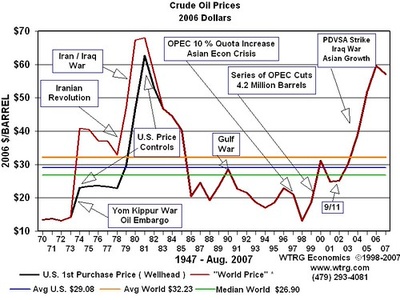
Crude oil
Oman’s dominant natural resource, crude oil underpins the economy. Major fields in central and southern governorates supply domestic needs and exports, funding infrastructure and diversification efforts while remaining central to national revenue and employment.
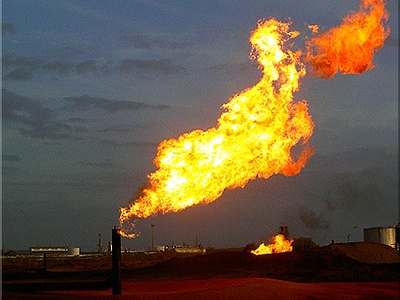
Natural gas
Large onshore and offshore gas fields provide fuel for power, industry and LNG export. Gas supports petrochemicals, electricity generation and export revenues, and is key to Oman’s energy security and industrial development.
Condensate
Light hydrocarbon liquids produced with gas are an important source of liquid fuels and refinery feedstock. Condensate contributes to export earnings and domestic refining supply, often recovered from large gas development projects.

LNG (liquefied natural gas)
Oman LNG plants convert domestic gas to LNG for export. LNG is a major value-added export, integrating Oman into global gas markets and diversifying revenue beyond crude oil sales.
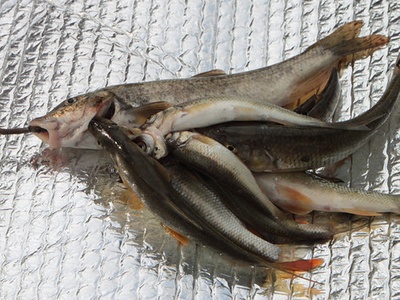
Fisheries (marine capture)
Oman’s long coastline supports diverse fish stocks, tuna, shrimp and artisanal fisheries. Marine capture is vital for coastal livelihoods, food security and export markets, and drives investments in ports and cold-chain infrastructure.
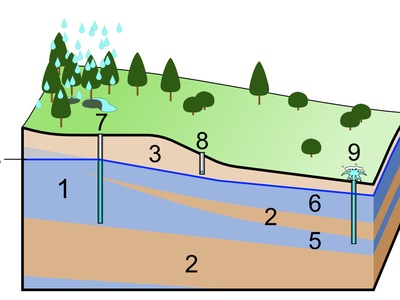
Groundwater (aquifers)
Limited but critical freshwater in Oman comes from shallow and deep aquifers and oases. Groundwater supports agriculture, towns and traditional falaj irrigation systems; overuse prompts conservation and managed recharge efforts.
Chromite
Chromite deposits in ophiolite complexes supply ore for ferrochrome and stainless-steel industry. Chromite mining has local economic importance and historical extraction, contributing to mineral diversification beyond hydrocarbons.
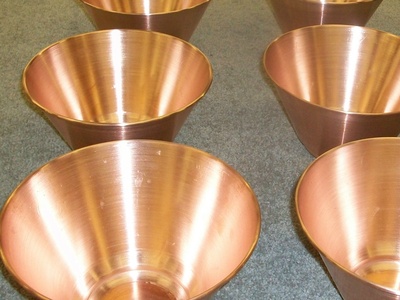
Copper
Copper occurs in Oman’s ophiolite and volcanic-hosted deposits. Copper ore supports mining development, potential smelting and industrial use, and is a focus for exploration and foreign investment.
Limestone
Extensive limestone is quarried for cement, construction aggregate and industrial lime. Limestone underpins the domestic construction sector and cement industry, supporting infrastructure and local manufacturing.
Gypsum
Gypsum deposits supply the construction sector and cement blending materials. Mined gypsum is used in plaster, drywall and cement, supporting local building activity and light manufacturing.

Marble and decorative stone
Omani marble and ornamental stone are quarried for domestic use and export. The decorative stone sector supports crafts, construction finishes and small-scale processing industries tied to tourism and architecture.