Kansas surprises many with a variety of science-focused attractions, from aerospace centers to underground geology sites. Whether you’re planning a family weekend, a school outing, or a curiosity-driven road trip, these museums connect local industry, natural history, and interactive exhibits across the state.
There are 12 Science Museums in Kansas, ranging from Cosmosphere to Strataca (Kansas Underground Salt Museum). For each entry you’ll find the City, Website, and Highlights so you can compare exhibits, hours, and focus — you’ll find below.
Which museums are most family-friendly?
Look for hands-on galleries, planetarium shows, and age-specific programs listed in the Highlights column; Cosmosphere offers extensive space exhibits and Strataca provides a unique underground tour, while many regional centers have touch tables and STEM workshops. Plan 2–4 hours per site and check show times for planetariums or demonstrations.
How should I plan travel between these museums?
Distances can be significant—check each entry’s City and Website for hours, tickets, and seasonal schedules. Group nearby museums into single-day routes (for example, sites clustered around Wichita or Hutchinson), allow extra driving time, and confirm special-event closures before you go.
Science Museums in Kansas
| Name | City | Website | Highlights |
|---|---|---|---|
| Exploration Place | Wichita | https://www.exploration.org | Interactive science exhibits, flight simulators |
| Cosmosphere | Hutchinson | https://www.cosmosphere.org | Space artifacts, Apollo hardware, planetarium |
| Flint Hills Discovery Center | Manhattan | https://www.flinthillsdiscovery.org | Tallgrass prairie ecology, interactive regional science |
| Sternberg Museum | Hays | https://sternberg.fhsu.edu | Fossils, paleontology collections, mounted skeletons |
| KU Natural History Museum | Lawrence | https://biodiversity.ku.edu | Biodiversity exhibits, research collections, mounted specimens |
| Strataca (Kansas Underground Salt Museum) | Hutchinson | https://www.strataca.com | Underground salt mine tours, geology exhibits |
| Mid-America Air Museum | Liberal | https://www.maam.org | Hundreds of historic aircraft, restoration hangars |
| Kansas Aviation Museum | Wichita | https://kansasaviationmuseum.org | Historic terminal, vintage aircraft, restoration projects |
| Museum at Prairiefire | Overland Park | https://museumatprairiefire.org | Natural history, dinosaur exhibits, rotating shows |
| Great Plains Nature Center | Wichita | https://gpnaturecenter.org | Wetland ecology exhibits, live animals, trails |
| Powell Observatory | Louisburg | https://powellobservatory.org | Public stargazing nights, telescopes, astronomy talks |
| Konza Prairie Biological Station | Manhattan | https://konza.ksu.edu | Tallgrass prairie research, guided hikes, ecology education |
Images and Descriptions
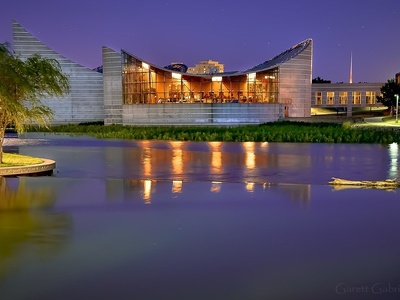
Exploration Place
Hands-on science museum on Wichita’s riverfront with interactive physics, engineering and aviation exhibits, flight simulators, traveling shows, and family programs. Great for families, school field trips, and visitors interested in applied STEM and aviation history.
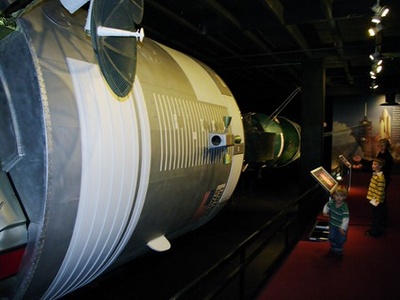
Cosmosphere
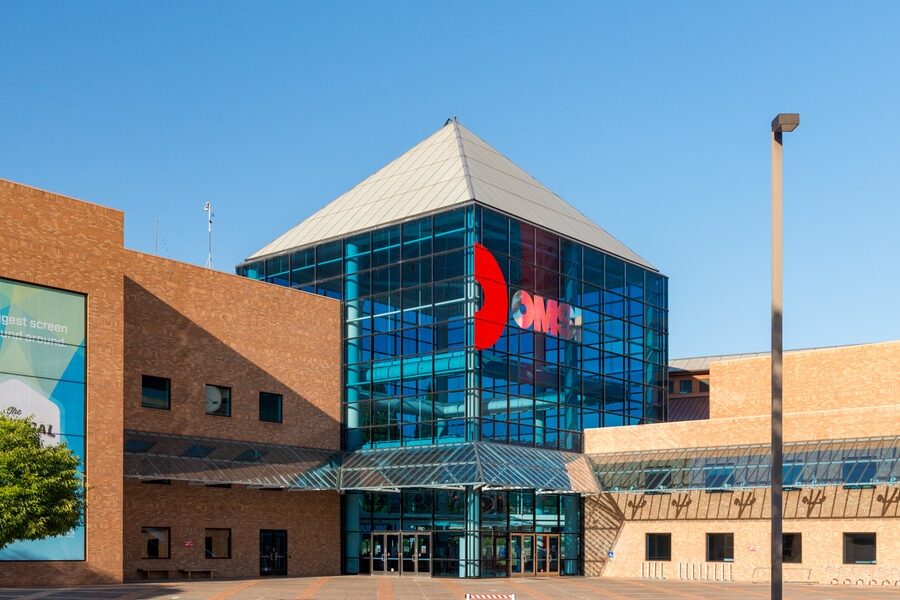
World-class space museum featuring Apollo artifacts, space suits, flight simulators, IMAX/planetarium shows, and STEM programs. Excellent for space fans, history buffs, and families who want immersive exhibits about spaceflight and U.S./Russian space history.
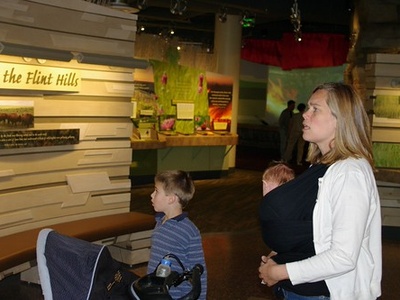
Flint Hills Discovery Center
Explores Flint Hills ecology and regional science through interactive exhibits, prairie views, hands-on activities, and educational programs. Ideal for nature lovers, school groups, and visitors curious about prairie conservation and local geology.
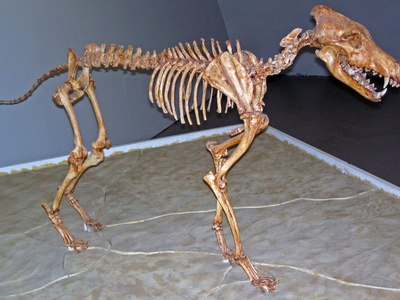
Sternberg Museum
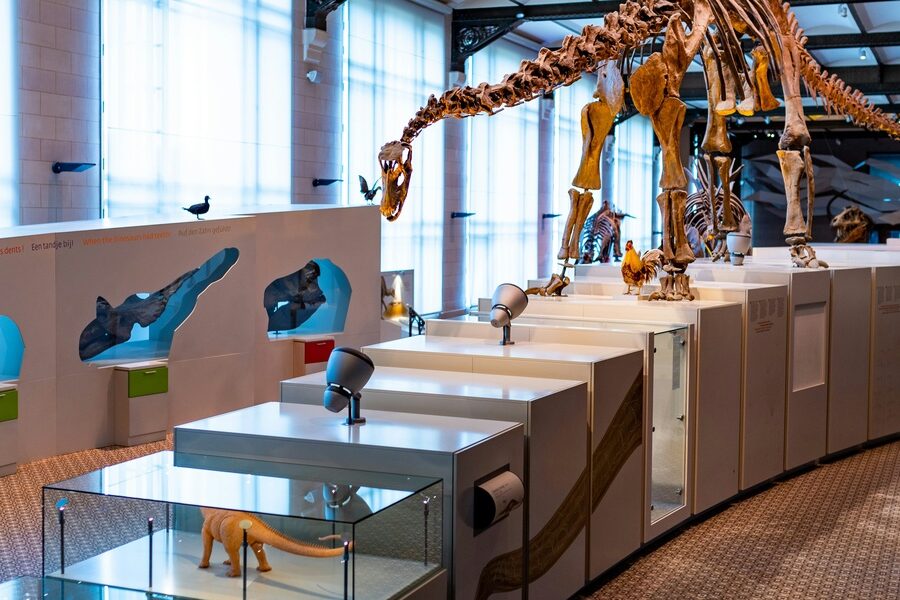
Fort Hays State University’s natural history museum with significant fossil collections, mounted dinosaurs and marine reptiles, and hands-on paleontology programs. Great for fossil fans, students, and families interested in Earth’s ancient plains and fieldwork opportunities.
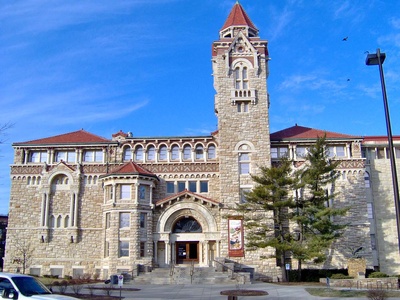
KU Natural History Museum
University of Kansas natural history museum showcasing biodiversity, taxidermy mounts, research collections, and rotating exhibits. A strong fit for students, researchers, and curious visitors who want deep natural history and science education in an academic setting.

Strataca (Kansas Underground Salt Museum)
Kansas’s underground salt mine museum offering guided tours deep underground, geology displays, mining technology exhibits, and unique STEM programming. Best for older children, teens, and adults curious about geology and industrial science.
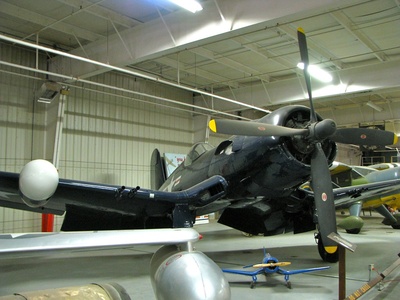
Mid-America Air Museum
Aviation museum housing hundreds of historic aircraft, restoration hangars, and technology exhibits at Liberal’s airport. Perfect for aviation enthusiasts, history fans, and families intrigued by aircraft design and flight heritage.
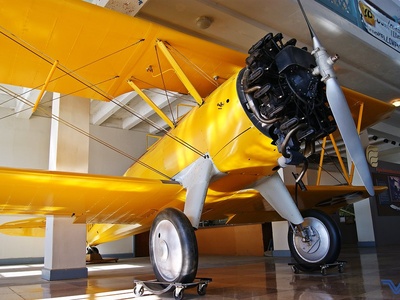
Kansas Aviation Museum
Housed in a 1930s terminal, the museum highlights Kansas aviation history with vintage aircraft, restoration projects, and hands-on educational programs. Great for aviation buffs, families, and visitors exploring Wichita’s aviation legacy.
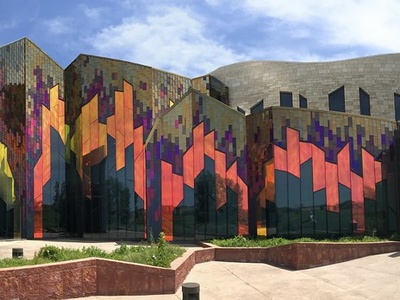
Museum at Prairiefire
Small natural history museum with dinosaur exhibits, rotating collaborations from larger museums, interactive learning spaces, and a focus on biodiversity. Suited to families, school groups, and those wanting accessible, museum-quality science displays in metro Kansas City.
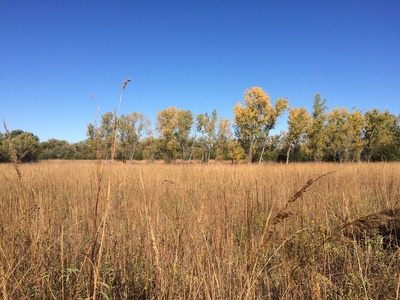
Great Plains Nature Center
Center focused on prairie and wetland ecology with interpretive exhibits, live animals, boardwalk trails, and frequent educational programs. Ideal for families and outdoor learners interested in local ecosystems and birdwatching.
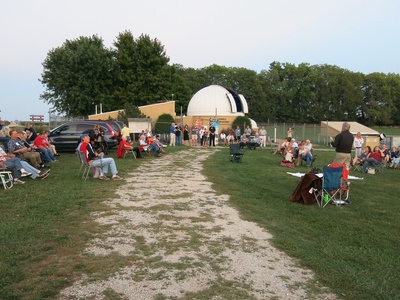
Powell Observatory
Regional public observatory offering regular stargazing nights, telescope viewings, and astronomy talks. Volunteer-led programs welcome families, amateur astronomers, and school groups seeking hands-on sky viewing and basic astronomy education.
Konza Prairie Biological Station
Kansas State University’s tallgrass prairie research station with guided hikes, seasonal public programming, and interpretive exhibits about prairie ecology and conservation. Best for older students, researchers, and visitors wanting immersive field science experiences.