One country now digs up roughly two out of every three tons of nickel mined on Earth. That’s not a slow drift — a decade ago, Indonesia barely cracked the top three. Today it’s not really a ranking anymore so much as Indonesia and then everyone else, and that shift is rewriting supply chains for stainless steel plants and EV battery factories alike.
Table of Contents
- The Quick Answer
- 1. Indonesia
- 2. Philippines
- 3. Russia
- 4. Australia
- 5. Canada
- 6. New Caledonia
- 7. China
- 8. Brazil
- 9. Guatemala
- 10. United States
- Nickel Reserves vs. Nickel Production
- Class 1 vs. Class 2 Nickel
- FAQ
The Quick Answer
Based on preliminary 2025 figures from the USGS Mineral Commodity Summaries 2026, here’s how mined nickel output stacked up by country:
| Rank | Country | Est. 2025 Production (metric tons, nickel content) | Global Share |
|---|---|---|---|
| 1 | Indonesia | ~2,600,000 | ~67% |
| 2 | Philippines | ~270,000 | ~7% |
| 3 | Russia | ~200,000 | ~5% |
| 4 | Australia | ~170,000 | ~4% |
| 5 | Canada | ~150,000 | ~4% |
| 6 | New Caledonia | ~130,000 | ~3% |
| 7 | China | ~120,000 | ~3% |
| 8 | Brazil | ~100,000 | ~3% |
| 9 | Guatemala | Tens of thousands | <2% |
| 10 | United States | ~18,000 | <1% |
These are rounded estimates for mined nickel content, not refined metal, and USGS revises them as final figures come in. Indonesia’s dominance is the headline: it now produces more nickel by itself than the rest of the top ten combined.
1. Indonesia
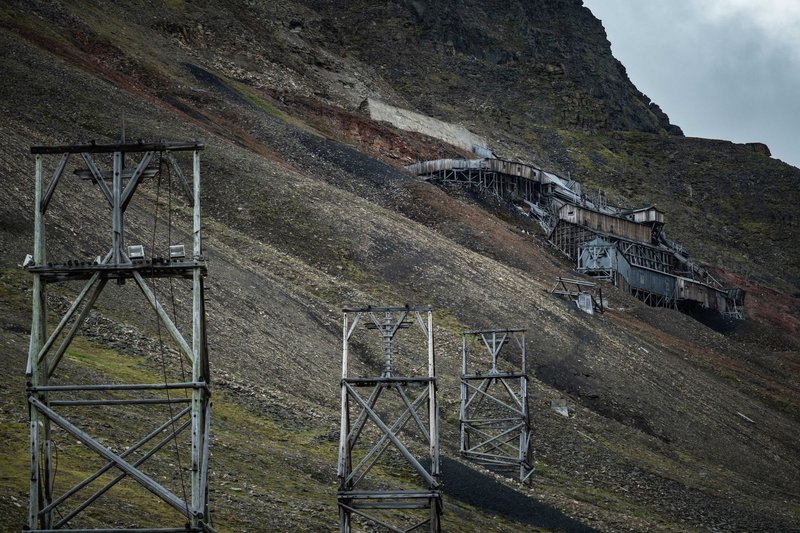
Indonesia isn’t leading the pack, it’s lapping it. The country produced an estimated 2.6 million metric tons of nickel in 2025, more than the next nine countries put together. That didn’t happen by accident — a 2020 export ban on raw nickel ore forced miners to build smelters domestically instead of shipping unprocessed rock to China, and the strategy worked. Sulawesi and Halmahera are now home to sprawling industrial parks where ore goes in one end and stainless steel feedstock or battery precursor material comes out the other.
The trade-off shows up in the headlines almost as often as the production numbers do: deforestation tied to nickel mining has reached an estimated 75,000 hectares, and environmental groups have flagged the practice of dumping HPAL tailings into ocean trenches near several processing sites. Indonesia’s grip on supply isn’t loosening anytime soon, but it’s not a clean story either.
2. Philippines
The Philippines sits a distant second, and even that position slipped in 2025. Production fell to an estimated 270,000 metric tons, down from around 330,000 the year before, as low nickel prices pushed several mines to scale back operations. Most Philippine nickel comes out as low-grade laterite ore shipped to Chinese processors rather than refined domestically, which is a different business model from Indonesia’s smelt-it-at-home approach and one reason the country hasn’t converted its ore reserves into the same kind of production dominance.
3. Russia
Russia’s output is smaller in tonnage but outsized in importance, because Norilsk Nickel’s operations on the Taimyr Peninsula produce some of the world’s highest-purity Class 1 nickel — the grade EV battery makers actually need. Western sanctions following the invasion of Ukraine haven’t cut Russian nickel out of global trade the way they have with some other commodities, largely because buyers in Asia have kept purchasing, but the geopolitical overhang keeps Russian material a recurring topic in any conversation about battery-grade supply security.
4. Australia
Australia holds some of the largest nickel reserves on the planet, but its production has been sliding, dropping an estimated 26% in a single recent year as several mines were mothballed under low prices. The country’s nickel sits mostly in Western Australia, mined from sulfide ore that’s well suited to Class 1 production — in theory a strong fit for the battery boom. In practice, the economics haven’t cooperated: cheap Indonesian supply has undercut prices to the point where some Australian operations can’t break even, and mine closures have become a recurring story in the state’s mining press.
5. Canada
Canada’s nickel comes from a genuinely different geological story than most of this list: Sudbury Basin ore, tied to an ancient meteorite impact, alongside newer sulfide deposits in Manitoba and Labrador. Output runs in the 130,000 to 180,000 metric ton range depending on the year, and Canadian producers lean into a marketing edge competitors can’t easily match — proximity to North American EV and battery plants, plus a “clean” production story that carmakers sourcing under U.S. and EU battery-material rules find attractive.
6. New Caledonia
This small French Pacific territory has punched far above its size in nickel geology for over a century, but 2024 was brutal: production reportedly dropped by more than half amid civil unrest and crashing prices, and at least one major smelter has teetered on the edge of shutdown. New Caledonia’s nickel wealth is also politically loaded — it’s tangled up in the territory’s independence debates, since control over the mineral is control over the local economy’s biggest lever.
7. China
China’s mine output looks modest next to its market power. The country digs up a comparatively small amount of raw nickel ore itself, but it dominates the processing and refining side, converting imported Indonesian and Philippine ore into refined nickel, nickel sulfate, and battery precursor materials at a scale nobody else matches. That’s the part of the supply chain that actually determines who controls EV battery costs, and it’s why China’s influence over nickel is bigger than its position on a mine-production table suggests.
8. Brazil
Brazil pairs meaningful current output with one of the largest untapped reserve bases in the world, concentrated in laterite deposits in the Amazon region and Goiás state. Vale, better known for iron ore, runs some of the country’s largest nickel operations. Brazil’s long-term relevance to the nickel story may end up being less about what it mines today and more about how much of its roughly 16-million-ton reserve base eventually gets developed as easier deposits elsewhere run thin.
9. Guatemala
Guatemala is the list’s quiet entry — production runs in the tens of thousands of metric tons annually, small next to Indonesia’s millions, but enough to make it Latin America’s most consistent nickel producer outside Brazil. The Fenix mine near Lake Izabal, currently operated under Swiss-based Solway, has also been a flashpoint for Indigenous land rights disputes and has drawn scrutiny from international human rights observers over its community relations.
10. United States
The U.S. barely registers on a global production table, an estimated 18,000 metric tons, nearly all of it from the Eagle Mine in Michigan’s Upper Peninsula. But that number matters disproportionately in Washington: it’s the country’s only active nickel mine, and it’s become a talking point in critical-minerals policy debates about reducing dependence on Indonesian and Chinese supply chains. A handful of proposed projects, including one in Minnesota, could add domestic capacity later this decade, but permitting fights have slowed most of them for years.
Nickel Reserves vs. Nickel Production
Production tells you who’s mining nickel right now. Reserves tell you who could keep mining it for decades. The two lists don’t match, and the gap matters for anyone trying to guess where supply goes next.
| Country | Estimated Reserves (metric tons) | Share of Global Reserves |
|---|---|---|
| Indonesia | ~62 million | ~49% |
| Australia | ~20 million | ~21% |
| Brazil | ~16 million | ~16% |
| Russia | ~8.3 million | ~5% |
Indonesia’s reserve share is actually smaller than its production share, which is a warning sign, not a footnote — it’s mining faster than its reserve base would suggest it can sustain over the very long run, though “very long run” for a country sitting on 62 million tons still means decades. Australia and Brazil are the two countries with reserves that outpace their current production: both are sitting on large deposits they’re extracting relatively slowly, which is exactly the kind of gap that shifts a global ranking when prices eventually favor bringing more of that ore online.
Class 1 vs. Class 2 Nickel
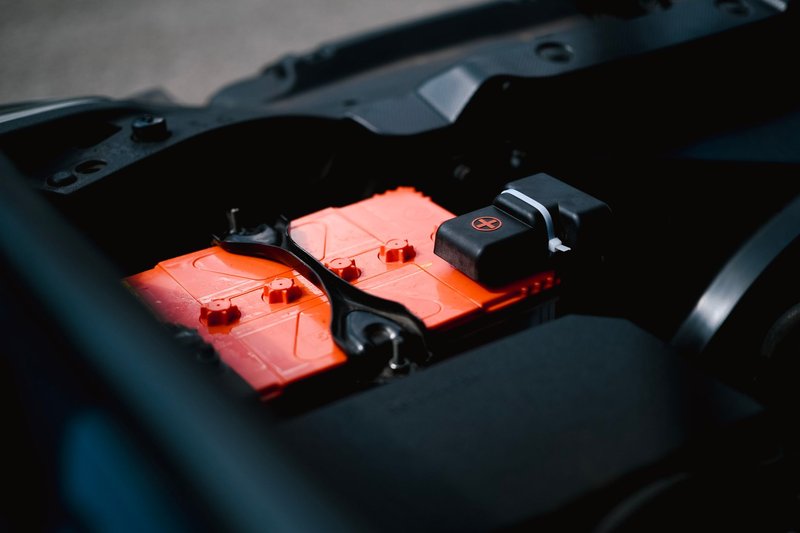
Not all nickel can go into an EV battery, and this is the distinction that trips up almost every casual explainer on the topic.
Class 1 nickel is at least 99.8% pure, produced mainly from sulfide ores that get concentrated, smelted, and refined, or from limonite ore processed through high-pressure acid leaching (HPAL). It’s the only grade battery manufacturers will accept, because it can be converted into nickel sulfate for cathode chemistry.
Class 2 nickel runs anywhere from about 75% to 99% purity, comes from saprolite and limonite ores, and is the workhorse of the stainless steel industry — which still consumes the majority of nickel produced worldwide. Converting Class 2 material into battery-grade Class 1 is technically possible but expensive and energy-intensive, which is exactly why so much of Indonesia’s HPAL buildout exists: it’s an attempt to turn a country full of Class 2-friendly ore into a Class 1 supplier for the EV industry.
That buildout is moving fast. A Vale Indonesia HPAL facility in Pomala is slated to produce 120,000 tons per year of mixed hydroxide precipitate, feeding a supply agreement with Ford aimed at supporting the automaker’s EV production targets. Deals like this are why global battery demand grew by more than 35% in 2025 alone, according to the IEA’s Global EV Outlook 2026 — and why the industry keeps watching Indonesia’s HPAL pipeline as closely as its raw mine output.
The concentration risk hasn’t gone unnoticed. The IEA’s Global Critical Minerals Outlook 2026 found that Indonesia for nickel, and China for most other battery minerals, accounted for over three-quarters of total global supply growth between 2023 and 2025 — the kind of single-country concentration that makes automakers and regulators nervous, regardless of how the ESG questions eventually shake out.
FAQ
Which country produces the most nickel?
Indonesia, by a wide margin. It accounts for an estimated 67% of global mined nickel production, more than the rest of the top ten combined.
Which country has the most nickel reserves?
Indonesia again, with an estimated 62 million metric tons, roughly 49% of the world’s identified reserves. Australia and Brazil are a distant second and third.
Why does Indonesia dominate nickel production?
A 2020 ban on exporting raw, unprocessed nickel ore forced companies to build smelters and processing plants inside the country instead of shipping ore to China. That policy, combined with genuinely large ore deposits on Sulawesi and Halmahera, turned Indonesia from a mid-tier producer into the dominant one within a few years.
Is all nickel usable for EV batteries?
No. Only Class 1 nickel, at least 99.8% pure, can be converted into the nickel sulfate that battery cathodes require. Most of the world’s nickel, including much of what comes out of the Philippines and older Indonesian operations, is lower-purity Class 2 material destined for stainless steel instead.
Is nickel mining bad for the environment?
It depends heavily on where and how it’s done. HPAL processing in Indonesia has been linked to significant deforestation and, at some sites, disposal of acidic tailings into the ocean — practices that have drawn criticism from environmental groups and pressure from major investors on automakers to tighten sourcing standards.