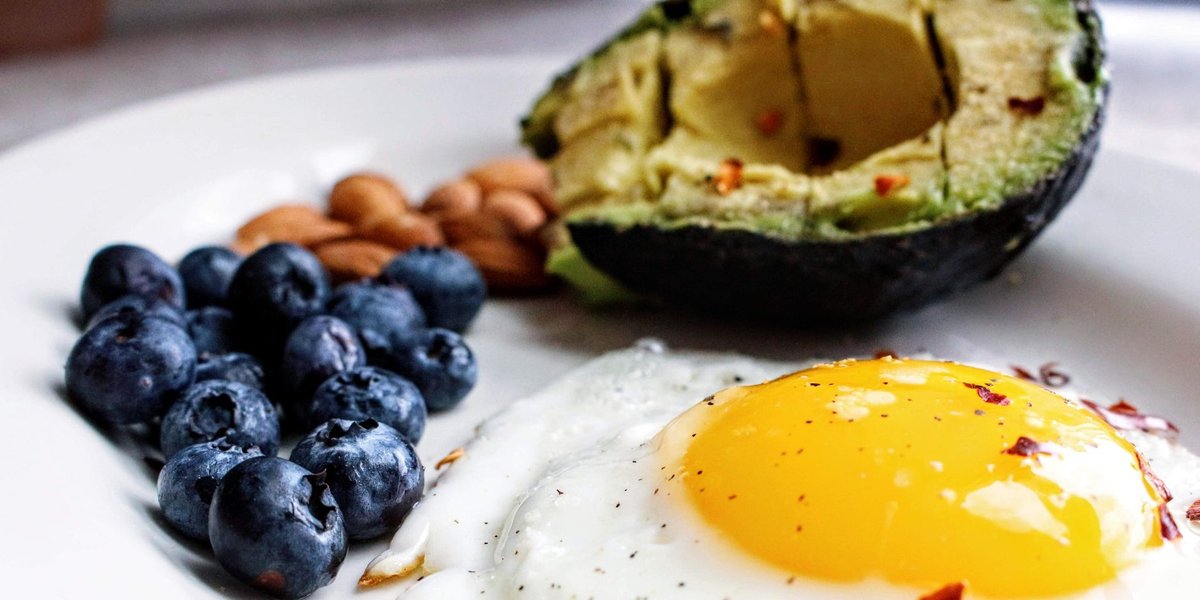
You came here for a list, so here it is. The foods below are grouped by source, and every one is paired with how much protein it actually delivers per normal serving — not per 100 grams of dry weight, not per some lab-convenient portion, but per the amount you’d put on a plate.
A quick note on the numbers before the list. Protein content shifts with cut, brand, and cooking method, so treat these as solid ballpark figures rather than gospel. They’re drawn from USDA FoodData Central, which is the database most nutrition labels trace back to.
Table of Contents
- The highest-protein foods, ranked
- Meat and poultry
- Seafood
- Eggs and dairy
- Beans, lentils, and legumes
- Nuts and seeds
- Soy foods
- High-protein grains and vegetables
- Vegetarian and vegan protein
- Cheap high-protein foods
- Complete vs. incomplete protein
- How much protein do you actually need?
The highest-protein foods, ranked
If you only want the heavy hitters — the foods that pack the most protein into a single serving — start here.
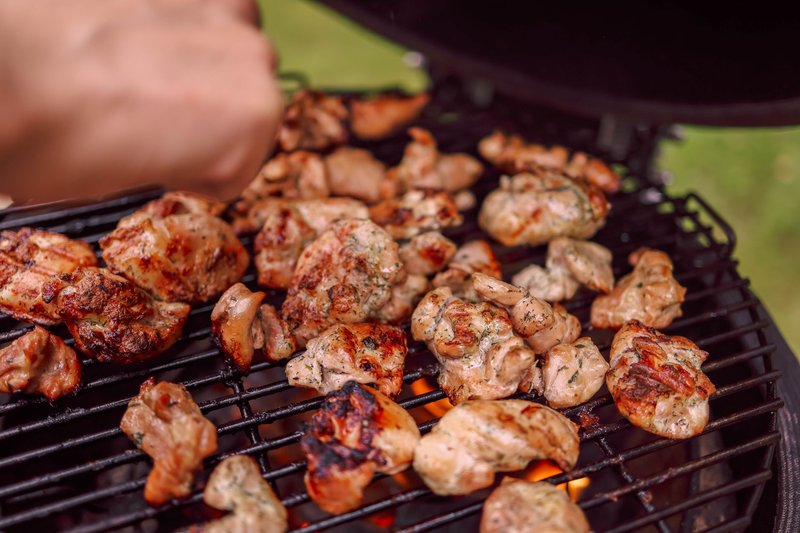
- Chicken breast — 31 g per 100 g cooked
- Turkey breast — 30 g per 100 g cooked
- Tuna (canned in water) — 27 g per 100 g
- Lean beef (sirloin) — 26 g per 100 g cooked
- Salmon — 25 g per 100 g cooked
- Pork tenderloin — 26 g per 100 g cooked
- Greek yogurt (plain, nonfat) — 17 g per 170 g cup
- Lentils (cooked) — 18 g per cooked cup
- Tofu (firm) — 17 g per 100 g
- Cottage cheese — 14 g per ½ cup
Animal sources dominate the top of any per-serving ranking, simply because muscle tissue is mostly protein and water. But the plant entries on this list — lentils, tofu — hold their own, and they bring fiber that the meat doesn’t.
Meat and poultry
Meat is the densest, most efficient protein most people will eat. The differences between cuts come down to fat, not protein, so leaner cuts give you more grams per calorie.
- Chicken breast (skinless): 31 g per 100 g cooked
- Chicken thigh (skinless): 26 g per 100 g cooked
- Turkey breast: 30 g per 100 g cooked
- Lean beef (sirloin, 95% lean): 26 g per 100 g cooked
- Pork tenderloin: 26 g per 100 g cooked
- Pork chop: 27 g per 100 g cooked
- Lamb (leg): 25 g per 100 g cooked
A palm-sized portion of cooked chicken — roughly 85 to 100 grams — lands around 27 to 31 grams of protein. That single piece covers more than half the daily protein a 150-pound adult needs.
Seafood
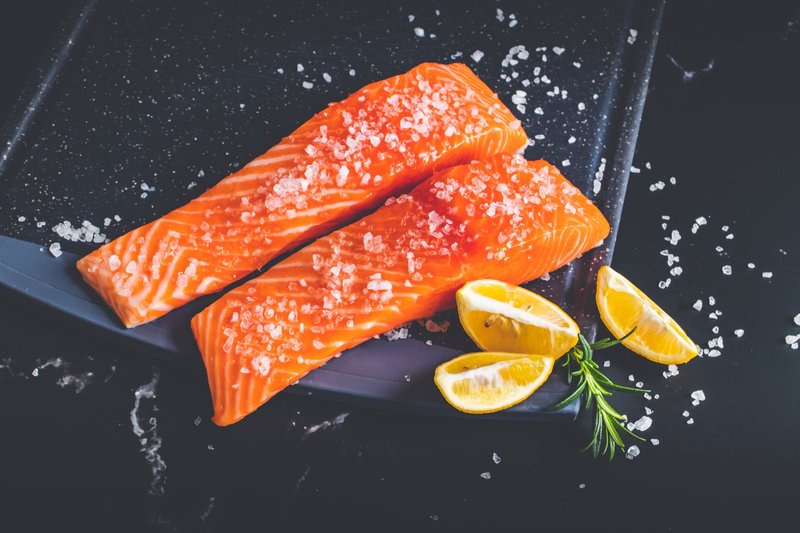
Fish and shellfish deliver protein at the same density as meat, often with less saturated fat and a dose of omega-3s on the side. Canned options are the cheapest, fastest way in.
- Tuna (canned in water): 27 g per 100 g
- Salmon: 25 g per 100 g cooked
- Cod: 23 g per 100 g cooked
- Shrimp: 24 g per 100 g cooked
- Sardines (canned): 25 g per 100 g
- Tilapia: 26 g per 100 g cooked
- Mussels: 24 g per 100 g cooked
A single can of tuna runs 20 to 25 grams of protein for under two dollars. Few foods touch that ratio of protein to cost.
Eggs and dairy
Eggs are the food nutritionists quietly use as the reference point for protein quality — the amino acid profile is close to ideal for human needs. Dairy is the other workhorse, especially the strained and pressed versions.
- Egg (large): 6 g each
- Greek yogurt (plain, nonfat): 17 g per 170 g cup
- Cottage cheese: 14 g per ½ cup
- Cheddar cheese: 7 g per 28 g slice
- Milk (whole or skim): 8 g per cup
- Mozzarella (part-skim): 7 g per 28 g
Greek yogurt earns its place in every gym bag. The straining process removes whey liquid and roughly doubles the protein compared to regular yogurt, which is why a single cup rivals a small chicken portion.
Beans, lentils, and legumes
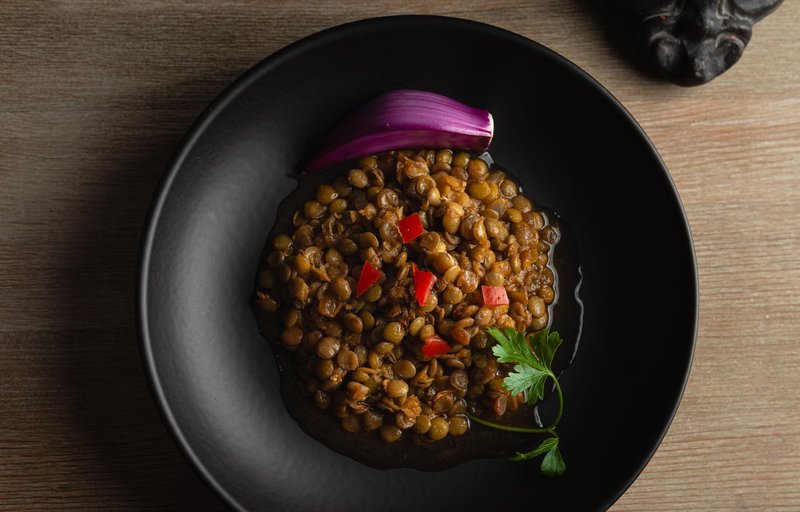
This is where plant protein gets serious. Legumes pair their protein with fiber, which means they fill you up and feed your gut bacteria in a way meat can’t.
- Lentils (cooked): 18 g per cup
- Black beans (cooked): 15 g per cup
- Chickpeas (cooked): 15 g per cup
- Kidney beans (cooked): 15 g per cup
- Baked beans (canned): 12 g per cup
- Green peas (cooked): 9 g per cup
- Edamame (shelled): 18 g per cup
Baked beans on toast — the classic budget meal — clears 15 grams of protein once you count the bread. It isn’t fancy, but it works.
Nuts and seeds
Nuts and seeds carry less protein per gram than the foods above because so much of their weight is fat. That fat is mostly the unsaturated kind, which puts these foods on most lists of healthy fats worth eating regularly. They earn their spot as snacks and toppings, not as a meal’s main protein.
- Peanut butter: 7 g per 2 tablespoons
- Almonds: 6 g per 28 g (about 23 nuts)
- Pumpkin seeds: 9 g per 28 g
- Hemp seeds: 9 g per 3 tablespoons
- Chia seeds: 5 g per 28 g
- Pistachios: 6 g per 28 g
- Cashews: 5 g per 28 g
Pumpkin seeds and hemp seeds punch above their weight here — both edge toward 9 grams in a small handful, which is rare for plant foods you eat by the spoonful.
Soy foods
Soy is the plant kingdom’s answer to meat, and the only common plant protein that’s complete on its own (more on that below).
- Tofu (firm): 17 g per 100 g
- Tempeh: 19 g per 100 g
- Edamame (shelled): 18 g per cup
- Soy milk: 7 g per cup
- Roasted soy nuts: 12 g per 28 g
Tempeh edges out tofu because it’s fermented whole soybeans rather than pressed soy curd — denser, with a firmer bite and a little more protein per gram.
High-protein grains and vegetables
Most grains and vegetables aren’t protein foods in the strict sense, but a few contribute enough to matter when you’re stacking grams across a day.
- Quinoa (cooked): 8 g per cup
- Oats (dry): 5 g per ½ cup
- Whole wheat pasta (cooked): 8 g per cup
- Spinach (cooked): 5 g per cup
- Broccoli (cooked): 4 g per cup
- Sweet corn: 5 g per cup
Quinoa is the standout — it’s one of the few plant foods that’s both a grain-style carbohydrate and a complete protein, which is why it became the vegetarian darling it is. Worth noting that quinoa isn’t technically a grass seed like the true cereal grains — wheat, oats, rice — which is part of why its amino acid profile runs richer than most of them.
Vegetarian and vegan protein
Skipping meat doesn’t mean skipping protein — it means assembling it from more sources. The strongest plant picks, ranked by per-serving punch:
- Lentils: 18 g per cooked cup
- Edamame: 18 g per cup
- Tempeh: 19 g per 100 g
- Tofu: 17 g per 100 g
- Black beans / chickpeas: 15 g per cooked cup
- Quinoa: 8 g per cooked cup
- Hemp seeds: 9 g per 3 tablespoons
A vegan eating a cup of lentils, a serving of tofu, and a handful of pumpkin seeds across a day is already past 40 grams of protein without trying hard. The Harvard Nutrition Source makes the same point: plant proteins, eaten in variety, cover the bases that animal foods do.
Cheap high-protein foods
Protein has a reputation for being expensive. These foods break that, ranked roughly by protein per dollar:
- Eggs — around 6 g each, pennies per egg
- Canned tuna — 20 to 25 g per can
- Dried lentils — 18 g per cooked cup, sold by the bag for cents per serving
- Dried beans — 15 g per cooked cup
- Cottage cheese — 14 g per ½ cup
- Canned sardines — 25 g per 100 g
- Peanut butter — 7 g per 2 tablespoons
- Chicken thighs — 26 g per 100 g, cheaper than breast
Dried beans and lentils are the cheapest protein on the planet by weight. The catch is they take planning — soaking and simmering instead of opening a package.
Complete vs. incomplete protein
Proteins are built from 20 amino acids, nine of which your body can’t make and has to get from food. A complete protein contains all nine in useful amounts. An incomplete protein is short on one or more.
Animal foods — meat, fish, eggs, dairy — are all complete. Among plants, only a few are: soy (tofu, tempeh, edamame), quinoa, and buckwheat. Most beans are low in methionine; most grains are low in lysine.
The old advice to combine foods at the same meal — beans with rice, hummus with pita — turned out to be unnecessarily strict. Your body pools amino acids across the day, so eating a variety of plant proteins over 24 hours covers everything. Rice at lunch and beans at dinner work just fine together.
How much protein do you actually need?
The baseline, per the National Institutes of Health, is 0.8 grams per kilogram of body weight per day — about 56 grams for a 70-kilogram (154-pound) adult. That’s a floor for preventing deficiency, not a target for building muscle.
People who lift, run, or are over 65 generally do better in the 1.2 to 2.0 grams per kilogram range. For most active adults, that lands somewhere between 90 and 140 grams a day.
Hitting it is easier than the numbers suggest. Three eggs at breakfast (18 g), a can of tuna at lunch (24 g), and a chicken breast at dinner (31 g) already clears 70 grams — before a single snack, yogurt, or handful of nuts enters the picture. Build a few of the foods above into each meal and the daily total takes care of itself.