Sudan sits on more mineral wealth than most people would guess: gold deposits that rank among the largest in Africa, chromite that supplied stainless steel plants for half a century, and enough gum arabic groves to keep a good chunk of the world’s soft drinks and gummy candy in their current form. None of it has made the country rich. Since April 2023, a war between the Sudanese Armed Forces (SAF) and the paramilitary Rapid Support Forces (RSF) has turned two of Sudan’s biggest resources, gold and oil, into the currency both sides use to keep fighting rather than revenue the state collects.
Here’s what Sudan’s natural resources actually are, where each one comes from, and why decades of resource wealth have produced one of the world’s worst humanitarian crises instead of a functioning economy.
Table of Contents
- Quick Answer
- Sudan’s Natural Resources at a Glance
- Petroleum: A Shrinking Share of a Once-Bigger Pie
- Gold: The Resource Actually Funding the War
- Chromite, Iron Ore, and the Minerals Nobody Talks About
- Gum Arabic: The Export Nobody Expects
- Land and Water: Sudan’s Quieter Resource
- The Solar Power Sudan Isn’t Using
- Why None of This Has Lifted the Economy
Quick Answer
Sudan’s major resources, ranked by current economic weight, are gold, petroleum, gum arabic, chromite and iron ore, and Nile-fed farmland. Gold is now the dominant export by a wide margin — it accounts for roughly half of the country’s foreign earnings — while oil, once Sudan’s top export before South Sudan split off with three-quarters of the reserves in 2011, has shrunk to a sliver of its former output. None of these resources sit under stable control right now. Gold finances both sides of the civil war, oil infrastructure has been fought over and shut down, and gum arabic has been looted from warehouses rather than sold through normal export channels.
Sudan’s Natural Resources at a Glance
| Resource | Main Regions | Production Trend | Main Market |
|---|---|---|---|
| Gold | Red Sea Hills, Nuba Mountains, River Nile State, Darfur | Rising output (65–70 tonnes/year), but up to 90% smuggled out | UAE, Egypt |
| Petroleum | Muglad and Melut Basins (Kordofan, White Nile) | Collapsing — from ~500,000 barrels/day before 2011 to ~21,000 in 2025 | China, regional refiners |
| Gum Arabic | Kordofan and Darfur’s “gum arabic belt” | Steady harvest, disrupted exports; looted by RSF for cash | US and EU food and beverage manufacturers |
| Chromite | Ingessana Hills, Red Sea Hills, Nuba Mountains | Modest but growing historically (~60,000 tonnes/year) | China, steel producers |
| Iron Ore | Baljarawih, West Darfur, Abu Tolo Mountain (South Kordofan) | Largely undeveloped despite 2+ billion tons in reserves | Domestic potential, unexploited |
| Nile Land and Water | Gezira Plain, Blue Nile/White Nile confluence | Irrigated cotton, sorghum, and sesame; output constrained by war | Domestic and regional food trade |
Petroleum: A Shrinking Share of a Once-Bigger Pie
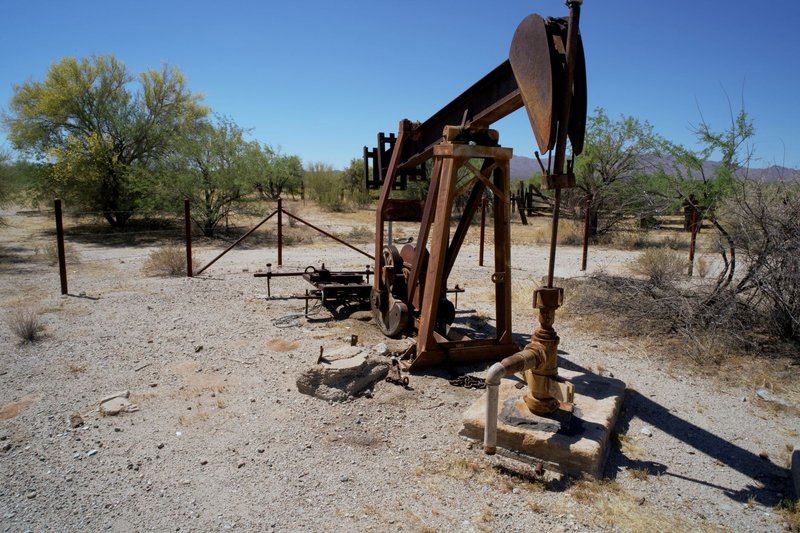
This is where Sudan gets confused with South Sudan, and it’s worth untangling. Before 2011, a united Sudan held an estimated five billion barrels of proven oil reserves and pumped close to 500,000 barrels a day, mostly from the Muglad and Melut basins. When South Sudan seceded that year, it took roughly three-quarters of those reserves with it — the oil-rich south, the resource-poor north, on paper. Sudan was left with about 1.5 billion barrels and production that fell to under 30,000 barrels a day almost overnight, according to the U.S. Energy Information Administration.
The civil war made a bad situation worse. Sudan’s Khartoum refinery stopped functioning in October 2023 after the SAF and RSF fought over the facility and cut off the crude feed from fields under RSF control. By September 2025, national output had fallen to around 21,000 barrels a day, with analysts warning that fighting near the Heglig field could push it toward a full shutdown. Sudan still earns pipeline transit fees from South Sudanese crude moving north to Port Sudan for export, which is now arguably a steadier source of oil revenue than the country’s own wells.
Gold: The Resource Actually Funding the War
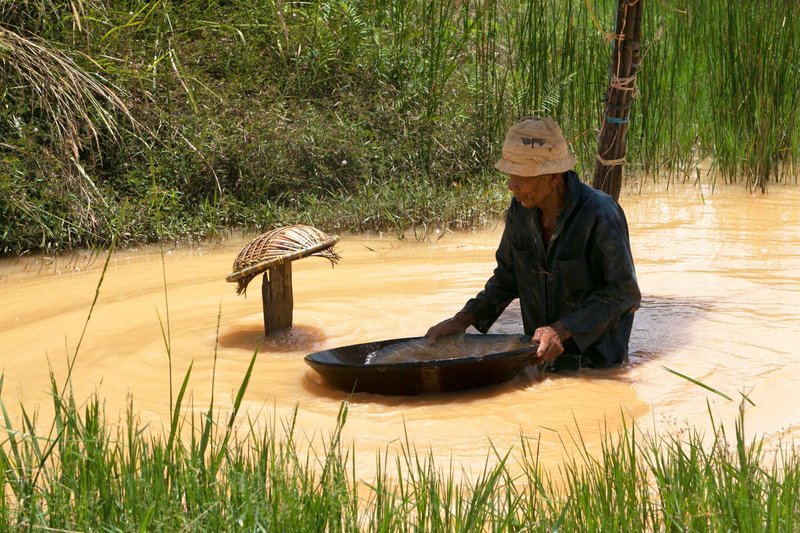
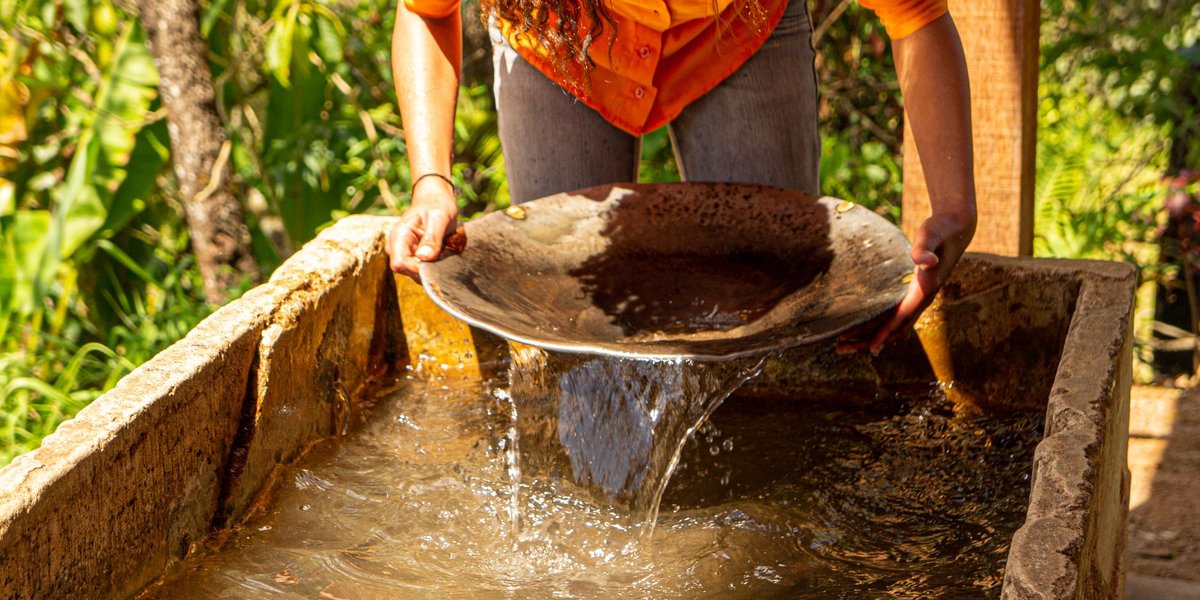
Gold is where the money actually is, and it’s also where the war is actually being paid for. SAF-controlled areas produced roughly 65 tonnes of gold in 2024, climbing to around 70 tonnes in 2025, generating an estimated $1.6 billion and accounting for close to half of Sudan’s total exports. That’s the official picture. The unofficial one is worse: estimates of how much Sudanese gold bypasses formal export channels range from around 48% up to 80–90%, depending on the source, moving instead through smuggling routes into Egypt and the United Arab Emirates.
Both the SAF and the RSF operate or tax mining sites directly, which means gold isn’t a resource waiting to be developed once the war ends — it’s the reason the war has money to continue. A 2024 report by Swissaid found UAE imports of Sudanese gold jumped 70% during the conflict, and researchers have traced roughly 60 tonnes smuggled into Egypt between April 2023 and the end of 2024 alone. As the UN has warned, looted gold and gum arabic aren’t peripheral casualties of the fighting — they’re bankrolling it.
Chromite, Iron Ore, and the Minerals Nobody Talks About
Sudan has been exporting chromite and a range of other minerals since the 1970s, mostly to Chinese steel producers, from deposits in the Ingessana Hills, the Red Sea Hills, and the Nuba Mountains. The Ingessana Hills alone hold a documented reserve of more than a million tons, and annual output has grown over time — production there roughly doubled in a single year in the mid-2010s, jumping from around 31,000 to 61,000 tons, according to USGS mineral industry data.
Iron ore is the mineral Sudan has the most of and has done the least with. Deposits at Baljarawih, in West Darfur, at Abu Tolo Mountain in South Kordofan, and along the Red Sea Hills add up to more than two billion tons — reserves large enough to support a domestic steel industry that has never been built. The Nuba Mountains region alone hosts commercial-grade chromium, copper, gold, manganese, and nickel in the same set of hills, plus graphite, marble, and phosphate. It’s a genuinely mineral-rich stretch of country that foreign investors have mostly avoided, first because of decades of sanctions and instability, and now because of active fighting.
Gum Arabic: The Export Nobody Expects
Sudan is the world’s leading producer of gum arabic, the tree resin used as a stabilizer and emulsifier in everything from soft drinks to gummy vitamins to certain pharmaceutical coatings. It comes from acacia trees grown across a belt running through Kordofan and Darfur, and unlike gold or oil, it’s a renewable crop that keeps producing as long as the trees stand and someone shows up to tap them. Sudan’s gum arabic exports were valued at $141 million in 2023.
The war reached this sector too. Rather than letting the harvest move through normal export channels, the RSF has looted stockpiles directly — at least 3,700 tonnes were taken between January and June 2024 alone, used as a form of in-kind payment for fighters who weren’t being paid salaries. It’s a smaller number than gold’s billions, but it shows how thoroughly the conflict has reached into every export sector Sudan has, not just the obvious ones.
Land and Water: Sudan’s Quieter Resource
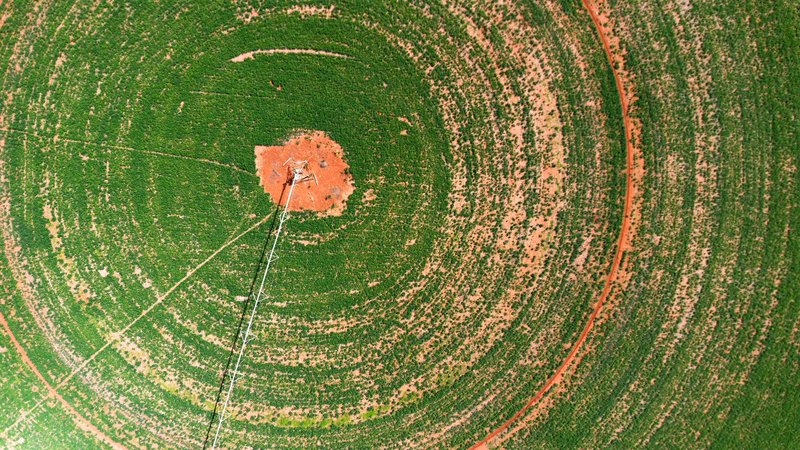
Sudan’s other major resource doesn’t show up in a mining report: land and river water. The confluence of the Blue Nile and White Nile at Khartoum feeds one of the largest irrigation schemes on the continent, the Gezira Plain, where cotton, sorghum, and sesame have been grown for export since the colonial period. Sudan remains among the world’s top exporters of sesame seed, a crop that gets far less attention than gold but has quietly generated steady export income for years.
This is also the resource most directly threatened by the war rather than fought over for it — displacement, fuel shortages, and damaged infrastructure have cut into planting and harvest cycles across the irrigated belt, at a time when Sudan can least afford a food supply shock on top of everything else.
The Solar Power Sudan Isn’t Using
Sudan sits squarely in Africa’s sun belt, with the kind of solar irradiance that makes utility-scale solar power an obvious long-term play. In practice, the country has built one 10-megawatt solar plant, with only half of that connected to the grid, and solar currently supplies roughly 0.23% of Sudan’s electricity. That’s not a rounding error — it’s a resource that’s essentially untouched, in a country that badly needs power infrastructure independent of contested fuel supply lines and unreliable grid fuel. Post-war reconstruction plans, whenever they materialize, will have a genuinely underused resource to build around.
Why None of This Has Lifted the Economy
Sudan’s resource list reads like a country that should be doing fine. The reason it isn’t comes down to who controls the resources and what they’re used for. Since the civil war began in April 2023, Sudan’s economy contracted by an estimated 18.3%, compared to a 2.5% contraction the year before — a collapse driven directly by fighting over the assets that were supposed to generate national revenue.
Gold and gum arabic smuggling networks route resource wealth around the state entirely, funding militias and foreign buyers instead of a treasury that could spend it on hospitals or roads. Oil infrastructure has become a military target rather than an economic asset. And the human cost isn’t limited to the fighting itself: artisanal gold mining, expanded during the war as formal industry has collapsed, has left mercury contamination in soil and water near processing sites so severe that peer-reviewed testing found hazard levels for children living near amalgam-burning sites more than 30 times above safe exposure thresholds.
Sudan’s resource map looks like a country that should be wealthy. Its ledger looks like a country at war over the difference — and until control of gold, oil, and export routes stops being worth fighting over, that gap isn’t going to close on its own.