Table of Contents
- Key Takeaways
- Oil and Natural Gas: The Resource That Built the State
- Aluminum: Bahrain’s Other Export Economy
- Fishing and the Pearling Legacy
- Water: The Resource Bahrain Doesn’t Have
- Resources at a Glance
- From Oil State to Diversified Economy
- FAQ
Key Takeaways
Bahrain is a small island nation with a short list of natural resources, but each one shaped its economy in an outsized way. Oil, struck in 1932, made Bahrain the first Gulf state to industrialize on petroleum — and the first to watch its reserves start running thin. Natural gas, not crude, is now the resource that actually keeps the country running, feeding both power plants and the aluminum industry. Aluminium Bahrain (Alba) turns that gas into one of the world’s largest single-site smelting operations. Fishing still supports coastal livelihoods, and pearling — the resource that came before oil — remains a UNESCO-recognized part of Bahraini identity. The resource Bahrain conspicuously lacks is fresh water: it ranks among the most water-stressed countries on Earth and leans on desalination for the majority of its supply.
Oil and Natural Gas: The Resource That Built the State
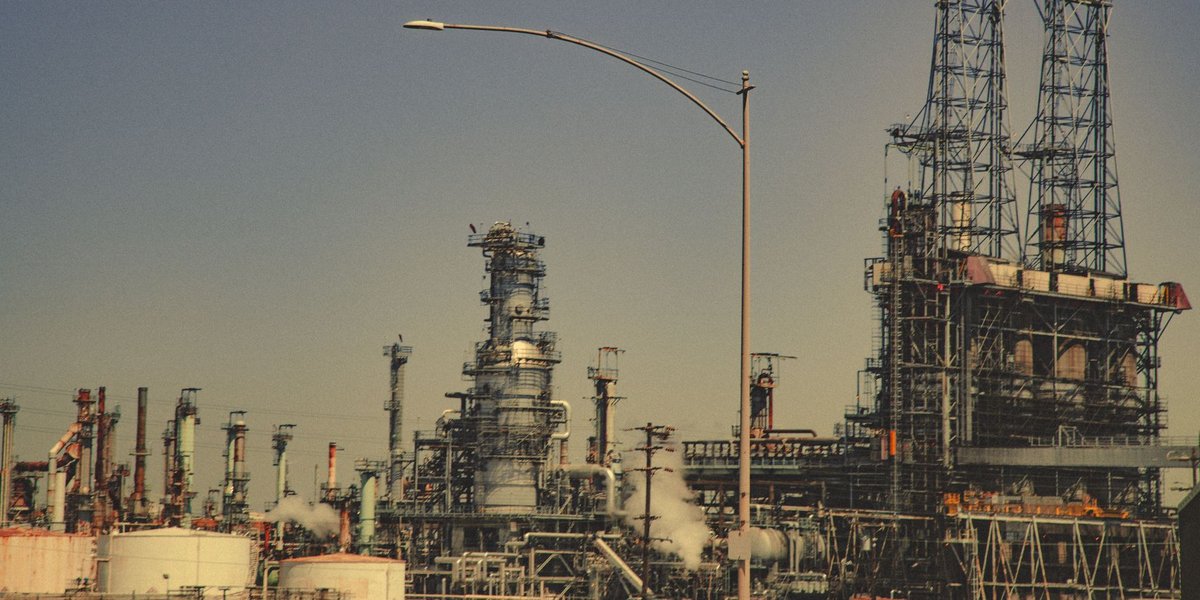
Bahrain struck oil at Jebel Dukhan in 1932, making it the first country on the Arab side of the Persian Gulf to find commercial petroleum — years before Saudi Arabia, Kuwait, or the UAE. That discovery didn’t just start an industry; it ended one. Pearling, Bahrain’s main export for centuries, collapsed within a few years as oil money and Japanese cultured pearls hit at the same time.
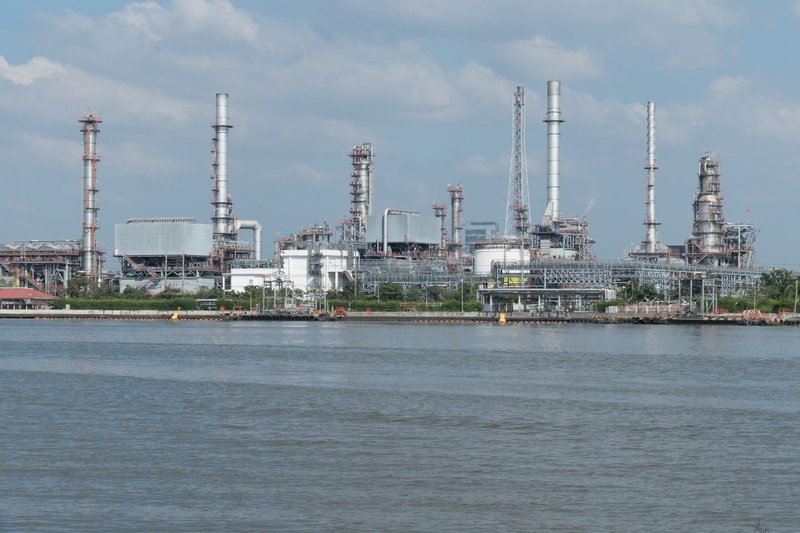
The problem is that Bahrain’s oil field is small by regional standards, and it shows. The country now produces roughly 189,000 barrels of crude per day, according to U.S. Energy Information Administration data, and much of what its Sitra refinery processes is actually imported Saudi crude piped in from the Abqaiq fields, not oil pumped domestically. Bahrain owns onshore output from the Bahrain Field and a half-share of the offshore Abu Saafa field it operates jointly with Saudi Arabia.
Natural gas is the more important resource today. Bahrain holds proven reserves of around 3.25 trillion cubic feet, most of it associated gas produced alongside oil from the Awali field. That gas doesn’t get exported — it’s burned domestically, for power generation and desalination, and piped straight into the country’s biggest industrial consumer: the aluminum smelter next door. In a country with no rivers, no real oil wealth left to speak of, and a shrinking crude output, gas quietly became the resource that keeps the lights, the taps, and the smelters running.
Aluminum: Bahrain’s Other Export Economy
Aluminum isn’t a Bahraini natural resource in the traditional sense — the bauxite ore comes from Australia and Guinea, not local ground. But it belongs on this list because it’s the industry Bahrain built specifically to convert its one genuine natural asset, cheap natural gas, into an export product once oil stopped being enough.
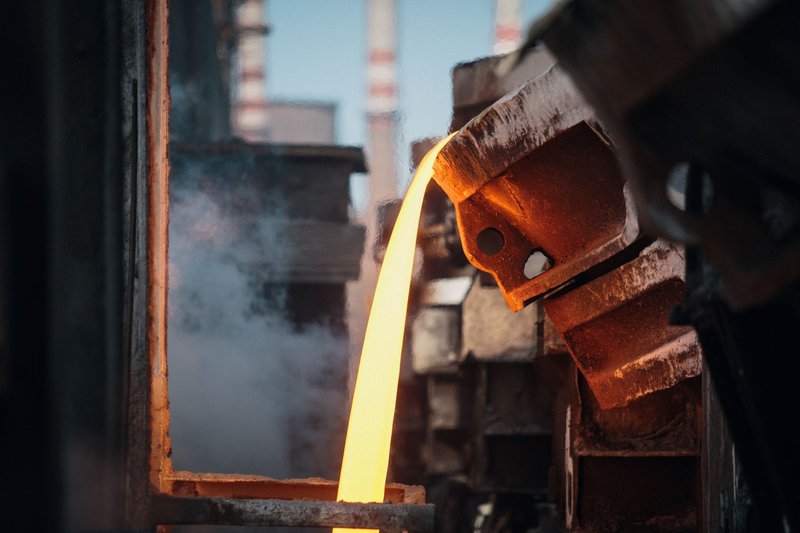
Aluminium Bahrain, known as Alba, has been smelting since 1971 and is now one of the largest single-site aluminum smelters on the planet. In 2025 it set a production record of 1,623,139 metric tonnes, edging out its own 2024 mark despite an industrial fire that briefly disrupted operations that year. Alba alone accounts for a meaningful slice of Bahrain’s non-oil GDP and is the country’s single largest consumer of natural gas — which is why gas reserves and aluminum output are really the same story told from two ends.
Fishing and the Pearling Legacy
Bahraini waters support more than 200 recorded fish species, and small-scale fishing — hamour, safi, and shrimp among the catch — still supplies a meaningful share of the domestic market and employs coastal communities that never fully shifted into oil or finance work.
Before any of that, though, Bahrain’s economy ran on pearls. For centuries, Bahraini pearl beds were considered the finest in the world, and the pearling fleets that worked them defined the island’s trade relationships from the Indian Ocean to Europe. UNESCO recognized this history in 2012, inscribing the “Pearling, Testimony of an Island Economy” site — a string of oyster beds, a fort, and a merchant’s house in Muharraq — as Bahrain’s first World Heritage listing. It’s a rare case of a natural resource industry collapsing almost overnight (oil discovery plus the arrival of Japanese cultured pearls in the 1930s did it in a few years) and still leaving behind a cultural identity that outlasted the trade itself.
Water: The Resource Bahrain Doesn’t Have
Every resource above gets discussed in terms of what Bahrain has. Water is the one defined by what it doesn’t. Bahrain is regularly ranked among the most water-stressed countries in the world, and its natural groundwater aquifers — once its only fresh water source — have been overdrawn and increasingly contaminated by seawater intrusion for decades.
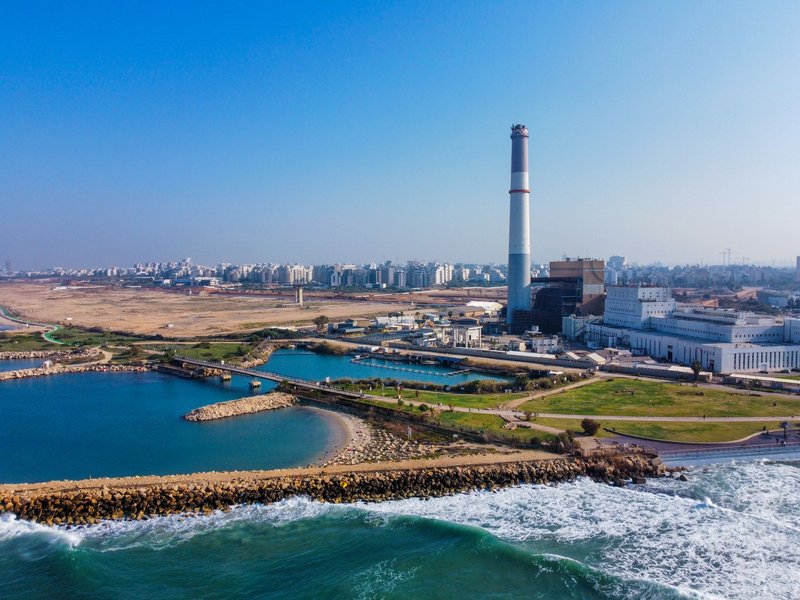
The gap is filled by desalination, which now supplies over 60% of Bahrain’s total water needs, with treated wastewater reuse and dwindling groundwater covering the rest. That desalination capacity itself runs on the country’s other resource, natural gas, making Bahrain’s entire water supply downstream of its energy supply. Authorities have outlined plans to expand desalination capacity by roughly 75% by 2030, a response to average daily consumption that climbed about 27% between 2009 and 2024. It’s the resource story running in reverse: instead of exporting a raw material, Bahrain has to manufacture the one it can’t extract.
Resources at a Glance
| Resource | Primary Use | Key Figure |
|---|---|---|
| Crude oil | Domestic refining, fuel | ~189,000 barrels/day produced |
| Natural gas | Power, desalination, aluminum smelting | ~3.25 trillion cubic feet in reserves |
| Aluminum (Alba) | Export manufacturing | 1,623,139 tonnes produced (2025 record) |
| Fisheries | Domestic food supply | 200+ recorded species |
| Desalinated water | Domestic fresh water | Over 60% of total water supply |
From Oil State to Diversified Economy
Bahrain’s resource math explains its economic strategy better than any policy document could. With oil reserves too thin to fund the state indefinitely and gas already committed to industry and water, Bahrain diversified earlier and more aggressively than its Gulf neighbors — building out banking, finance, and tourism sectors well before Dubai made that playbook famous. Financial services now rival oil for GDP contribution, a shift that started decades ago precisely because Bahrain’s underlying resource base never gave it another option. The pattern holds across the region: nations with the deepest reserves diversify the slowest, and Bahrain, with the shallowest reserves in the Gulf, had to start first.
FAQ
What is Bahrain’s most important natural resource? Natural gas, not oil. Bahrain’s crude reserves are modest and its refinery depends heavily on imported Saudi oil, while domestically produced gas powers electricity generation, desalination, and the aluminum industry.
When was oil discovered in Bahrain? In 1932, at Jebel Dukhan — making Bahrain the first country on the Arab side of the Gulf to find commercial oil.
Does Bahrain have enough fresh water? No. Bahrain is among the most water-stressed countries in the world and depends on desalination for more than 60% of its water supply, since groundwater aquifers have been depleted and increasingly affected by seawater intrusion.
What is Alba? Aluminium Bahrain (Alba) is one of the largest single-site aluminum smelters in the world, producing a record 1,623,139 tonnes in 2025. It runs on Bahraini natural gas rather than local bauxite, which is imported.
Was Bahrain’s economy always based on oil? No — for centuries it ran on pearl diving. The pearling industry collapsed in the 1930s once oil was discovered and Japanese cultured pearls flooded the global market, and the site of Bahrain’s historic pearl beds is now a UNESCO World Heritage listing.