Tennessee runs about 440 miles end to end, and the state packs in an active fossil dig, the birthplace of the atomic bomb’s enriched uranium, and a planetarium under a 63-foot dome. The catch is that no single page tells you which one is actually near you, what it costs, or whether your seven-year-old will be bored by lunch. So here’s the whole map, grouped by region, with the practical stuff up front.
Table of Contents
- Quick comparison table
- East Tennessee (Knoxville, Oak Ridge, Chattanooga, Gray)
- Middle Tennessee (Nashville, Murfreesboro)
- West Tennessee (Memphis)
- FAQ
Quick comparison table
| Museum | City | Region | Best for | Admission (adult) |
|---|---|---|---|---|
| Adventure Science Center | Nashville | Middle | Ages 4–12, planetarium fans | ~$23 |
| Hands On! Discovery Center & Gray Fossil Site | Gray | East | Ages 5–12, fossil diggers | $11 |
| American Museum of Science & Energy | Oak Ridge | East | Ages 10+, history buffs | ~$8 |
| Museum of Science & History (MoSH) | Memphis | West | All ages, planetarium | varies |
| Creative Discovery Museum | Chattanooga | East | Toddlers to age 12 | ~$18 |
| McClung Museum | Knoxville | East | All ages, free entry | Free |
| Discovery Center | Murfreesboro | Middle | Toddlers to age 10 | ~$10 |
| Sudekum Planetarium | Nashville | Middle | Stargazers, laser-show crowd | with ASC ticket |
| Sharpe Planetarium | Memphis | West | Stargazers | with MoSH ticket |
Two of those entries — the Sudekum and the Sharpe — live inside the science centers above them, so call them bonus rooms rather than separate trips. The seven freestanding institutions are what most “best of” searches are really after.
East Tennessee
This is the science-dense corner of the state. Oak Ridge alone holds Manhattan Project history that exists nowhere else, and the Gray Fossil Site is one of the few museums in the country where you can watch paleontologists working a real dig the same day you visit.
American Museum of Science & Energy — Oak Ridge

AMSE opened on March 19, 1949, the same day Oak Ridge dropped the security fences that had hidden it from the public during the war. That origin is the whole point of the place. The galleries cover the Manhattan Project, national security, energy leadership, and environmental restoration, and the museum is the launch point for National Park Service guided bus tours to the actual Manhattan Project sites around town — the kind of access you can’t book anywhere else.
Open Monday–Saturday 9 a.m.–5 p.m., Sunday 1–5 p.m. Adult admission runs around $8. Best for ages 10 and up; younger kids will miss most of the history, though there are hands-on energy exhibits to hold them over.
Hands On! Discovery Center & Gray Fossil Site — Gray
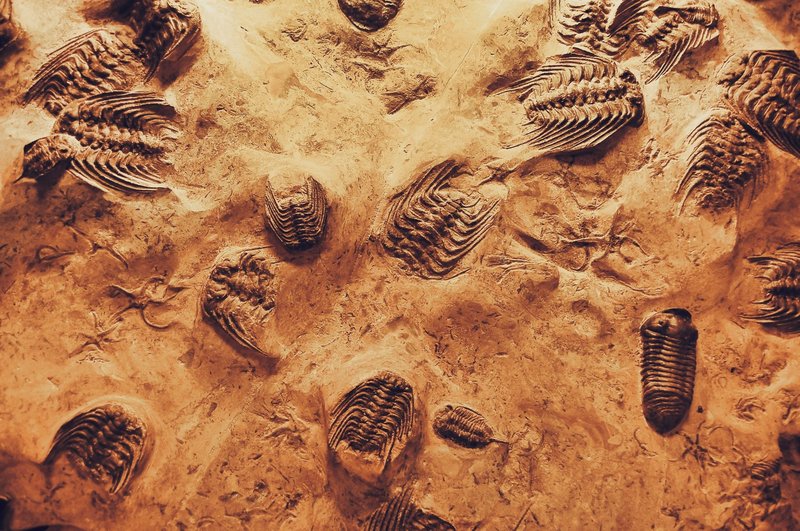
In 2000, a road crew near Gray cut into what turned out to be a 5-million-year-old sinkhole stuffed with fossils. Researchers from East Tennessee State University are still excavating it, and they’ve pulled out a short-faced bear, red pandas, and a whole tapir population. You can watch the lab work through glass, then wander into the attached children’s museum. One ticket now covers both the science center and the fossil site.
Open Tuesday–Saturday 10 a.m.–5 p.m. and Sunday 1–5 p.m., with Mondays added in March, June, and July. Admission is $11 for anyone 4 and up; kids 3 and under are free, and ETSU students and any teacher with a valid ID get in free. Best for ages 5–12, but the active dig holds adult attention too.
Creative Discovery Museum — Chattanooga
A children’s museum first and a science museum second, the Creative Discovery Museum is built for the under-12 set, with exhibits like the STEM Zone, Tennessee Riverplay, and a Little FarmHouse. The age range officially starts at 18 months, which tells you who this is for: families with toddlers and early-elementary kids who need to touch everything.
Adult admission is around $18. Best for ages 18 months through 12. Older kids and teens will likely outgrow it.
McClung Museum of Natural History & Culture — Knoxville
Sitting on the University of Tennessee campus, the McClung is the free wildcard on this list. Its “Geology and Fossil History of Tennessee” exhibit walks you through the state’s deep past, and the collections span paleontology, archaeology, and regional culture. No admission fee, which makes it the obvious rainy-day or homeschool stop if you’re anywhere near Knoxville.
Free admission. Works for all ages, though the appeal skews toward kids who already like rocks, bones, and history.
Middle Tennessee
Middle Tennessee is anchored by Nashville’s Adventure Science Center, the largest hands-on science museum in the state, plus a smaller discovery center down in Murfreesboro for the younger crowd.
Adventure Science Center & Sudekum Planetarium — Nashville
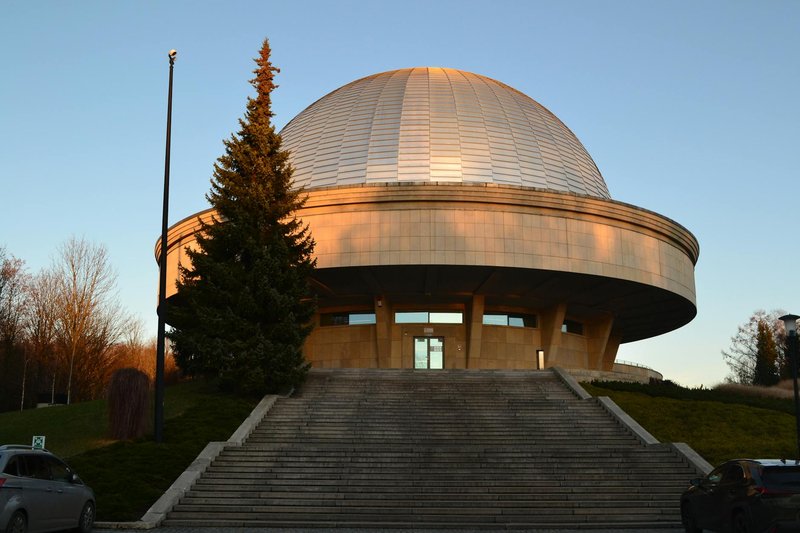
This is the heavy hitter. Three floors of hands-on exhibits on the body, space, energy, and physics, topped by the Sudekum Planetarium under a 63-foot dome that runs star shows, laser shows, and the occasional concert. There’s a tradeoff worth knowing: you can show up after 3 p.m. and buy a 3:30 planetarium ticket without paying general admission, and most evening laser shows skip the museum fee entirely.
Current hours are Monday, Thursday, and Friday 9 a.m.–3 p.m., and Saturday–Sunday until 5 p.m., closed Tuesday and Wednesday. Summer Fridays (early June through July) extend to 5 p.m. Adult admission is roughly $23. Best for ages 4–12, but the planetarium plays to everyone.
Discovery Center — Murfreesboro
The Discovery Center at Murfree Spring pairs an indoor children’s museum with a 20-acre wetland outside, so it’s part science center and part nature walk. Hands-on exhibits aimed at toddlers and elementary kids sit a short walk from boardwalks where you can spot herons and turtles in the marsh.
Adult admission is around $10. Best for ages 10 and under.
West Tennessee
West Tennessee is essentially Memphis, and Memphis means MoSH — the museum formerly known as the Pink Palace.
Museum of Science & History (MoSH) — Memphis
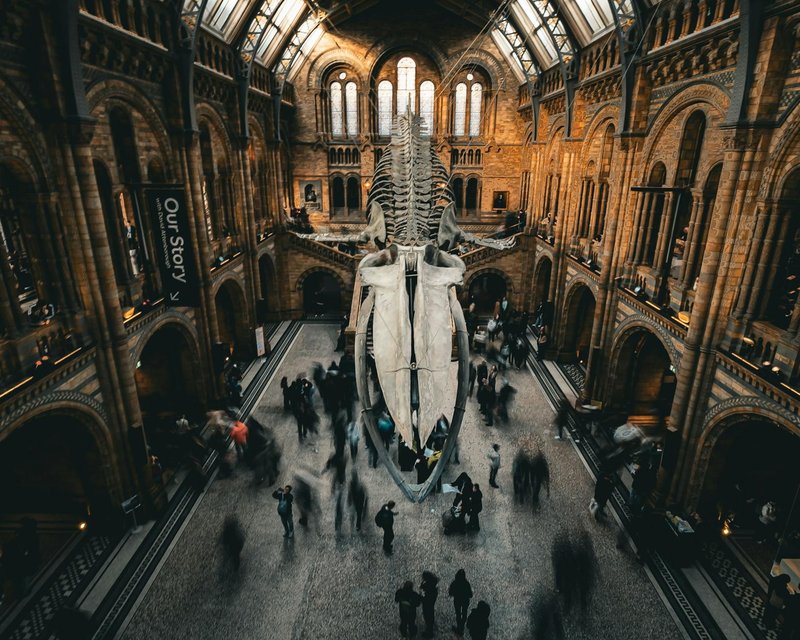
The 1920s pink-marble mansion gave MoSH its old nickname, but the science lives inside: towering mastodons, a giant mosasaur, rare minerals, and prehistoric fossils, plus the Sharpe Planetarium and its 145-seat theater-in-the-round. It’s the most complete natural-history-plus-planetarium package in the western half of the state.
Admission and hours vary by exhibit and ticket type, so check the MoSH site before you go. Best for all ages, with the planetarium and the big skeletons doing the heavy lifting for younger visitors.
FAQ
Which Tennessee science museum is best for young kids? For toddlers through early elementary, the Creative Discovery Museum in Chattanooga and the Discovery Center in Murfreesboro are built specifically for that age. For ages 5 and up, the Gray Fossil Site adds a real working dig that keeps older kids engaged.
Are there any free science museums in Tennessee? Yes. The McClung Museum on the University of Tennessee campus in Knoxville is free to everyone, which makes it a strong homeschool and rainy-day option.
Where can I see a planetarium show in Tennessee? Two main spots: the Sudekum Planetarium inside Nashville’s Adventure Science Center (63-foot dome, plus laser shows) and the Sharpe Planetarium inside MoSH in Memphis (145-seat theater-in-the-round). Both sometimes sell planetarium tickets separately from general admission.
What’s the most unusual science museum in the state? A tie. The American Museum of Science & Energy in Oak Ridge offers Manhattan Project history and bus tours to the original wartime sites, and the Gray Fossil Site lets you watch paleontologists excavate a 5-million-year-old sinkhole in real time. Neither has a real equivalent elsewhere in Tennessee.
Can I do more than one in a single trip? In East Tennessee, yes. Oak Ridge, Knoxville’s McClung, and the Gray Fossil Site sit within easy driving distance of each other, and Chattanooga is a reasonable add-on. Memphis and Nashville are stand-alone day trips on opposite ends of the state.