British Columbia sits on top of one of the most mineral-rich slices of crust in North America, and it shows up in two very different conversations. One is about money: BC is Canada’s largest producer of copper and the country’s only producer of molybdenum, feeding a mining sector worth billions a year. The other is about a weekend with a rock hammer and a riverbed, where what you’re after is nephrite jade, agate, or a thumbnail garnet you found yourself.
Most guides pick one of those conversations and ignore the other. This one covers both — what the province pulls out of the ground at industrial scale, where those deposits sit geologically, and where you can legally go collect the pretty stuff yourself.
Table of Contents
- The short version
- BC’s key minerals at a glance
- Why BC has so many minerals
- Where the deposits are, by region
- Critical minerals: the next chapter
- Gemstones and rockhounding in BC
- The economic picture
- FAQ
The short version
BC’s mineral economy runs on a handful of heavy hitters: copper, gold, silver, zinc, molybdenum, and metallurgical coal. Copper is the headliner — the province produces more of it than any other in Canada, mostly from large open-pit porphyry mines in the south-central interior.
For collectors, the prize is nephrite jade, which BC produces in world-leading quantity, plus agate, jasper, quartz, garnet, and rhodonite (the official provincial mineral emblem). You can rockhound legally across large parts of the province, but not in parks, claimed ground, or private land without permission.
The rest of this guide breaks both halves down.
BC’s key minerals at a glance
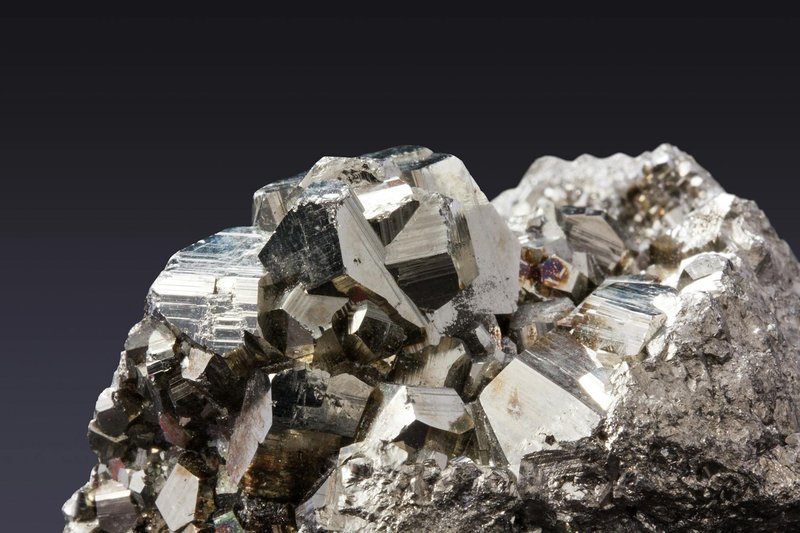
Here’s the working list of what BC produces at scale, what it’s used for, and a sense of where it ranks.
| Mineral | Main uses | BC’s position |
|---|---|---|
| Copper | Wiring, electronics, construction, EVs | Canada’s #1 producer |
| Gold | Investment, jewelry, electronics | Major producer, often a byproduct of copper mines |
| Silver | Electronics, solar panels, jewelry | Significant producer |
| Zinc | Galvanizing steel, alloys, batteries | Notable producer |
| Molybdenum | Steel alloys, high-temperature parts | Canada’s only producer |
| Lead | Batteries, radiation shielding | Produced alongside zinc |
| Metallurgical coal | Steelmaking (not power) | Among Canada’s largest sources |
A detail worth pausing on: most of BC’s gold and silver isn’t mined for its own sake. It comes out as a byproduct of the big copper operations, where the ore body happens to carry precious metals alongside the copper. That’s why a “copper mine” in BC often reports gold and silver in its output too — the geology bundles them together in porphyry deposits.
Metallurgical coal is the other thing people get wrong. It’s not the coal that gets burned in power plants. It’s the coal that gets baked into coke and used to make steel, and BC’s southeast corner is one of the better sources of it on the continent. The distinction matters because the markets, the buyers, and the future demand curves are completely different.
Why BC has so many minerals
The province is essentially a collage of crust. Over hundreds of millions of years, chunks of ocean floor, volcanic island arcs, and microcontinents drifted east across the Pacific and slammed into the edge of ancient North America. Geologists call these accreted pieces terranes, and BC is stitched together from a dozen or more of them.
Each collision did two useful things. It crumpled and faulted the rock, opening pathways for hot mineral-rich fluids to move. And it drove magma upward, which is where porphyry copper deposits come from — large bodies of cooling rock that concentrate copper, molybdenum, and gold as they crystallize. The same tectonic violence that built the mountains also brewed the ore.
That’s also why the minerals aren’t spread evenly. They track the old plate boundaries and volcanic belts, which is what makes a region-by-region breakdown actually useful instead of arbitrary.
Where the deposits are, by region
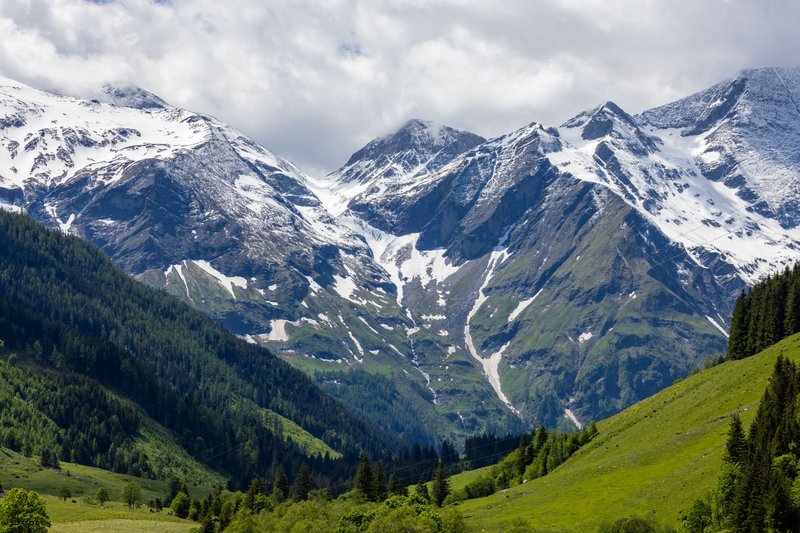
BC’s mineral geography roughly follows its mountain belts, running northwest to southeast.
South-central interior (Thompson-Okanagan and Cariboo). This is copper country. The big porphyry mines cluster here, around Kamloops, Logan Lake, and the area south toward Princeton. Highland Valley, near Logan Lake, is one of the largest open-pit copper mines in the country. If you picture BC mining, you’re probably picturing this region.
Southeast (Kootenays). Historically the heart of BC’s lead-zinc-silver mining, anchored for over a century by the deposit at Kimberley. The far southeast, around the Elk Valley, is also the metallurgical coal belt.
Northwest (the “Golden Triangle”). A stretch of rugged terrain near the Alaska panhandle that’s earned its nickname through gold, silver, and copper deposits. It’s remote, glaciated, and has seen renewed exploration as glaciers retreat and expose fresh ground.
Central and north. Scattered copper-gold porphyry deposits and a long history of placer gold — the loose gold in stream gravels that touched off the Cariboo Gold Rush in the 1860s. Placer ground is also where a lot of recreational gold panning still happens today.
For a deeper look at how these resources map onto BC’s geography, the OpenTextBC geography text walks through the province’s natural resources region by region.
Critical minerals: the next chapter
The phrase “critical minerals” gets thrown around a lot, and it has a specific meaning: minerals essential to modern technology and energy systems, where supply is concentrated or at risk. Think batteries, magnets, and the electrical grid.
BC already produces several minerals on Canada’s critical list — copper and molybdenum chief among them — and is actively exploring for others, including the metals that go into EV batteries and electronics. Copper alone is arguably the most important critical mineral BC has, because electrifying transport and the grid takes staggering amounts of it. An electric vehicle uses several times the copper of a gas car.
The province has leaned into this. The Government of Canada’s critical minerals list names the minerals considered strategically important, and a healthy share of them either come out of BC now or are being explored for across the interior and north.
Gemstones and rockhounding in BC
Now the fun part. You don’t need a mining permit to enjoy BC’s minerals — plenty of them are sitting in creek beds and roadcuts waiting for anyone with a hammer and patience.
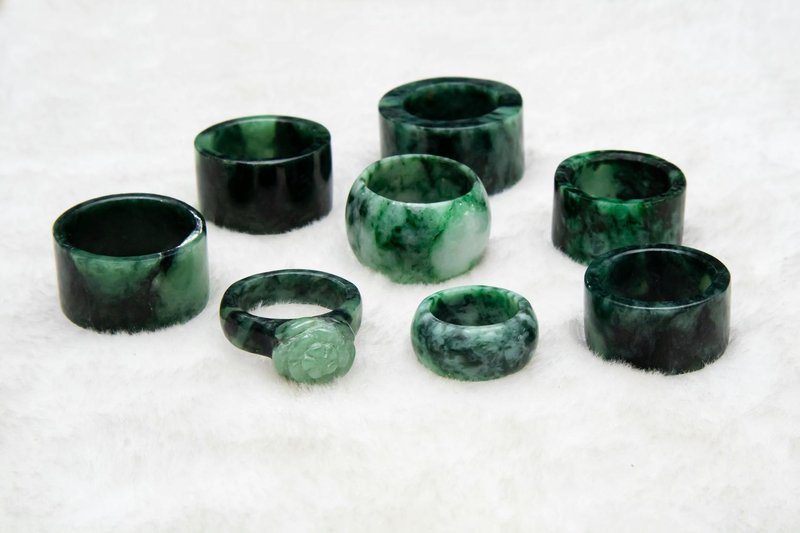
Nephrite jade. This is BC’s claim to fame for collectors. The province is one of the world’s leading sources of nephrite, the tough green jade prized for carving. The big deposits are in the north and central interior, around the Cassiar and Dease Lake areas, where commercial jade operations work boulders the size of cars. Smaller pieces turn up in rivers downstream.
Rhodonite. A pink-to-red manganese mineral and BC’s official mineral emblem. Salt Spring Island has a well-known historic occurrence, and it shows up elsewhere in the province as well.
Agate and jasper. Banded and colorful, these are the bread-and-butter finds for casual rockhounds. River gravels and beaches across the interior and the coast produce them, with the Fraser, Thompson, and Similkameen river systems being classic hunting grounds.
Quartz crystals. Found in veins and pockets throughout the mineralized belts, from clear rock crystal to smoky and amethyst varieties.
Garnet. Small red garnets weather out of certain metamorphic rocks, sometimes concentrated enough in stream sands to spot with the naked eye.
Placer gold. Not a gemstone, but the original collectible. Recreational panning is permitted in designated areas, and the Cariboo and Fraser systems still give up flakes to patient panners.
Where you can legally collect
This is the part that trips people up. The right to collect depends entirely on the land status, not the rock.
- Mineral claims. Much of BC’s promising ground is staked under active mineral claims. Collecting on someone else’s claim without permission is off-limits — the claim holder owns the right to the minerals.
- Provincial and national parks. Removing rocks, minerals, or fossils from parks is prohibited. Full stop.
- Crown land that’s unclaimed. This is generally where casual rockhounding is allowed, within the limits of the Mineral Tenure Act and recreational rules.
- Private land. Always get the owner’s permission first.
Before you go, check claim status through BC’s Mineral Titles Online system and confirm you’re not inside a park boundary. A free-use placer rule lets people pan recreationally in some areas, but the boundaries are specific. When in doubt, the safe move is to ask a local rockhounding club — most regions have one, and they know exactly which creeks are open.
For a detailed alphabetical rundown of collectible gemstone species across the province, the Canadian Institute of Gemmology’s BC gemstone guide is the standard reference.
The economic picture
Mining is a genuine pillar of BC’s economy, not a footnote. The sector generates billions of dollars in annual production value, supports tens of thousands of direct and indirect jobs, and is one of the larger sources of export revenue in the province. Copper and metallurgical coal trade off as the top earners depending on the year and commodity prices.
What makes BC’s position interesting going forward is the overlap between what it already mines and what the energy transition demands. Copper, molybdenum, and several battery and electronics metals all sit in the province’s geology. A world building out grids, wind turbines, and EVs needs exactly those metals — which is why exploration spending in BC has stayed strong even through soft commodity cycles. The Mining Association of BC publishes regular figures on the sector’s output and employment if you want the current numbers.
FAQ
What is the most important mineral mined in British Columbia? Copper, by value and volume. BC is Canada’s largest copper producer, mostly from open-pit porphyry mines in the south-central interior. Gold and silver are often recovered alongside it.
Can you find gold in BC? Yes. BC has both hard-rock gold (often within copper deposits) and placer gold in stream gravels. Recreational gold panning is allowed in designated areas, with the Cariboo and Fraser river systems being historic hotspots.
Where can I find jade in British Columbia? The major nephrite jade deposits are in the north and central interior, around the Cassiar and Dease Lake regions. BC is one of the world’s leading sources of nephrite jade.
Is rockhounding legal in BC? On unclaimed Crown land, generally yes, within recreational limits. It’s prohibited in parks, on active mineral claims, and on private land without permission. Always check claim status before collecting.
What is BC’s official mineral? Rhodonite, a pink-to-red manganese mineral. It’s found in several spots in the province, including a well-known historic occurrence on Salt Spring Island.
What’s the difference between BC’s metallurgical coal and regular coal? Metallurgical coal is used to make coke for steelmaking, not to generate electricity. BC’s southeast Elk Valley is a major source of it, and it serves entirely different markets than thermal (power-plant) coal.