
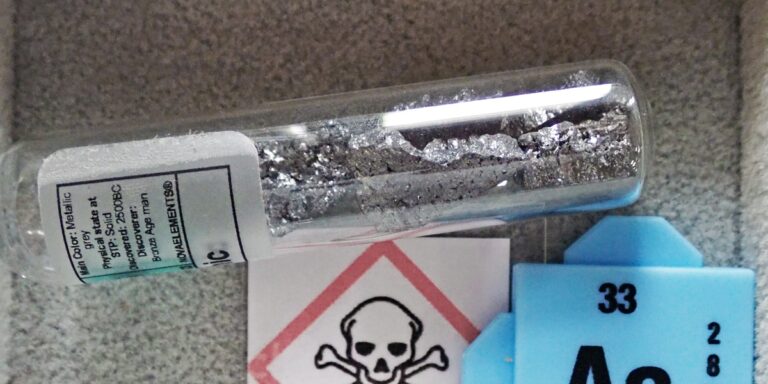
This post provides a comprehensive, tabulated reference of all 32 known arsenic isotopes. For each isotope we list mass number (A), measured half-life, and decay mode(s), with concise notes on notable isotopes — ideal for researchers, students, and professionals seeking quick, reliable data for environmental monitoring, medical contexts, and nuclear science.
Arsenic Isotopes: The Complete List
Continue reading
0 Comments
7 Myths and Misconceptions About Elements
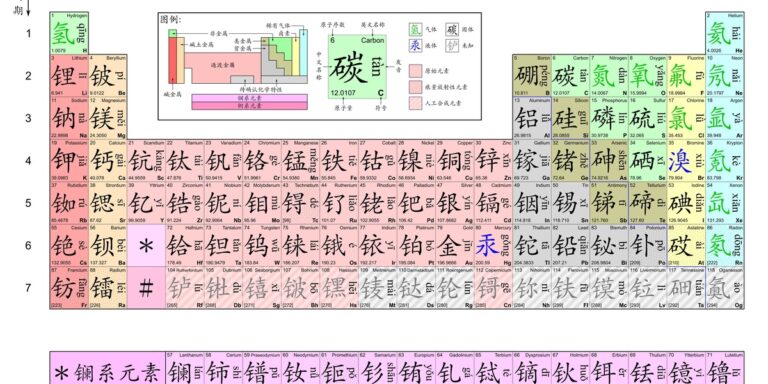
Unpack the 7 myths and misconceptions about elements that persist online and in classrooms. This hub debunks common falsehoods about chemical elements and the periodic table, linking to detailed posts that explain the real science behind each misconception.
Continue reading
0 Comments
List of Barium Compounds
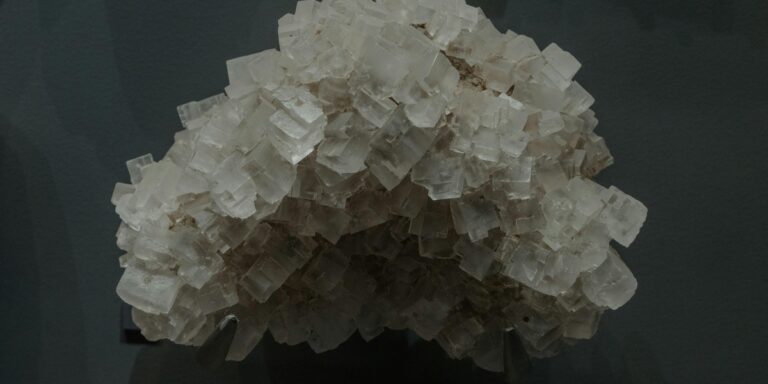
This comprehensive list covers 25 Barium Compounds, providing chemical formulas, CAS registry numbers, and concise common uses for each entry. Whether you’re a student, researcher, or industry professional, find quick reference details and practical application notes to identify and compare barium chemicals — ideal for study, lab work, procurement, or safety planning.
Continue reading
0 Comments

10 Uses of Mercury
This hub outlines 10 uses of mercury — historical and modern — covering applications in thermometers, dental amalgam, fluorescent lighting, gold extraction, scientific instruments, and more. Each use links to a detailed post explaining how mercury is applied, safety concerns, regulations, and alternatives so you can explore the topic in depth.
Continue reading
0 Comments
Types of Reaction Mechanisms
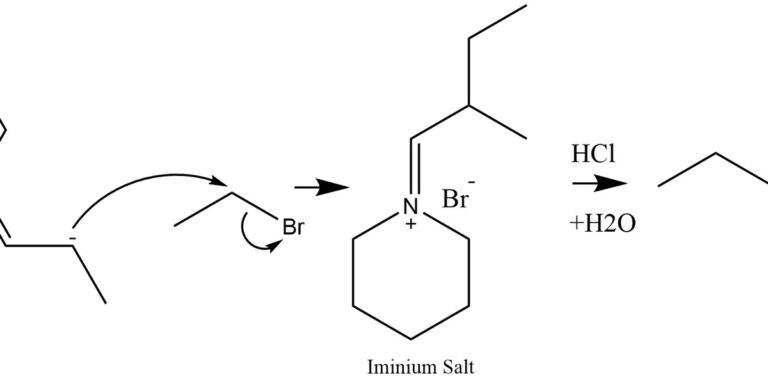
This post explains the major Types of Reaction Mechanisms used in organic and inorganic chemistry, from SN1/SN2 and E1/E2 to radical, pericyclic, and redox pathways. Each mechanism is described with key steps, typical reagents/conditions, and illustrative examples to help students and practitioners understand when and how reactions proceed.
Continue reading
0 Comments

7 Uses of Gadolinium
This hub outlines “7 Uses of Gadolinium,” highlighting its major applications—from MRI contrast agents and high-strength magnets to alloys, phosphors, and nuclear uses. Each numbered use links to a detailed article covering how it works, real-world examples, benefits, and safety considerations for students, researchers, and professionals.
Continue reading
0 Comments

List of Exothermic Reactions
A concise list of 26 common exothermic reactions with balanced equations, enthalpy values (ΔH in kJ/mol), and typical observable signs. Perfect for students, teachers, and chemistry enthusiasts who want clear, comparable examples of energy-releasing reactions from combustion and neutralization to metal oxidation.
Continue reading
0 Comments
List of Strontium Compounds
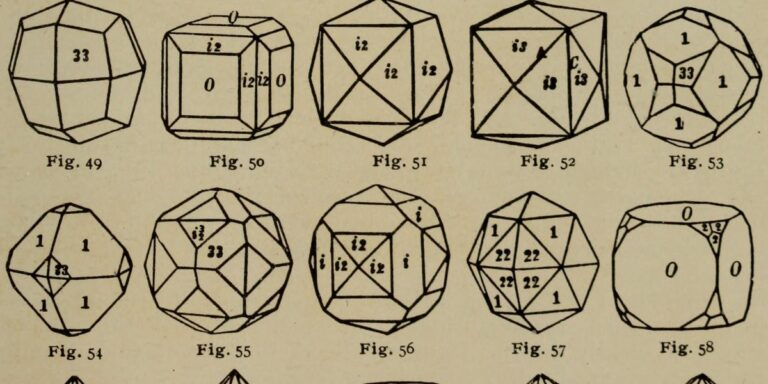
Explore a comprehensive list of 26 Strontium Compounds with their chemical formulas, CAS registry numbers, and water solubility at 20 °C. This quick-reference guide helps students, researchers, and lab technicians compare solubility data and identify common strontium salts for experiments and materials selection.
Continue reading
0 Comments

5 Uses of Astatine
Astatine is one of the rarest naturally occurring elements, but it has distinct roles in niche scientific and medical fields. This hub outlines five key uses — from targeted radiotherapy and radiochemistry to isotope production, laboratory research, and potential diagnostic tools — and links to in-depth articles explaining production, handling, benefits, and safety for each application.
Continue reading
0 Comments
8 Elements Technetium Reacts With
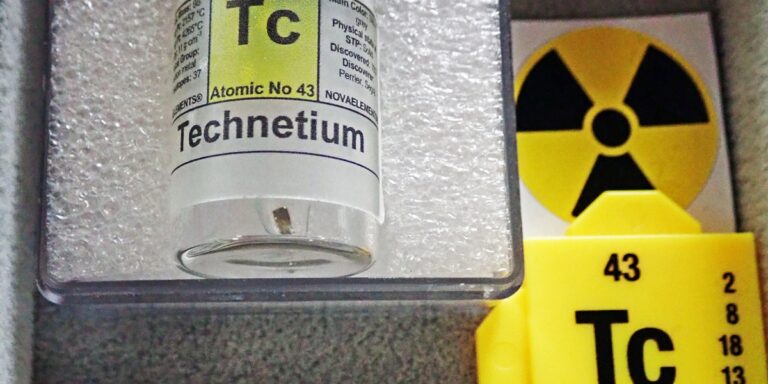
This hub post identifies the 8 elements technetium reacts with and links to in-depth posts on each reaction. Learn reaction types, conditions, mechanisms, safety notes, and the practical significance for inorganic and nuclear chemistry—ideal for students, researchers, and curious readers.
Continue reading
0 Comments