TLDR
Ghana’s economy runs on three commodities: gold, crude oil, and cocoa, which together account for roughly 80% of export earnings. Gold alone brought in about $11.6 billion in 2024 and jumped toward $20 billion in 2025, driven partly by a surge in small-scale mining. Oil, flowing since the Jubilee field came online in 2010, adds another chunk. Cocoa, once the undisputed top earner, has fallen to third place after production collapsed by more than half since 2021. Add bauxite, manganese, timber, diamonds, and some of West Africa’s most productive fishing waters, and you get a country with genuine mineral wealth — and a currency, a debt load, and an illegal mining crisis that show wealth alone doesn’t guarantee prosperity.
Table of Contents
- Gold: Still the Backbone of the Economy
- Oil and Gas: The Newcomer That Changed Everything
- Cocoa: The Original Cash Crop, Now Under Pressure
- Bauxite, Manganese, Diamonds, and Timber
- Fisheries and Arable Land
- How the Resources Stack Up
- Galamsey: The Illegal Mining Crisis
- The Resource Curse: Rich in Resources, Still Struggling
Ghana doesn’t have one signature resource. It has a portfolio — gold in the ground, oil offshore, cocoa on the trees, timber in the southern forest belt, and fish in Lake Volta and the Gulf of Guinea. What’s changed in the last two decades isn’t the list of resources. It’s the order of importance, and the size of the numbers attached to each one.
Gold: Still the Backbone of the Economy
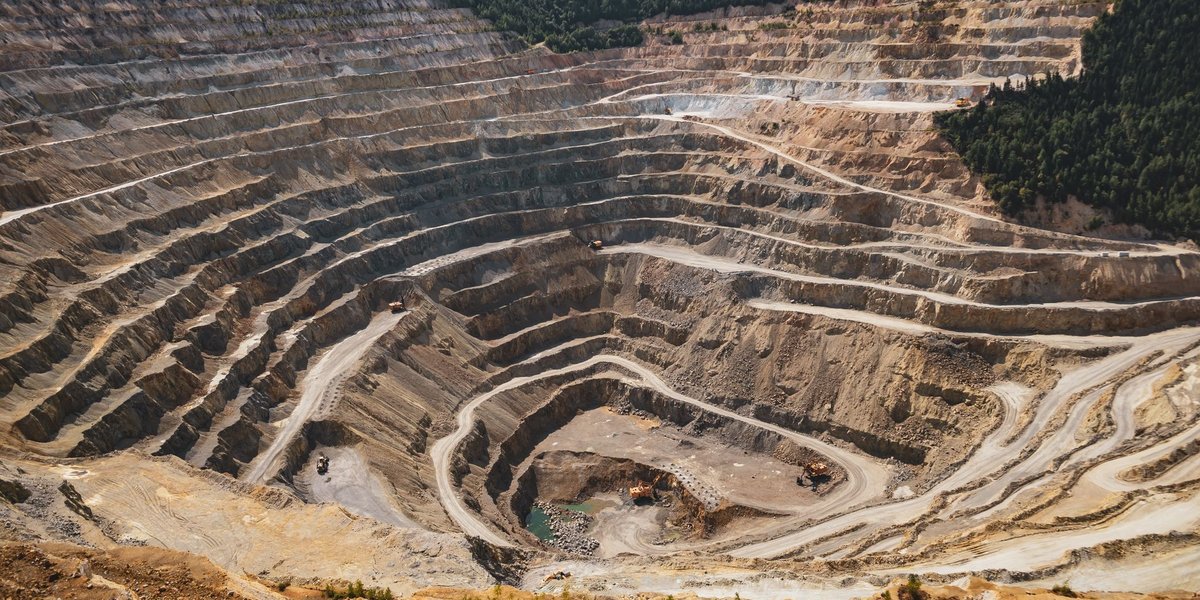
Gold isn’t just Ghana’s top export — it’s not close. Gold bullion pulled in an estimated $11.6 billion in 2024, up 53% from the year before, and by some 2025 tallies earnings nearly doubled again toward the $20 billion mark. That single commodity now accounts for more than half of the country’s total export revenue and close to 90% of all mineral export earnings combined.
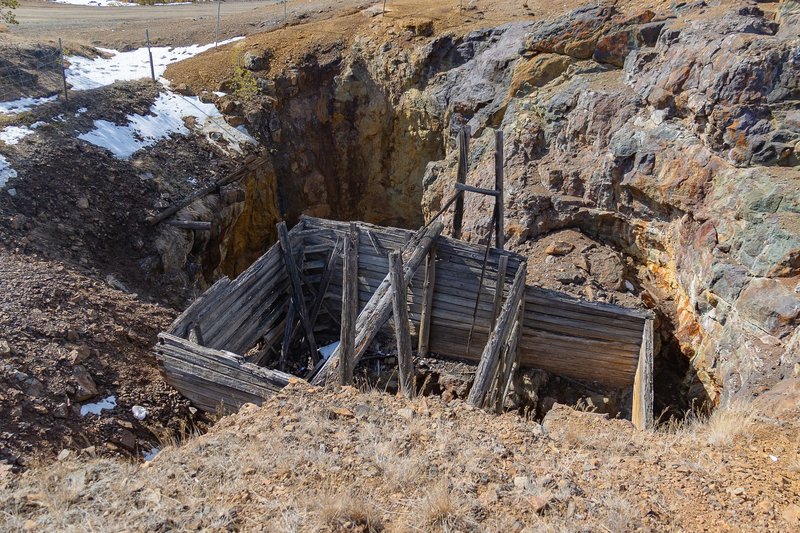
What’s driving the jump isn’t just price. Ghana produced about 4.8 million ounces of gold in 2024, up from 4.0 million the year before, and a meaningful share of that came from small-scale and artisanal operations rather than the large multinational mines around Obuasi, Tarkwa, and the Ashanti belt. Artisanal output alone reportedly crossed 150 tonnes in 2024, up from around 120 tonnes in 2023 — and that boom carries its own cost, which the galamsey section below gets into.
Ghana has been a gold producer since the colonial era, when the country was literally named the Gold Coast on European maps. What’s different now is the scale: this is Africa’s leading gold producer, ahead of South Africa, on the back of a price environment that’s made even marginal small-scale operations profitable.
Oil and Gas: The Newcomer That Changed Everything
Ghana didn’t have a commercial oil industry until 2010, when the offshore Jubilee field started producing. That’s recent enough that plenty of working-age Ghanaians remember a national economy that didn’t include petroleum at all.
Jubilee sits in the Tano Basin off the western coast, with proven reserves estimated around 3 billion barrels. The nearby Tweneboa-Enyenra-Ntomme (TEN) field came online in 2016. Combined, Jubilee and TEN were producing roughly 107,500 barrels of oil per day as of 2024 — not a huge number by OPEC standards, but enough to make crude petroleum Ghana’s second-largest export category, worth close to 18% of total export earnings.
The government extended both fields’ licenses out to 2040, which tells you the state is betting on oil remaining a fixture of the budget for at least another generation. That’s a bet with real fiscal weight: oil revenue funds a meaningful share of public infrastructure spending, and swings in crude prices show up directly in Ghana’s budget deficit.
Cocoa: The Original Cash Crop, Now Under Pressure
For most of the 20th century, cocoa was Ghana’s economic identity — the crop that built the country’s early infrastructure and gave it, alongside Côte d’Ivoire, control of roughly a quarter of global supply. Ghana remains the world’s second-largest cocoa producer and exporter.
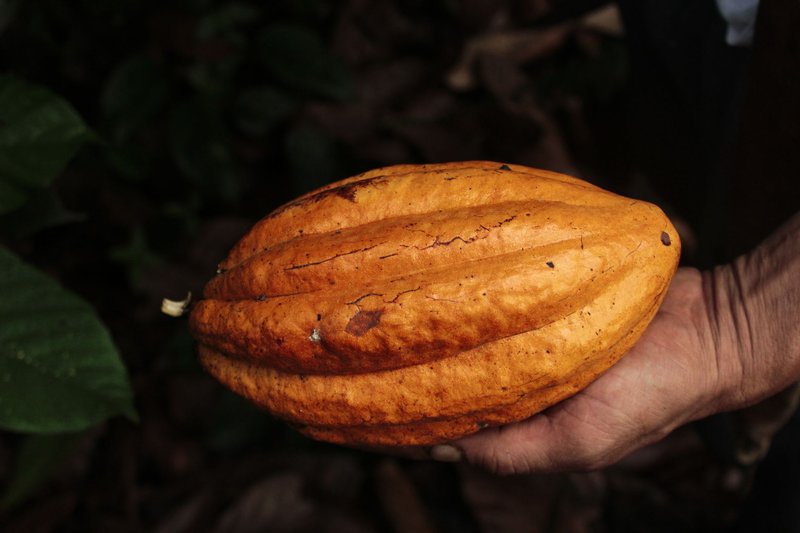
But the crop is having a rough stretch. Production collapsed from more than one million metric tonnes in 2021 to just over 500,000 tonnes in 2024 — a drop of more than half in three years. Export revenue followed it down: 2024 cocoa earnings landed around $1.7 billion, the lowest in 15 years, a 25% decline in a single year. Cocoa beans and paste now make up roughly 8% of total export revenue, a distant third behind gold and oil.
The causes stack on top of each other: aging tree stock, swollen shoot virus, erratic rainfall, and smuggling of beans across the border to Côte d’Ivoire and Togo where farmers can sometimes get a better price. Galamsey plays a role here too — mining pits have swallowed cocoa farmland in the Western and Ashanti regions, land that won’t produce a bean again without years of remediation.
Bauxite, Manganese, Diamonds, and Timber
Gold, oil, and cocoa get the headlines, but Ghana’s resource base runs deeper than the big three.
Bauxite deposits sit mainly around Awaso and Nyinahin, the raw material for aluminum. Ghana has talked for decades about building a full aluminum value chain — smelting bauxite into alumina and then aluminum domestically rather than exporting raw ore — but the country still ships most of it out unprocessed.
Manganese comes almost entirely from the Nsuta mine in the Western Region, one of the oldest continuously operated manganese mines in the world, running since 1916. Ghana remains one of Africa’s top manganese producers, feeding steel industries that need it as an alloying agent.
Diamonds, mined mostly around Akwatia in the Eastern Region, were once a bigger story — Ghana was a notable industrial diamond producer through the mid-20th century. Output has declined sharply as easily accessible alluvial deposits have thinned out.
Timber comes from the forest belt across the southern third of the country, where species like odum, mahogany, and wawa have supported an export furniture and lumber industry for generations. Deforestation from both logging and galamsey has shrunk that forest cover substantially over the past few decades, and the government has restricted raw log exports to try to preserve what’s left and push processing onshore.
Fisheries and Arable Land
Lake Volta, one of the largest artificial lakes in the world by surface area, supports a freshwater fishing industry that feeds inland communities far from the coast. Along the Gulf of Guinea, Ghana’s marine fisheries supply tuna, sardinella, and other coastal catches, though overfishing and competition from foreign trawlers have squeezed local fishing communities in recent years.
Ghana’s arable land, concentrated in the middle and northern belts, grows the staples that don’t show up in export statistics but matter more to daily life than gold ever will: cassava, plantain, maize, and yam. Oil palm cultivation has also expanded, both for domestic cooking oil and as a smaller export crop.
How the Resources Stack Up
| Resource | Main Region | Share of 2024 Export Revenue |
|---|---|---|
| Gold | Ashanti, Western, Eastern regions | ~55% |
| Crude oil & gas | Offshore Tano Basin (Jubilee, TEN) | ~18% |
| Cocoa | Ashanti, Western, Brong-Ahafo | ~8% |
| Bauxite | Awaso, Nyinahin | Small, mostly unprocessed |
| Manganese | Nsuta (Western Region) | Small, steady |
| Timber | Southern forest belt | Declining, export-restricted |
| Diamonds | Akwatia (Eastern Region) | Marginal, declining |
Three commodities — gold, oil, cocoa — account for roughly 80% of what Ghana sells abroad. Everything else in this list matters for jobs and local economies, but barely registers next to that trio.
Galamsey: The Illegal Mining Crisis
Galamsey — Ghana’s term for illegal, unregulated small-scale mining, from “gather them and sell” — has gone from a persistent nuisance to what officials and researchers now describe as a national emergency.
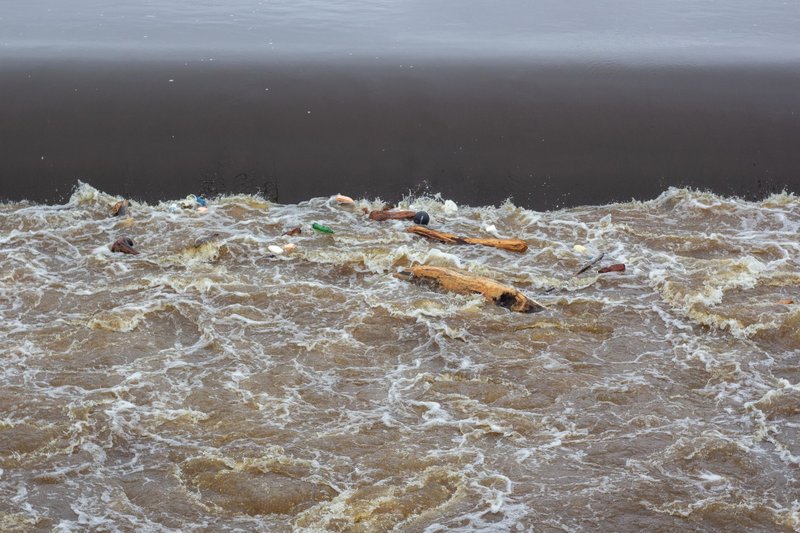
The mechanism is simple and brutal: unlicensed miners strip riverbanks and forest land looking for gold, using mercury and cyanide to separate metal from ore, then leave the chemical runoff to flow into whatever river happens to be nearby. Major waterways — the Pra, Ankobra, Birim, and Offin rivers among them — now show contamination levels for arsenic, cadmium, lead, and mercury that exceed World Health Organization safety limits in peer-reviewed water sampling studies. In January 2025, the water utility serving the Tarkwa-Nsuaem area shut down a treatment plant entirely because pollution from galamsey activity on the River Bonsa had made the water unsafe to process — cutting off a water supply that serves more than 200,000 people.
The recent gold price surge made things worse, not better. When gold approached record highs in late 2024 and 2025, it pulled more people into illegal mining rather than fewer, since even marginal, poorly-equipped operations became profitable. Coverage from Al Jazeera’s reporting on the crisis describes entire farming communities abandoning cocoa and food crops for mining pits, betting on faster money over the season’s harvest.
Successive Ghanaian governments have declared crackdowns, deployed military task forces, and floated outright mining bans in forest reserves — none of which has stuck for long, partly because galamsey employs an estimated hundreds of thousands of people directly and indirectly in a country where formal job alternatives are scarce.
The Resource Curse: Rich in Resources, Still Struggling
Here’s the question that doesn’t get answered by a list of commodities: if Ghana has this much gold, oil, and cocoa, why does it keep ending up back at the IMF’s door?
The short answer is that resource wealth and broad-based prosperity aren’t the same thing, and economists have a name for the gap between them — the resource curse. Ghana turned to the IMF for a $918 million loan in 2015 to stabilize a currency and budget hammered by falling oil prices, and returned again in 2022–2023 for a larger program after a debt crisis that saw the country default on parts of its external debt. The IMF’s own case study on Ghana traces a pattern: resource-driven revenue booms fund government spending increases that outpace the revenue, then a commodity price dip or production hiccup exposes the gap.
Ghana hasn’t suffered the textbook version of the curse — classic Dutch disease, where resource exports inflate the currency so badly that every other industry becomes uncompetitive, hasn’t fully materialized here the way it did in some oil states. But milder symptoms show up anyway: an economy that leans on three commodities for 80% of its export income is an economy where a bad cocoa season or a gold price correction shows up in the national budget within months. Revenue from extractives hasn’t consistently translated into diversified manufacturing or the kind of institutional buildup that would insulate the country from the next commodity cycle. And galamsey — arguably the resource curse playing out at the community level — shows how resource abundance can just as easily destroy the agricultural land and clean water that would otherwise be part of the wealth, rather than adding to it.
None of that erases what Ghana actually has: real, substantial mineral, agricultural, and energy wealth, most of a continent’s worth of gold production, and a coastline and forest belt few countries can match. What it means is that the resources were never the hard part. What Ghana does with the revenue from them is the part still being worked out, budget cycle by budget cycle.