Type “endemic plants of Uruguay” into a search bar and almost every result quietly swaps in a different word: native. That swap matters. A native plant grows here naturally but also turns up across the border in Argentina or Brazil. An endemic plant grows here and nowhere else on Earth — pull it out of Uruguay and the species is gone from the planet. Most “native plants of Uruguay” lists never make that distinction, which is how you end up with 38-row tables that are mostly shared regional flora wearing the endemic label.
So here’s the honest version. Uruguay is not a hotspot of endemism, and that’s the whole story. It’s a small, flat, grassland-dominated country with no mountain ranges to isolate populations and no ancient islands to breed unique lineages. What endemics it does have are a short, specific, fascinating list — and they’re concentrated in one surprising place: cacti clinging to the country’s few rocky hills.
Table of Contents
- Endemic vs. native: why the difference matters
- The endemic species table
- Uruguay’s endemic cacti
- Beyond cacti: mosses and other specialists
- The grassland context
- What’s threatening them
- The honest bottom line
Endemic vs. native: why the difference matters {#endemic-vs-native}
Native means “occurs here naturally, without human introduction.” Endemic means “occurs here and only here.” Every endemic plant is native, but the vast majority of native plants are not endemic.
Uruguay sits in the middle of a broad biogeographic zone — the Río de la Plata grasslands and the Pampas — that it shares with northeastern Argentina and southern Brazil. A ceibo tree (Erythrina crista-galli, Uruguay’s national flower) grows happily across all three countries. It’s native. It’s not endemic. The same goes for most of the ombú, the pampas grass, the native willows and acacias that fill those “native plants” listicles.
Endemism needs a barrier — something that isolates a population long enough for it to become its own species. Mountains do it. Islands do it. Uruguay has neither. What it has instead are scattered outcrops of granite and basalt, the cerros and serranías, and on those hard, dry, well-drained rocks, a handful of cacti evolved into species that exist on these hills and no others.
The endemic species table {#endemic-table}
A realistic shortlist of plants genuinely endemic — or very nearly so — to Uruguay. “Near-endemic” flags species whose range barely spills past the border or whose status is still under taxonomic review.
| Common name | Scientific name | Family | Habitat | Status |
|---|---|---|---|---|
| Werdermann’s ball cactus | Parodia werdermanniana | Cactaceae | Rocky hills, granite outcrops | Endemic; threatened |
| Cantera’s prickly pear | Opuntia canterae | Cactaceae | Rocky grassland, outcrops | Endemic; assessed Endangered (EN) |
| Sword-leaf ball cactus | Wigginsia gladiata | Cactaceae | Dry rocky terrain | Endemic / near-endemic |
| Frailea cacti (several) | Frailea spp. | Cactaceae | Rock crevices, thin soil | Several Uruguay-restricted taxa |
| Herter’s peat moss | Sphagnum herteri | Sphagnaceae | Wetlands, bogs | Endemic; localized |
That’s the core of it. Notice the pattern — four of five are cacti, and every one is tied to rock or specialized wetland. This isn’t a coincidence; it’s the entire mechanism of Uruguayan endemism. Plants aren’t the only group that follows it either; a broader survey of the endemic species of Uruguay shows the same scattered, habitat-bound pattern playing out across the country’s fauna too.
Uruguay’s endemic cacti {#endemic-cacti}
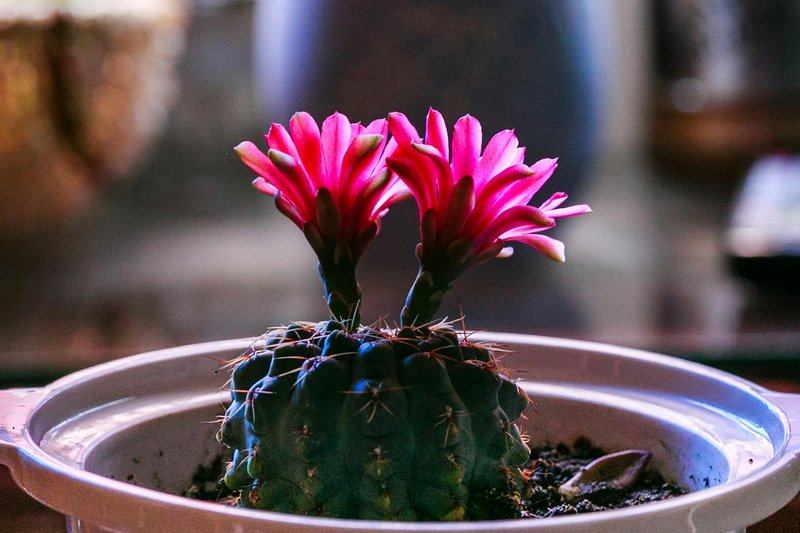
If Uruguay has a botanical signature, it’s the small ball cactus tucked into a granite crevice on a windswept hill. These are the country’s real endemics.
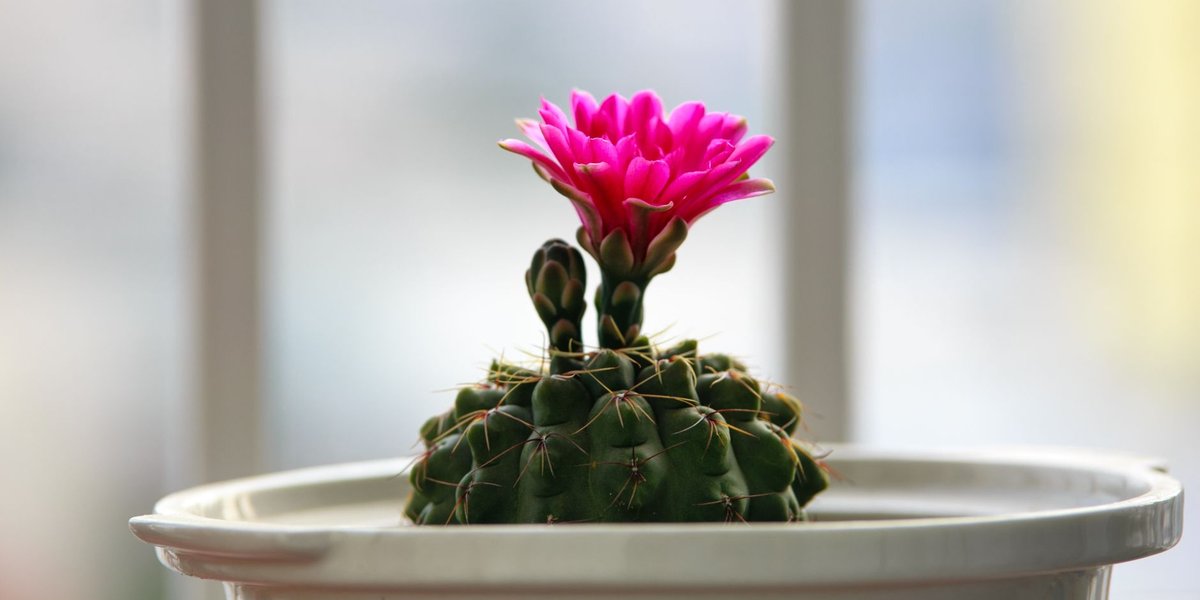
Parodia werdermanniana is the one most often cited as the endemic cactus of Uruguay. It’s a globular, ribbed cactus, generally small, with dense spines and large pale-yellow flowers that open in summer. It grows on rocky hillsides and granite outcrops where competition from grasses is thin and drainage is fast. Populations are localized, which is exactly what makes a species both special and vulnerable.
Opuntia canterae is a prickly pear endemic to Uruguay — and a good example of why this list keeps shifting. For years it was lumped in with the widespread Opuntia elata. A 2020 taxonomic reassessment separated it back out as a distinct species, distinguished by its elliptic-to-oblanceolate stem segments, conical flower buds, and long club-shaped fruits that ripen purple-red. The same study provisionally assessed it as Endangered (EN) under IUCN criteria, while noting more fieldwork is needed to pin the status down. Its flowers run deep orange to yellow from late spring through summer.
Wigginsia gladiata and several Frailea species round out the rocky-outcrop endemics. The Frailea genus in particular includes some of the smallest cacti in the Americas — golf-ball-sized plants that flower only briefly, and that frequently self-pollinate inside an unopened bud. Several taxa are restricted to Uruguay’s hill country, though the genus is taxonomically messy and species boundaries are still debated.
The takeaway: Uruguay’s endemism is a cactus story, and the cacti live where the grass can’t.
Beyond cacti: mosses and other specialists {#beyond-cacti}
Cacti aren’t the whole list. At the opposite end of the moisture spectrum, Sphagnum herteri is a peat moss described from Uruguay and tied to specific wetland and bog habitats. Peat mosses are habitat engineers — they acidify and waterlog the ground around them, building the very bogs they depend on — and a localized Sphagnum is a meaningful endemic precisely because those bogs are rare and easily drained.
Uruguay also hosts a documented assemblage of vascular epiphytes — plants that grow on other plants, like certain ferns, bromeliads, and orchids — that reach the southern edge of their range here. Most are shared with Brazil rather than strictly endemic, but several are threatened at the national level, sitting at the cold, dry margin of where epiphytes can survive at all. They’re worth watching even when they don’t make the strict-endemic cut.
The grassland context {#grassland-context}
To understand why endemism is low, look at what dominates the landscape: grass.
Roughly 80% of Uruguay is natural grassland — somewhere around 5.7 million hectares of campo. This is the South American expression of one of the planet’s most widespread vegetation types, and seeing where it fits among the world’s major grassland biomes helps explain why a country built on prairie behaves the way it does botanically. By one estimate the prairie holds about 2,000 species, including roughly 400 grasses. Across the whole country, curated datasets like Biodiversidata document over 1,600 vascular plant species in 160 families, representing a large share of the national flora, with sampling still incomplete in many regions.
Those are healthy numbers for richness. But richness and endemism are different things. Grasslands are open, continuous, and wind-pollinated — pollen and seed flow freely across hundreds of kilometers with nothing to stop them. That free flow is the enemy of endemism. It keeps populations genetically connected, which keeps them as one widespread species instead of splintering into local ones. Uruguay’s flora is broad and shared, not narrow and unique, and the geography explains why.
What’s threatening them {#threats}
The endemics here are fragile for the same reason they’re rare: tiny, localized populations have no margin for error.
- Agriculture and afforestation. Conversion of native grassland to soy, other crops, and commercial timber plantations (eucalyptus and pine) is the largest pressure on Uruguay’s flora. It removes habitat wholesale and fragments what’s left.
- Cattle ranching. Uruguay runs on beef, and overgrazing degrades grassland structure and the rocky margins where cacti hang on.
- Invasive species. Introduced grasses, shrubs, and trees outcompete slow-growing natives, especially in the disturbed edges around outcrops.
- Habitat specificity. A cactus that only grows on one type of granite outcrop, or a moss that only survives in undrained bog, can’t relocate. Lose the habitat and you lose the species — there’s no second population somewhere over the border to repopulate from.
The Endangered assessment for Opuntia canterae is the concrete example. A species that exists only in Uruguay, on a habitat type that’s actively being converted, with a population small enough that botanists say they need more fieldwork just to count it.
The honest bottom line {#bottom-line}
Uruguay’s list of true endemic plants is short, and pretending otherwise does the subject a disservice. The genuine endemics cluster in one place — cacti on rocky hills, plus a localized peat moss in the bogs — because those are the only spots where a flat, grass-covered, well-connected country manages to isolate a population long enough to breed something unique.
If you want the headline names, memorize three: Parodia werdermanniana, Opuntia canterae, and Wigginsia gladiata, with the Frailea cacti and Sphagnum herteri close behind. Everything else on those “native plants of Uruguay” lists is real, valuable, and worth protecting — it’s just shared with the neighbors. The endemics are the ones that vanish from Earth if Uruguay loses them, and they’re hiding on the rocks, not in the famous pampas grass.