Most “wildlife in Lesotho” articles will tell you about eland, jackal buzzards, and bearded vultures. All real, all worth seeing. None of them endemic. The animal you actually came here to learn about — the species you can’t find anywhere else on Earth — is a different and much shorter list, and it gets buried under safari brochure copy every single time.
So let’s draw the line clearly. A truly endemic species lives only inside one defined area and nowhere else. For Lesotho that bar is brutal, because the country sits entirely above 1,400 meters and most of its biodiversity is shared across the border with South Africa’s Drakensberg. A spiral aloe doesn’t check a passport. That’s why the honest answer involves a second category — near-endemics — and why nearly everyone gets this wrong.
Table of Contents
- The quick-reference table
- Why Lesotho breeds endemics
- The plants
- The mammals
- The fish: Lesotho’s one true icon
- Invertebrates and the overlooked endemics
- What about reptiles and amphibians?
- Endemic vs. near-endemic: why it matters
- The threats
The quick-reference table
If you want the bottom line before the details, here it is. “Endemic” means restricted to Lesotho; “near-endemic” means shared almost entirely with the adjacent Drakensberg highlands of South Africa.
| Species | Type | Endemism | Conservation status | Where to find it |
|---|---|---|---|---|
| Spiral aloe (Aloe polyphylla) | Plant | Endemic | Vulnerable | Steep basalt slopes, 2,200–2,500 m |
| Maloti minnow (Pseudobarbus quathlambae) | Fish | Endemic | Endangered | Upper tributaries of the Senqu/Orange River |
| Sloggett’s ice rat (Otomys sloggetti) | Mammal | Near-endemic | Least Concern | High-altitude rocky grassland |
| Drakensberg river frog (Amietia vertebralis) | Amphibian | Near-endemic | Least Concern | Cold mountain streams |
| Various Helichrysum and senecio species | Plants | Near-endemic | Mixed | Afro-alpine grassland |
That’s the short version. The longer version is where it gets interesting, because the reasons behind that list explain the whole country.
Why Lesotho breeds endemics
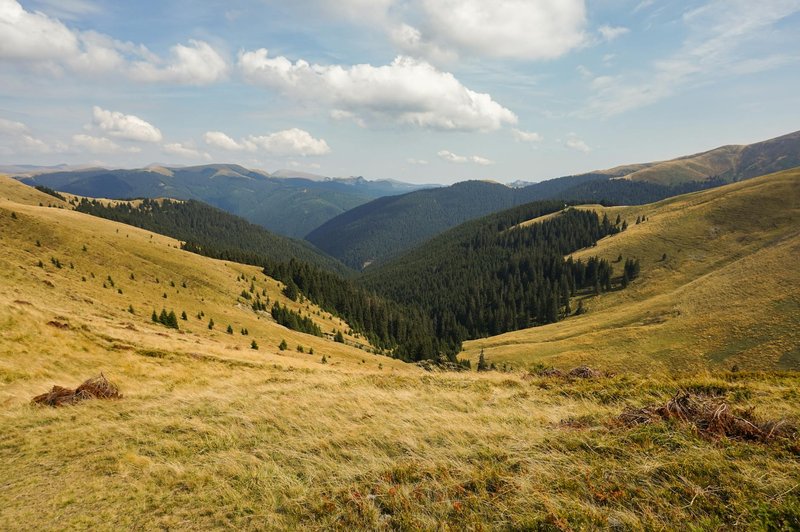
Endemism needs isolation, and Lesotho is isolated by altitude rather than by ocean. The entire country is high ground — the lowest point, where the Senqu River exits at Makhaleng, still sits around 1,400 meters, which is the highest “lowest point” of any country on the planet. Everything lives in a cold, thin-air world that the surrounding lowlands can’t replicate.
This sky-island effect is concentrated in what botanists call the Drakensberg Alpine Centre, one of southern Africa’s most important plant hotspots. Above roughly 2,800 meters you get true Afro-alpine conditions: frost most nights of the year, snow in winter, and a growing season squeezed into a few warm months. Plants and animals that adapted to that regime can’t easily move down into warmer valleys, and species from below can’t move up. Populations get stranded on the highlands like castaways, and over enough time they diverge into something found nowhere else.
The same logic that makes a Galápagos island full of unique finches makes the Maloti-Drakensberg full of unique aloes and minnows. The “island” is just made of altitude instead of water.
The plants
Lesotho’s endemism is, above all, a botanical story. The Drakensberg Alpine Centre holds well over 2,000 plant species, and a large share of them grow only in this high-altitude band straddling Lesotho and South Africa.
The undisputed star is the spiral aloe (Aloe polyphylla), Lesotho’s national plant and the one species pictured on tourism material that’s genuinely endemic. Its leaves grow in a perfect Fibonacci spiral, usually five rows curling either clockwise or counter-clockwise, and it refuses to grow well anywhere outside its narrow native range of cold, steep basalt slopes between roughly 2,200 and 2,500 meters. Gardeners worldwide have tried to cultivate it; most fail, because it wants near-freezing nights and sharp drainage that a flowerpot can’t fake. That difficulty is exactly why poaching from the wild remains a real threat — a smuggled plant sells for far more than a nursery-grown one.
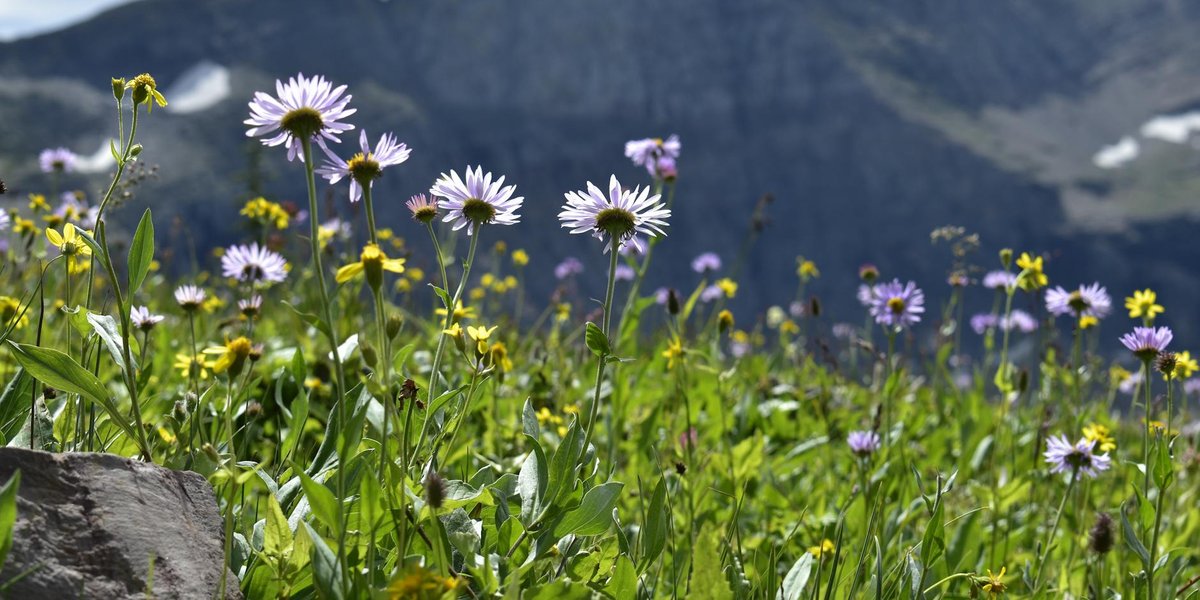
Beyond the aloe, the highlands carry clusters of endemic and near-endemic Helichrysum (the everlastings), high-altitude Senecio and Euryops daisies, and ground orchids adapted to the short alpine summer. These don’t make brochures, but they’re the bulk of what makes the region a recognized hotspot. The flashy aloe is the headline; the daisies and grasses are the actual story of why this place is special. Afro-alpine grassland is one of the world’s major grassland biomes, and this particular high-altitude variant is what gives Lesotho its outsized share of endemic flora.
The mammals
Here’s where the honest distinction earns its keep. Lesotho has no large mammal that’s strictly endemic — the famous highland animals like eland and grey rhebok range widely across southern Africa.
The closest you get is the Sloggett’s ice rat (Otomys sloggetti), a chunky, diurnal rodent that lives in colonies among the high rocks and is one of the few small mammals genuinely built for the Afro-alpine cold. It’s a near-endemic of the Lesotho–Drakensberg highlands, active in daylight when most rodents hide, and you’ll see it sunning on boulders along passes like Sani. It doesn’t hibernate; it just tolerates winters that would kill most of its relatives. Watch the rocks around any high pass on a sunny morning and you’ll likely spot one.
The other high-altitude small mammals — certain mole-rats and rock-dwelling rodents — follow the same pattern: near-endemic, shared with the South African side, shaped by the same cold. The takeaway is simple. If a “Lesotho endemic mammals” list hands you lions, leopards, or zebra, close the tab. None of those are endemic, and most aren’t even resident.
The fish: Lesotho’s one true icon
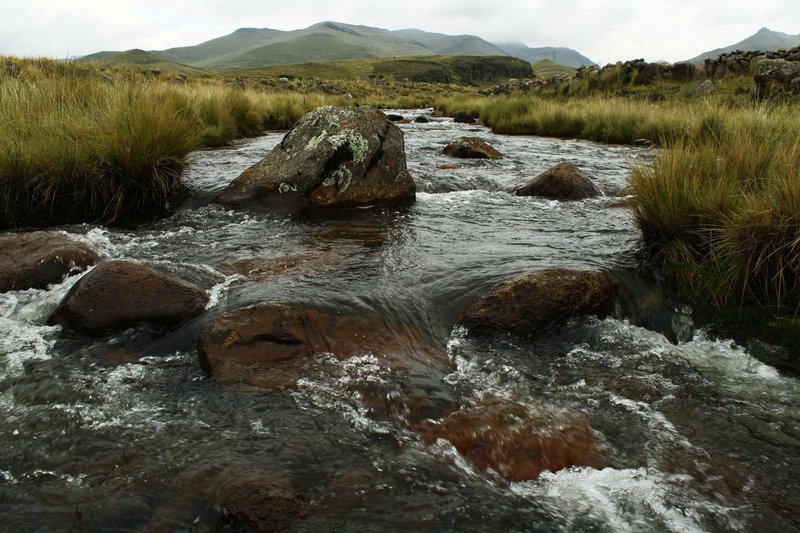
If the spiral aloe is the endemic plant, the Maloti minnow (Pseudobarbus quathlambae) is the endemic animal — and its story is genuinely strange. The species was first described from a single fossil-like specimen and was long thought extinct, until living populations turned up in cold, clear headwater tributaries of the Senqu (Orange) River in the 1970s.
It’s a small, unassuming fish, and it’s the only fish species endemic to Lesotho. That makes it one of the rarest freshwater fish in southern Africa and a flagship for the country’s aquatic conservation. Its problem is geography: it survives only in a handful of upper catchments, and those same catchments are prime real estate for dams. The Lesotho Highlands Water Project — the massive scheme that sells highland water to South Africa — directly overlaps the minnow’s home range, and managing that conflict has driven much of the species’ conservation planning. The IUCN Red List tracks it as endangered.
One fish. One country. A whole conservation program built around keeping a thumb-sized minnow alive while the rivers it needs are being engineered for export water. That tension is the most Lesotho story on this list.
Invertebrates and the overlooked endemics
The least-photographed endemics are probably the most numerous. High-altitude isolation produces unique invertebrates the same way it produces unique plants, and the Maloti-Drakensberg highlands hold their share of localized butterflies, beetles, and freshwater invertebrates restricted to these cold streams and grasslands.
Several Lepidoptera — alpine-adapted butterflies tied to specific host plants of the high grassland — are known only from this region. They rarely make any list because nobody runs a safari to see a butterfly. But in pure numbers, the small things almost certainly outnumber the charismatic ones, and they’re the hardest to protect precisely because they go uncounted.
What about reptiles and amphibians?
Short answer: there are no strictly endemic reptiles or amphibians confined to Lesotho’s borders, and this is one of the most common errors in tourism content.
The cold works against cold-blooded animals here. High altitude and hard winters limit reptile and amphibian diversity in general, and the species that do live in the highlands — like the Drakensberg river frog (Amietia vertebralis), a large frog whose tadpoles overwinter under ice in cold streams — are near-endemics shared with the adjacent South African highlands rather than Lesotho-only species. Impressive, well adapted, and absolutely worth knowing about. Just not endemic in the strict sense.
If accuracy is the goal, say it plainly: Lesotho’s frogs and lizards are highland specialists, but its true endemics are plants and one fish.
Endemic vs. near-endemic: why it matters
This distinction isn’t pedantry, and it’s the single thing most articles botch. Calling a near-endemic “endemic to Lesotho” misstates the conservation picture in both directions.
A truly endemic species like the Maloti minnow has its entire global fate decided inside Lesotho. If the country’s rivers fail it, the species is gone — no backup population anywhere else. A near-endemic like the ice rat or the river frog is buffered by populations across the South African border, which changes how urgent and how international the protection effort needs to be. Mislabel them and you either overstate Lesotho’s sole responsibility or understate the genuine, irreplaceable stakes of the real endemics.
The clean way to hold it in your head: endemic = found only in Lesotho (spiral aloe, Maloti minnow). Near-endemic = found in Lesotho and the immediately adjacent Drakensberg (ice rat, river frog, most of the alpine flora). Two categories, no fudging.
The threats
The pressures on Lesotho’s endemics are specific, not generic. Overgrazing tops the list — livestock is central to highland life, and heavy grazing degrades the exact Afro-alpine grassland the endemic plants and invertebrates depend on. The spiral aloe faces direct poaching for the horticultural trade, since wild plants outvalue cultivated ones. The Maloti minnow faces habitat alteration from water-transfer infrastructure and pressure from introduced trout, which eat and outcompete it.
Layered over all of it is climate change, which is uniquely cruel to sky islands. When the climate warms, lowland species can simply shift toward the poles or up a hillside. An Afro-alpine species already living at the top of the mountain has nowhere higher to go. The habitat doesn’t move with them — it just shrinks toward the summit and eventually disappears. For Lesotho’s endemic species, the high ground that created them is also the trap that could end them, and that’s the part no safari brochure will tell you.