From kitchen counters to cleanrooms, tiny suspended mixtures shape what we see, taste and breathe. Recognizing those systems helps cooks, engineers and health professionals predict stability, filtration and behavior in real situations.
There are 40 Colloids, ranging from Aerosolized viruses to Yogurt. For each entry, you’ll find below the columns Type,Dispersed phase/Medium,Particle size (nm) so you can compare phases and sizes at a glance — you’ll find below.
How can I tell a colloid from a true solution?
Look for visible scattering (the Tyndall effect), cloudiness or slow settling; colloids scatter light because their particles are typically in the 1–1000 nm range and don’t dissolve at the molecular level, while true solutions are transparent and have molecularly dissolved solutes.
Are some colloids, like aerosolized viruses, dangerous and how are they controlled?
Yes—biological aerosols can carry infectious agents, and risk depends on particle size, concentration and viability; mitigation focuses on ventilation, filtration (HEPA), masks and surface hygiene, while non-biological colloids are controlled by filtration, coagulation or altering pH/ionic strength depending on the application.
Colloids
| Name | Type | Dispersed phase/Medium | Particle size (nm) |
|---|---|---|---|
| Colloidal gold | solid sol | gold nanoparticles/water | 5-100 nm |
| Colloidal silver | solid sol | silver nanoparticles/water | 1-100 nm |
| Ink (pigment ink) | sol | pigment particles/solvent or water | 10-200 nm |
| Paint (pigment dispersions) | sol | pigment particles/binder and water | 10-500 nm |
| Smoke | aerosol | soot and ash particles/air | 5-500 nm |
| Urban smog (fine aerosol) | aerosol | mixed organics, soot and salts/air | 10-500 nm |
| Colloidal silica | sol | silica nanoparticles/water | 5-50 nm |
| Toothpaste (colloidal silica) | gel | silica particles/water and binders | 5-200 nm |
| Milk (casein micelles) | sol | casein micelles/water | 50-300 nm |
| Yogurt | gel | denatured milk proteins network/water | 50-500 nm |
| Mayonnaise (homogenised) | emulsion | oil droplets/water with emulsifiers | 100-500 nm |
| Cosmetic lotion | emulsion | oil droplets/water with emulsifiers | 50-500 nm |
| Gelatin dessert | gel | denatured collagen network/water | 10-100 nm |
| Agar gel | gel | agarose polysaccharide network/water | 10-200 nm |
| Colloidal clay (bentonite) | sol | clay platelets/water | 10-500 nm |
| Carbon black dispersions | sol | carbon nanoparticles/solvent or water | 10-200 nm |
| Colloidal iron oxide | sol | iron oxide nanoparticles/water | 5-200 nm |
| Quantum dots | solid sol | semiconductor nanoparticles/solvent or water | 2-20 nm |
| Ruby glass (gold ruby) | solid sol | gold nanoparticles/glass matrix | 20-100 nm |
| Lycurgus-type opalescent glass | solid sol | metallic nanoparticles/glass | 10-200 nm |
| Beer haze (colloidal complexes) | sol | protein–polyphenol complexes/water | 5-200 nm |
| Blood plasma proteins | sol | plasma proteins and lipoproteins/water | 3-10 nm |
| Egg white (raw, protein sol) | sol | albumin and proteins/water | 3-5 nm |
| Soap micelles | sol | surfactant micelles/water | 3-10 nm |
| Detergent micelles | sol | synthetic surfactant micelles/water | 3-10 nm |
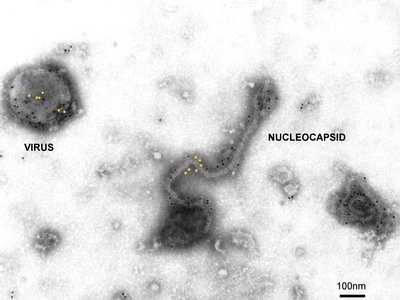
| Aerosolized viruses | aerosol | viral particles or dried droplet nuclei/air | 20-300 nm |
| Lipid nanoparticles (liposomes) | sol | lipid vesicles/water | 50-150 nm |
| Latex (polymer) nanoparticles | emulsion | polymer particles/water | 10-500 nm |
| Latex paint (polymer emulsion) | emulsion | polymer latex particles/water | 50-300 nm |
| Photographic emulsion | solid sol | silver halide crystals/gelatin | 10-200 nm |
| Sunscreen nanoparticles | sol | ZnO or TiO2 nanoparticles/oil or water | 10-200 nm |
| Colloidal drug suspensions | sol | drug nanoparticles/water or biological fluids | 10-300 nm |
| Cloud condensation nuclei (aerosol seeds) | aerosol | tiny salt or organic particles/air | 10-500 nm |
| Sea-spray aerosol (nanoparticles) | aerosol | organic and salt nanoparticles/air | 10-300 nm |
| Food emulsifiers (lecithin aggregates) | sol | lecithin micelles and aggregates/oil or water | 5-100 nm |
| Coffee creamer (emulsion) | emulsion | oil droplets/water with emulsifiers | 50-200 nm |
| Colloidal proteins in beer and wine stabilization | sol | protein or tannin nanoparticles/water | 5-200 nm |
| Paint varnish (nanoparticle additives) | sol | additive nanoparticles/solvent or polymer medium | 10-200 nm |
| Hydrogels (medical, contact lenses) | gel | crosslinked polymer network/water | 10-500 nm |
| Catalytic nanoparticle suspensions | sol | metal nanoparticles/solvent or water | 1-100 nm |
Images and Descriptions
Colloidal gold
Suspensions of gold nanoparticles that scatter light and produce red to purple colours; used historically in ruby glass and nowadays in diagnostics, sensing and research. Optical behaviour depends strongly on particle size, shape and aggregation state, creating vivid effects.

Colloidal silver
Tiny silver particles dispersed in water with notable antimicrobial properties used in coatings, wound dressings and some consumer products. Colour and activity vary with size and surface chemistry; often appears yellow-brown at higher concentration and clear at very low levels.

Ink (pigment ink)
Pigment particles dispersed in a liquid carrier form stable colloidal inks for printing and art. Particle size controls colour strength, stability and printhead performance; modern formulations use nanoscale pigments to improve durability and colour gamut.

Paint (pigment dispersions)
Paints are colloidal dispersions of pigment nanoparticles in binders; nanoscale particles provide opacity, tinting strength and smooth finishes. Proper stabilisation prevents settling and ensures even films with predictable drying and weathering behaviour.

Smoke
Smoke contains carbonaceous and inorganic nanoparticles that stay suspended in air. These colloids affect air quality, visibility and climate; small particles absorb light strongly and can travel long distances, posing inhalation hazards.

Urban smog (fine aerosol)
Fine particulate pollution (PM2.5) is a complex colloid made of organics, sulfates, nitrates and soot. These nanoparticles influence human health, atmospheric chemistry and visibility; composition and size determine toxicity and behaviour.
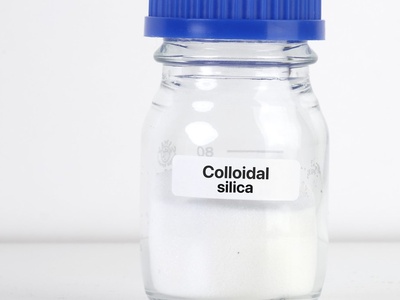
Colloidal silica
Stable suspensions of SiO2 nanoparticles used as thickeners, polishers and rheology modifiers in toothpaste, coatings and chromatography. Small, hard particles provide gentle abrasion and controlled flow without rapid settling.

Toothpaste (colloidal silica)
Many toothpastes use colloidal silica abrasives dispersed in a gel matrix to polish teeth and stabilise texture. Nanometre-sized silica balances cleaning efficiency with enamel safety while maintaining paste consistency and shelf life.

Milk (casein micelles)
Milk contains protein micelles (casein) suspended in water—true colloidal particles that scatter light and carry nutrients. Casein micelles, tens to hundreds of nanometres across, interact with calcium and fats to give milk its stability and mouthfeel.

Yogurt
Yogurt is a colloidal gel where protein networks trap water and tiny fat droplets, producing a creamy texture. The nanoscale structure determines thickness, stability and how flavors release during eating.
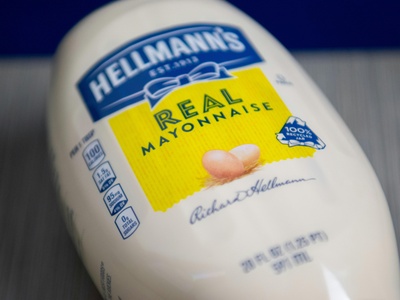
Mayonnaise (homogenised)
Mayonnaise is an oil-in-water emulsion stabilised by egg lecithin and other emulsifiers. Homogenised commercial varieties often have droplet sizes in the low nanometre to submicron range, creating a thick, spreadable, and shelf-stable colloid.
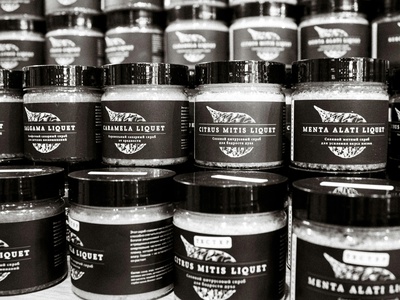
Cosmetic lotion
Lotions are oil-in-water emulsions with nanoscale oil droplets stabilised by surfactants and polymers. Droplet size affects skin feel, absorption, appearance and product stability; formulators tune colloid properties for sensory and delivery goals.
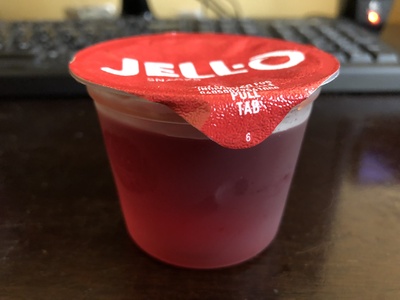
Gelatin dessert
Gelatin desserts are protein-based colloidal gels where polymer chains form a nanoscale network that traps water. The result is a soft, thermoreversible solid prized for texture and used in many culinary and technical applications.

Agar gel
Agar gels are formed by a polysaccharide network creating a stable, transparent colloid used in food and microbiology. Nanometre-scale fibrils set to trap liquid, producing firm gelling behaviour sensitive to temperature.

Colloidal clay (bentonite)
Fine clay particles dispersed in water form colloidal sols used in drilling fluids, cosmetics and ceramics. Plate-like nanoparticles generate thixotropy, large surface area for adsorption, and gel-like flow under stress.
Carbon black dispersions
Carbon black colloids serve as pigments and conductive additives in inks, tyres and coatings. Nanoscale carbon aggregates give deep black colour, affect rheology, and enhance electrical or UV-absorbing properties.
Colloidal iron oxide
Iron oxide nanoparticles suspended in water create brown-red colloids used as pigments, magnetic inks and in remediation. Their magnetic and optical properties depend on particle size and aggregation.
Quantum dots
Quantum dots are semiconductor nanoparticles whose colour and electronic behaviour change dramatically with size. As colloids they’re used in displays, bioimaging and research because they emit bright, size-tunable light when excited.

Ruby glass (gold ruby)
Ruby glass obtains its red colour from gold nanoparticles dispersed in the glass matrix. This solid sol shows vivid optical effects (plasmon resonance) and is a classic example of nanoscale particles altering macroscopic appearance.
Lycurgus-type opalescent glass
The Lycurgus effect arises from metal nanoparticles (gold and silver) dispersed in glass that change colour between transmission and reflection. This artistic and scientific phenomenon depends on particle size, composition and distribution.
Beer haze (colloidal complexes)
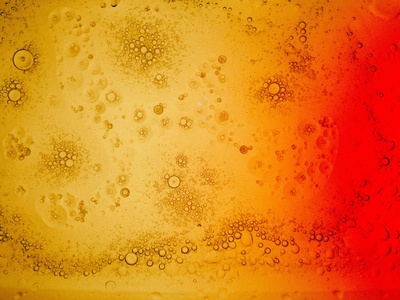
Chill haze in beer comes from nanoscale complexes of proteins and polyphenols suspended in the liquid. These colloids affect clarity and mouthfeel; brewers control them through fining agents, filtration and processing.
Blood plasma proteins
Blood plasma contains a colloidal mixture of proteins and lipoprotein particles that transport nutrients and drugs, influence osmotic pressure and participate in immunity and clotting. Sizes are typically a few to a few tens of nanometres.
Egg white (raw, protein sol)
Raw egg white is a protein-rich colloidal solution where albumin molecules and small aggregates remain dispersed. Heating causes denaturation and aggregation, transforming the colloid into a gel (cooked egg).

Soap micelles
Soap molecules self-assemble into nanoscale micelles that solubilise oils and dirt in water. These dynamic colloidal aggregates are central to cleaning, emulsifying and enabling oil removal from surfaces and fabrics.
Detergent micelles
Detergent formulations form micelles that encapsulate grease and oils; these nanoscale colloids improve cleaning efficiency, influence foaming and interact with fabrics and skin. Their size and composition are tuned for performance.

Aerosolized viruses
Individual virus particles or dried droplet nuclei are nanoscale aerosols that can remain airborne. Size affects how long they stay aloft, how they penetrate masks and lungs, and their environmental transport.
Lipid nanoparticles (liposomes)
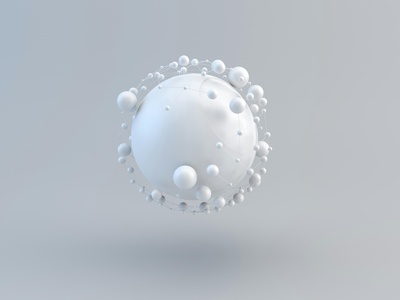
Liposomes and lipid nanoparticles are nanoscale vesicles used to encapsulate drugs, genes and vaccines. These colloidal carriers protect cargo, control release and can be engineered for targeting or immune modulation.
Latex (polymer) nanoparticles
Latex colloids are polymer particles produced by emulsion polymerisation and used in adhesives, coatings and textiles. Nanoscale latex particles form films on drying and influence mechanical and optical properties of products.
Latex paint (polymer emulsion)
Waterborne latex paints are colloidal emulsions of polymer particles that coalesce into a continuous film. Particle size influences gloss, coverage and drying; colloidal stability ensures shelf life and application performance.
Photographic emulsion
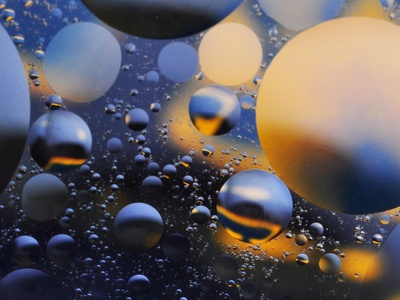
Traditional photographic emulsions consist of silver halide nanoparticles dispersed in gelatin. These light-sensitive colloids form latent images upon exposure, which are chemically developed into visible photographs.
Sunscreen nanoparticles
Many sunscreens use nanoscale zinc oxide or titanium dioxide particles to block UV while appearing transparent on skin. Particle size is tuned to balance sun protection, cosmetic appearance and safety considerations.
Colloidal drug suspensions
Pharmaceutical colloidal suspensions of drug nanoparticles improve solubility, stability and bioavailability. Small particle sizes enhance dissolution rates and can be designed to control release and target delivery pathways.
Cloud condensation nuclei (aerosol seeds)
Tiny aerosol particles serve as cloud condensation nuclei, enabling water vapor to form droplets. These colloidal seeds (sea salt, organics, soot) influence cloud properties, precipitation and the Earth’s radiative balance.
Sea-spray aerosol (nanoparticles)
Sea spray generates a spectrum of aerosols including nanoscale organic and salt particles that affect marine chemistry and cloud formation. These colloids transport nutrients and influence coastal and global climate processes.
Food emulsifiers (lecithin aggregates)
Food emulsifiers like lecithin form nanoscale aggregates and stabilise oil–water mixtures. These colloids improve texture, mouthfeel and shelf stability in sauces, chocolate, dressings and numerous processed foods.
Coffee creamer (emulsion)
Liquid coffee creamers are oil-in-water emulsions with nanoscale droplets giving stable, creamy mouthfeel and instant mixing. Emulsifiers and particle size control opacity, flavour release and shelf stability.
Colloidal proteins in beer and wine stabilization
Proteins and tannin aggregates in fermentates form colloids that influence haze, clarity and mouthfeel. Winemakers and brewers manage these nanoscale particles by fining, filtration and processing for desired stability and flavour.
Paint varnish (nanoparticle additives)
Varnishes and clearcoats often contain nanoscale additives (UV absorbers, silica, clay) dispersed as colloids to improve hardness, scratch resistance and optical clarity without visible particles.
Hydrogels (medical, contact lenses)
Hydrogels are water-swollen polymer networks with nanoscale pores and strands forming colloidal gels used in contact lenses, wound dressings and drug delivery. Pore size controls diffusion, comfort and mechanical properties.
Catalytic nanoparticle suspensions
Colloidal metal catalysts (platinum, palladium, gold) are dispersed nanoparticles used in chemical synthesis and fuel cells. Their high surface area and size-dependent properties enhance reaction rates and selectivity in liquid-phase processes.