Grenada’s island landscape blends volcanic highlands, rich soils and vibrant coral reefs that together support farming, fishing and a growing interest in renewables. Small-scale producers and coastal communities rely on these resources for food, income and cultural ties.
There are 22 Natural Resources of Grenada, ranging from Artisanal reef & coastal fish to Wind energy potential. For each resource there’s a concise table organized as Type, Location, Annual production (t/yr, ha, m3, MW); you’ll find below.
Which resources drive most of Grenada’s exports and livelihoods?
Agriculture—notably nutmeg, cocoa and other spices—remains central to exports and rural incomes, while fisheries and tourism support coastal communities; timber and small-scale mining contribute locally. Look to the production columns below to see which items are largest by weight, area or volume and which are measured in MW for energy.
How reliable and comparable are the production figures listed?
Reported figures mix official statistics, sector estimates and occasional survey data, so totals can vary year to year; units (t/yr, ha, m3, MW) are provided to make comparisons clearer. For planning or investment, cross-check the table entries below with current government or international agency reports.
Natural Resources of Grenada
| Name | Type | Location | Annual production (t/yr, ha, m3, MW) |
|---|---|---|---|
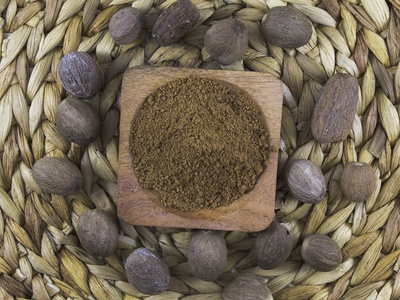
| Nutmeg | Spice | Throughout main island, notably St. George and St. Andrew | 1,500 t/yr (approx.) |
| Mace | Spice | Grown alongside nutmeg on same estates | 200 t/yr (byproduct of nutmeg) (approx.) |
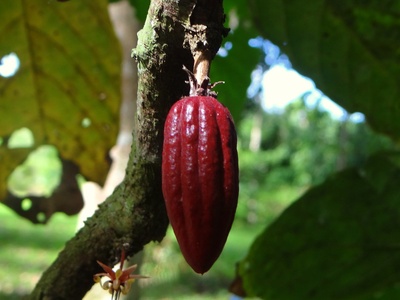
| Cocoa | Agriculture | Hilly interior and smallholder farms across parishes | 300 t/yr (approx.) |
| Banana | Agriculture | Lowland coastal valleys, Grenada and Carriacou | 2,000 t/yr (approx.) |
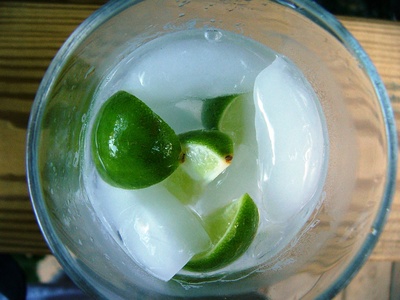
| Key lime (citrus) | Agriculture | Coastal and lowland farms, smallholdings | 800 t/yr (approx.) |
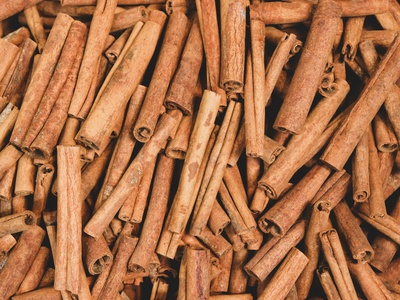
| Cinnamon | Spice | Smallholder plots in upland areas | 50 t/yr (approx.) |
| Spiny lobster | Fisheries | Coastal reefs and offshore banks | 200 t/yr (approx.) |
| Artisanal reef & coastal fish | Fisheries | Nearshore reefs, bays and mangroves | 1,200 t/yr (approx.) |
| Pelagic fisheries (tuna, wahoo) | Fisheries | Offshore waters around main island and islets | 500 t/yr (approx.) |
| Queen conch | Fisheries | Seagrass beds and sandy bottoms around islands | 50 t/yr (approx.) |
| Coral reefs | Forest/Biodiversity | Fringing reefs around main and smaller islands | 5,000 ha (extent approx.) |
| Seagrass beds | Forest/Biodiversity | Shallow bays and lagoons, e.g., nearshore areas | 1,000 ha (approx.) |
| Mangroves | Forest/Biodiversity | Coastal fringes and estuaries, scattered stands | 350 ha (approx.) |
| Terrestrial forest cover | Forest/Biodiversity | Upland and interior hills across parishes | 11,000 ha (approx.) |
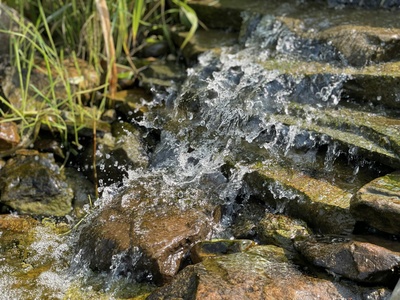
| Freshwater resources | Water | Small rivers, springs and groundwater across island | 50,000,000 m3/yr (renewable freshwater approx.) |
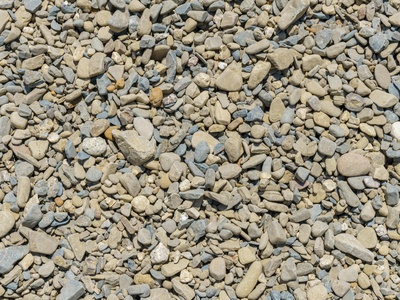
| Sand & gravel (construction aggregates) | Mineral | Coastal deposits and inland quarries | 100,000 m3/yr (approx.) |
| Limestone (quarry material) | Mineral | Quarries in lowland areas for construction | 50,000 t/yr (approx.) |
| Clay | Mineral | Small deposits used for bricks and pottery | 5,000 t/yr (approx.) |
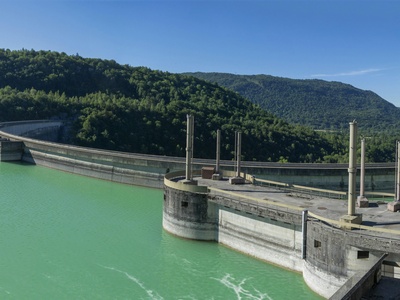
| Small hydropower potential | Energy | Upland streams and watersheds | ~5 MW potential (technical estimate) (approx.) |
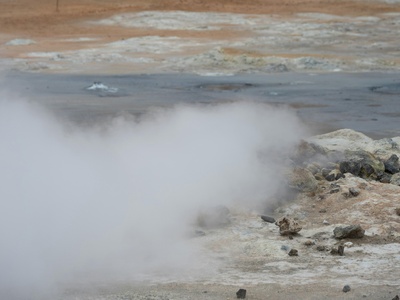
| Geothermal potential | Energy | Volcanic geothermal systems on main island | ~10 MW theoretical potential (exploratory) (approx.) |
| Wind energy potential | Energy | Coastal ridges and exposed offshore sites | ~10–20 MW potential (approx.) |
| Solar energy potential | Energy | Island-wide rooftops and open land | ~30 MW feasible (approx.) |
Images and Descriptions
Nutmeg
Grenada’s signature export, nutmeg (and mace) is grown on small farms across the island. Vital for export earnings and local livelihoods; trees support biodiversity but are vulnerable to hurricanes and pests.

Mace
Mace is the aril of nutmeg, harvested and sold as a high-value spice. Economically important as an export niche; production declines quickly after storms, making recovery and agroforestry important.
Cocoa
Fine-flavor cocoa is produced by smallholders for local processing and export. Important for diversification and agroforestry; shade-grown systems support wildlife but need better pest and market linkages.

Banana
Historically important export crop still grown for domestic markets and limited export. Supports rural incomes; susceptible to disease, storm damage and competition from larger producers.
Key lime (citrus)
Limes are used fresh and for oil production; valued locally and regionally. Trees provide shade and soil cover but citrus diseases and hurricanes affect yields.
Cinnamon
Cinnamon grows naturally on farm edges and small plantations. Modest export and domestic use; low-intensity production integrates with forested landscapes and has low environmental impact.
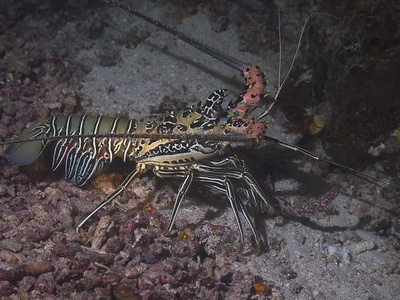
Spiny lobster
A high-value marine export caught by artisanal fishers. Critical for coastal livelihoods and tourism (dive fisheries). Overfishing and habitat loss cause local stock concerns; management needed.
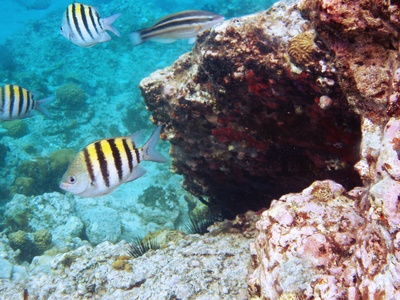
Artisanal reef & coastal fish
Small-scale fisheries provide food and income for coastal communities. Reef fish catch supports local markets and tourism; reefs and mangroves are essential nursery habitats and sensitive to pollution.
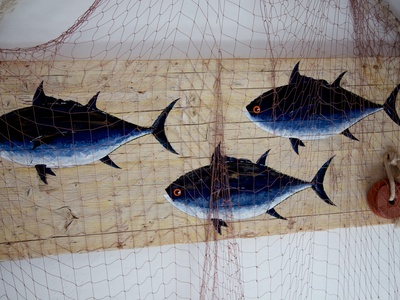
Pelagic fisheries (tuna, wahoo)
Open-water species are caught by small fleets and occasional longliners. Important for export and local consumption; dependent on healthy migratory stocks and regional management.
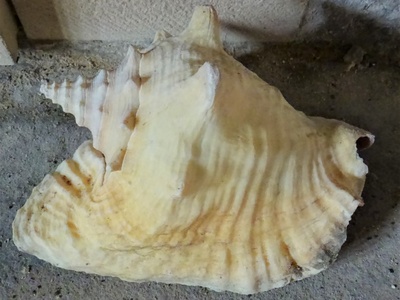
Queen conch
Conch supplies local markets and some exports. Seagrass and shallow habitats are essential; overharvesting and habitat degradation have reduced populations in parts of the Caribbean.
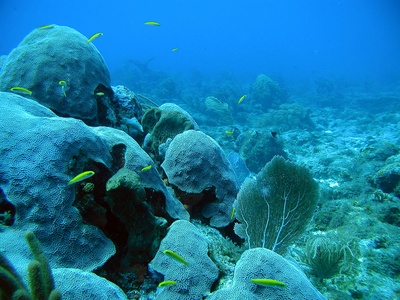
Coral reefs
Reefs drive tourism, protect shorelines and support fisheries. Ecologically rich but threatened by bleaching, pollution and storm damage; preservation is crucial for the island economy.
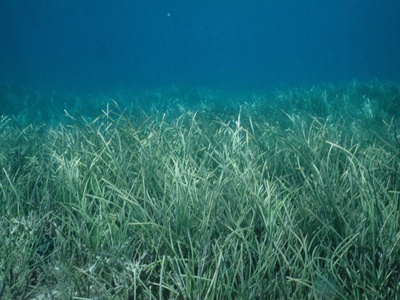
Seagrass beds
Seagrass provides nursery habitat for fisheries, stores carbon and stabilizes sediments. Important for coastal health and lobster/conch life cycles; sensitive to coastal development and runoff.
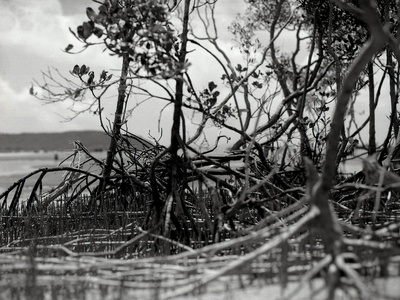
Mangroves
Mangroves protect coasts, store carbon and support juvenile fish. Economically valuable for storm protection and fisheries, but limited in extent and vulnerable to land reclamation.
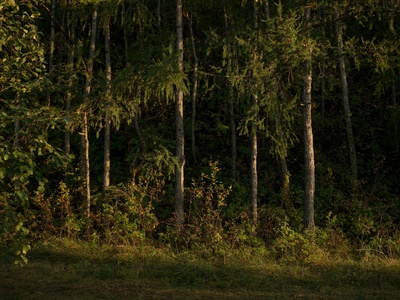
Terrestrial forest cover
Remaining forests include secondary and wet forests that conserve biodiversity, regulate water and prevent erosion. Forests face pressure from agriculture, development and extreme weather.
Freshwater resources
Surface and groundwater supplies are limited and seasonal, serving domestic, agricultural and tourism needs. Watersheds are sensitive to land use change and drought, requiring protection for resilience.
Sand & gravel (construction aggregates)
Locally quarried sand and gravel supply building and infrastructure projects. Economically necessary but extraction can harm beaches, coastal ecosystems and riverbeds if unmanaged.
Limestone (quarry material)
Limestone is quarried for aggregate and local cement production. Important for construction but quarrying alters landscapes and can increase sediment runoff to reefs.

Clay
Local clay supports building material production and traditional crafts. Small-scale extraction has limited economic scope but can cause localized habitat disturbance if unmanaged.
Small hydropower potential
Several small streams could support micro-hydro systems for rural electricity. Offers low-carbon energy but limited by seasonal flow and watershed protection needs.
Geothermal potential
Grenada sits on volcanic substrate with exploratory geothermal potential. If developed, could provide stable renewable baseload, but requires costly exploration and environmental assessment.
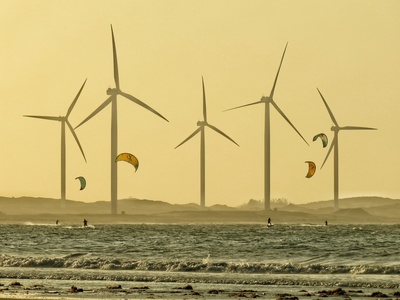
Wind energy potential
Moderate wind resources exist for small to medium turbines, useful for diversifying electricity supply. Site selection must consider visual impact, birds and tourism.
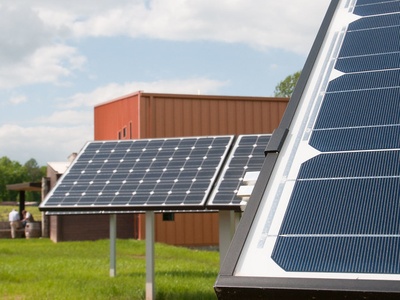
Solar energy potential
High solar irradiance makes rooftop and ground-mounted solar viable and cost-effective. Solar reduces fossil fuel dependence; land use and grid integration are key planning issues.