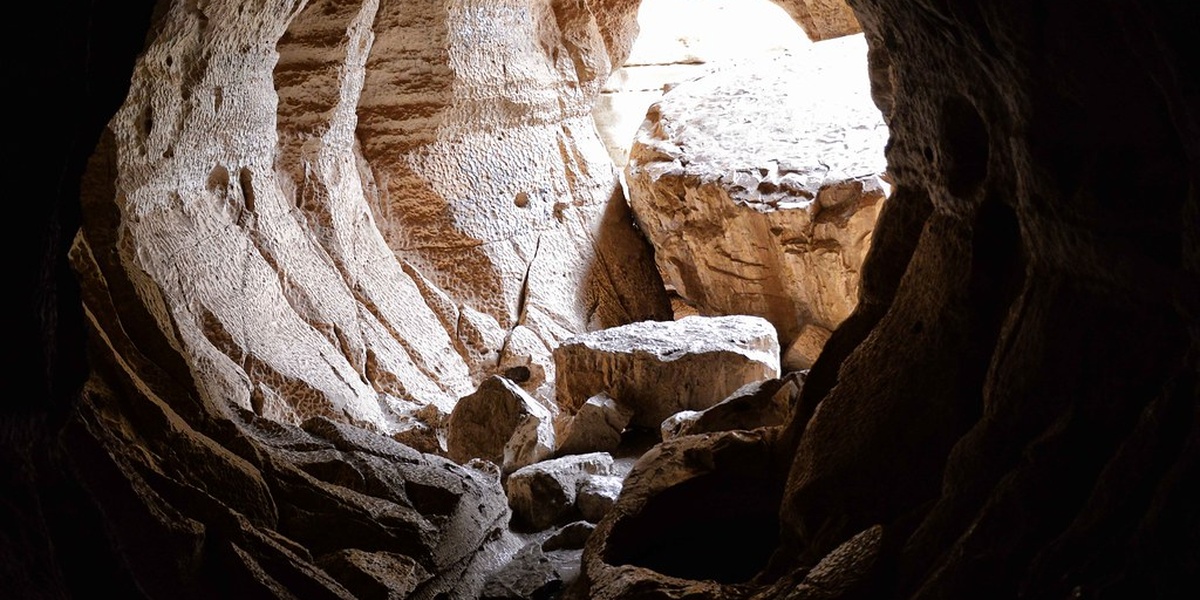
Ethiopia’s landscapes hide a surprising variety of underground spaces, from river-cut caverns to lava tubes. These caves have long been part of local history, used for shelter, ritual, and as routes through rugged terrain, so they’re a useful lens into the country’s natural and cultural geography.
There are 1 Caves in Ethiopia, ranging from Sof Omar to Sof Omar. For each entry, you’ll find below Region,Coordinates (lat,long),Type and access to help you plan a visit or research sites of interest—you’ll find below the full list and details.
How accessible is Sof Omar for a typical visitor?
Sof Omar is the most visited cave in Ethiopia and can be reached by road from Harar and Jijiga; access conditions vary with season and local transport options, so allow extra travel time, use a local guide for safer passage through parts of the cave, and check recent reports on water levels before you go.
Do I need permits or special equipment to explore these caves?
Permit requirements depend on the site and local authorities—some caves are open to the public while others require permission from landowners or regional offices; basic gear like a reliable headlamp, sturdy boots, and a guide are often sufficient, but deeper or restricted caves may need technical equipment and formal clearance.
Caves in Ethiopia
| Name | Region | Coordinates (lat,long) | Type and access |
|---|---|---|---|
| Sof Omar | Oromia (Bale Zone) | 7.059167,40.054167 | Limestone karst; guided/public access, local guides recommended |
Images and Descriptions
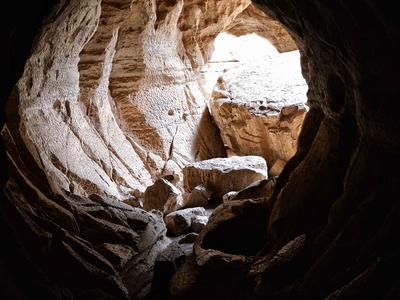
Sof Omar
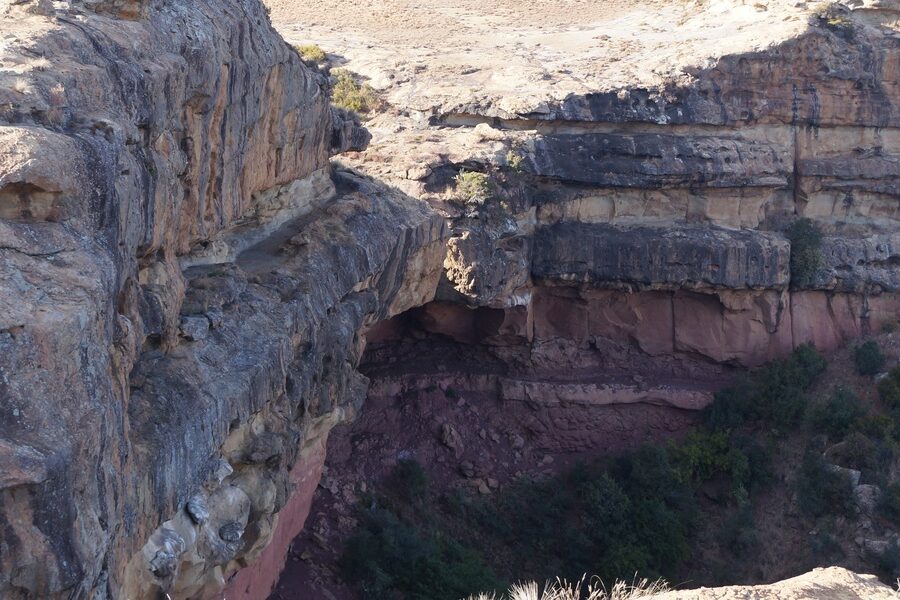
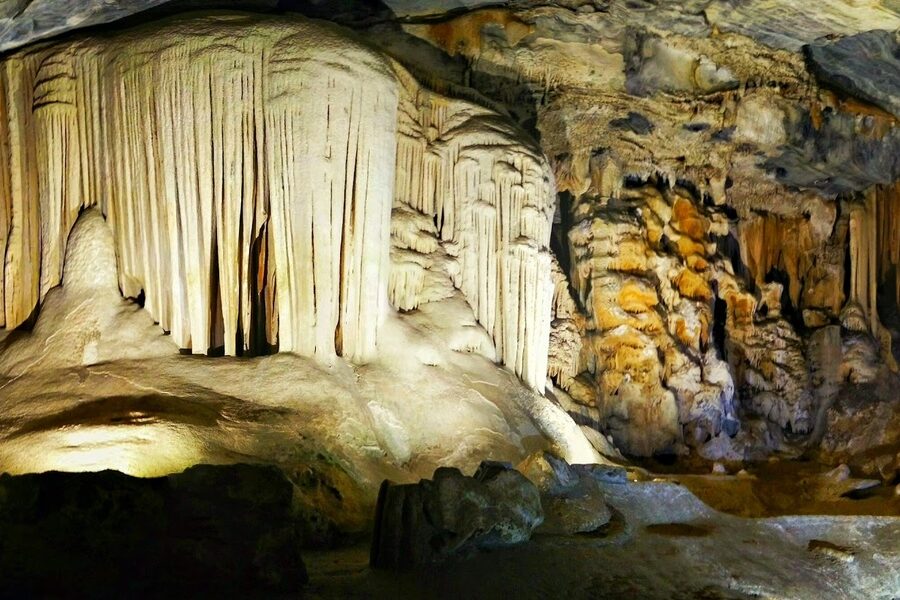
Sof Omar Cave, near Robe in Bale Zone, Oromia, is a vast limestone karst system with an underground river and huge vaulted chambers. It’s Ethiopia’s best-known cave; visitors usually hire guides, best in the dry season, famed for dramatic arches and sacred sites.