Table of Contents
- Quick Overview
- Louisville Area
- Lexington and Central Kentucky
- Eastern Kentucky
- Western Kentucky
- Plan Your Trip Around the Kentucky Science Trail
Kentucky doesn’t have the concentrated museum scene of Chicago or D.C., but it has more than most people realize — and a handful of institutions that genuinely stand out. The East Kentucky Science Center sits in Prestonsburg, a town most out-of-staters couldn’t place on a map, and it has a full digital planetarium. Louisville’s Kentucky Science Center runs a 4-story digital theater that rivals anything in the Midwest. These aren’t backup plans for rainy days. They’re worth planning around.
This guide organizes everything by region so you can build an actual itinerary rather than crisscross the state.
Quick Overview
If you only have time for one stop: Kentucky Science Center in Louisville for older kids and adults, Explorium of Lexington for toddlers and early elementary, East Kentucky Science Center if you’re anywhere near Appalachia and care about astronomy.
For a multi-day road trip, pair Louisville with the Mammoth Cave National Park corridor — you’ll hit natural history, geology, and cave science all within a two-hour radius.
Louisville Area
Kentucky Science Center
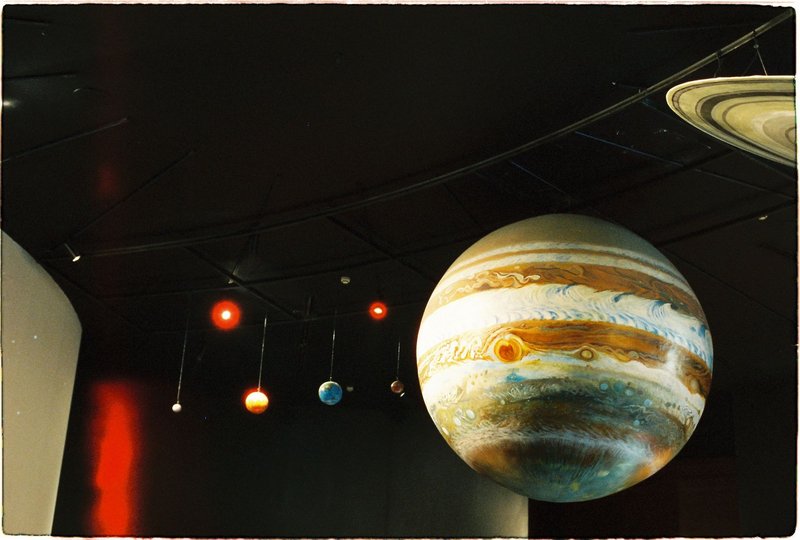
The flagship. Four floors, a 4-story digital theater, and permanent galleries that cover everything from life science to physics to Kentucky’s role in the space program. The World of Science gallery is strong for ages 8 and up — hands-on labs, real specimens, experiments you can run yourself. The youngest kids gravitate toward the KidZone on the lower level, which has water tables and build-your-own structures.
What makes it different: The digital theater shows full-dome films — the kind where the entire ceiling is the screen — on topics ranging from black holes to coral reefs. It’s not the same experience as an IMAX film. The immersion is more complete, and the science content is more substantive.
Practical details:
- Located downtown on Main Street, walking distance from the waterfront
- General admission runs around $14–18 for adults, less for children; theater tickets are separate
- Parking garages on nearby streets; metered street parking available on weekends
- Best for: ages 5 and up; the theater works for ages 3+
Nearby: The Louisville Slugger Museum and the Muhammad Ali Center are both a short walk. If you’re combining a science and history day, downtown Louisville handles it.
Locust Grove Historic Site (Natural History Angle)
Not a science museum in the traditional sense, but the grounds and archaeological work happening here tie into Kentucky’s natural and indigenous history in ways that science-minded visitors tend to appreciate. Worth a half-hour detour if you’re already in Louisville’s east end.
Lexington and Central Kentucky

Explorium of Lexington
Lexington’s hands-on children’s museum skews younger — toddlers through age 10 is the sweet spot. It’s not a traditional science museum in the way Kentucky Science Center is, but the exhibits hit physics, biology, and earth science through play-based activities: a water flow exhibit, a mini-planetarium, life science stations.
What makes it different: The age calibration is genuinely good. The exhibits are designed for small hands and short attention spans, which means a 4-year-old can actually engage rather than just touch things they’re not supposed to.
Practical details:
- Located in Lexington’s Victorian Square area downtown
- Admission around $9–12 per person; toddlers under 1 free
- Best for: ages 1–10
University of Kentucky Natural History Museum
On the UK campus, free admission. Fossils, geological specimens, and a solid collection of Kentucky-specific natural history. Not large, but punches above its weight on fossils — the marine fossils from the Ordovician period are excellent, and Kentucky’s geology makes this a natural fit.
Best for: older students, adults, geology enthusiasts. It’s compact enough to do in 45 minutes.
Eastern Kentucky
East Kentucky Science Center — Prestonsburg
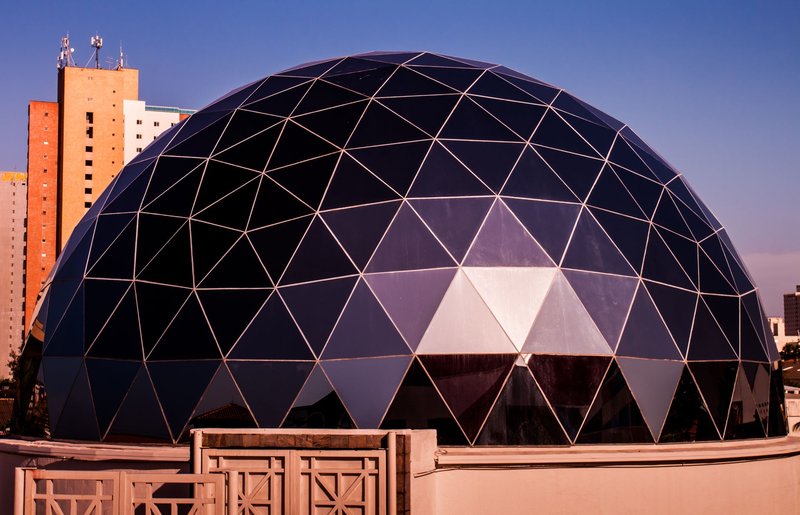
This is the one that surprises people. Prestonsburg is a small city in Floyd County, deep in the Appalachian coalfields, and the science center here has a Hudgins Planetarium with a full digital dome — 40 feet across, 60-seat capacity, showing programs on the night sky, space exploration, and earth science. For a region that doesn’t usually appear on “best museums” lists, the facility is legitimate.
What makes it different: The planetarium programs are updated regularly and include live-narrated shows alongside pre-recorded films. The surrounding natural landscape — Big Sandy River valley, nearby Jenny Wiley State Resort Park — means you can walk outside after a show about the night sky and actually see it. Light pollution out here is low.
Practical details:
- Part of the Kentucky Community and Technical College System campus
- Admission is low — typically under $8 for planetarium shows
- Check the schedule ahead; show times vary by season
- Best for: all ages; families, school groups, adults
Nearby: Jenny Wiley State Resort Park offers hiking, a lake, and a summer outdoor theater. If you’re spending a night, it’s a good base.
Western Kentucky
Patton Museum — Fort Knox Area
Primarily military history, but the engineering and technology exhibits tie into science education in ways that are relevant for older kids and teenagers interested in mechanical systems and physics. Not a pure science museum, but worth noting if you’re in the Fort Knox corridor.
Land Between the Lakes Natural History Exhibits
The Land Between the Lakes National Recreation Area runs the Woodlands Nature Station and hosts programming on ecology, wildlife biology, and the unique peninsula ecosystem formed by Kentucky Lake and Lake Barkley. It’s not a traditional museum but the science education component is serious — live animals, naturalist programs, and a working elk and bison prairie nearby.
Best for: families with kids who respond better to outdoor learning than exhibit halls. Ages 4–14 especially.
Plan Your Trip Around the Kentucky Science Trail
The Kentucky Science Trail is a state initiative cataloging over 60 science, technology, and natural history attractions across Kentucky. It’s the best planning tool available if you want to build a multi-day itinerary — sites are organized by region and type, and the list includes some smaller gems that don’t show up in typical “best museums” roundups.
A few trail highlights worth calling out:
- Bernheim Arboretum and Research Forest (Bullitt County, near Louisville): 16,000 acres with active scientific research programs, a human nature trail, and forest therapy programming. Strong for families who want outdoor science
- Falls of the Ohio State Park (Clarksville, IN — directly across from Louisville): One of the largest exposed Devonian fossil beds in the world. Technically Indiana, but a 10-minute drive from Louisville’s waterfront
- Carter Caves State Resort Park (northeastern KY): Guided cave tours, bat ecology programs, and karst geology — the same geological forces that formed Mammoth Cave, on a smaller scale
If you’re going to Mammoth Cave anyway, the science framing makes the visit significantly richer. The cave system is part of a vast karst aquifer, and the National Park Service interpretive programs explain the geology clearly. Mammoth Cave National Park is, in its own way, the best natural science exhibit in the state.
A Few Practical Notes
Best times to visit: Weekday mornings are quietest at all the Louisville and Lexington venues. The East Kentucky Science Center has less foot traffic than urban museums year-round, so timing matters less there.
School group planning: Most of these institutions have dedicated school group rates and curriculum-aligned programs. Kentucky Science Center, Explorium of Lexington, and East Kentucky Science Center all have educator resource pages worth checking before a field trip.
Combining museums with state parks: Kentucky’s state resort parks — especially Jenny Wiley, Carter Caves, and Natural Bridge — integrate well with science visits because the parks themselves are geological and ecological exhibits. A Louisville-to-Prestonsburg road trip through the Daniel Boone National Forest hits science centers and the forest service’s interpretive programs.
The science in Kentucky is largely in the ground and the sky — the museums are just where someone thought to put a roof over it.