A parasite is an organism that lives on or inside another organism and takes what it needs at that host’s expense. That’s the whole deal. It eats your food, your blood, or your tissue, and it gives nothing back. Some are microscopic single cells; others are flatworms that can grow longer than you are tall.
Most pages on this topic come from hospitals and government agencies, and they’re accurate but dry. They rarely tell you which symptoms actually point to a parasite versus something else, or when a stomach bug crosses the line into “go see a doctor.” This guide does. It covers the three classes of human parasites, what they do, how you catch them, and what fixes them.
Table of Contents
- The three types of parasites
- Symptoms: what actually points to a parasite
- How you catch them
- How doctors diagnose a parasite
- Treatment that works (and the “cleanse” myth)
- When to see a doctor
- Travelers: the extra rules
- Prevention
The three types of parasites {#the-three-types}
Human parasites split cleanly into three groups. Knowing which one you’re dealing with tells you almost everything about how it spreads and how it’s treated.
| Type | What they are | Common examples | Where they live |
|---|---|---|---|
| Protozoa | Single-celled organisms that multiply inside you | Giardia, Plasmodium (malaria), Toxoplasma, Cryptosporidium | Gut, blood, tissue |
| Helminths | Multicellular worms; can’t multiply inside the body | Tapeworms, roundworms, hookworms, pinworms, flukes | Mostly the intestines |
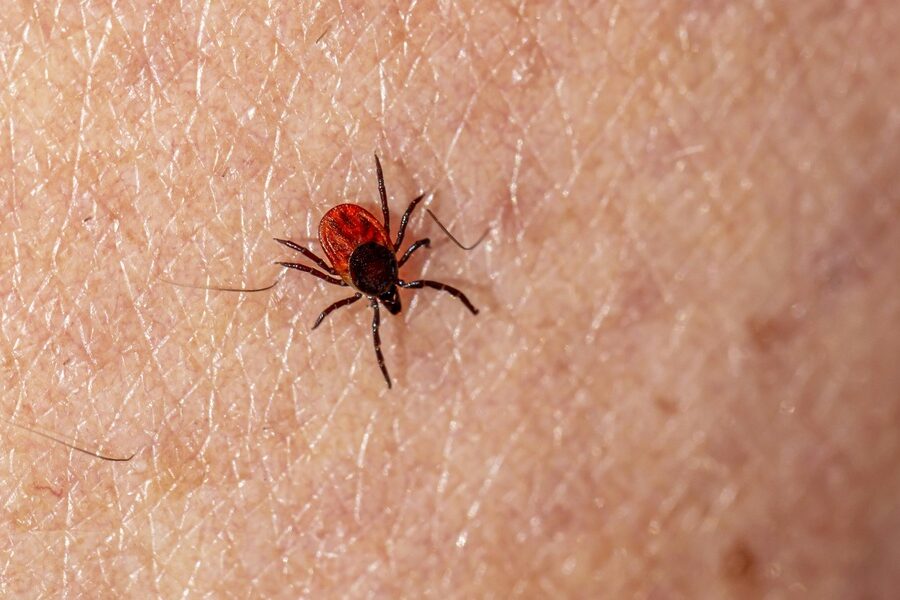
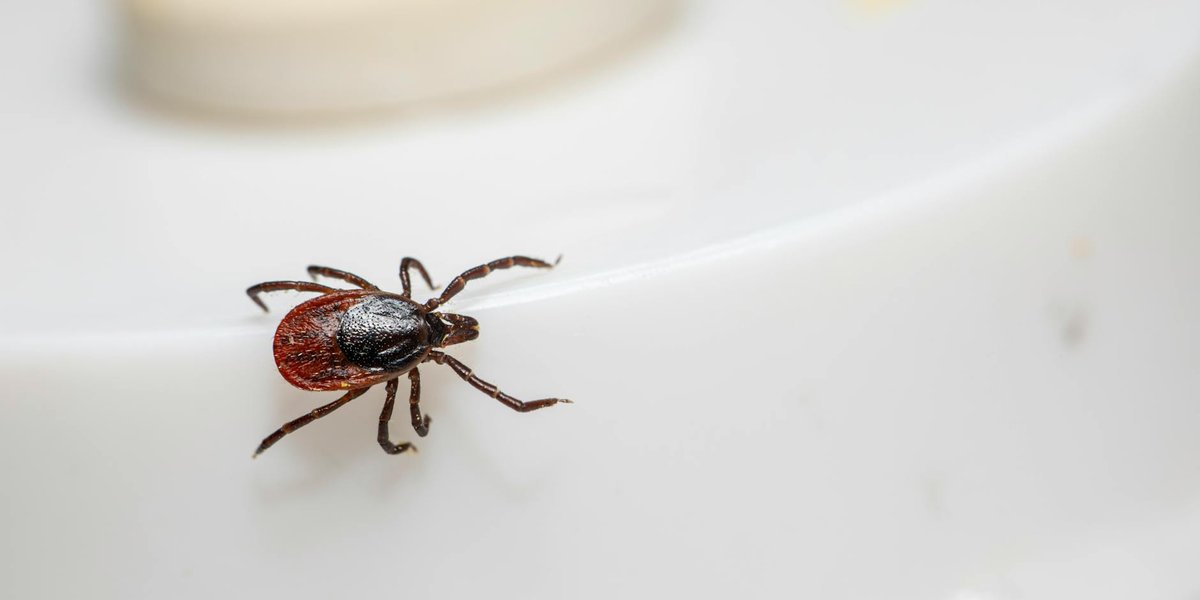
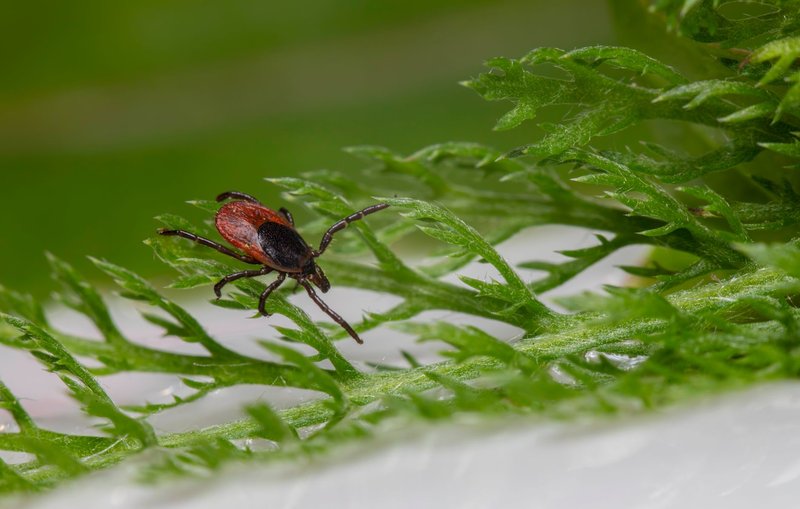
| Ectoparasites | Live on the skin’s surface, not inside | Lice, fleas, scabies mites, ticks | Skin, hair |
The multiplication point matters more than it sounds. Protozoa like Giardia can explode from a handful of cysts into a full-blown infection because each one divides. The parasitic protozoa belong to a much larger group of single-celled organisms, and seeing where they sit in the broader list of protists makes it clear that only a small fraction of them cause disease. Helminths can’t do that — a tapeworm you swallow stays one tapeworm (it just gets bigger and sheds eggs that have to leave your body to grow up). That’s why a single contaminated meal can give you a serious protozoan illness, while heavy worm burdens usually come from repeated exposure.
Ectoparasites are the odd group out. Technically the word covers anything living on your skin, but in medical practice it usually means lice, scabies, and the like. They’re a nuisance and they can transmit other diseases, but they don’t set up shop in your organs.
Symptoms: what actually points to a parasite {#symptoms}
Here’s the frustrating part: parasite symptoms overlap with almost everything else. Fatigue, bloating, and an upset stomach describe a bad week as easily as a parasitic infection. So the useful question isn’t “could this be a parasite?” — it’s “what pattern makes a parasite likely?”
The patterns that raise the flag:
- Diarrhea that won’t quit. A normal stomach bug clears in a few days. Giardia diarrhea drags on for weeks, often greasy and foul-smelling, with gas and cramping that come in waves.
- You can see something. Pinworms cause intense anal itching, especially at night, and you can sometimes spot the thin white worms or their eggs. With tapeworms, people pass flat, rice-grain-sized segments in their stool. This is as close to a smoking gun as symptoms get.
- Unexplained weight loss with a normal or big appetite. Worms eating your nutrients can do this.
- New symptoms after the right exposure. Diarrhea two weeks after a backcountry trip where you drank stream water, or a fever after travel to a malaria zone, is a different story than the same symptoms with no exposure.
Single-celled blood parasites are the dangerous category. Malaria, caused by Plasmodium, brings cyclical fevers, chills, and sweats and can become life-threatening fast. The CDC notes that malaria is a medical emergency in returning travelers — fever after a trip to an endemic region means same-day care, not a wait-and-see.
What is not a reliable parasite signal: vague chronic fatigue, “brain fog,” or general bloating with no other findings. That’s the symptom cluster the wellness industry leans on to sell cleanses, and it points to a parasite far less often than the internet suggests.
How you catch them {#transmission}
Parasites get into you through a small number of predictable routes:
- Contaminated food and water. This is the big one. Giardia and Cryptosporidium live in untreated water — lakes, streams, occasionally tap water in places with weak sanitation. Undercooked pork, beef, and fish carry tapeworm larvae.
- Fecal-oral. Microscopic amounts of infected stool reach your mouth, usually via unwashed hands or surfaces. Pinworms spread through households and daycares almost entirely this way, which is why one infected kid often means the whole family gets treated.
- Insect bites. Mosquitoes transmit malaria. Sandflies transmit Leishmania. The parasite rides in the insect’s saliva.
- Skin contact with soil. Hookworm larvae in contaminated soil burrow straight through bare feet. Walking barefoot in the wrong place is a real risk in parts of the tropics.
Notice what’s missing from this list: casual contact. You don’t catch intestinal parasites from being near someone who has one. Transmission needs a specific bridge — water, food, a bug, or fecal contamination. Each of these routes reflects the same one-sided relationship at the core of the lifestyle, and the wider range of examples of parasitism across animals and plants shows just how many organisms have evolved to exploit a host this way.
How doctors diagnose a parasite {#diagnosis}
You can’t diagnose a parasite by symptoms alone, and you definitely can’t diagnose one from a home test kit that tells you to inspect a glass of water. Real diagnosis uses a few standard tools.
The stool ova and parasite (O&P) test is the workhorse for gut parasites. A lab examines stool samples under a microscope for eggs (ova) and adult organisms. Because shedding is intermittent, doctors often collect three samples over several days — one clean sample doesn’t rule a parasite out. Newer stool antigen tests detect specific organisms like Giardia and Cryptosporidium with higher sensitivity and are increasingly standard.
Blood tests come into play for parasites that live outside the gut. A blood smear under the microscope is how malaria is confirmed. Other blood work looks for antibodies, or for elevated eosinophils — a type of white blood cell that spikes during many worm infections and is a useful clue. For tissue parasites, imaging like CT or MRI can find cysts.
The practical takeaway: diagnosis is a lab job. If you suspect a parasite, the move is a doctor and a sample, not a self-assessment.
Treatment that works (and the “cleanse” myth) {#treatment}
Real parasitic infections are treated with antiparasitic medication, and the drug is matched to the organism. There’s no single pill for “parasites.”
- Protozoa like Giardia are treated with antibiotics such as metronidazole or tinidazole. Malaria has its own family of drugs (artemisinin-based combinations and others), chosen by species and region.
- Helminths respond to antihelminthics — albendazole, mebendazole, praziquantel for tapeworms and flukes. These are remarkably effective; a single dose clears many worm infections.
- Ectoparasites like scabies and lice are treated with topical or oral agents (permethrin, ivermectin).
Most of these are inexpensive, well-studied, and fast. They sit within the broader arsenal of antimicrobial agents that clinicians use to clear infections, each one targeting a specific kind of organism rather than a vague catch-all. That’s the part the “parasite cleanse” market doesn’t want you to know.
A quick reality check on cleanses, since people search for them constantly: the herbal-and-fiber “parasite cleanse” protocols sold online have no clinical evidence behind them for clearing actual infections. There’s no good data that they remove parasites, and the “die-off” symptoms they warn you about aren’t a thing. The “worms” people report passing after a cleanse are usually rope-like mucus or undigested fiber, not parasites. If you genuinely have a worm or protozoan infection, you need the matched drug — a cleanse delays the treatment that would actually work. Confirm with a test first.
When to see a doctor {#when-to-see-a-doctor}
A simple decision guide. See a doctor promptly if any of these apply:
- Fever after travel to a region with malaria or other tropical diseases — treat this as urgent, same-day.
- Diarrhea lasting more than 7–10 days, or any diarrhea with blood.
- You see worms or segments in your stool, or visible worms causing anal itching.
- Unexplained weight loss alongside digestive symptoms.
- Symptoms after a known exposure — drinking untreated water, eating undercooked meat, a trip to a high-risk area.
Most short-lived diarrhea resolves on its own and doesn’t need testing. The trigger for a workup is duration, blood, visible organisms, or a clear exposure — not a vague feeling that something’s off.
Travelers: the extra rules {#travelers}
Travel is where the average person is most likely to meet a parasite, so it gets its own rules.
Before you go, check destination-specific risks. The CDC’s travel health pages list parasite risks and recommended precautions by country, including whether you need malaria prophylaxis — preventive medication you start before arrival.
On the ground, the habits that matter most:
- Drink sealed or treated water only in areas with poor sanitation. That includes ice and brushing your teeth. Boiling, filtering, or chemical treatment all work for backcountry water.
- Eat food that’s cooked and served hot. “Boil it, cook it, peel it, or forget it” is a cliché because it works.
- Cover up against bites at dusk and dawn in malaria zones — repellent, long sleeves, treated bed nets.
- Keep shoes on where hookworm is endemic.
If you develop diarrhea, fever, or any of the warning signs in the weeks after returning, tell your doctor where you traveled. Travel history changes which tests they run.
Prevention {#prevention}
The day-to-day defenses are unglamorous and effective. Wash your hands properly, especially before eating and after using the bathroom or handling soil or pets. Cook meat and fish to safe internal temperatures — freezing fish also kills tapeworm larvae, which is why sushi-grade fish is frozen first. Drink treated water. Wash produce. Keep pets on veterinary deworming schedules, since some animal parasites jump to humans.
None of this requires a special product. Parasites have predictable entry routes, and closing those routes — clean hands, cooked food, safe water — blocks the overwhelming majority of infections.
Parasites are real, common, and treatable — and the gap between a genuine infection and the wellness-industry version of one is wide. The genuine article shows up as a pattern: persistent or bloody diarrhea, visible worms, fever after travel, weight loss with digestive trouble. When it does, a stool test or blood smear confirms it and a matched antiparasitic drug clears it, usually fast and cheap. Everything else — the cleanses, the home water tests, the “everyone has parasites” pitch — is noise.