
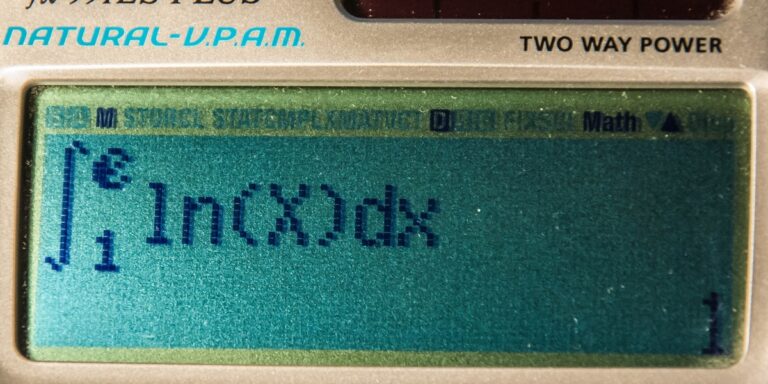
This hub post outlines 8 key differences between Calculus and Statistics, comparing concepts, methods, problem types, applications, and career relevance. Each point links to a deeper article so students and professionals can explore topics like limits vs probability, modeling approaches, required skills, and job paths to decide which subject best fits their goals.
8 Differences Between Calculus and Statistics
Continue reading
0 Comments

10 Interesting Facts About Fractals
10 Interesting Facts About Fractals is a concise hub post that highlights surprising mathematical truths, natural examples, and artistic uses of fractal geometry. Each fact links to deeper posts—covering the Mandelbrot and Julia sets, fractal patterns in ferns and coastlines, and fractal-based art—so readers can learn quick facts and explore in-depth guides.
Continue reading
0 Comments

7 Interesting Facts About Topology
Curious about topology? This post — ‘7 Interesting Facts About Topology’ highlights seven surprising facts, from the Möbius strip and rubber-sheet geometry to topology’s role in data analysis and physics. Each fact links to a dedicated article that explains the concept, examples, and real-world applications for further reading.
Continue reading
0 Comments
10 Tools Used in Mathematics
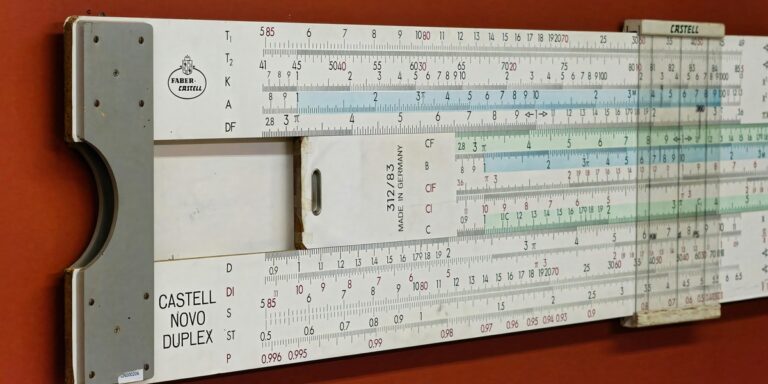
This hub highlights 10 tools used in mathematics, from classic instruments like compasses, protractors and rulers to modern graphing calculators, computer algebra systems, and visualization software. Each linked article examines one tool — its practical uses, setup tips, learning resources, and examples — so students, teachers, and self-learners can choose the best tools to study, teach, or solve math problems.
Continue reading
0 Comments
Examples of Real Numbers
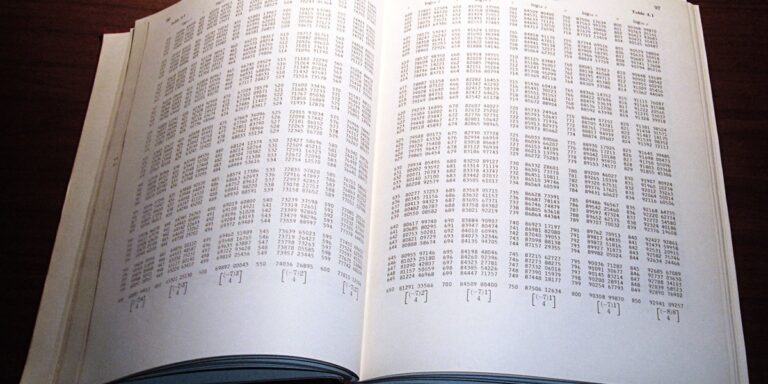
This post presents 20 Examples of Real Numbers, each shown in decimal form and classified as integer, rational, irrational, or special case, with common contexts where they appear. Ideal for students and teachers, this guide offers clear examples and explanations to help you recognize and apply real number types in math and everyday situations.
Continue reading
0 Comments

Examples of Complex Numbers
Explore 21 concrete Examples of Complex Numbers in the form a+bi, each listed with its modulus (r) and common category or use. The post includes computed moduli, plotted positions on the complex plane (Argand diagram), and real-world contexts—such as phasors in electrical engineering, frequency-domain signals, and geometric transformations—so students and professionals can quickly recognize, visualize, and apply these complex-number examples.
Continue reading
0 Comments
8 Differences Between Set and Group
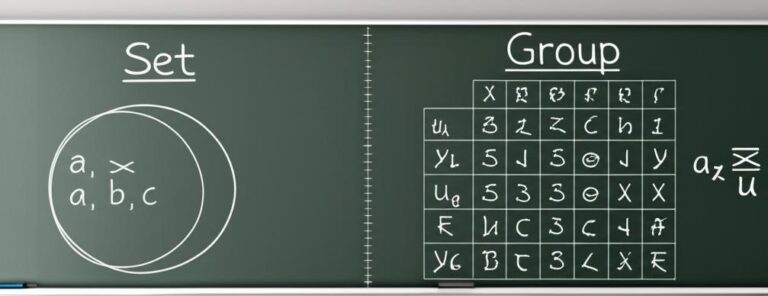
This post lists 8 clear, side-by-side differences between a set and a group in mathematics, covering definitions, operations, closure, identity, inverses, examples, and typical applications. Ideal for students and self-learners seeking a concise comparison with links to deeper articles on each point.
Continue reading
0 Comments
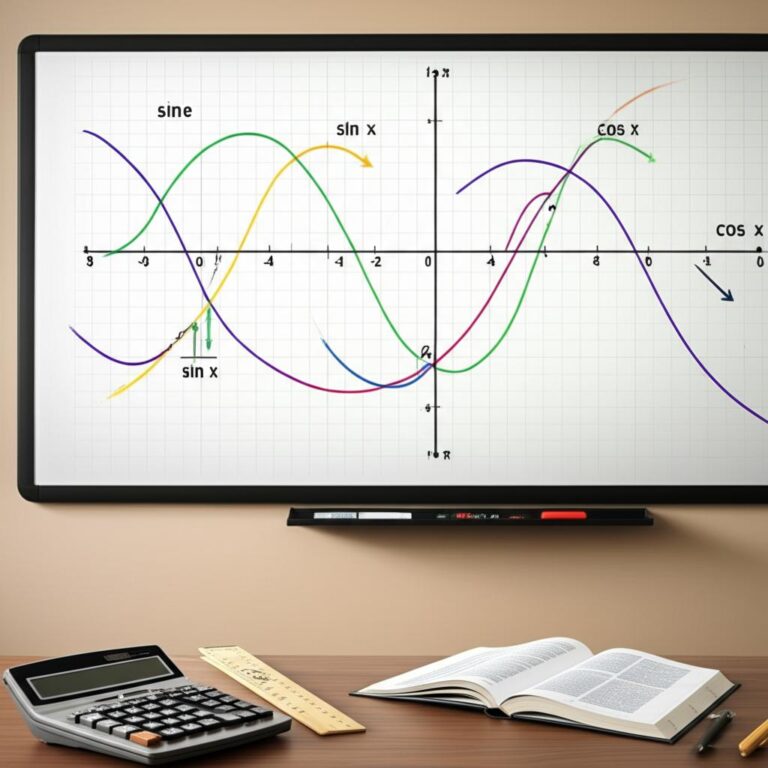
7 Differences Between Sine and Cosine
Explore 7 clear differences between sine and cosine—covering definitions, graphs, formulas, phase shift, symmetry, derivatives, and real-world applications. Each difference links to deeper posts with examples and visuals to help students and teachers master Sine vs Cosine.
Continue reading
0 Comments

List of Irrational Numbers
Discover the fascinating world of irrational numbers with our comprehensive list of 20 examples. Explore their approximate values, types, and intriguing significance in mathematics and beyond, revealing the numbers that cannot be expressed as a simple fraction.
Continue reading
0 Comments