Around 300 BCE, the Greek philosopher Theophrastus wrote Enquiry into Plants, one of the first systematic studies of plant life — and yet modern research keeps revealing astonishing new plant behaviors. Those early observations were only the start; modern facts about plants now include discoveries like the fungal “wood wide web” and isolated trees that predate recorded history.
Scientists today routinely find surprising examples: Suzanne Simard’s work in the 1990s showed carbon moving between trees, researchers have documented learning-like responses in sensitive plants, and ancient organisms such as Methuselah still stand in remote mountains. Plants affect climate, medicine, food and technology—so paying attention matters.
Plants are far more than static scenery: they communicate, remember, nourish economies, trap carbon, and inspire technologies. Here are 10 intriguing facts about plants that show just how central they are to life on Earth. The list is grouped into three themes: biological wonders, ecological and environmental roles, and human uses and innovations.
Biological Wonders of Plants

Plants do much more than grow toward light. Under the soil, fungal filaments knit roots of different species into networks that move carbon, nutrients and signals. Above ground, plants manufacture complex chemicals used in defense and medicine. And in labs, some species display memory-like responses that blur the line between plant and animal behavior.
These biological feats rest on decades of research. Many findings date from the late 20th century onward, when controlled experiments and tracer techniques began revealing the unseen exchanges and chemical sophistication of plant life.
1. Plants ‘talk’ and trade underground via fungal networks
Some trees and plants connect through mycorrhizal fungal networks that link roots with fungal hyphae. Suzanne Simard’s pivotal studies beginning in 1997 used carbon isotopes to show carbon transfer between Douglas-fir and paper birch in mixed stands, demonstrating that carbon can move from one tree to another through shared fungi.
Beyond carbon, experiments have shown that warning signals and nutrients can move across these networks, helping seedlings survive and allowing neighbors to prime defenses after insect attack. Ecologists now see these networks as a factor shaping forest regeneration and resilience (reports in peer-reviewed journals and university studies document the work).
2. Some plants can ‘learn’ or remember simple things
Certain plants exhibit habituation—a basic form of learning. In 2014 Monica Gagliano and colleagues published experiments showing that Mimosa pudica stopped folding its leaflets after repeated, harmless drops. The plants eventually ignored the stimulus, and some retained that reduced response for days to weeks.
Researchers interpret these results as evidence that plants can change responses based on experience, not just reflex. Follow-up studies have probed memory retention and the physiological mechanisms behind habituation, challenging assumptions that learning is exclusively an animal trait.
3. Plants make powerful chemicals — many modern drugs began as plant compounds
Plants synthesize diverse secondary metabolites that humans have turned into medicines. William Withering’s 1785 work with foxglove (digitalis) launched modern cardiac therapeutics. Willow bark’s salicylates led to the synthesis of aspirin by Felix Hoffmann at Bayer in 1897.
In the 1960s researchers isolated paclitaxel (Taxol) from the Pacific yew; the drug gained FDA approval for cancer treatment in 1992. Today pharmacologists continue to screen plant biodiversity and use ethnobotanical leads, which makes conserving species crucial for future drug discovery.
Ecological and Environmental Roles
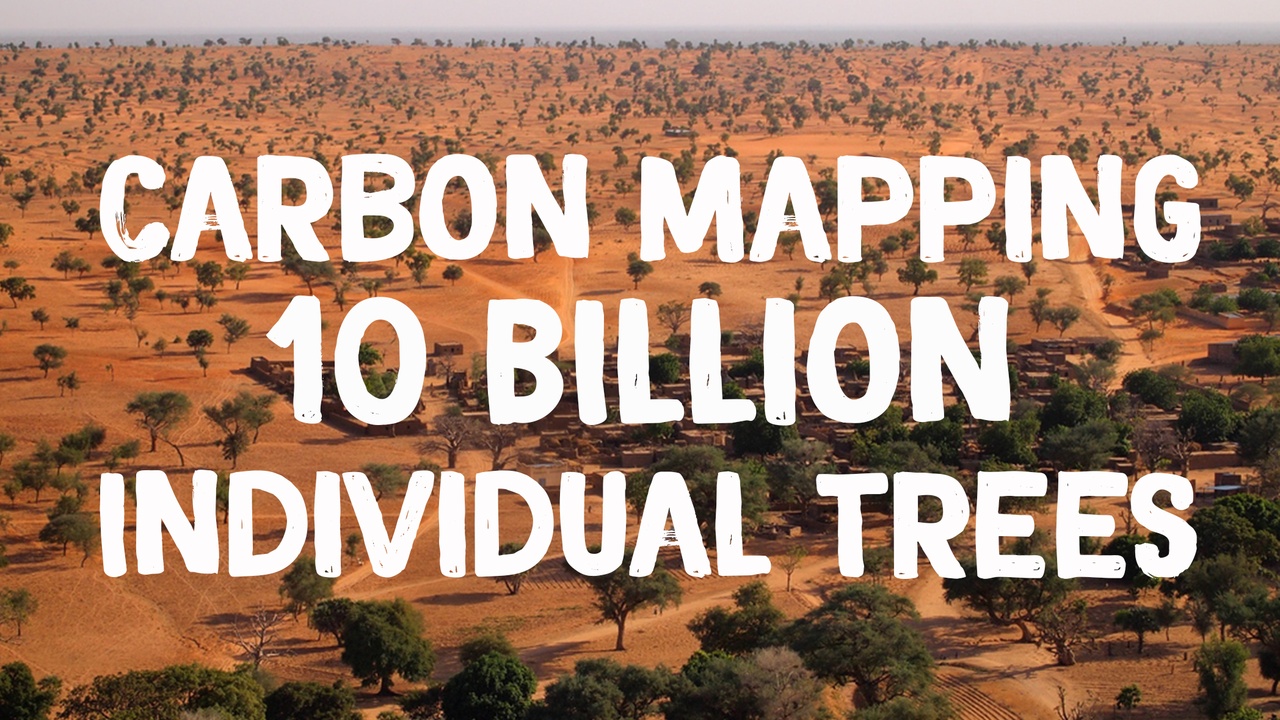
Plants are ecosystem engineers: they drive global carbon and water cycles, create habitat, and maintain the living systems we depend on. From towering forests to tiny phytoplankton, vegetation underpins climate regulation and biodiversity.
4. Plants are key carbon sinks and oxygen producers
Through photosynthesis plants remove CO2 and lock carbon into biomass and soils. Forests cover roughly 31% of Earth’s land area, according to FAO assessments, and store huge amounts of carbon in trunks, roots and litter.
Phytoplankton and land plants together produce most of the planet’s oxygen; phytoplankton account for about half of that production. Coastal systems—mangroves, tidal marshes and seagrasses—store three to four times more carbon per hectare than many upland forests, which motivates “blue carbon” protection and restoration projects.
5. Plant communities shape habitats and support pollinators
Plants form the physical structure of ecosystems, from forests to grasslands to seagrass beds. Their presence determines habitat availability, soil formation and food webs.
About 75% of leading global food crops benefit from animal pollination to some degree (FAO estimate). When plant communities change—through land use or invasive species—pollinator resources, fisheries and soil health decline. Mangrove forests, for example, shelter juvenile fish and protect shorelines while wildflower meadows feed bees and other pollinators.
6. Some plants are living time capsules — extraordinarily long lifespans
Certain trees and clonal plants live for millennia. Methuselah, a Great Basin bristlecone pine, is about 4,800 years old; its exact location is protected. Pando, a clonal quaking aspen stand in Utah, is estimated by some methods to be tens of thousands of years old.
Long-lived individuals and clones preserve genetic lineages and store carbon across centuries, making them ecological anchors. Their longevity also provides valuable climate records in tree rings and genetic continuity for ecosystems.
Human Uses, Economy and Inspiration
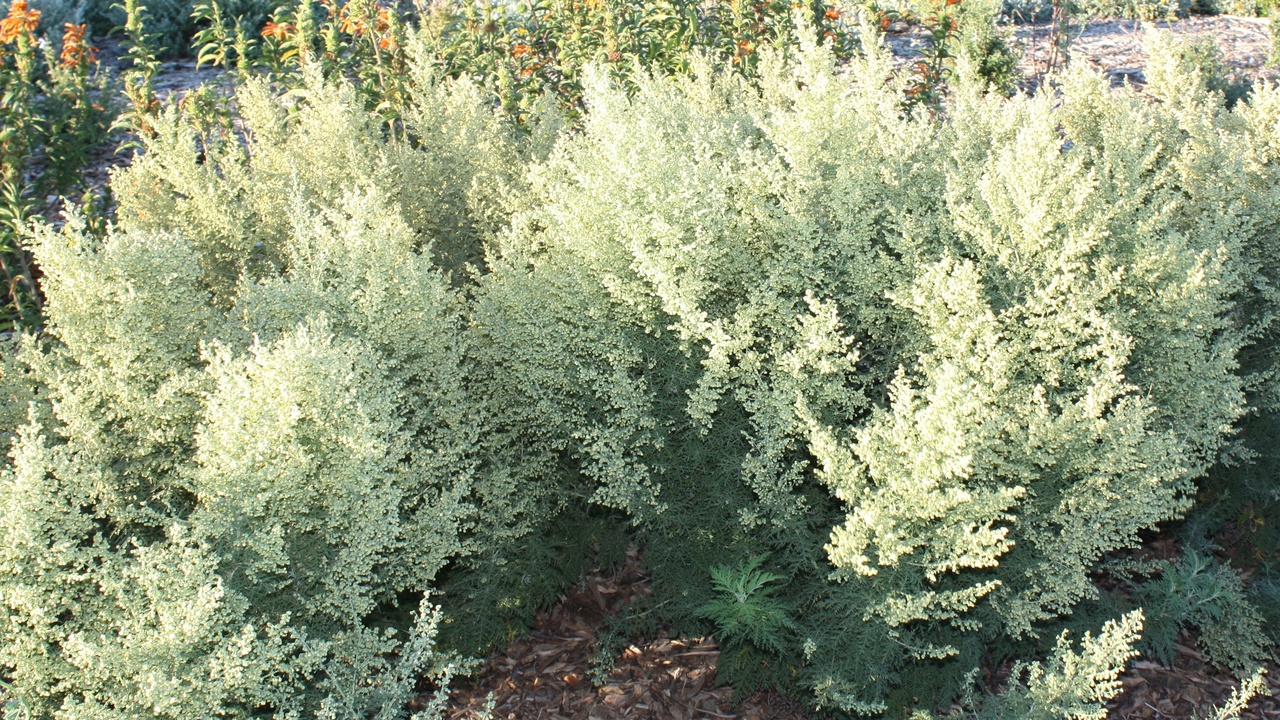
Beyond ecology, plants supply food, materials and inspiration. Agriculture feeds billions, forests and plantations support livelihoods, and plant forms and chemistry have inspired technologies from textiles to solar fuel research.
7. Plants remain a major source of medicines and pharmaceutical leads
Plant-derived compounds still feed drug discovery pipelines. Ethnobotanical knowledge steers researchers toward promising species, and screening programs continue in tropical regions and botanical collections.
Paclitaxel’s path—from discovery in the 1960s to FDA approval in 1992—illustrates how long-term investment in natural products pays off. Aspirin’s origin in willow use and digitalis’ 18th-century medicalization show the deep historical ties between plants and healing. Protecting plant diversity preserves these opportunities.
8. Plants underpin global food security — a few crops supply most calories
Human diets rely heavily on a small number of staples. Rice, wheat and maize together provide roughly 50–60% of the world’s plant-derived calories, supporting billions of people—rice in much of Asia, maize across the Americas and Africa, wheat in temperate regions.
That concentration creates risks: pests, pathogens and climate extremes can threaten large swaths of food supply. Crop diversity, seed-bank conservation and breeding programs are essential for resilience as climates shift.
9. Plants support economies — timber, fibers, rubber and livelihoods
Forests and plant-based industries sustain livelihoods worldwide. More than 1 billion people depend on forests and forest products for part of their income, whether through timber, non-timber forest products or services tied to forests.
Major commodities include cotton for textiles, natural rubber from Hevea brasiliensis for tires, palm oil for food and biofuels, and timber for construction. These industries create jobs but also drive land-use change, so sustainable management and smallholder support matter.
10. Plants inspire technology — biomimicry and green engineering
Designers and engineers have long borrowed plant ideas. George de Mestral’s 1950s work on burrs led to Velcro, patented around 1955. The lotus leaf’s self-cleaning microstructure inspired “lotus-effect” coatings used in paints and textiles.
Now researchers attempt artificial photosynthesis to make solar fuels and study plant water channels to improve membranes. These efforts show how plant forms and chemistry continue to inform applied science and sustainable engineering.
Summary
- Underground mycorrhizal networks let trees exchange carbon, nutrients and warnings, shaping forest dynamics.
- Experiments since 2014 show habituation in plants like Mimosa pudica, suggesting simple memory-like behavior.
- Many modern drugs began as plant compounds—think digitalis (1785), aspirin (Hoffmann, 1897) and paclitaxel (discovered 1960s; approved 1992).
- Plants drive climate processes: forests cover ~31% of land, phytoplankton produce about half of oxygen, and mangroves store 3–4× more carbon per hectare than many terrestrial forests.
- Staple crops (rice, wheat, maize) supply roughly 50–60% of plant calories, while plant industries and forests support over a billion livelihoods—so protecting plant diversity and habitats matters for food, medicine and the economy.
- Notice and protect plant life—whether it’s Methuselah, Pando, a roadside wildflower meadow or a coastal mangrove—because plants sustain ecosystems, economies and future innovations.