
Explore a complete reference of Examples of Organic Acids with 20 common entries, each listing the chemical formula, pKa at 25 °C, and natural sources. This concise guide helps students, cooks, and researchers identify acids from citric and acetic to amino and fatty acids, understand relative acidity, and find natural origins and uses.
Examples of Organic Acids: The Complete List
Continue reading
0 Comments
List of Oxidation Reactions
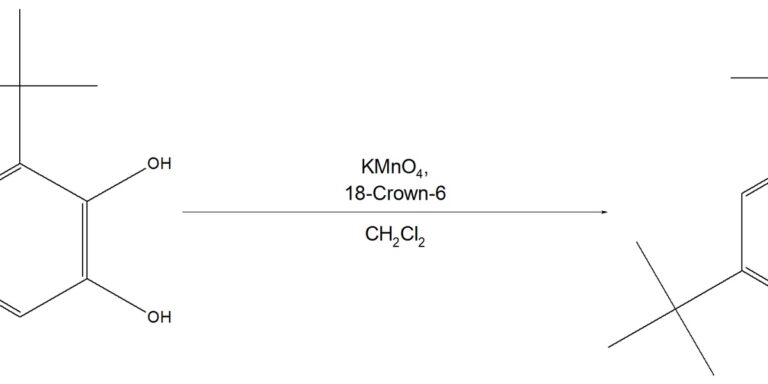
Explore a comprehensive List of Oxidation Reactions featuring 55 common substrate-to-product transformations. Each item lists substrate → product, recommended reagents and conditions, and a concise mechanism to help students, researchers, and synthetic chemists choose the right oxidation method. Learn practical tips, reagent comparisons, and mechanistic insights to apply Oxidation Reactions confidently in the lab or coursework.
Continue reading
0 Comments
Examples of Diastereomers
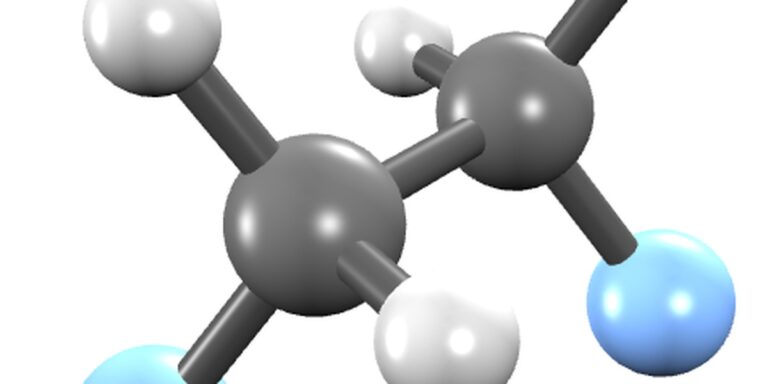
This post surveys clear Examples of Diastereomers, explaining how changes at stereocenters create diastereomeric relationships, key physical properties (°C or deg), and representative molecular examples to help you identify and compare diastereomers.
Continue reading
0 Comments
Flammable Gases: The Complete List
This post lists 27 Flammable Gases, presenting each chemical formula, flammable range (% vol) and autoignition temperature (°C) for quick reference. Use this comprehensive, data-driven guide to compare hazard limits, identify ignition risks, and improve safety planning in labs, industry, and emergency response — essential for engineers, safety officers, and curious professionals.
Continue reading
0 Comments
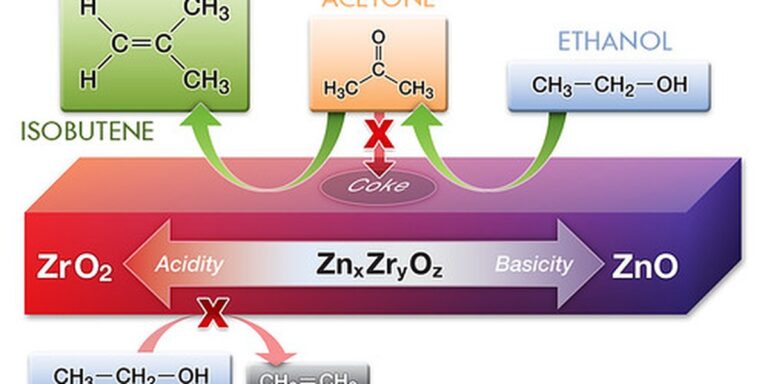
List of Alkenes
This post lists 17 important Alkenes with molecular formulas, boiling points, common uses, and concise 30–50 word descriptions. Ideal for students, chemists, and professionals seeking a quick reference to compare properties, identify applications, and understand the practical roles of Alkenes in industry and research.
Continue reading
0 Comments
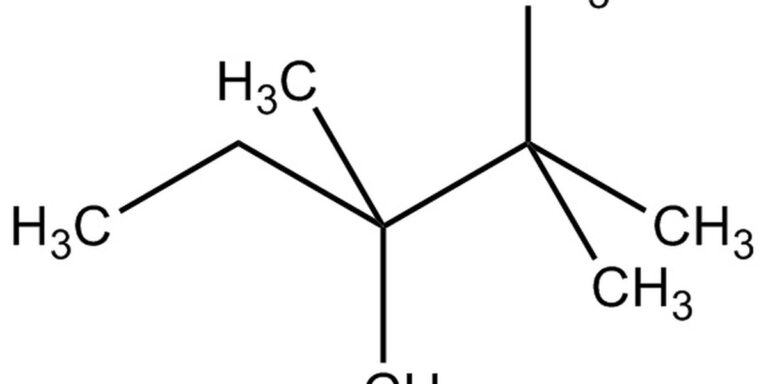
List of Examples of Hydrocarbons
This post presents 64 examples of hydrocarbons, each with its chemical formula, class, and physical state at 20°C. From simple alkanes and alkenes to aromatics and cyclic compounds, use this comprehensive reference to compare structures and properties—ideal for students, educators, and chemistry enthusiasts. Explore the full list to learn formulas and classifications.
Continue reading
0 Comments

Examples of Secondary Alcohols
Explore 16 examples of secondary alcohols with IUPAC names or SMILES, their oxidation products (ketones), boiling points, and concise 30–50 word descriptions. This easy-reference list helps students and chemists quickly identify common secondary alcohols and compare their properties at a glance.
Continue reading
0 Comments
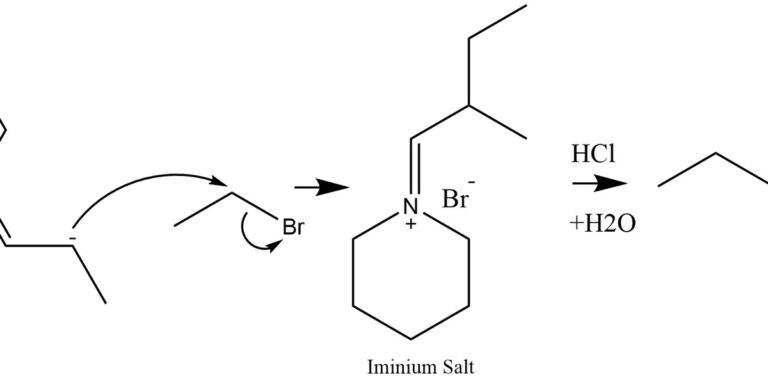
Types of Reaction Mechanisms
This post explains the major Types of Reaction Mechanisms used in organic and inorganic chemistry, from SN1/SN2 and E1/E2 to radical, pericyclic, and redox pathways. Each mechanism is described with key steps, typical reagents/conditions, and illustrative examples to help students and practitioners understand when and how reactions proceed.
Continue reading
0 Comments