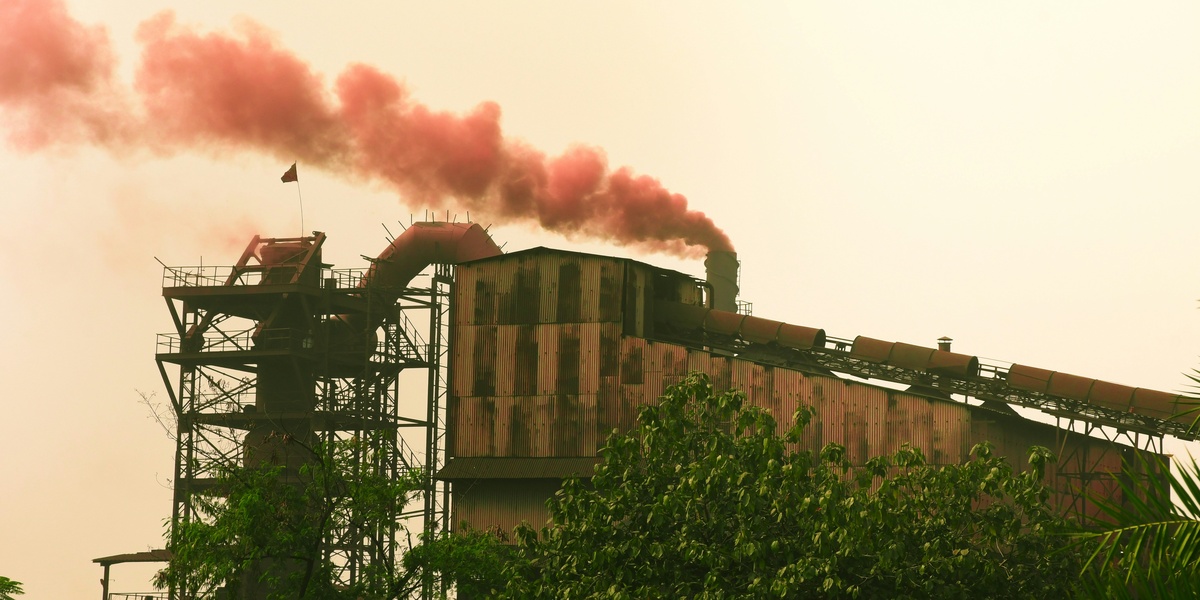
Cities, ports and industrial zones concentrate people, infrastructure and risk; when human systems fail the effects can be immediate and long‑lasting. This compilation focuses on human-caused incidents that reshaped communities, regulation and industry practices.
There are 46 Examples of Man-made Disasters, ranging from AZF Toulouse explosion to Windscale fire and covering incidents from chemical blasts to reactor accidents. Each entry is organized as Date (YYYY-MM-DD),Location,Cause (max 15 words), and you’ll find below.
How were the incidents chosen and verified?
Events were selected for their documented impact, geographic spread and availability of reliable sources; dates and locations come from official reports, academic studies and reputable news archives, and causes are summarized to fit the format while linking back to original sources for verification.
Can this list be used for research or emergency planning?
Yes — it’s a concise reference for spotting patterns, timelines and common causes, but treat it as a starting point: consult primary reports, local authorities and technical assessments before using the data for planning or policy decisions.
Examples of Man-Made Disasters
| Name | Date (YYYY-MM-DD) | Location | Cause (max 15 words) |
|---|---|---|---|
| Chernobyl disaster | 1986-04-26 | Pripyat, Ukraine (then USSR) | Reactor design flaw and operator error |
| Bhopal gas tragedy | 1984-12-03 | Bhopal, India | Chemical plant safety failure (methyl isocyanate leak) |
| Deepwater Horizon oil spill | 2010-04-20 | Gulf of Mexico, USA | Offshore drilling blowout and operational failures |
| Exxon Valdez oil spill | 1989-03-24 | Prince William Sound, Alaska, USA | Ship grounding/operator error |
| Three Mile Island partial meltdown | 1979-03-28 | Harrisburg, Pennsylvania, USA | Equipment failure and operator error |
| Kyshtym disaster (Mayak) | 1957-09-29 | Chelyabinsk region, USSR (Russia) | Nuclear waste tank explosion/poor waste handling |
| Windscale fire | 1957-10-10 | Cumbria, United Kingdom | Reactor fire from design/operational errors |
| Hiroshima atomic bombing | 1945-08-06 | Hiroshima, Japan | Deliberate nuclear weapon (wartime attack) |
| Nagasaki atomic bombing | 1945-08-09 | Nagasaki, Japan | Deliberate nuclear weapon (wartime attack) |
| Halifax Explosion | 1917-12-06 | Halifax, Nova Scotia, Canada | Collision of munitions ship carrying explosives |
| Texas City disaster (SS Grandcamp) | 1947-04-16 | Texas City, Texas, USA | Shipboard ammonium nitrate explosion/unsafe handling |
| Oppau explosion | 1921-09-21 | Oppau (Ludwigshafen), Germany | Improper explosive demolition of fertilizer silo |
| AZF Toulouse explosion | 2001-09-21 | Toulouse, France | Ammonium nitrate fertilizer factory explosion |
| Tianjin port explosions | 2015-08-12 | Tianjin, China | Improper storage of hazardous chemicals leading to fire |
| Beirut ammonium nitrate explosion | 2020-08-04 | Beirut, Lebanon | Improper long-term storage of ammonium nitrate |
| Love Canal contamination | 1970s-1978 | Niagara Falls, New York, USA | Industrial toxic waste dumping into residential neighborhood |
| Seveso disaster | 1976-07-10 | Seveso, Italy | Chemical plant dioxin release (industrial accident) |
| Minamata disease | 1956 (recognized) | Minamata, Japan | Industrial mercury discharge into bay |
| Sandoz chemical spill (Rhine) | 1986-11-01 | Basel area/Rhine River, Switzerland | Warehouse fire releasing agrochemicals into river |
| Prestige oil spill | 2002-11-13 | Galicia, Spain (Atlantic coast) | Tanker structural failure and sinking |
| Mont Blanc tunnel fire | 1999-03-24 | Mont Blanc Tunnel (France–Italy) | Truck fire due to cargo ignition and poor ventilation |
| Triangle Shirtwaist Factory fire | 1911-03-25 | New York City, USA | Locked exits and poor workplace safety |
| Grenfell Tower fire | 2017-06-14 | London, United Kingdom | Fire spread aided by combustible cladding and safety failures |
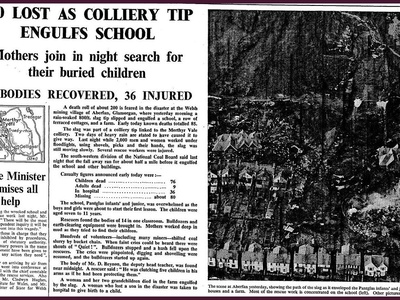
| Aberfan disaster | 1966-10-21 | Aberfan, Wales, United Kingdom | Neglected coal spoil tip collapse due to poor management |
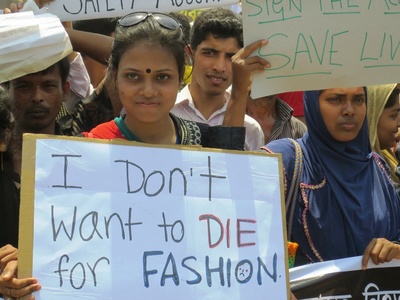
| Rana Plaza collapse | 2013-04-24 | Dhaka, Bangladesh | Illegal construction and ignored safety warnings at garment complex |
| Lac-Mégantic rail disaster | 2013-07-06 | Lac-Mégantic, Quebec, Canada | Unattended crude oil train rolled and derailed causing explosions |
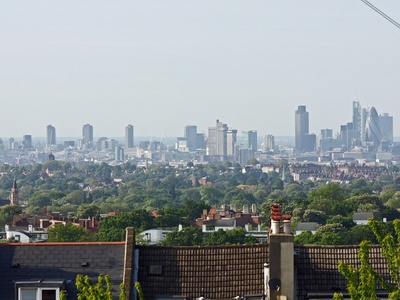
| Great Smog of London | 1952-12 | London, United Kingdom | Severe air pollution from coal burning trapped by weather inversion |
| Challenger shuttle disaster | 1986-01-28 | Cape Canaveral, Florida, USA | O-ring failure worsened by management decisions and cold temperatures |
| Columbia shuttle disaster | 2003-02-01 | Over United States during reentry | Orbital debris strike at launch damaging thermal protection |
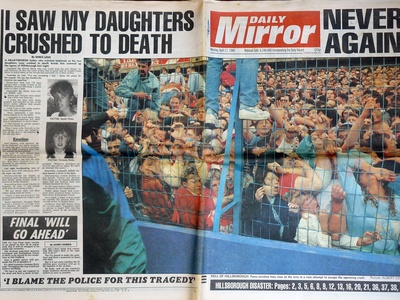
| Hillsborough disaster | 1989-04-15 | Hillsborough Stadium, Sheffield, United Kingdom | Crowd-control failures and policing mistakes |
| Beslan school siege | 2004-09-01 | Beslan, North Ossetia, Russia | Armed terrorist hostage-taking and chaotic security response |
| September 11 attacks (9/11) | 2001-09-11 | New York City; Washington, D.C.; Shanksville, Pennsylvania, USA | Coordinated terrorist aircraft hijackings and attacks |
| Tokyo subway sarin attack | 1995-03-20 | Tokyo, Japan | Deliberate chemical terrorist attack by Aum Shinrikyo |
| Halabja chemical attack | 1988-03-16 | Halabja, Kurdistan region, Iraq | Chemical weapons used by state military forces |
| Gulf War oil spill and fires | 1991-01 to 1991-04 | Kuwait and Persian Gulf | Deliberate oil release and ignition during Gulf War |
| BP Texas City refinery explosion | 2005-03-23 | Texas City, Texas, USA | Refinery process failures and poor safety management |
| Sampoong Department Store collapse | 1995-06-29 | Seoul, South Korea | Illegal structural modifications and lax enforcement |
| Ufa train disaster | 1989-06-04 | Ufa region, Russia | Gas pipeline leak ignited by passing trains in rural area |
| Sidoarjo mudflow (Lusi) | 2006-05-29 | Sidoarjo, East Java, Indonesia | Drilling-induced blowout causing long-lived mud volcano |
| Mount Polley tailings dam breach | 2014-08-04 | British Columbia, Canada | Tailings dam structural failure at open-pit mine |
| Aznalcóllar (Los Frailes) mine spill | 1998-04-25 | Aznalcóllar/Guadiamar, Spain | Tailings dam failure at pyrite mine |
| Doña Paz ferry disaster | 1987-12-20 | Philippine Sea / Tablas Strait, Philippines | Collision with oil tanker, vessel overcrowding and poor maintenance |
| Brumadinho dam collapse | 2019-01-25 | Brumadinho, Minas Gerais, Brazil | Tailings dam failure from mining operations |
| Mariana dam (Fundão) collapse | 2015-11-05 | Mariana, Minas Gerais, Brazil | Tailings dam failure at Samarco mine (operated by Vale/BHP) |
| Buncefield oil depot explosion | 2005-12-11 | Hemel Hempstead, United Kingdom | Fuel vapor overpressure ignition at storage terminal |
| Gold King Mine wastewater spill | 2015-08-05 | Animas River, Colorado (USA) into US/Mexico rivers | Accidental release during mine remediation work |
Images and Descriptions

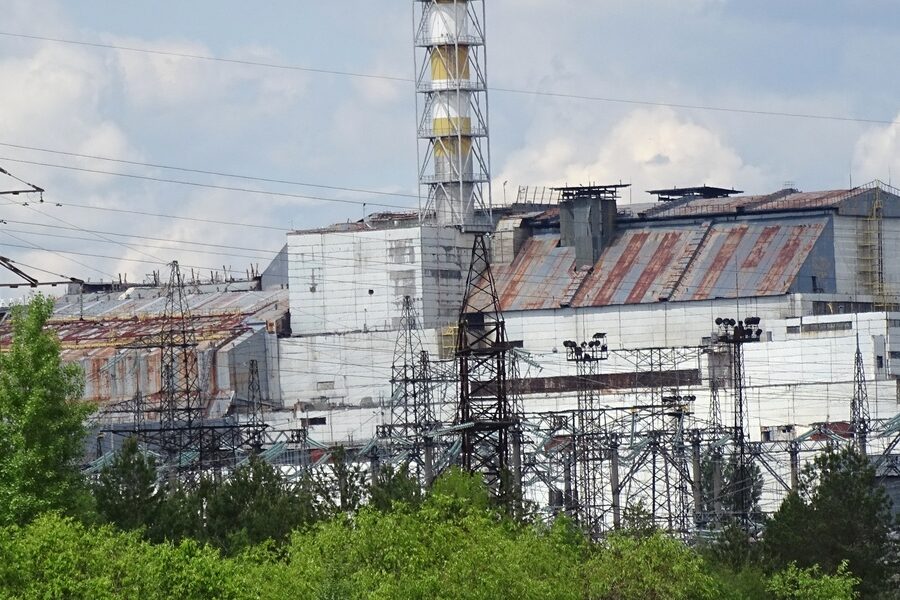
Chernobyl disaster
Catastrophic reactor explosion and fire released large radioactive plume across Europe; about 30 immediate deaths, thousands exposed, long-term cancers disputed, widespread land contamination, mass evacuations and profound changes to nuclear policy and safety worldwide.
Bhopal gas tragedy
Large toxic gas release from pesticide plant killed about 3,800 people immediately, injured tens of thousands, caused chronic health problems and environmental contamination, long legal battles and major reforms in industrial safety and hazardous chemicals regulation.
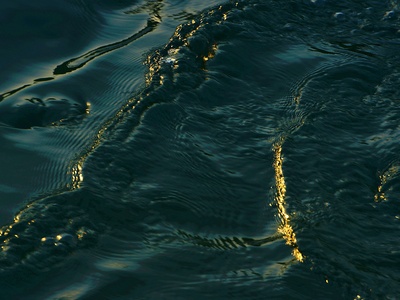
Deepwater Horizon oil spill
Blowout and rig explosion killed 11 workers and caused the largest US offshore oil spill (~4.9 million barrels), severe coastal environmental damage, massive economic losses for fisheries and tourism, long cleanup and regulatory overhaul.
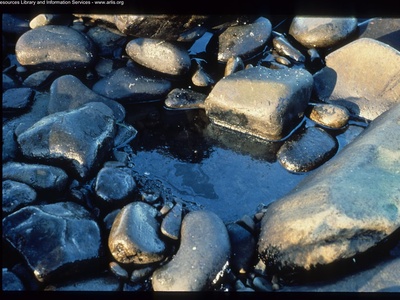
Exxon Valdez oil spill
Tanker grounding spilled about 11 million gallons of crude, devastating wildlife and coastal ecosystems, long-term ecological effects and cleanup costs, major legal settlements and reforms in tanker safety and oil spill response.
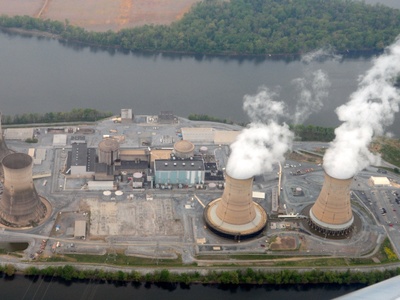
Three Mile Island partial meltdown
Partial core meltdown without immediate deaths but widespread fear, temporary evacuations, large cleanup costs and costly regulatory and industry consequences that halted U.S. nuclear expansion for decades.
Kyshtym disaster (Mayak)
Radioactive waste tank explosion contaminated large areas, forced evacuation of around 10,000 people, long-term land contamination and secrecy by Soviet authorities; significant but lesser-known early major radiological disaster.
Windscale fire
Graphite reactor fire released radioactive contamination across northern England; no large immediate death toll but milk bans, agricultural losses, increased nuclear safety scrutiny and halted production at facility.
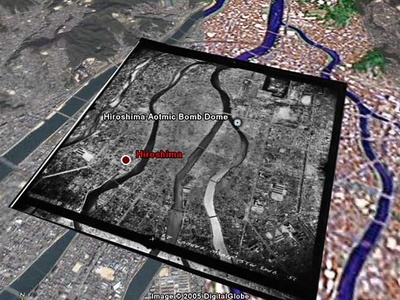
Hiroshima atomic bombing
Atomic bomb blast killed about 70,000–80,000 people immediately and roughly 140,000 by year’s end, obliterated large city area, long-term radiation illness, profound human, ethical and geopolitical consequences.
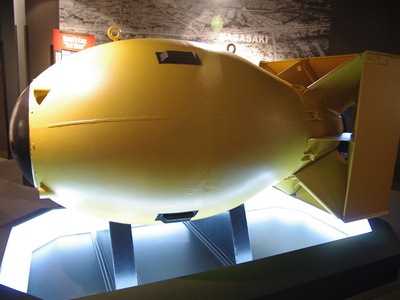
Nagasaki atomic bombing
Second nuclear strike killed about 40,000 immediately and ~70,000 by year’s end, massive destruction, radiation injuries and long-term health effects, pivotal in ending World War II and shaping nuclear discourse.
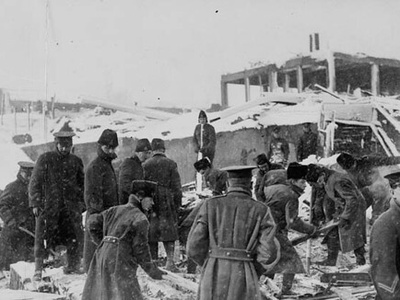
Halifax Explosion
Collision and detonation of explosives killed about 1,950 people, injured ~9,000, flattened large sections of the city, massive economic loss and one of history’s largest non-nuclear explosions.
Texas City disaster (SS Grandcamp)
Deadly ammonium nitrate detonation at port killed about 581 people, injured thousands, destroyed large parts of industrial city, spurred U.S. changes in chemical storage and emergency response.
Oppau explosion
Ammonium nitrate-sulfate blast killed about 500–600 people, injured thousands, destroyed much of town, highlighted extreme hazards of fertilizer storage and led to industrial safety reviews.
AZF Toulouse explosion
Factory blast killed 31, injured about 2,500, damaged thousands of buildings, large economic cost and long local disruption, prompted scrutiny of hazardous materials storage near urban areas.
Tianjin port explosions
Massive warehouse explosions killed 173 people, injured hundreds, destroyed nearby residential and industrial zones, widespread pollution concerns, legal action and calls for stricter hazardous materials enforcement.
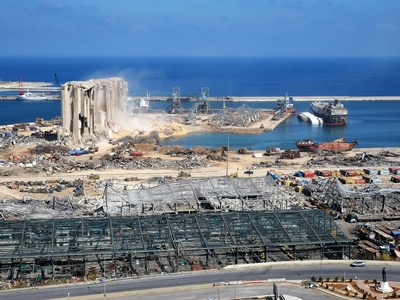
Beirut ammonium nitrate explosion
Gigantic port explosion killed about 218 people, injured ~7,000, displaced over 300,000 residents, devastated neighborhoods and infrastructure, sparked public outrage and political crisis over negligence and corruption.
Love Canal contamination
Chemical waste buried beneath a neighborhood leaked into homes and schools, forced evacuation of ~900 families, numerous health complaints and catalyzed creation of the U.S. Superfund toxic cleanup program.
Seveso disaster
Accidental release of dioxin exposed thousands to toxic cloud, necessitated animal culling and evacuations, long-term health monitoring and EU regulation (Seveso Directive) for industrial accident prevention.
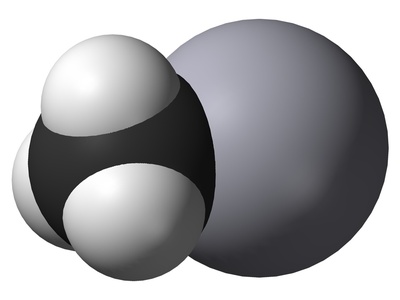
Minamata disease
Methylmercury pollution from chemical factory contaminated seafood causing severe neurological disease: over 2,000 diagnosed with Minamata disease, >1,700 deaths, long-term community and environmental devastation and corporate accountability issues.
Sandoz chemical spill (Rhine)
Fire at chemical warehouse released toxic pesticides into the Rhine, causing massive fish kills across borders, drinking water disruptions and major ecological and economic impacts on riverine communities.
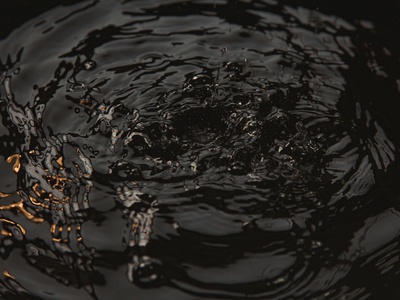
Prestige oil spill
Tanker broke and sank, spilling tens of thousands of tons of heavy fuel oil (~63,000 tons), severe coastal pollution, long fishing industry losses and legal/policy debate on single-hull tankers.
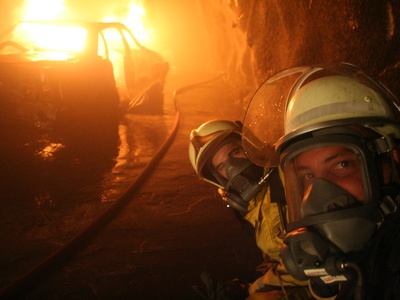
Mont Blanc tunnel fire
Truck blaze killed 39 people inside tunnel, led to lengthy closure, major safety overhauls for road tunnels and stricter vehicle inspection and hazardous cargo rules.
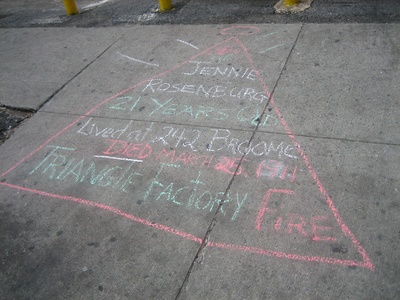
Triangle Shirtwaist Factory fire
Factory fire killed 146 mostly young immigrant workers due to locked exits and inadequate safety measures, spurred major labor reforms, fire codes and workplace safety legislation.
Grenfell Tower fire
High-rise cladding and fire-safety failures led to rapid spread, killing 72 residents, causing trauma, a public inquiry and nationwide review of building regulations and social housing safety.
Aberfan disaster
Coal-waste tip collapse buried a school and houses, killing 144 people including 116 children, prompted stricter mining waste control, corporate responsibility scrutiny, and long-term community impact.
Rana Plaza collapse
Factory building collapse killed 1,134 people and injured about 2,500, exposing global supply-chain labor abuses, leading to international safety accords and factory inspection programs.
Lac-Mégantic rail disaster
Runaway parked train derailed in downtown, explosions destroyed large part of town, killed 47 people, caused massive property loss and launched scrutiny of oil-by-rail practices and regulations.
Great Smog of London
Days-long smog episode caused respiratory collapse and an estimated 4,000–12,000 excess deaths, widespread illness, major public health reforms and the 1956 Clean Air Act.
Challenger shuttle disaster
Space shuttle broke apart 73 seconds after launch, killing all seven astronauts, prompting major NASA investigation, program suspension and engineering/management reforms.
Columbia shuttle disaster
Columbia disintegrated on reentry, killing seven crew, led to grounding of shuttle fleet, major investigation of foam strike risks and changes in NASA’s safety culture.
Hillsborough disaster
Stadium crush caused by mismanaged entry and police errors killed 96 football fans, injured hundreds, resulted in long legal campaigns, reform of stadium safety and policing practices.
Beslan school siege
Terrorist siege ended in chaotic firefight killing about 334 people including 186 children, massive trauma, international condemnation, and debate over counterterrorism and hostage rescue tactics.
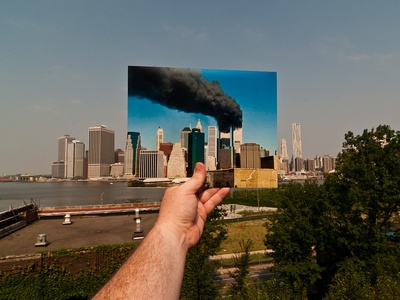
September 11 attacks (9/11)
Al-Qaeda hijacked airliners struck the World Trade Center and Pentagon; nearly 2,977 people killed, immense economic losses, global security, travel and foreign-policy transformations and long-term societal impact.
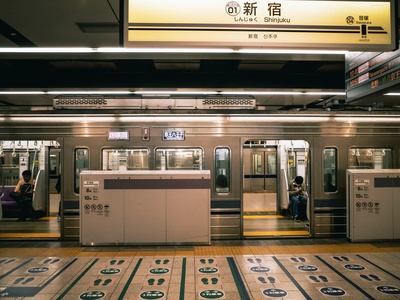
Tokyo subway sarin attack
Sarin gas released on commuter trains killed 13 people and injured over 6,000, caused public panic, exposed risks of chemical terrorism and led to tightened domestic security and chemical controls.
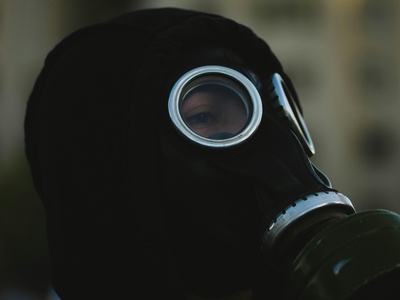
Halabja chemical attack
Saddam-era chemical assault killed approximately 5,000 civilians and injured thousands, causing mass displacement, long-term health effects, and later recognition as a wartime atrocity and crime against humanity.
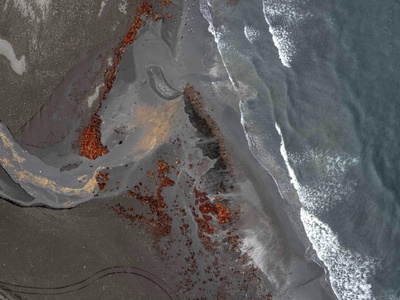
Gulf War oil spill and fires
Iraqi forces opened oil wells and pipelines and set fires, creating massive marine and atmospheric pollution, ecological damage, economic loss to fisheries and long remediation costs across the region.
BP Texas City refinery explosion
Industrial explosion at refinery killed 15 workers, injured over 170, prompted investigations into corporate safety culture, multi-million-dollar fines and industry-wide safety reviews.
Sampoong Department Store collapse
Store collapse caused by added heavy structures and ignored warnings, killed about 502 people, injured ~937, led to high-profile prosecutions and stricter building standards and inspections.
Ufa train disaster
Vapor cloud from a leaking pipeline exploded under two passenger trains, killing about 575 people and injuring hundreds, exposing pipeline safety failures and emergency response shortcomings.
Sidoarjo mudflow (Lusi)
Industrial drilling linked to massive mudflow that buried villages, displaced tens of thousands, destroyed farmland and infrastructure, causing protracted legal and environmental battles over liability and remediation.
Mount Polley tailings dam breach
Dam breach released tens of millions of cubic meters of slurry into lakes and rivers, severe ecological damage to salmon habitat, regulatory inquiries and debate over mining tailings safety and monitoring.
Aznalcóllar (Los Frailes) mine spill
About 4–5 million cubic meters of toxic sludge flooded rivers, contaminated farmland and threatened Doñana wetlands, causing major ecological damage and costly cleanup and restoration programs.
Doña Paz ferry disaster
Ferry collision and fire killed an estimated 4,386 people, making it among history’s deadliest peacetime maritime disasters, highlighting regulatory failures in maritime safety and enforcement.
Brumadinho dam collapse
Sudden collapse of iron-ore tailings dam killed 270 people, buried workers and communities in mud, caused extensive environmental contamination, corporate liability cases and calls for stronger mine tailings regulations.
Mariana dam (Fundão) collapse
Massive mudflow killed 19 people, destroyed villages, contaminated Rio Doce basin, caused long-term ecological harm, and triggered large compensation claims and scrutiny of mining practices.
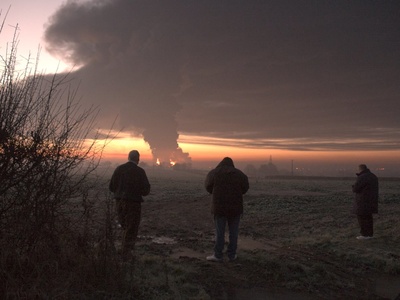
Buncefield oil depot explosion
Huge fuel-air explosion and fire caused no direct fatalities but major economic damage, extensive environmental pollution, large-scale evacuations and major improvements to fuel-terminal safety and emergency planning.
Gold King Mine wastewater spill
About 3 million gallons of contaminated mine wastewater released into rivers, turning waterways orange, harming aquatic life, affecting drinking water supplies and raising questions about legacy mine cleanup responsibilities.